
Birdwatching is a wonderful hobby that brings us closer to nature. Among the many fascinating features of birds, their beaks often stand out. Long beaks, in particular, are both intriguing and useful. They serve various purposes, from feeding to building nests. Some birds have exceptionally long beaks that make them unique and easy to identify.
In this article, we will explore twelve birds with impressively long beaks. Each bird has adapted its beak for different reasons. These adaptations help them thrive in their environments. As we delve into these birds’ lives, you might find some familiar and others completely new. Grab your binoculars and let’s embark on this avian adventure together!
1. Sword-billed Hummingbird
Description
The Sword-billed Hummingbird is a marvel of nature. Its beak is longer than its entire body. This unique feature makes it the only bird with such an extreme proportion. The bird’s sleek body and iridescent green feathers add to its striking appearance.
Habitat
The sword-billed Hummingbird is found in the Andean regions of South America. It thrives in cloud forests and high-altitude areas, which provide the perfect conditions for its specialized feeding habits. These regions provide the perfect conditions for its specialized feeding habits.
Diet
This hummingbird primarily feeds on nectar. Its lengthy beak allows it to reach deep into flowers other birds can’t access. This specialization helps reduce competition for food. Occasionally, it also eats small insects for protein.

2. American Woodcock
Description
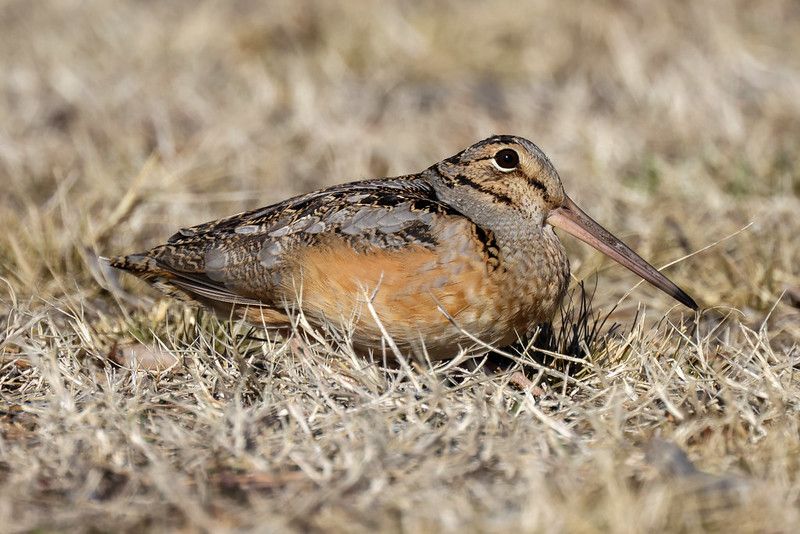
The American Woodcock is a small, plump bird with a long, straight beak. Its mottled brown and grey feathers provide excellent camouflage in woodland environments. This bird is known for its distinctive, whistling flight display during mating season.
Habitat
American Woodcocks are found in North America. They prefer moist, young forests and areas with dense undergrowth. These habitats provide ample shelter and food sources.
Diet
The American Woodcock uses its long beak to dig into the soil for earthworms and other invertebrates. It relies heavily on its sense of touch to locate prey underground, and its flexible beak tip helps it grasp and extract worms from the soil.
3. Marbled Godwit
Description
The Marbled Godwit is a large shorebird with a slightly upturned, long beak. Its plumage is a mix of brown and buff, providing excellent camouflage in its sandy, coastal habitats. This bird’s elegant flight and long legs make it a graceful sight.
Habitat
You can find Marbled Godwits along the coasts and in the wetlands of North America. They migrate between breeding grounds in the northern prairies and wintering sites along the United States and Central America coasts.
Diet
Marbled Godwits use their long beaks to probe the mud for food. They primarily eat insects, crustaceans, and small marine invertebrates. Their foraging technique involves rapid, repeated probing, which helps them locate hidden prey.

4. Roseate Spoonbill
Description
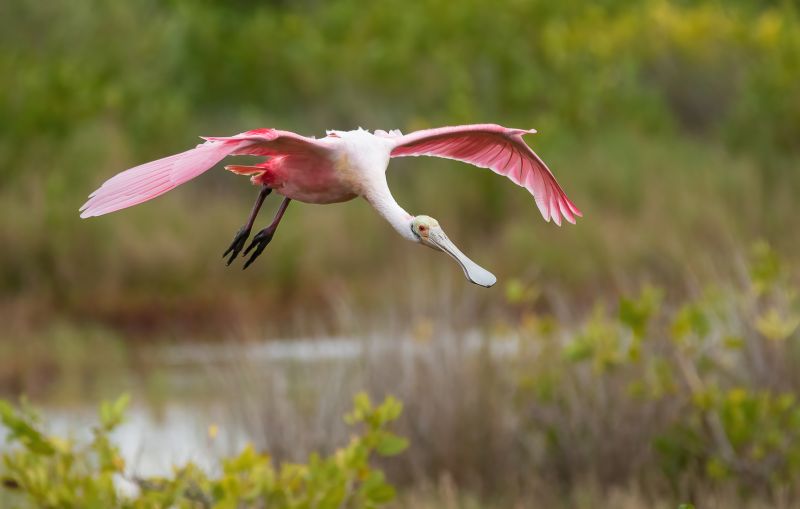
The Roseate Spoonbill is an eye-catching bird with pink plumage and a long, flat, spoon-shaped beak. Its bright colors and unique bill make it easy to recognize, and its distinctive appearance is often a delight for birdwatchers.
Habitat
Roseate Spoonbills are found in wetlands and coastal regions of the Americas. They prefer marshes, mangroves, and estuaries. These areas provide the shallow waters they need for feeding.
Diet
This bird uses its long beak to sift through mud and water. It primarily feeds on small fish, crustaceans, and aquatic insects. The spoon-shaped bill helps it catch prey by sweeping side to side in the water.
5. Toco Toucan
Description
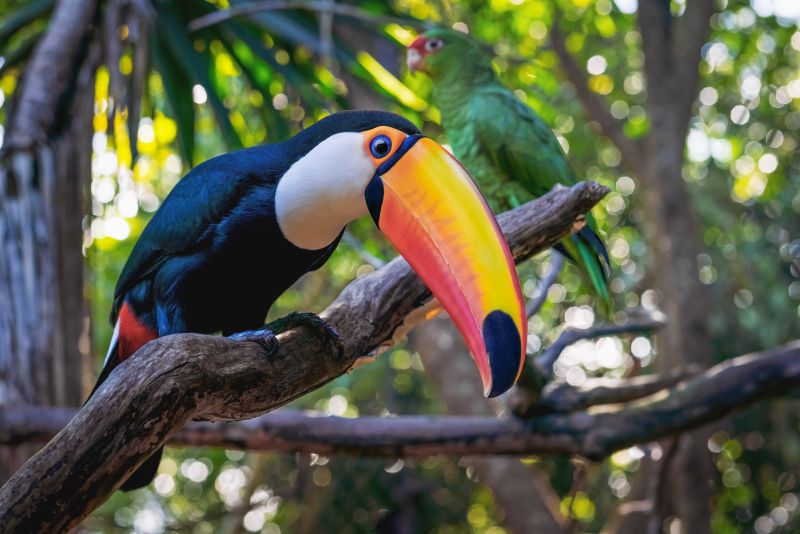
The Toco Toucan is easily identified by its large, colorful beak. This long, orange bill contrasts with its black body and white throat. The toucan’s vibrant appearance makes it a favorite among bird enthusiasts.
Habitat
Toco Toucans live in the tropical forests of South America, where they can be found in rainforests, savannas, and open woodlands. These habitats provide the fruit and shelter they need.
Diet
Toco Toucans primarily eat fruit. Their long beak allows them to access fruit on branches that are too small to support their weight. They also eat insects, small reptiles, and eggs, using their beak to grab and peel their food.
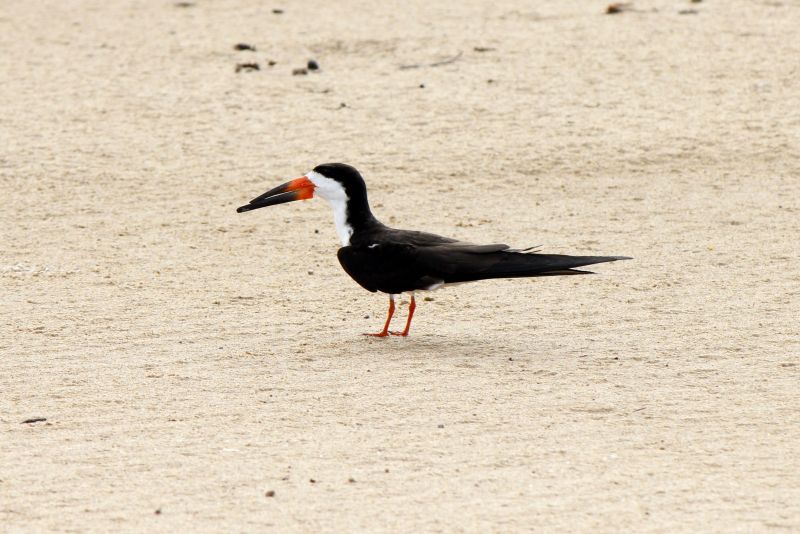
6. Black Skimmer
Description
The Black Skimmer has a unique, long beak with the lower mandible longer than the upper. This distinctive feature is perfectly adapted for its feeding style. The bird has striking black and white plumage and a graceful, slender body.
Habitat
Black Skimmers are found along coastal regions, estuaries, and rivers. They inhabit areas in the Americas, from North to South America. Sandy beaches and shallow waters are their preferred habitats.
Diet
The Black Skimmer feeds by flying low over the water with its lower mandible skimming the surface. It catches small fish and crustaceans in this manner. This feeding technique is both efficient and fascinating to watch.
7. Eurasian Curlew
Description
The Eurasian Curlew is known for its long, down-curved beak. This elegant shorebird has mottled brown and white plumage. Its distinctive call and graceful flight make it a favorite among birdwatchers.
Habitat
Eurasian Curlews are found across Europe, Asia, and parts of Africa. They inhabit wetlands, coastal areas, and mudflats. These environments provide abundant feeding opportunities.
Diet
The Eurasian Curlew’s long beak is perfect for probing soft mud for food. It primarily eats worms, crustaceans, and small mollusks. Its foraging behavior often involves walking slowly and methodically in shallow water.

8. Great Egret
Description
The Great Egret is a striking white bird with a long, slender beak and graceful neck. Its elegant appearance is enhanced by its long, black legs and yellow bill. During breeding season, it grows beautiful plumes on its back.
Habitat
Great Egrets are widespread and found in wetlands, marshes, and along lakes and rivers. They exist in many parts of the world, including the Americas, Europe, Africa, and Asia. These birds prefer areas with shallow water for feeding.
Diet
Great Egrets use their long beaks to spear fish and other small aquatic animals. They stand still and wait for prey to come close before striking with lightning speed. Their diet includes fish, amphibians, reptiles, and insects.

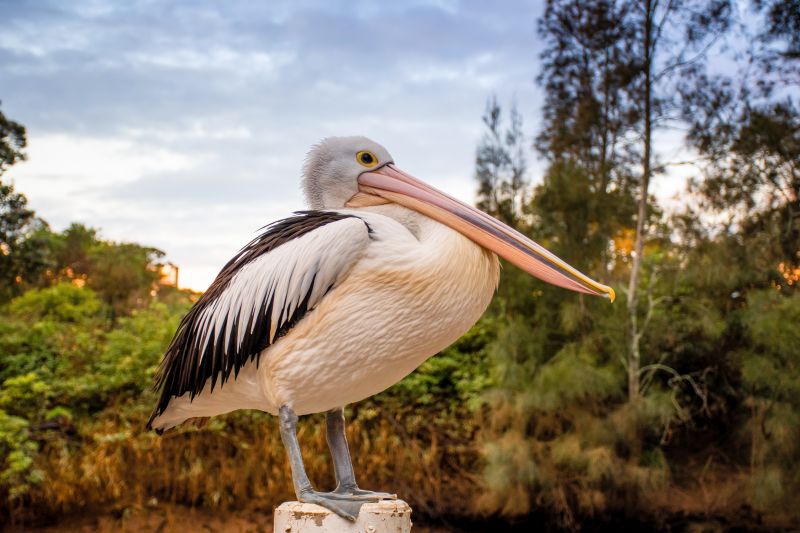
9. Australian Pelican
Description
The Australian Pelican is easily recognizable by its enormous beak and large body. Its white and black plumage contrasts with its pale pink bill. The bird’s massive beak is not just long but also has a large pouch used for catching fish.
Habitat
Australian Pelicans are found throughout Australia in freshwater and coastal waters. They inhabit lakes, rivers, swamps, and coastal lagoons. These habitats offer ample fishing opportunities.
Diet
Australian Pelicans feed mainly on fish. They use their large beaks and pouches to scoop up fish and water, then drain the water before swallowing their catch. They also eat crustaceans and occasionally small birds or animals.
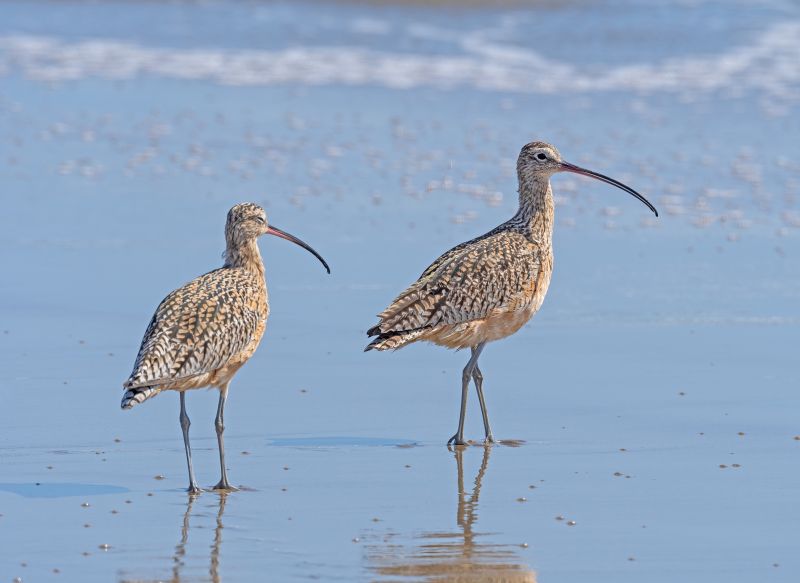
10. Long-billed Curlew
Description
The Long-billed Curlew is a large shorebird with a remarkably long, curved beak. Its plumage is a brown and buff mix, providing excellent camouflage in its natural habitat. This bird’s beak is the longest of any shorebird in North America.
Habitat
Long-billed Curlews are found in the grasslands and prairies of North America. They also inhabit coastal mudflats and estuaries during migration and winter. These environments offer abundant feeding opportunities and nesting sites.
Diet
The Long-billed Curlew uses its long beak to probe deep into the soil for invertebrates. It primarily eats insects, crustaceans, and small mollusks. This bird’s beak is perfectly adapted to reach prey that other birds can’t access.
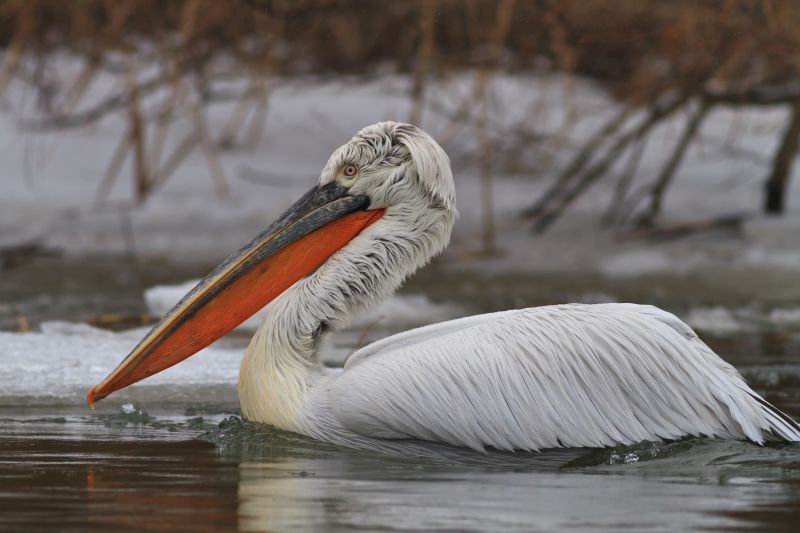
11. Dalmatian Pelican
Description
The Dalmatian Pelican ranks among the largest pelican species, with an impressive wingspan and a long beak. Its silvery-white plumage and bright orange bill during the breeding season make it stand out. The bird’s massive beak and throat pouch are essential for its feeding habits.
Habitat
Dalmatian Pelicans are found in wetlands, lakes, and rivers across Europe and Asia. They prefer shallow, freshwater bodies where they can easily catch fish. These birds often nest in remote, undisturbed areas.
Diet
Dalmatian Pelicans feed mainly on fish. They use their long beaks and large throat pouches to scoop up fish and water. After draining the water, they swallow their catch whole. Their diet occasionally includes crustaceans and amphibians.
12. Collared Aracari
Description
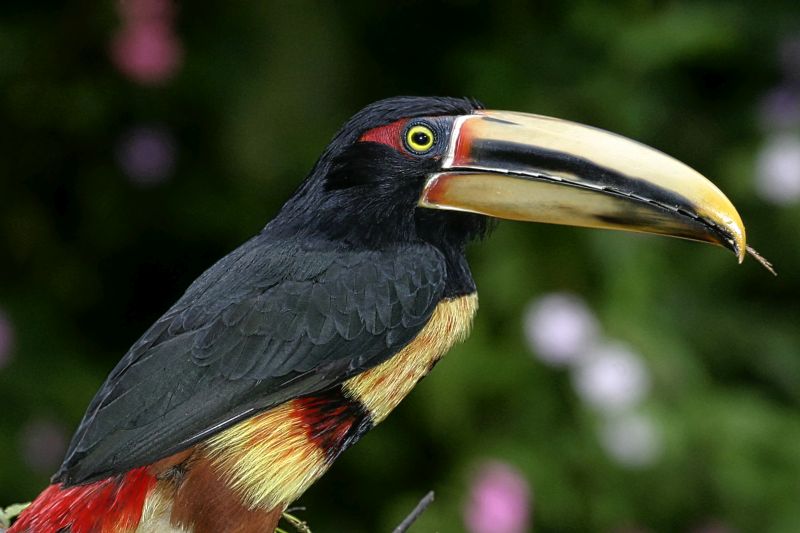
The Collared Aracari is a colorful toucan with a long, slightly curved beak. Its plumage is a mix of vibrant yellows, reds, and greens, making it a striking sight in tropical forests. The bird’s long beak is not only for feeding but also for displaying during courtship.
Habitat
Collared Aracaris are found in the tropical rainforests of Central and South America. They inhabit the canopy and edges of these forests, often in small groups. These habitats provide plenty of fruit and nesting sites.
Diet
The diet of the Collared Aracari consists mainly of fruit. Its long beak allows it to reach and peel fruit with ease. They also eat insects, small reptiles, and eggs. The bird’s beak is versatile, helping it forage and interact socially within its group.
Conclusion
Exploring the world of birds with long beaks has been a fascinating journey. Each bird’s beak is a marvel of evolution, ideally suited to its environment and lifestyle. From the nectar-sipping Sword-billed Hummingbird to the fish-scooping Australian Pelican, these birds showcase incredible diversity and adaptability.
Birdwatchers can appreciate the beauty and functionality of these unique beaks. They provide insight into how birds interact with their surroundings and thrive in various habitats. Next time you’re out birdwatching, keep an eye out for these remarkable species. Their distinctive beaks are sure to make your birdwatching experience even more rewarding.