

Today, let’s embark on a fascinating journey through the diverse habitats of our feathered friends. Birds, with their vivid plumage and melodic songs, inhabit various corners of our planet. Understanding their habitats is not just a joy, but also a step towards appreciating and protecting these splendid creatures.
Bird habitats vary immensely, from dense forests to vast deserts, each hosting unique avian species. As birdwatchers, we not only observe their beauty but also learn about the environments they call home. This knowledge is vital. It helps us comprehend the ecological needs of different bird species and the challenges they face in their natural habitats.
Types of Bird Habitats
Bird habitats are as diverse as the birds themselves. Let’s take a closer look at some of the main types:
Forest Habitats
Forests are treasure troves of bird life. They range from the lush, dense canopy of tropical rainforests to the leafy realms of temperate deciduous forests, and the needle-clad coniferous forests. Each forest type supports a unique bird community. Tropical rainforests, for instance, are brimming with colorful parrots and nimble hummingbirds. Temperate forests, on the other hand, are home to woodpeckers and owls. Coniferous forests host hardy species like crossbills and grouse.

Wetland Habitats
Wetlands are critical for many bird species. These water-rich habitats include marshes, swamps, and mangroves. They are breeding and feeding grounds for a myriad of birds. In marshes, you might spot herons and egrets wading gracefully. Swamps host secretive species like bitterns and rails. Mangroves, with their tangled roots, are perfect for kingfishers and pelicans.
Desert Habitats
Deserts, though seemingly inhospitable, support a unique bird community. Birds in hot deserts, like the Sahara, have adapted to extreme heat and scarce water. Cold deserts, such as those in Mongolia, host species that can endure freezing temperatures. Birds like sandgrouse and larks are common in these challenging environments.
Grassland Habitats
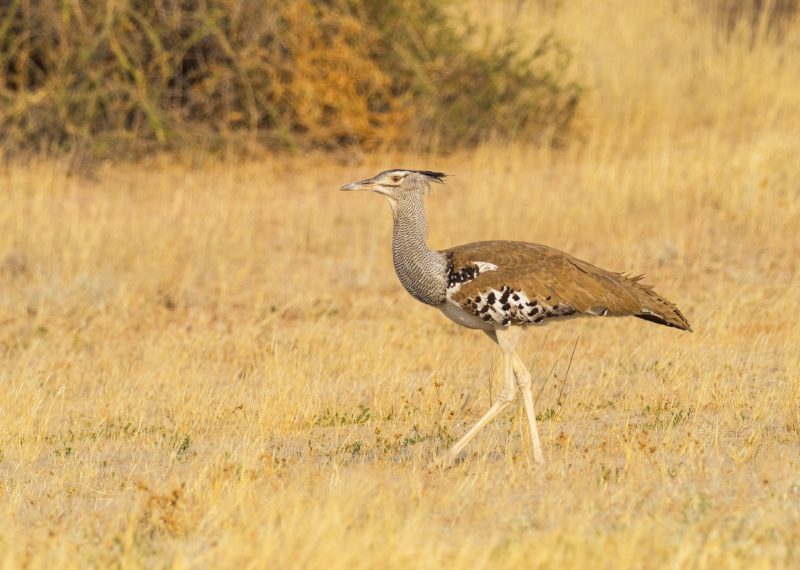
Grasslands, from the African savannas to the North American prairies, are open habitats where birds like grouse, bustards, and larks thrive. These birds have adapted to the vast, treeless landscapes. In savannas, you might encounter colorful weavers and majestic secretary birds. Prairies are the realm of prairie chickens and meadowlarks.
Urban Habitats
Lastly, our cities and towns are becoming increasingly important for birds. Urban habitats like city parks and gardens offer refuge to a variety of species. Pigeons, sparrows, and crows are common, but sometimes you can spot more unusual visitors like hawks or warblers.
Each of these habitats plays a crucial role in the life of birds. As birdwatchers, understanding these habitats deepens our appreciation of the avian world. Stay tuned as we delve into each habitat and the remarkable birds that call them home!
Threats to Bird Habitats
The world of birds is facing significant challenges. Let’s explore some of the main threats to their habitats:
Habitat Destruction
One of the gravest threats to bird habitats is destruction caused by human activities. Deforestation, urban development, and agriculture expansion are rapidly shrinking natural habitats. This results in the loss of nesting sites and food sources, making survival for many bird species difficult.

Climate Change
Climate change is another major threat. Extreme weather events, rising temperatures, and changing weather patterns are disrupting migration patterns and breeding cycles. Some species are forced to move to new areas, often encountering unsuitable habitats or increased competition.
Pollution
Pollution in various forms – air, water, and land – poses a serious risk to bird habitats. Oil spills, pesticides, and plastic waste not only pollute their environments but also directly harm birds through ingestion or entanglement.
Conservation Efforts
Despite these challenges, there are significant efforts underway to protect and conserve bird habitats:
Habitat Preservation
Key to bird conservation is preserving their natural habitats. Establishing and sustaining protected areas like national parks, wildlife reserves, and bird sanctuaries is crucial. These areas provide safe havens for birds to live, breed, and thrive.
Species-Specific Conservation
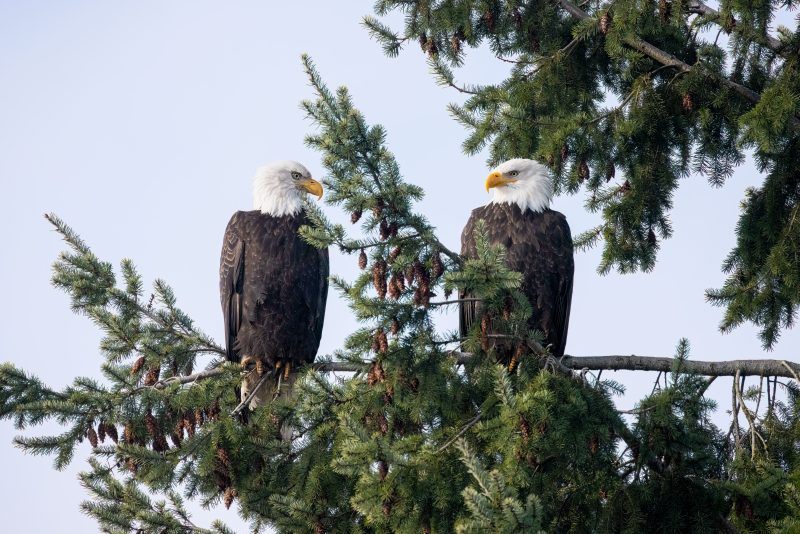
Conservation efforts often focus on specific species, especially those that are endangered or threatened. Initiatives include breeding programs, habitat restoration, and reintroduction projects. Efforts to save species like the Bald Eagle and the California Condor have shown promising results.
Community Involvement
Engaging communities is vital for successful conservation. Spreading awareness of the importance of birds and their habitats fosters a sense of responsibility and encourages protective actions. Community-based projects, like bird monitoring and habitat clean-ups, contribute significantly to conservation efforts.
By understanding the threats to bird habitats and contributing to conservation efforts, we can help ensure that these marvelous creatures continue to grace our skies and enrich our lives. As birdwatchers, we play a vital role in this mission. Let’s continue to observe, learn, and protect. Happy birdwatching!
Conclusion
In conclusion, our journey through the world of bird habitats has been enlightening and inspiring. From the dense forests to the arid deserts, each habitat is a unique world teeming with avian life. However, the challenges facing these habitats, such as habitat destruction, climate change, and pollution, remind us of the fragility of these ecosystems.
The conservation efforts we’ve discussed highlight the importance of preserving these habitats for the future. Whether it’s through large-scale preservation initiatives, species-specific programs, or community involvement, every effort counts. As birdwatchers, our role extends beyond mere observation. We are guardians of these magnificent creatures and their homes.
Let’s carry forward the knowledge we have gained and apply it in our birdwatching adventures. By being mindful of the impact we have on these habitats and advocating for their protection, we contribute to the grand tapestry of bird conservation. Remember, each bird spotted and each habitat preserved is a step towards a richer, more biodiverse world.
Happy birdwatching, and let’s continue to cherish and protect our feathered friends and their habitats!