
Let’s embark on an exciting journey through the diverse world of bird diets. As we all know, birds are not just fascinating creatures to observe, but their eating habits offer a glimpse into the complexity of nature. Understanding what birds eat is not just about satisfying our curiosity; it’s crucial for conservation efforts and appreciating the delicate balance of our ecosystems.
Bird diets are as varied as the species themselves. From the tiny hummingbird sipping nectar to the majestic eagle preying on fish, each bird has adapted to a specific diet. This adaptation not only defines their role in the environment but also influences their physical characteristics and behaviors.
As birdwatchers, observing what birds eat enhances our birding experience. It helps us identify species, understand their habits, and even provide better care for the birds visiting our backyards. So, grab your binoculars, and let’s delve into the fascinating world of bird diets!
Classification of Bird Diets
Insectivorous Birds
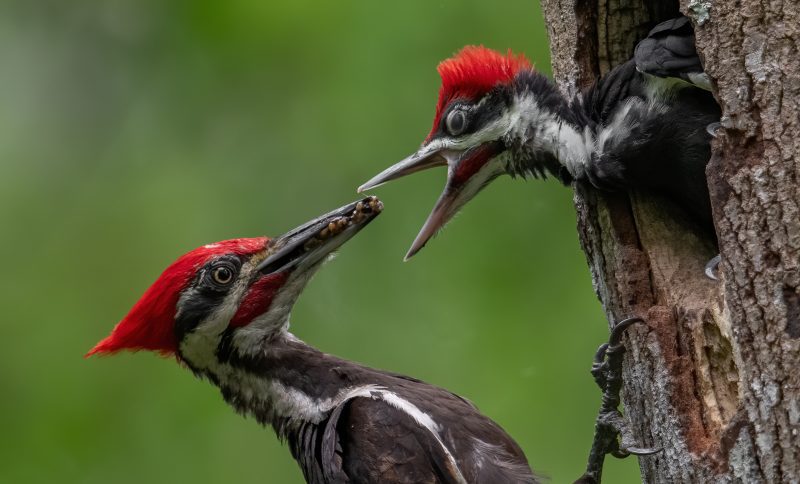
Birds that primarily feed on insects are known as insectivorous. These birds play a critical role in controlling insect populations. Species like swallows, warblers, and woodpeckers are perfect examples. They have sharp beaks and agile flight patterns, ideal for catching insects mid-air or picking them off from bark and leaves. Observing these birds can be a delight, especially when they’re in action.
Herbivorous Birds
On the other end of the spectrum are the herbivorous birds. These feathered friends feed on a variety of plant materials, including seeds, leaves, and even nectar. Pigeons, parrots, and finches are classic herbivores. They have beaks designed to crack open seeds or sip nectar, showcasing nature’s ingenuity in adapting to available food sources.
Carnivorous Birds
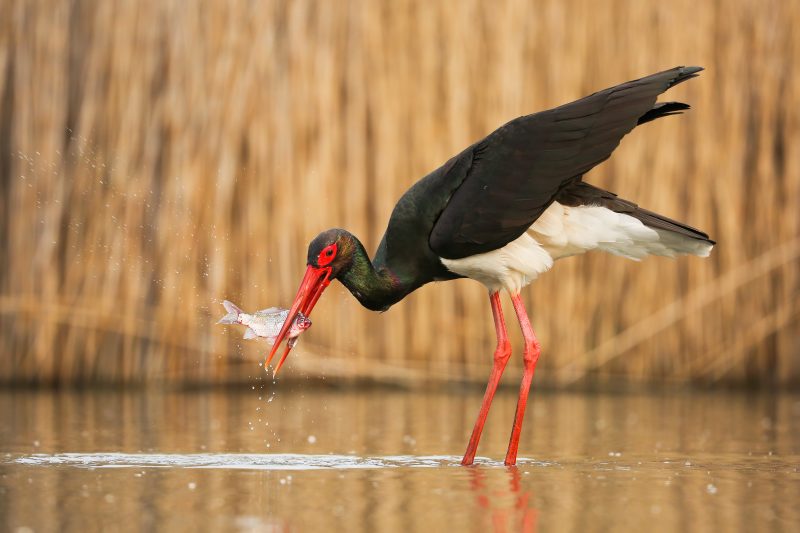
Carnivorous birds, such as eagles, hawks, and owls, are the hunters of the avian world. They mainly consume meat, including other birds, small mammals, and fish. These birds are equipped with sharp talons and beaks, perfect for catching and dismembering their prey. The sight of a raptor in action is truly a testament to the raw beauty of nature.

Omnivorous Birds
Omnivorous birds, like crows and ravens, have a varied diet. They are not picky eaters and will feast on both plant and animal matter. This adaptability often makes them successful in a variety of environments, including urban areas. Watching these birds can be fascinating, as their diet changes with the seasons and available resources.
Understanding these classifications allows us to appreciate the diversity in bird diets and the roles different species play in our ecosystem. Next time you’re out birdwatching, pay attention to what the birds are eating – it tells a story of survival and adaptation!

Specialized Bird Diets
Nectarivorous Birds
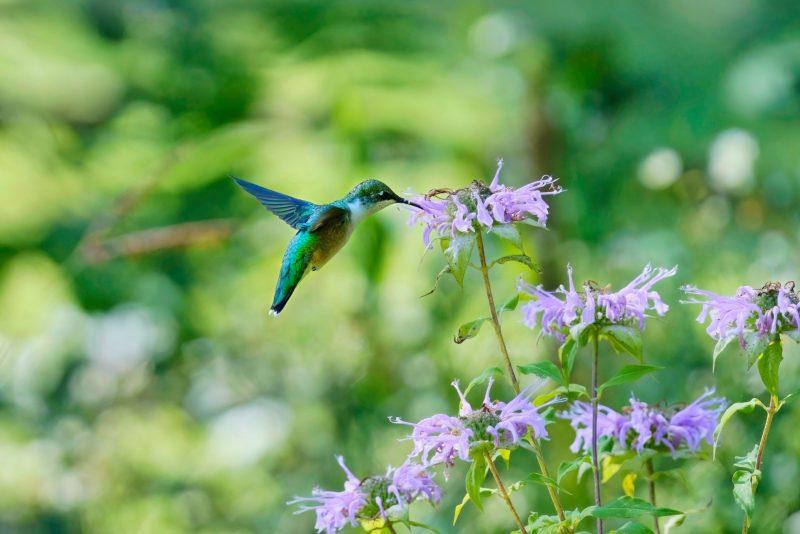
Nectarivorous birds, which include enchanting hummingbirds and sunbirds, are a delightful group to observe. These tiny dynamos have evolved to feed on nectar from flowers, playing a pivotal role in pollination. They have long, slender beaks and specialized tongues designed for sipping nectar, a perfect example of nature’s precision engineering. Watching them hover mid-air, flitting from flower to flower, is a birdwatcher’s delight.
Frugivorous Birds
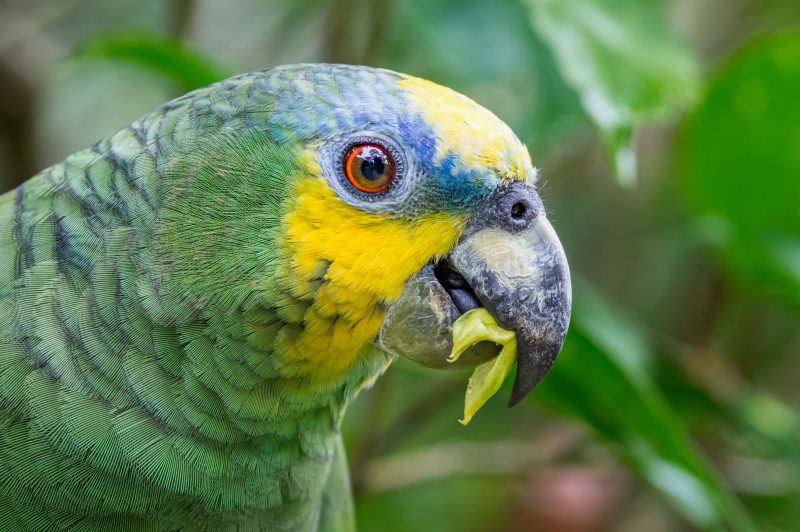
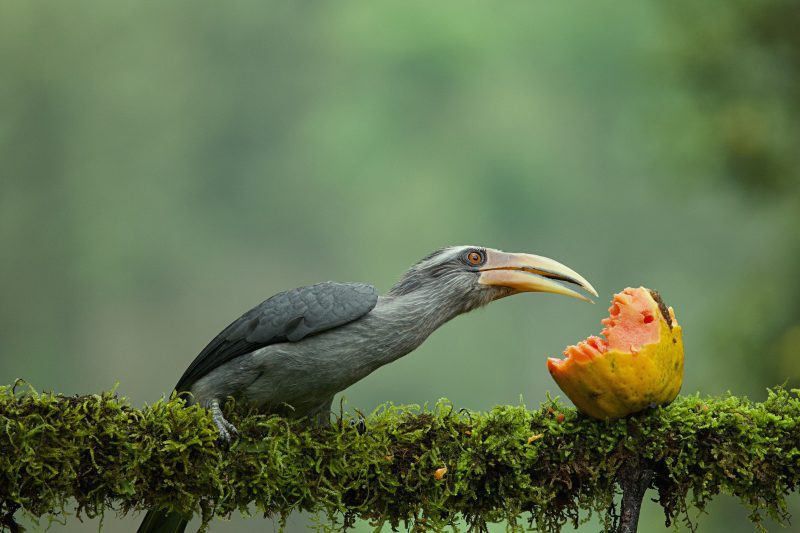
Frugivorous birds, such as toucans, hornbills, and many parrots, have a diet primarily consisting of fruits. These birds often have strong, curved beaks to deal with tough fruit skins. Their feeding habits are crucial for seed dispersal, aiding in forest regeneration. Observing these birds is not only colorful but also underscores their role in maintaining healthy forests.
Granivorous Birds
Granivorous birds, like sparrows, doves, and finches, primarily feed on seeds. They typically have short, stout beaks ideal for cracking open seeds. These birds are often seen foraging on the ground or at bird feeders, offering a delightful view from our windows. Their feeding patterns play a significant role in shaping the plant life in their habitats.
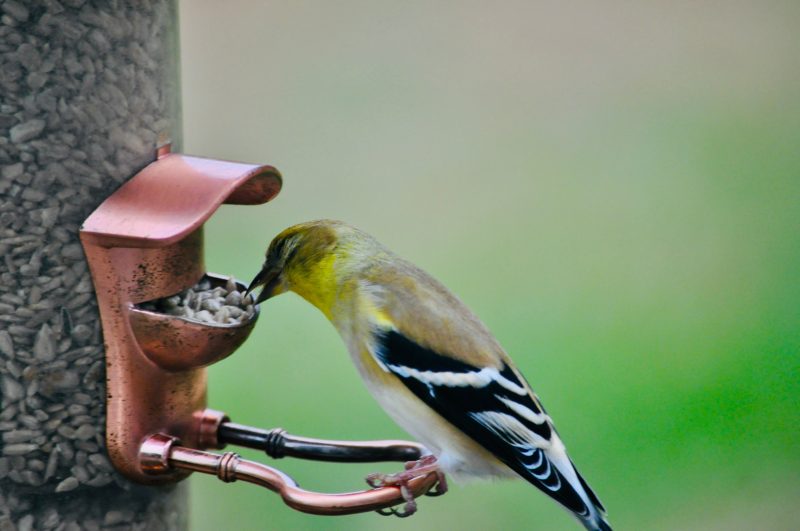
Each specialized diet showcases a unique adaptation and interdependence with the environment. Next time you spot these birds, take a moment to appreciate their specialized roles in our natural world. Their diets not only define their survival but also contribute significantly to the ecological balance.
Factors Influencing Bird Diets
Geographic Location
The geographical location of birds significantly influences their diet. Birds residing in tropical regions, for instance, have access to abundant fruits and insects year-round. In contrast, those in temperate zones might switch between insects, seeds, or fruit depending on what’s available seasonally. Coastal birds, like gulls and puffins, often have diets rich in fish and marine life. Observing birds in different locations offers insights into how geography shapes their eating habits.
Seasonal Changes
Seasonal changes play a pivotal role in bird diets. Many birds adapt their feeding habits to the resources available in different seasons. In spring and summer, insectivorous birds thrive on the abundance of insects. Seeds and fruits become crucial for herbivores and omnivores in autumn and winter. This seasonal shift is fascinating to observe, highlighting the adaptability of these winged wonders.
Human Impact
Human activities have a substantial impact on bird diets. Urbanization and agriculture can change the availability of natural food sources, leading some birds to adapt to human-provided foods. On the other hand, pollution and habitat destruction can limit food resources, posing challenges for bird populations. Being aware of our impact can help us take steps towards creating bird-friendly environments.

As birdwatchers, understanding these factors deepens our appreciation of bird behavior and the challenges they face. It reminds us of the intricate connections between birds and their habitats and the importance of conservation efforts. So, the next time you’re out with your binoculars, consider the many factors influencing what you see on your birdwatching adventure!
Conclusion
As we wrap up our exploration into the diverse and fascinating world of bird diets, it’s clear that what birds eat is more than just a matter of survival. It’s a complex interplay of adaptations, environmental factors, and evolutionary history. From the tiny hummingbird to the majestic eagle, each species has unique dietary habits that reflect its role in the ecosystem.
For us birdwatchers, understanding these diets enhances our birding experience. It’s not just about spotting a bird; it’s about witnessing the intricate balance of nature in action. Observing a bird’s feeding behavior can offer clues about its species, health, and the health of the environment.
Moreover, this knowledge carries a responsibility. It reminds us of our impact on these creatures and their habitats. By being mindful of our actions, like preserving natural habitats and being cautious with bird feeders, we contribute to the welfare of the bird populations we so love to observe.
So, the next time you’re out birdwatching, take a moment to appreciate the remarkable dietary diversity of our feathered friends. Each bird, with its unique eating habits, is a vital part of the intricate tapestry of life, contributing to the richness and health of our planet.