

Let’s delve into the fascinating world of migratory birds. These avian wonders, with their incredible journeys, captivate us all. Understanding migratory bird species not only enriches our birdwatching experience but also deepens our appreciation of nature’s marvels.
What are Migratory Birds?
Definition of Migratory Birds
Migratory birds are species that travel from one place to another at regular times of the year. They often travel very long distances. These migrations usually occur due to changes in temperature, food availability, or breeding needs.
Reasons for Migration
Birds migrate for various reasons. Primarily, they seek food and optimal breeding conditions. In colder regions, birds move to warmer areas during winter to find food. Come breeding season, many return to their place of origin. This cycle ensures their survival and success in rearing their young.
The Process of Bird Migration
Types of Migration
Bird migration comes in different forms. Some species engage in long-distance migrations, covering thousands of miles. Others, however, may only travel short distances. There are also birds that migrate partially – not all individuals of the species migrate. Additionally, some birds exhibit irruptive migration, moving only when food supplies in their usual habitat are scarce.
Navigational Methods
How do these birds find their way? It’s a mix of incredible natural instincts and environmental cues. Birds use the sun, stars, and Earth’s magnetic field to navigate. They also recognize landmarks like mountains and rivers. This innate ability to navigate vast distances is truly awe-inspiring.
Birdwatching during migration seasons can be a rewarding experience. As we explore these topics, let’s appreciate the remarkable journeys these birds undertake each year.
Challenges Faced by Migratory Birds
Migratory birds face numerous hurdles during their journeys. These challenges range from natural obstacles to human-induced threats. Understanding these difficulties helps us appreciate their resilience and the need for conservation efforts.

Natural Challenges
Nature poses significant challenges for migratory birds. Severe weather conditions, like storms and extreme temperatures, can be detrimental. Predators are another major threat. Birds must constantly be on the lookout for predators, especially when exhausted from long flights. Additionally, finding adequate food and rest stops is crucial for their survival during these arduous journeys.
Human-Induced Challenges
Human activities add to the struggles of migratory birds. Habitat destruction is a significant issue. As forests, wetlands, and grasslands disappear, birds lose vital nesting and feeding grounds. Pollution, particularly plastic and chemical pollutants, harms birds directly and indirectly. Climate change also impacts migratory patterns, altering habitats and food availability.
The resilience of migratory birds is remarkable, yet they are increasingly vulnerable. Our actions can either hinder or help these amazing creatures. As birdwatchers and nature enthusiasts, understanding these challenges is the first step towards making a positive impact.
Notable Migratory Bird Species
The world of migratory birds is vast and diverse. Here, we highlight five notable species, each with its unique migration story. These birds inspire awe with their endurance and navigational skills.
Arctic Tern
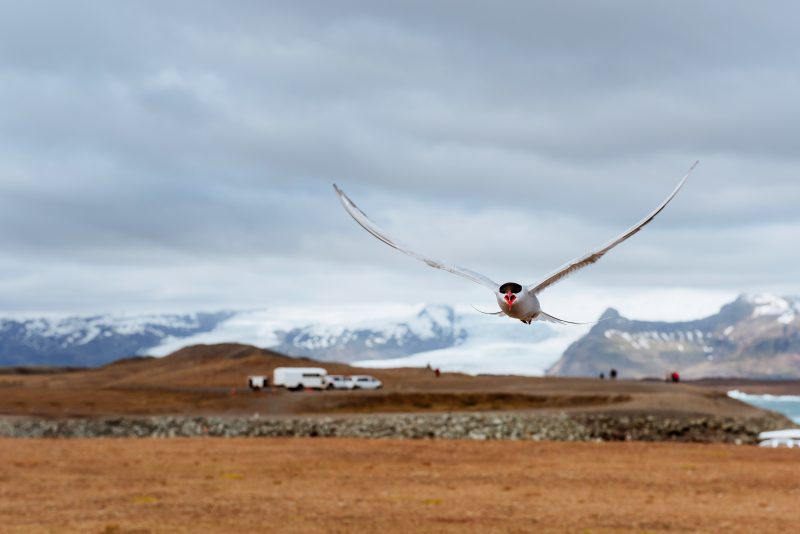
The Arctic Tern is the record-holder for the furthest migration. These birds travel an astonishing distance from their Arctic breeding site all the way to the Antarctic and back each year. This journey can span up to 25,000 miles!
Bar-tailed Godwit
The Bar-tailed Godwit is known for one of the longest non-stop flights. In their migration from Alaska to New Zealand, some of these birds fly over 7,000 miles without stopping. This feat showcases their incredible stamina and endurance.

Swainson’s Hawk
Swainson’s Hawks undertake a lengthy migration from North America to South America. These birds are remarkable for their group migration habits, often seen soaring in large flocks called “kettles” that can number in the thousands.

Ruby-throated Hummingbird
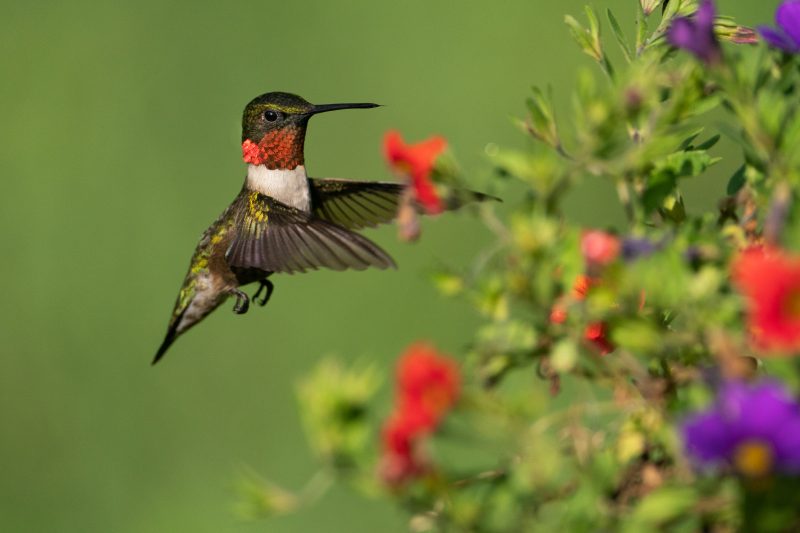
Despite its small size, the Ruby-throated Hummingbird makes a significant journey. These tiny birds migrate between Central America and Eastern North America, crossing the Gulf of Mexico in a single, non-stop flight that can take up to 18 hours.
Blackpoll Warbler
The Blackpoll Warbler’s migration is notable for its high-altitude, transoceanic journey. These birds fly from North America to South America, covering around 2,500 miles over open ocean. This journey is a remarkable endurance test for such a small bird.
Each of these species tells a unique story of survival and adaptability. Their migratory journeys are a testament to the wonders of the natural world, captivating birdwatchers and nature lovers alike.

Conservation Efforts
The conservation of migratory birds is a global concern, requiring collaborative efforts to ensure these species continue to grace our skies. Governments, organizations, and individuals play critical roles in protecting these birds.
International Agreements and Policies
Several international agreements and policies aim to protect migratory birds. For example, the Migratory Bird Treaty Act is a cornerstone in the U.S. for bird conservation, prohibiting the hunting and trading of migratory birds. The Ramsar Convention, an international treaty, focuses on the conservation and wise use of wetlands, crucial habitats for many migratory bird species. These policies provide legal frameworks, but their effectiveness depends on the commitment of participating countries and the enforcement of laws.
Role of Bird Sanctuaries and Conservation Organizations
Bird sanctuaries and conservation organizations are vital for the protection of migratory birds. Sanctuaries offer safe havens for birds during their migrations, providing essential resources like food and shelter.
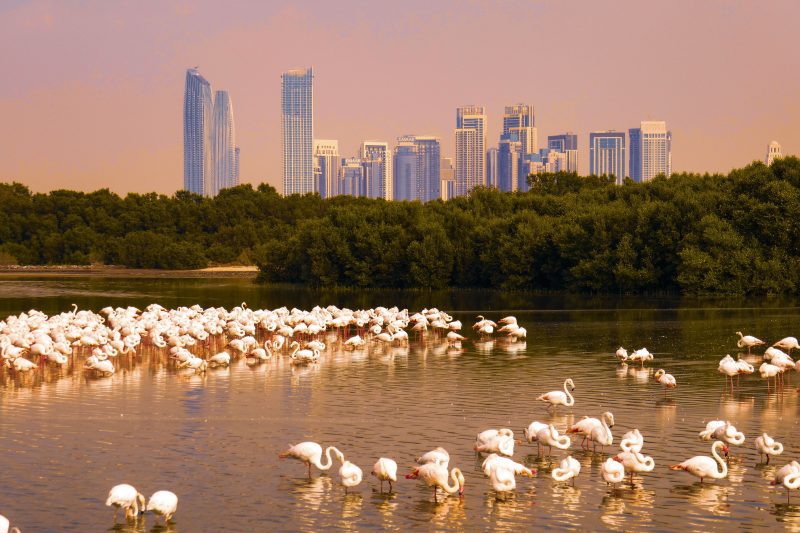
Organizations such as BirdLife International and the Audubon Society actively work in research, conservation, and education. They also engage in habitat restoration and lobbying for bird-friendly legislation. These efforts are crucial in mitigating the loss of natural habitats and countering other threats faced by migratory birds.
The Role of Citizen Science
Citizen science plays a vital role in the conservation of migratory birds. Engaging the public in scientific research helps gather essential data and fosters a deeper connection with nature.
Birdwatching and Data Collection
Birdwatching is not just a hobby; it’s a vital part of citizen science. Birdwatchers collect data on bird sightings, behavior, and migration patterns. This information contributes to large databases, helping scientists track changes in bird populations and migrations. Platforms like eBird and Project FeederWatch allow anyone to contribute valuable data. This participation is crucial for understanding and protecting migratory bird species.
How Individuals Can Help
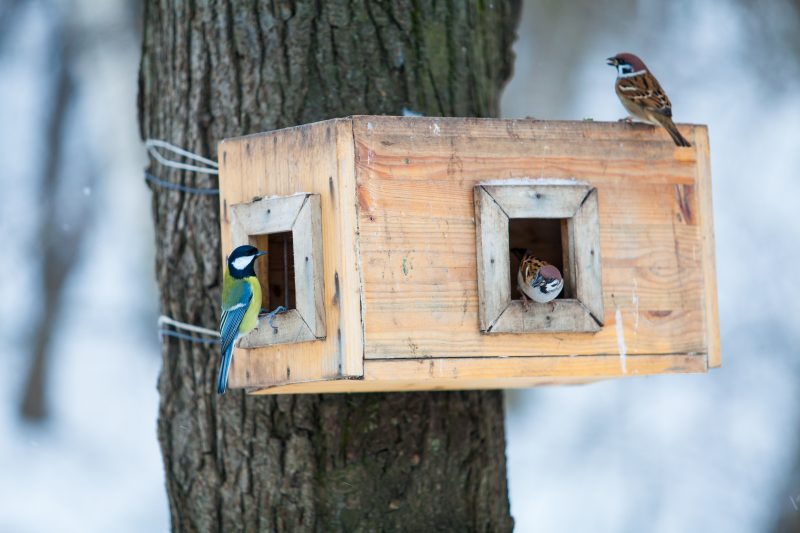
People can contribute to the conservation of migratory birds in various ways. Creating bird-friendly environments, such as planting native plants and providing bird feeders, helps support birds in urban and suburban areas. Reducing window collisions and keeping cats indoors are simple yet effective steps. Contributing to conservation organizations financially or through volunteer work also makes a significant impact. Every action, big or small, contributes to the global effort to protect these remarkable creatures.
The collaboration between conservation efforts and citizen science is key to ensuring the survival of migratory bird species. As birdwatchers and nature enthusiasts, our collective actions and observations can make a meaningful difference in safeguarding these avian wonders for future generations.
Conclusion
In exploring the world of migratory birds, we uncover stories of remarkable journeys, resilience, and the interconnectedness of global ecosystems. These avian travelers face numerous natural and human challenges, yet continue to inspire and amaze us with their annual migrations. Our role in their conservation is critical.
We can make a significant difference through international policies, conservation efforts, and the invaluable contribution of citizen science. Whether we are avid birdwatchers or casual nature enthusiasts, each of us has the power to impact the future of these incredible species. Let’s continue to marvel at their journeys, contribute to their conservation, and pass on the legacy of a world rich in avian diversity.
References
For additional reading and to deepen your understanding of migratory birds and their conservation, consider exploring the following resources:
- “The Wonder of Bird Migration: The Incredible Journey” by Stanley Cramp.
- BirdLife International (www.birdlife.org): A global partnership of conservation organizations focused on birds.
- The Audubon Society (www.audubon.org): Dedicated to the protection of birds and their habitats.
- “Flight Paths: A Field Journal of Hope, Heartbreak, and Miracles with New York’s Bird People” by Darryl McGrath.
- eBird (www.ebird.org): A platform for birdwatchers to submit observations and contribute to scientific research.
- The Ramsar Convention on Wetlands (www.ramsar.org): An international treaty for the conservation and sustainable use of wetlands.
- “Living on the Wind: Across the Hemisphere with Migratory Birds” by Scott Weidensaul.
- Project FeederWatch (feederwatch.org): A citizen science project focused on birds visiting feeders in North America.
These resources provide a wealth of information and offer ways for everyone to get involved in the fascinating world of migratory birds and their conservation.