

Australia, renowned for its unique biodiversity, is home to many avian species, including an impressive array of birds of prey. These majestic raptors dominate the skies, embodying the raw power and grace of the natural world. Each species forms a part of the intricate tapestry of Australia’s ecosystems, from the iconic Wedge-tailed Eagle to the stealthy Peregrine Falcon.
In this article, we venture into a captivating journey to uncover the lives of ten extraordinary birds of prey native to Australia. By exploring their habitats, behaviors, and conservation statuses, we gain insight into these apex predators’ vital role in shaping Australia’s landscapes.
Delving Into Australia’s Raptors
As we venture into the realm of Australia’s raptors, we’ll uncover the captivating stories behind each species. From the rugged mountains to the coastal cliffs, these birds have adapted to thrive in diverse environments across the continent. Join us as we unravel the mysteries of their hunting strategies, nesting habits, and interactions with other wildlife.
Through this exploration, we’ll gain a deeper appreciation for the interconnectedness of Australia’s ecosystems and the importance of conserving these magnificent birds for future generations.
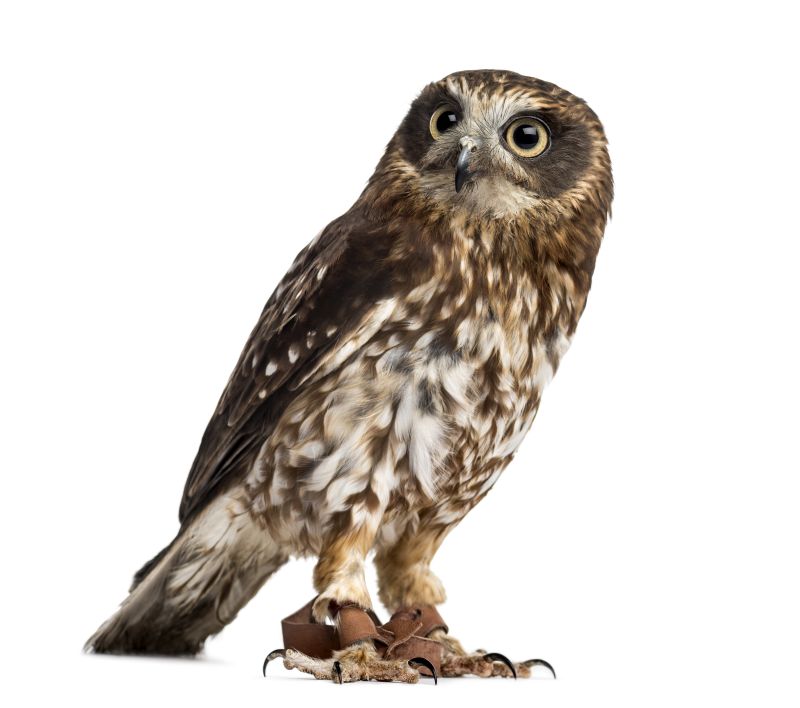
1. Southern Boobook: The Nighttime Hunter
The Southern Boobook, also known as the Mopoke, is a small and elusive owl species that thrives in Australia’s forests and woodlands. With its haunting call echoing through the night, the Boobook embodies the mystery and enchantment of the nocturnal world. This adaptable hunter preys on small mammals, birds, and insects, using its keen hearing and silent flight to ambush unsuspecting prey.
Despite its widespread distribution, habitat loss and fragmentation pose significant threats to the Southern Boobook’s survival. Conservation efforts focus on preserving and restoring native woodlands to ensure the continued presence of this charismatic owl in Australia’s landscapes. Additionally, initiatives such as establishing artificial nest boxes provide nesting sites in areas where natural hollows are scarce. Public awareness campaigns teach communities about the importance of protecting these owls and their habitats, fostering a sense of stewardship for the Southern Boobook’s conservation.
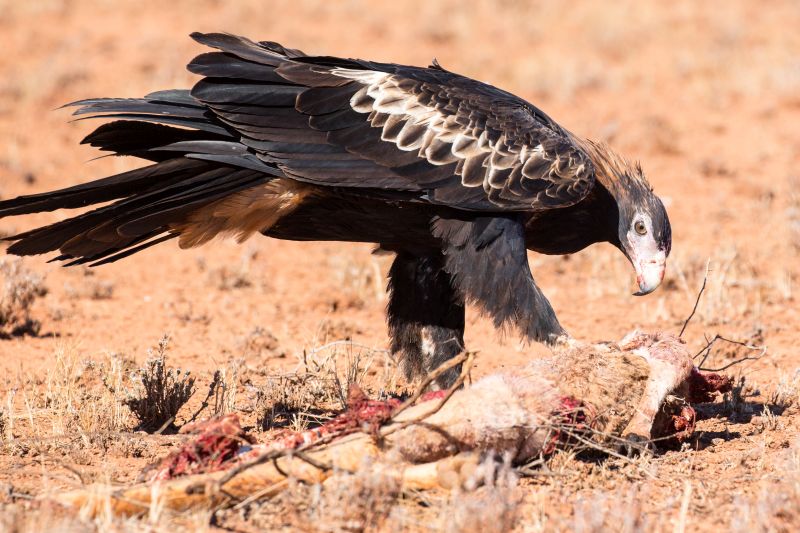
2. Wedge-tailed Eagle: Master of the Skies
The Wedge-tailed Eagle, Australia’s largest bird of prey, reigns supreme as the undisputed ruler of the skies. With its impressive wingspan of up to 2.84 meters (9.3 feet) and keen eyesight, this majestic eagle commands respect as it soars effortlessly above the vast Australian landscape. Feeding primarily on carrion, the Wedge-tailed Eagle plays a pivotal role in cleaning up the environment by disposing of carcasses. However, it is also an opportunistic hunter, preying on small mammals, birds, and reptiles.
Although protected by law, habitat loss due to land clearing, collisions with vehicles, and poisoning from baits intended for pest species remain significant threats to the species. Conservation efforts aim to alleviate these threats through habitat restoration, targeted conservation actions, and community education programs. By safeguarding the habitats and populations of the Wedge-tailed Eagle, conservationists strive to ensure the continued presence of this iconic Australian bird in the country’s skies for generations to come.
3. Australian Hobby: Agile Aerial Hunter
The Australian Hobby, a small falcon species, is renowned for its agility and speed in flight. Found across various habitats, including woodlands, grasslands, and urban areas, this adaptable hunter preys on small birds, insects, and occasionally bats. With its streamlined body and sharp talons, the Australian Hobby is a formidable aerial predator, capable of executing swift and precise maneuvers to capture its prey mid-flight.
Despite its widespread distribution, the Australian Hobby faces threats such as pesticide exposure, habitat loss and persecution by humans. Conservation efforts focus on preserving suitable habitats, raising awareness about the significance of these birds in controlling pest species, and implementing measures to minimize human disturbance in nesting areas.
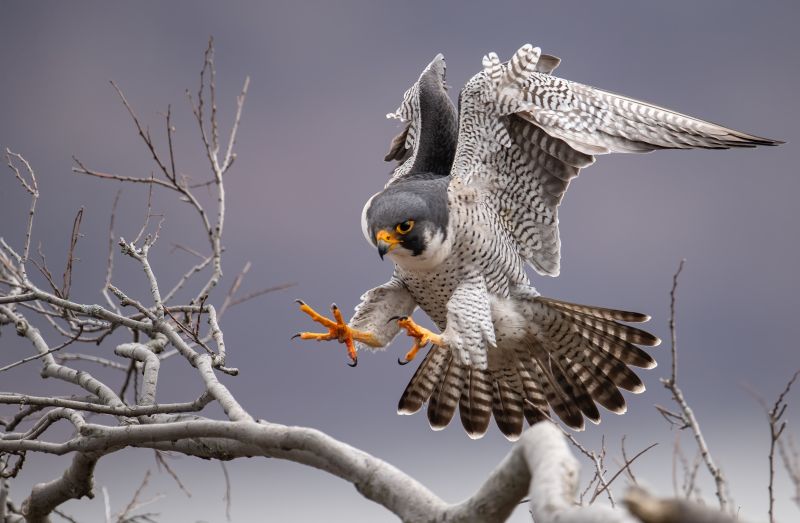
4. Peregrine Falcon: Speedy Skydiver
The Peregrine Falcon, renowned for its incredible speed and aerial hunting prowess, is one of the fastest animals on Earth. With dive speeds exceeding 240 miles per hour (386 kilometers per hour), the Peregrine Falcon is a masterful hunter, preying on medium-sized birds in mid-air ambushes.
Found in a wide range of habitats, including coastal cliffs, urban areas, and open landscapes, this adaptable falcon has thrived despite human encroachment on its habitat. However, pesticide contamination, habitat loss, and disturbance at nesting sites remain significant threats to the species.
Conservation efforts focus on monitoring population trends, protecting nesting sites, and implementing measures to mitigate human-induced disturbances, such as limiting access to sensitive areas during the breeding season.
5. Brown Falcon: The Opportunistic Hunter
The Brown Falcon, a medium-sized raptor with distinctive brown plumage and striped markings, is a versatile hunter found across a variety of open habitats, including grasslands, farmlands, and deserts. This opportunistic predator feeds on a wide range of prey, including insects, small mammals, reptiles, and birds, often hunting from perches or by hovering in mid-air before swooping down on its quarry.
Despite its adaptability, the Brown Falcon faces threats such as habitat loss, poisoning from pesticide exposure, and collisions with vehicles and power lines. Conservation efforts aim to protect and restore suitable habitats, increase awareness about the importance of these birds in controlling pest species, and implement measures to mitigate human-induced threats to their survival.
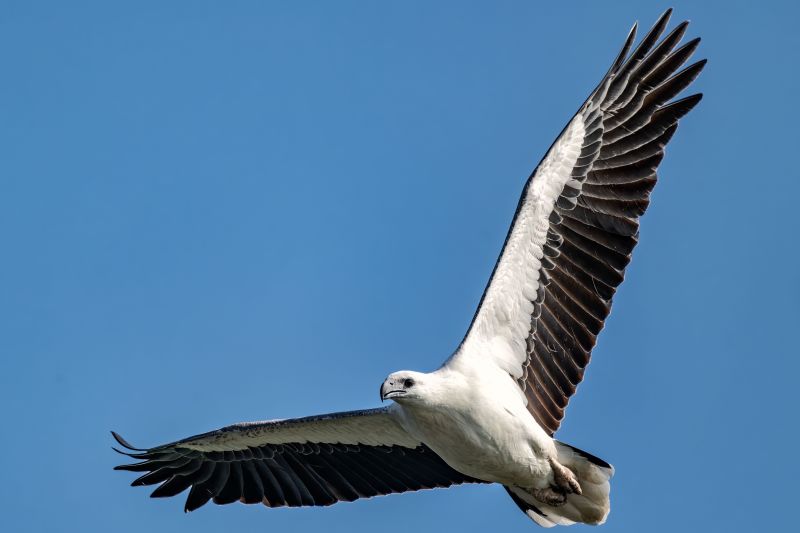
6. White-bellied Sea Eagle: Coastal Guardian
The White-bellied Sea Eagle, with its striking white head and tail contrasting against a dark body, is a majestic sight along Australia’s coastlines and inland waterways. As its name suggests, this impressive raptor is closely associated with aquatic habitats, where it hunts for fish and crustaceans and occasionally scavenges on carrion. With its sharp beak and powerful talons, the White-bellied Sea Eagle is a formidable predator, capable of snatching prey from the water’s surface or diving steeply to catch fish in its talons.
Though relatively widespread, habitat degradation, pollution, and disturbance from human activities present significant threats to the species. Conservation efforts focus on protecting key nesting sites, reducing human disturbance in sensitive areas, and raising awareness of the importance of preserving coastal ecosystems for the White-bellied Sea Eagle and other wildlife.
7. Black-breasted Buzzard: Unusual Foraging Specialist
The Black-breasted Buzzard, with its striking black breastband and distinctive facial markings, is a unique raptor species found in Australia’s arid and semi-arid regions. Unlike other birds of prey, the Black-breasted Buzzard has evolved specialized foraging techniques, including using rocks to crack open eggs and small vertebrates. This unusual behavior demonstrates the species’ remarkable adaptability to harsh and unpredictable environments.
Regardless of its adaptability, habitat loss, poisoning from pesticide exposure, and collisions with vehicles remain significant threats to the Black-breasted Buzzard’s survival. Conservation efforts aim to protect and restore suitable habitats, mitigate human-induced threats, and study the species’ behavior and ecology to inform effective conservation strategies.
8. Osprey: Master Fisher of the Wetlands
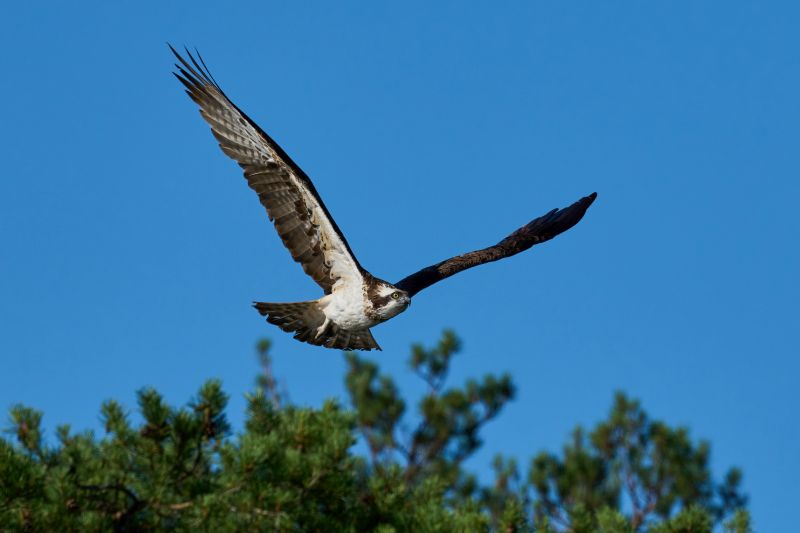
The Osprey, also known as the Fish Hawk, is a distinctive raptor species with a white head, dark brown back, and prominent hooked bill. As its name suggests, the Osprey is a specialized fish hunter found near coastal areas, rivers, and lakes, where it dives from great heights to catch fish with its powerful talons. This remarkable fishing prowess makes the Osprey a key indicator species for the health of aquatic ecosystems.
While relatively widespread, habitat degradation, pollution, and disturbance from human activities pose substantial threats to the species. Conservation efforts focus on protecting key nesting sites, reducing human disturbance in sensitive areas, and implementing measures to diminish threats like habitat loss and pollution.
9. Grey Goshawk: Stealthy Forest Predator
The Grey Goshawk, with its sleek grey plumage and piercing yellow eyes, is a stealthy predator found in Australia’s forests and woodlands. This medium-sized raptor preys on a variety of small mammals, birds, and reptiles, using its agile flight and sharp talons to ambush its prey from concealed perches.
Despite its widespread distribution, habitat loss, fragmentation, and competition with other predators pose significant threats to the Grey Goshawk’s survival. Conservation efforts focus on preserving and restoring native forests, creating corridors to connect fragmented habitats, and implementing measures to reduce human disturbance in nesting areas. Public awareness and educational initiatives are also pivotal in cultivating appreciation for the Grey Goshawk and advocating for its conservation.
10. Black Kite: Urban Scavenger
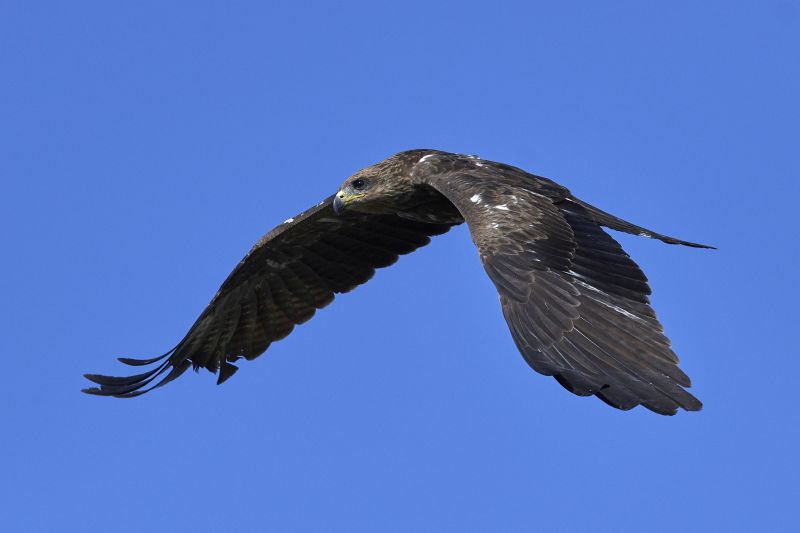
The Black Kite, with its distinctive forked tail and graceful flight, is a common sight in both urban and rural areas across Australia. This adaptable raptor is primarily a scavenger, feeding on carcasses, insects, and discarded food scraps. With its keen eyesight and agility in flight, the Black Kite plays a crucial role in cleaning up the environment by disposing of organic waste. However, habitat loss, poisoning from pesticide exposure, and collisions with vehicles remain significant threats to the species.
Conservation efforts focus on raising awareness regarding the importance of these birds in waste management, implementing measures to reduce human-wildlife conflicts, and protecting nesting sites in urban and peri-urban areas. Through collaborative efforts to mitigate these challenges, we can secure the enduring presence of the Black Kite in Australia’s skies for future generations.
Conclusion
In conclusion, Australia’s diverse array of birds of prey serves as a testament to the country’s rich biodiversity and the resilience of its ecosystems. From the Southern Boobook haunting the night to the majestic Wedge-tailed Eagle ruling the skies, each species plays a unique and vital role in maintaining the balance of nature. However, these magnificent raptors face numerous threats, including habitat loss, pollution, human disturbance, and climate change.
Conservation efforts must be intensified to safeguard the future of Australia’s birds of prey. This requires collaboration between governments, conservation organizations, scientists, and local communities to protect and restore habitats, mitigate human-induced threats, and raise awareness about the importance of these apex predators.
By taking action to conserve Australia’s raptors, we ensure the survival of these legendary species and preserve the integrity and health of Australia’s ecosystems for future generations to enjoy. Together, we can secure a brighter future where birds of prey continue to soar across the Australian landscape, symbolizing the resilience and beauty of the natural world.