

Welcome to the majestic landscapes of Greenland, a birdwatcher’s paradise where the skies are patrolled by some of the most awe-inspiring birds of prey in the world. This vast, icy realm, largely untouched by human development, offers a unique backdrop for observing these magnificent creatures in their natural habitat. From the powerful gyrfalcon to the elusive snowy owl, Greenland’s avian predators embody the wild spirit of this rugged land.
Greenland’s ecosystem is as diverse as it is stunning, providing a home to a variety of birds of prey, each adapted to thrive in the challenging Arctic conditions. These birds play a pivotal role in maintaining the ecological balance, serving as both predators and indicators of the health of their environment. For birdwatchers, Greenland offers an unparalleled opportunity to witness the majesty of these birds up close, against the breathtaking vistas of glaciers, fjords, and endless horizons.
Embarking on a birdwatching journey in Greenland is not just about the thrill of spotting rare and beautiful species; it’s an adventure into one of the last true wildernesses on Earth. Whether you are an experienced birder or new to the hobby, the experience of observing Greenland’s birds of prey in their natural setting is unforgettable. So, grab your binoculars, and let’s explore the skies of Greenland together, where every glance upward brings the chance of a remarkable sighting.
1. The Gyrfalcon
The gyrfalcon is the biggest of the falcon species and reigns supreme under the Arctic sky. Its plumage ranges from a dark slate to a snowy white, mirroring the landscapes over which it soars. Spotting a gyrfalcon in Greenland is a moment of pure exhilaration. These birds are masters of the hunt, swooping down at incredible speeds to capture their prey. They favor open landscapes, making Greenland’s sparse tundra and rocky coastlines the perfect backdrop for their aerial acrobatics.
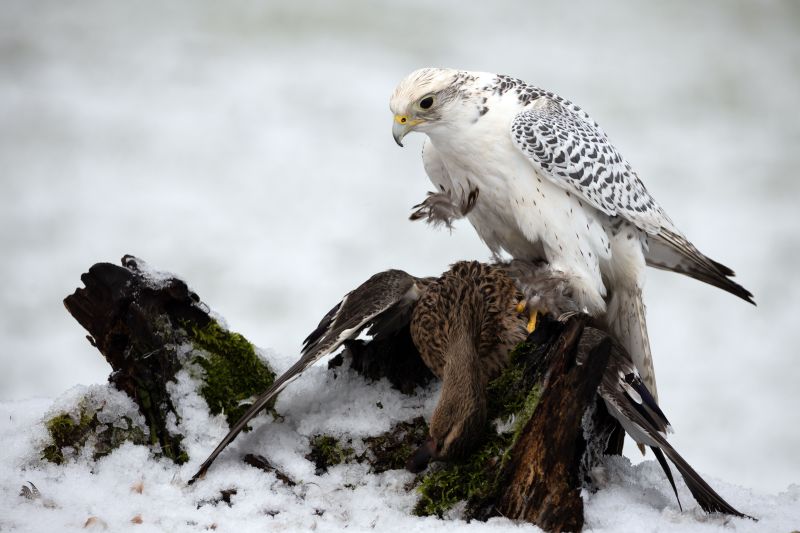
For birdwatchers, the gyrfalcon represents a rare and prized sighting. Their nests, often perched high on cliff faces, can be challenging to locate. However, the effort is well worth it. Observing a gyrfalcon glide over the ice fields, with its powerful wings beating against the crisp Arctic air, is a spectacle of nature’s prowess. Remember, patience and respect for these birds’ natural behaviors are key. Disturbing their habitats or approaching nests too closely can cause unnecessary stress for these majestic creatures.
2. The White-tailed Eagle
Behold the white-tailed eagle, a symbol of strength and resilience. With its impressive wingspan and distinctive white tail, this eagle is a sight to behold against Greenland’s rugged landscapes. The white-tailed eagle thrives near water bodies, making Greenland’s intricate network of fjords a prime location for spotting these majestic birds. They are often seen soaring high above the water or perched majestically on a cliffside, scanning the horizon for fish.
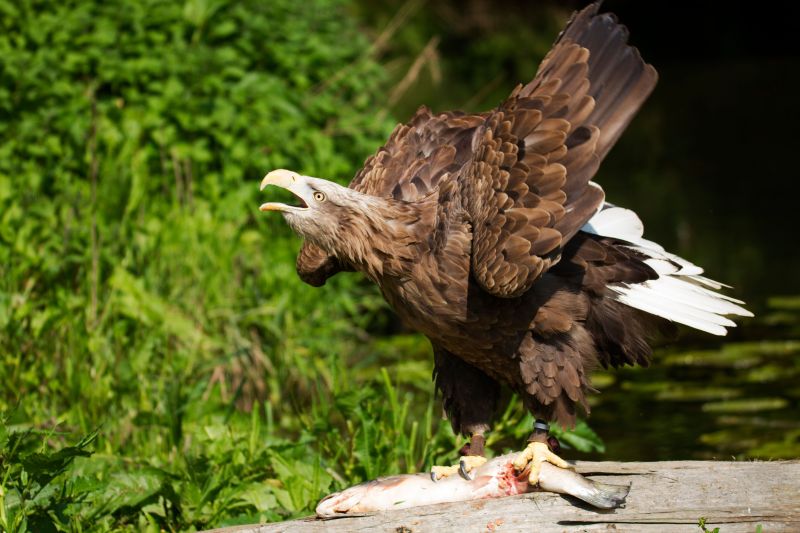
Spotting a white-tailed eagle in the wild is a highlight for any birdwatcher. Their powerful flight and skilled hunting techniques are mesmerizing. Early morning or late afternoon, when these birds are most active, offers the best chances for sightings. Watching a white-tailed eagle dive to pluck a fish from the water’s surface is a testament to the raw beauty and precision of nature. Birdwatchers should keep a respectful distance, using binoculars or telephoto lenses to capture the moment, ensuring these eagles can continue their majestic flights undisturbed.
3. The Peregrine Falcon
Meet the peregrine falcon, a bird whose name is synonymous with speed. Known as the fastest bird in the world, the peregrine can reach speeds over 200 miles per hour during its hunting stoop. In Greenland, these falcons are a thrilling sight, often spotted against the backdrop of vast open skies and rugged terrain. Their sleek body, sharp wings, and distinctive facial markings make them a favorite among birdwatchers.
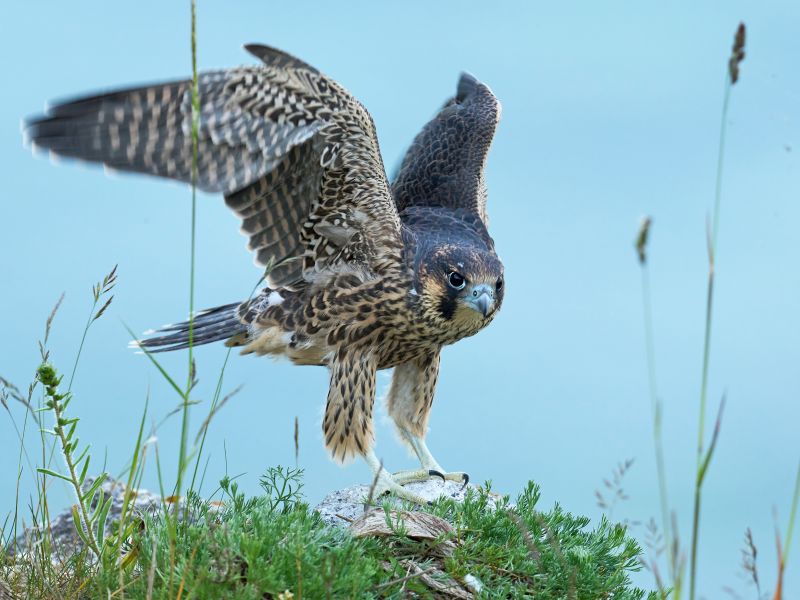
Observing a peregrine falcon in action is an unforgettable experience. These birds favor high perches, from where they launch their breathtaking hunting dives. Early mornings in Greenland provide the perfect setting to watch these falcons in pursuit of their prey. Their incredible speed and agility in the air are not just a display of nature’s design but a spectacle of survival in the wild Arctic. For those lucky enough to witness a peregrine falcon at rest, its piercing gaze and proud stature are equally captivating.
4. The Rough-legged Hawk
The rough-legged hawk, a visitor to Greenland during the summer months, is known for its remarkable journey from the southern wintering grounds back to the Arctic for breeding. As suggested by its name, this bird is easily recognizable by its feathered legs, which are adapted to the cold Arctic environment. Its varied plumage of browns, whites, and blacks offers excellent camouflage against the tundra landscape, making spotting one an exciting challenge for birdwatchers.
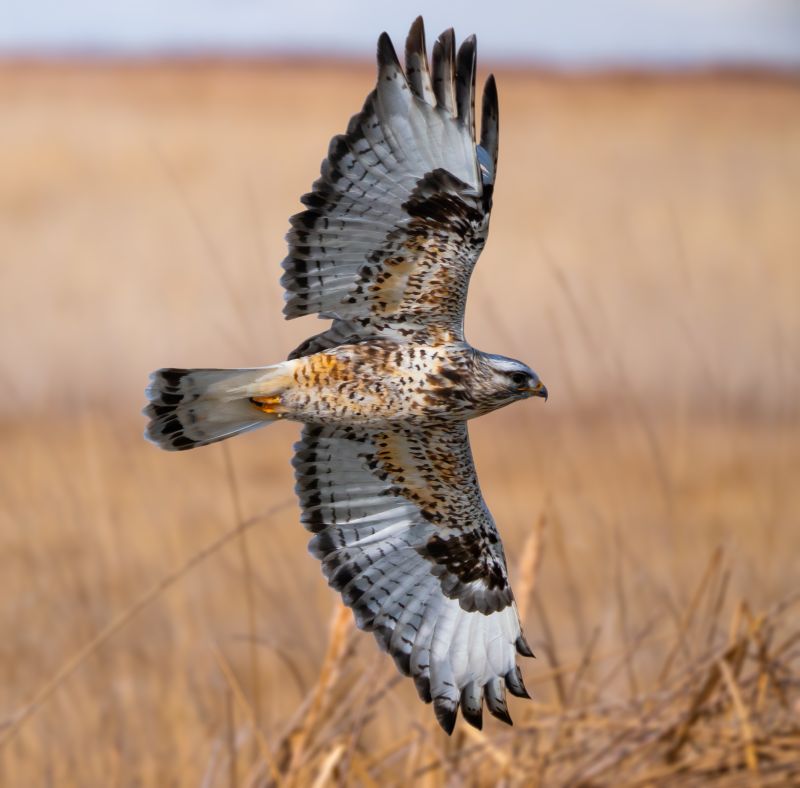
These hawks are most often seen hovering in the air, eyes fixed on the ground below in search of rodents. Their ability to hover, a rare trait among birds of prey, provides fantastic opportunities for observation and photography. The best times to spot the rough-legged hawk in Greenland are during the late spring and summer months when they are most active in their breeding territories. Patience is key, as these birds can suddenly appear from the vast landscape, providing a breathtaking view of their hunting prowess and grace.
5. The Osprey
The osprey, also called the fish hawk, is a master angler. This bird of prey is unique in its almost exclusive diet of fish, making Greenland’s rich coastal waters an ideal hunting ground. Ospreys can be spotted circling high above the water, then diving feet first to catch fish with their sharp talons. Their distinctive white underbelly, brown back, and black eye stripe make them easily identifiable, even from a distance.
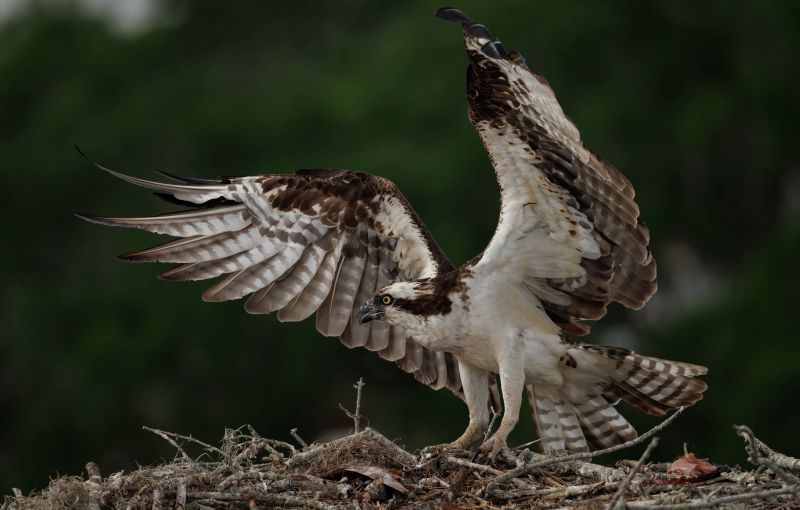
Observing an osprey’s fishing technique is a highlight for any wildlife enthusiast. These birds are known for their dramatic dives, plunging into the water to emerge with a catch. Early morning or late evening, when the water is calm and fish are near the surface, provides the best chance to witness these spectacular hunting dives. For birdwatchers, the sight of an osprey in flight, with wings spread wide and eyes focused on the water below, is an awe-inspiring reminder of nature’s intricacy and beauty.
6. The Snowy Owl
The snowy owl, with its stunning white plumage and captivating yellow eyes, is one of the most iconic birds of the Arctic. These magnificent owls are well adapted to the harsh Greenlandic environment, with their thick feathers providing insulation against the cold. Snowy owls prefer the open, treeless areas of the tundra, where they can be seen perched silently, waiting for the perfect moment to pounce on unsuspecting prey.
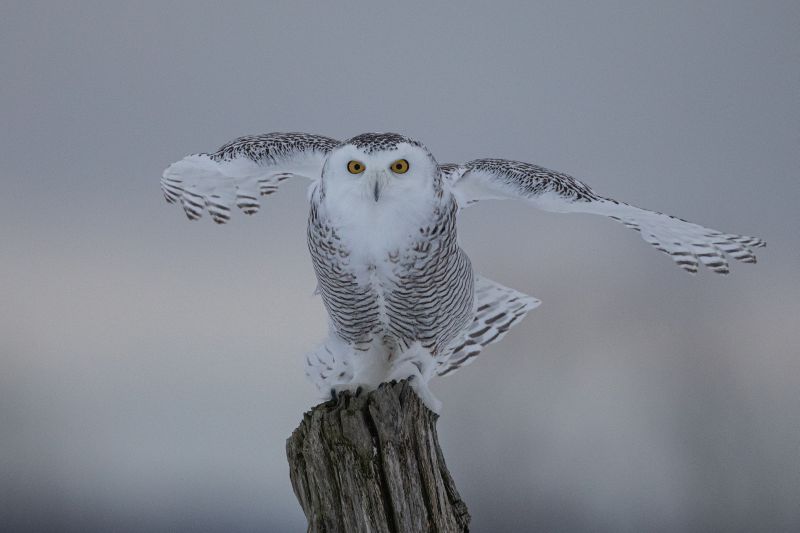
Encountering a snowy owl in its natural habitat is a rare and enchanting experience. Unlike most owls, snowy owls are diurnal, making daytime sightings possible. Their silent flight and sudden strikes on prey demonstrate the snowy owl’s prowess as a top predator in the Arctic. For birdwatchers, the key to observing these majestic birds is to scan the horizon patiently, as their white plumage can blend seamlessly with the snowy landscape. Witnessing a snowy owl in the wild is a magical moment, a true testament to the beauty and mystery of Arctic wildlife.
7. The Eurasian Kestrel
The Eurasian kestrel, a small yet vibrant bird of prey, adds a splash of color to the Greenlandic skies with its striking plumage. This falcon is admired for its agility in the air and its unique hunting behavior, known as “hovering.” With the ability to remain almost motionless in the air before diving down on its prey, the Eurasian kestrel provides a captivating display for birdwatchers. Its diet comprises small mammals, insects, and occasionally small birds, making the open fields and meadows of Greenland perfect hunting grounds.
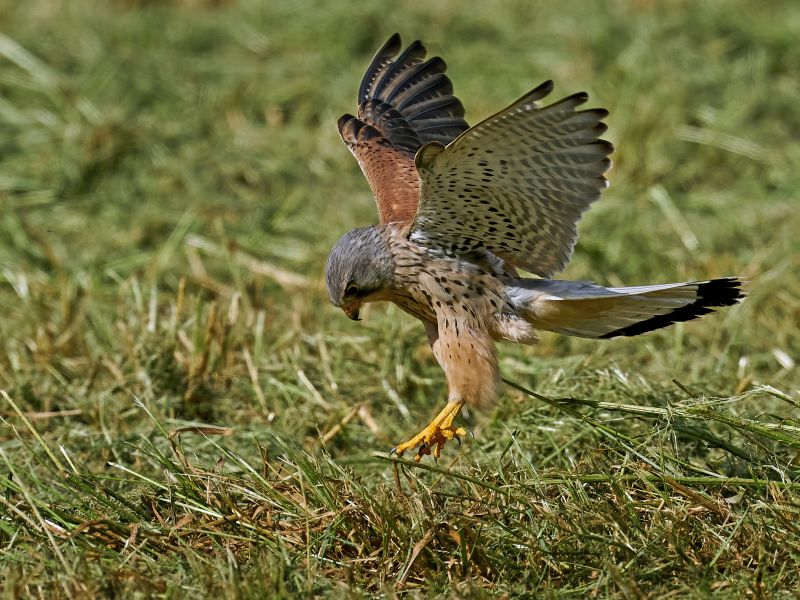
For those keen to spot a Eurasian kestrel, look for areas where these birds can hunt over open land with clear visibility. They are often seen perched on high vantage points, like lone trees or rocks, from where they launch into their characteristic hover. Spotting a kestrel in its hover is a thrilling experience, showcasing the remarkable precision and agility of these small raptors. Their presence in Greenland, although less common than some of the larger birds of prey, is a delightful treat for the observant birdwatcher.
8. The Short-eared Owl
Lastly, the Short-eared Owl, an enigmatic presence in the Greenland tundra, offers a glimpse into the nocturnal side of the Arctic’s avian life. Despite its preference for the dim light of dusk and dawn, this medium-sized owl is often active during the day, especially in the continuous daylight of the Arctic summer. Its mottled brown and tan plumage provides excellent camouflage against the tundra landscape, making it a challenge yet a rewarding sight for bird enthusiasts.
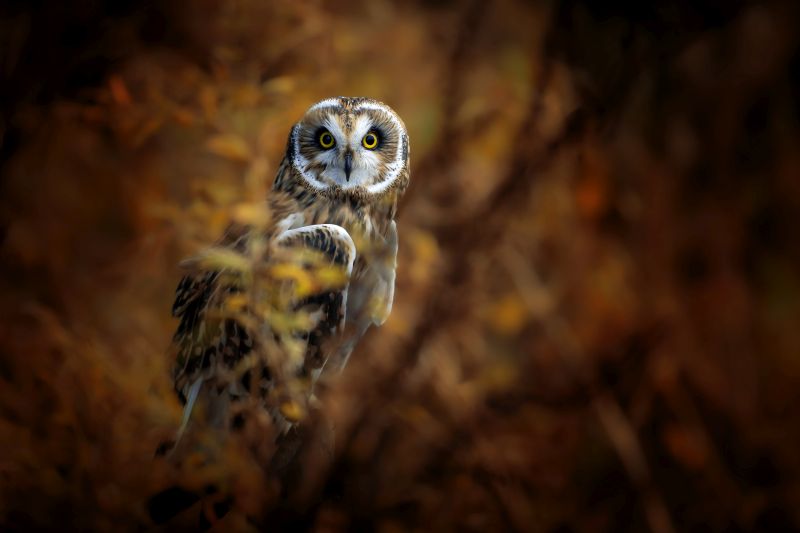
The Short-eared Owl is known for its ground-nesting habits and its remarkable agility in hunting rodents and small birds across the open landscapes. Observing these owls requires a keen eye and patience, as they can suddenly emerge from the underbrush or silently glide over the fields. The sight of a Short-eared Owl in flight, with its distinctive wingbeats and effortless maneuvers, is a testament to the adaptability and resilience of Arctic wildlife. Birdwatchers are encouraged to tread lightly and keep a respectful distance, ensuring these mysterious owls can continue their hauntingly beautiful flights undisturbed.
Conclusion
The birds of prey in Greenland face severe challenges, primarily due to climate change and human activities. These threats impact their habitats, food availability, and breeding sites. Conservation efforts are crucial to mitigate these threats, involving both local and international initiatives to protect critical habitats, promote sustainable practices, and enhance awareness about the importance of these birds.
Research and monitoring play key roles in conservation, helping to understand the needs of these birds and the best strategies for their protection. Birdwatchers can contribute by following ethical birdwatching practices, such as avoiding disturbance to birds and their habitats, and by supporting conservation organizations through donations or volunteer work. By working together, we can help ensure the survival of Greenland’s majestic birds of prey for future generations to admire and study.
The journey through Greenland’s array of birds of prey offers a glimpse into the wild heart of the Arctic. These birds, from the mighty gyrfalcon to the elusive snowy owl, not only captivate us with their beauty and prowess but also remind us of our responsibility towards their preservation. Observing these predators in their natural environment is a privilege that comes with the duty to protect their existence.
As we admire the resilience and majesty of Greenland’s birds of prey, let us also commit to their conservation. Our actions and support for protective measures can make a difference in ensuring that the skies above Greenland continue to host these incredible aviators. Together, we can safeguard the legacy of these remarkable birds, ensuring that they remain a vibrant part of the Arctic ecosystem.