
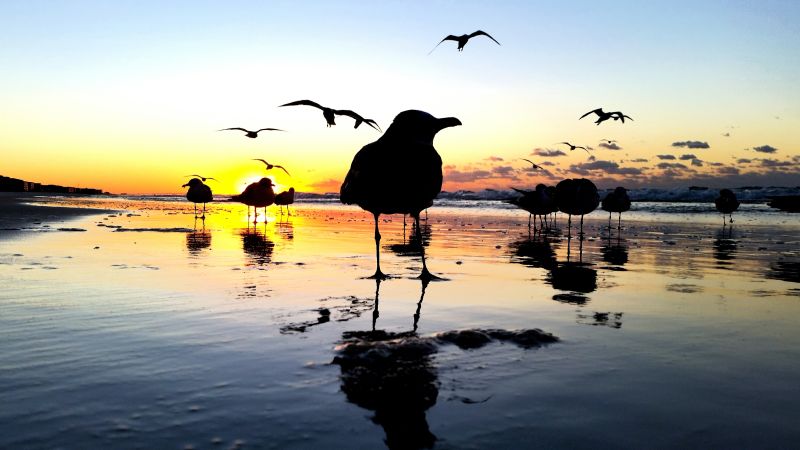
Birdwatching offers a unique and captivating experience. It’s a hobby that connects people with nature and its mesmerizing avian wonders. Every year, countless enthusiasts equipped with binoculars and bird guides embark on this delightful journey. They seek to witness the beauty and incredible variety of birds in their natural habitats.
What is Birdwatching?
Birdwatching, or birding, involves observing birds in their natural environment. It is a pursuit that encourages patience, attentiveness, and a deep appreciation for wildlife. Birdwatchers often record their sightings, noting different species, behaviors, and locations. This hobby can be as simple as watching birds from a backyard or as adventurous as traveling to distant bird sanctuaries.
Benefits of Birdwatching
Engaging in birdwatching brings numerous benefits. It is an activity that promotes physical health through outdoor exploration. Birdwatchers often walk, hike, or even trek to spot different bird species. Mentally, it offers a sense of peace and mindfulness as observers tune in to the sights and sounds of nature. Birdwatching also fosters a greater understanding and appreciation of biodiversity and the value of conservation efforts. For many, it is a way to connect with like-minded individuals, forming communities that share knowledge and experiences.
Understanding Bird Behavior and Seasons
Understanding bird behavior and seasonal changes is crucial to birdwatching success. Birds exhibit unique patterns and habits throughout the year, and these patterns are often influenced by the changing seasons, making certain times more ideal for birdwatching than others.
Bird Migration Patterns
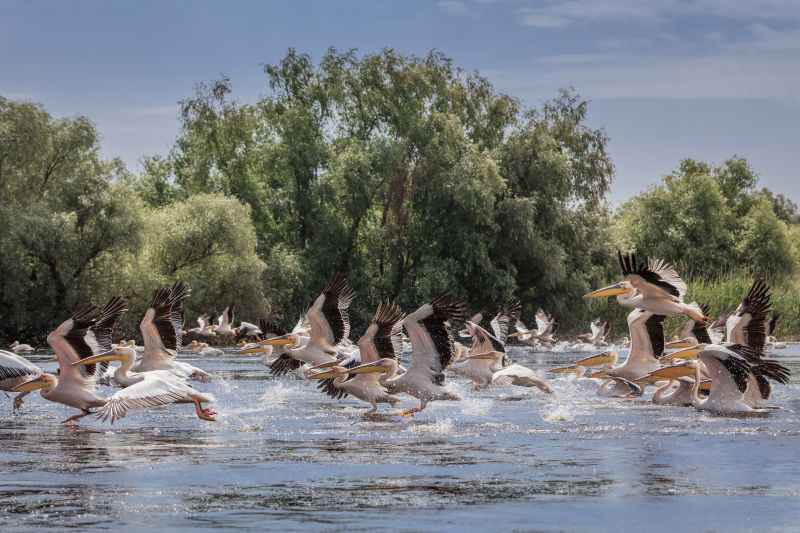
Migration is a remarkable phenomenon in the bird world. Many species travel long distances twice a year. They move between breeding and wintering grounds in response to changing temperatures and food availability. Birdwatchers anticipate these migrations for the opportunity to observe a wide variety of species. Tracking migration patterns enhances the birdwatching experience, revealing when and where to find different birds.
Breeding Seasons and Behaviors
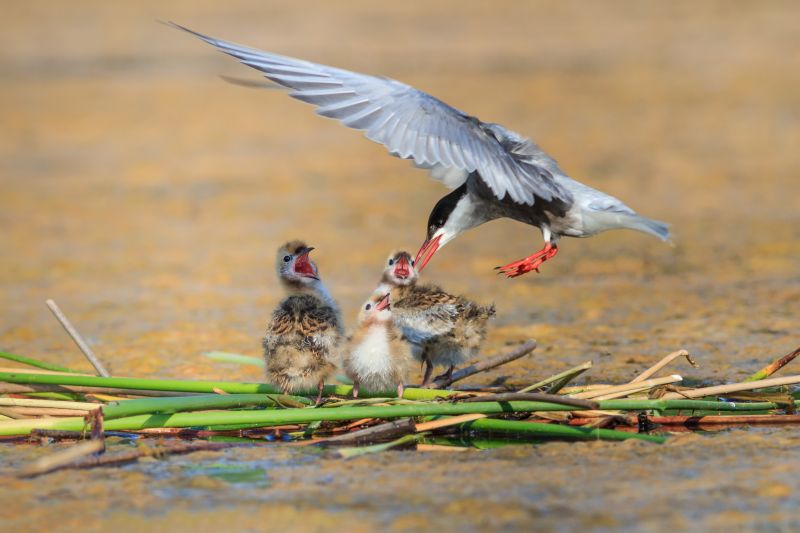
The breeding season is another significant period for birdwatchers. During this time, birds are more active and vocal, making them easier to spot and observe. Bird behaviors such as courtship displays, nest-building, and feeding chicks are fascinating to witness. Each species has its unique breeding timetable and habits, offering birdwatchers a window into the intricate world of avian life cycles. By understanding these patterns, birdwatchers can plan their outings to maximize their chances of observing these special behaviors.
Best Times of the Day for Birdwatching
The time of day significantly influences the chances of successful birdwatching. Birds are most active during certain hours, making these moments ideal for observation.
Early Morning Birdwatching
Dawn is often hailed as the prime time for birdwatching. As the sun rises, birds begin their daily activities. They search for food, sing to establish territories, and interact with mates or fledglings. The early morning light provides excellent visibility, while the tranquil atmosphere enhances the auditory experience of bird calls and songs. Enthusiasts recommend being in position at sunrise or shortly thereafter to catch these early bird activities.
The soft morning light also makes this period perfect for photographing birds. It casts a beautiful glow on the subjects, making their colors appear more vibrant. For many birdwatchers, there is nothing quite like the peace and beauty of a morning spent in nature, accompanied by the chorus of birds.
Late Afternoon to Dusk Observations
The late afternoon and dusk offer another opportune window for birdwatching. As the day cools down, many birds engage in a final bout of feeding and activity before nightfall. This time is perfect for observing birds that may be less active or visible during the heat of the day.
As the sun sets, the lighting renders a unique ambiance, different from the morning but equally enchanting. Some species of birds that are not typically active in the morning may come out during this time, providing a different set of birds to observe. Additionally, nocturnal birds begin to stir as dusk falls, offering a chance to spot owls, nightjars, and other evening species. Birdwatchers find this time of day relaxing and rewarding, a perfect way to wind down while enjoying the spectacle of nature.
Seasonal Considerations in Birdwatching
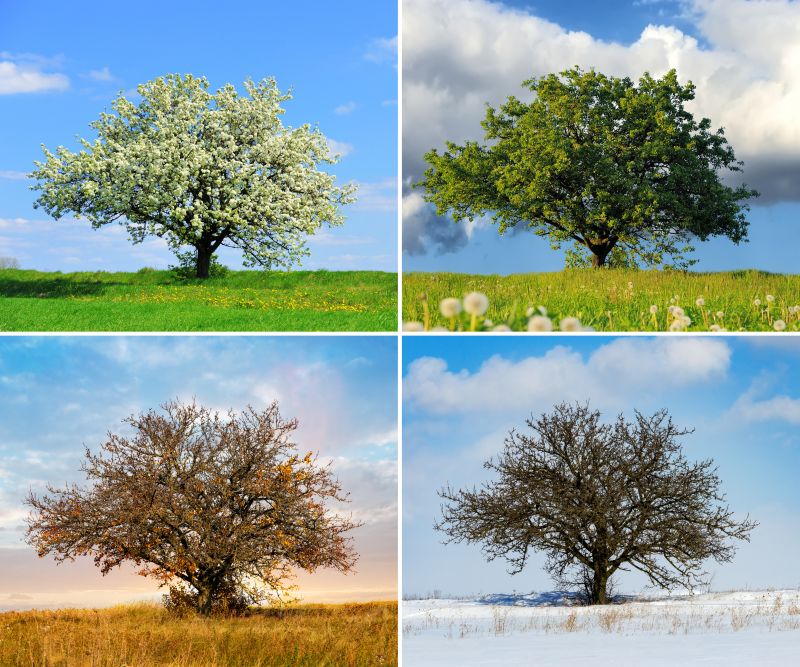
The changing seasons offer varied and exciting opportunities for birdwatchers. Each season brings its own types of birds and behaviors, making birdwatching a year-round activity.
Spring: A Time of Arrival and Activity
Spring is a season of renewal and bustling activity in the bird world. Migratory birds return from their wintering grounds, filling the air with their songs and vibrant colors. This season is perfect for observing courtship rituals, nest building, and the arrival of rare migratory species. The increasing daylight hours and warmer weather also make for comfortable birdwatching conditions. In spring, forests, wetlands, and gardens become lively hubs for bird activity, offering spectacular birdwatching experiences.
Summer: Nesting and Fledging Season
Summer sees birds in full breeding mode. Many species are busy raising their young, making it a great time to observe nesting behaviors and fledgling birds learning to fly. However, the foliage can be denser, making some birds harder to spot. Early mornings and late evenings are particularly fruitful times, as birds actively avoid the midday heat. Summer also offers the chance to see juvenile birds, which can be a delightful challenge to identify due to their different plumages compared to adults.
Autumn: Migration and Preparation
Autumn marks the beginning of migration for many bird species. This season offers a chance to witness large flocks moving southward. It’s an ideal time for spotting rare migratory birds passing through your area. Birds are also preparing for the winter, engaging in feeding frenzies to build up reserves, making them more visible to birdwatchers. Autumn’s changing colors provide a beautiful backdrop for birdwatching, adding to the visual appeal of this activity.
Winter: Resident Birds and Unique Behaviors
Winter may seem quiet, but it provides unique birdwatching opportunities. Resident birds and winter visitors, such as waterfowls and certain raptors, are more visible as the foliage diminishes. Birds congregate around available food sources, making feeders and open water areas excellent birdwatching spots. Winter also allows for the observation of survival behaviors, such as foraging in snow and roosting habits. The stark landscapes of winter can make spotting and identifying birds easier, offering a different but equally rewarding birdwatching experience.
Weather Conditions and Birdwatching
Weather plays a significant role in birdwatching, affecting bird behavior and visibility. Understanding how different weather conditions influence birds can significantly enhance the birdwatching experience.
Impact of Weather on Bird Activity
Birds react to weather changes in various ways. For instance, some birds become more active before a storm, feeding and moving around. This can be an excellent time for observation. Conversely, many birds seek shelter during rain or high winds, making them harder to spot. However, post-storm periods often bring increased bird activity as they emerge to feed and assess their surroundings. Snow can also be advantageous for birdwatchers, as it pushes birds to seek food and can make them easier to spot against the white backdrop.
Different weather conditions also attract different species. Rain can attract water-loving birds, while windy conditions might be ideal for spotting raptors soaring. Birdwatchers should consider these factors when planning their outings and adapt their expectations according to the weather forecast.
Adapting Birdwatching Practices to Different Weather
Adapting to varying weather conditions is key for successful birdwatching. In rainy weather, waterproof gear and protective equipment for binoculars and cameras are essential. On windy days, finding sheltered spots where birds might congregate can lead to fruitful observations. During hot, sunny days, seeking birds in shaded areas or near water sources can be effective.
Being prepared for weather changes is crucial. Layered clothing allows for adjustments to temperature fluctuations throughout the day. It’s also important to stay hydrated and protect oneself from sun exposure during long birdwatching sessions. Understanding and adapting to weather not only ensures comfort but also increases the chances of a rewarding birdwatching experience, regardless of the conditions.
Equipment and Preparation for Birdwatching
Proper equipment and preparation are essential for a successful birdwatching experience. Whether you’re a beginner or an experienced birder, the right gear can make all the difference.
Essential Birdwatching Gear
The most fundamental piece of equipment for birdwatching is a good pair of binoculars. They enhance your ability to spot and identify birds from a distance. When choosing binoculars, consider factors like magnification, lens quality, and weight. A field guide is also invaluable, helping to identify different species and understand their habits. For those interested in recording their sightings, a notebook or a birdwatching app can be handy.
In addition to these basics, consider carrying a camera to capture images of the birds you encounter. A hat and sunglasses protect against the sun, while a sturdy pair of walking shoes or boots ensures comfort and safety during outdoor excursions. Lastly, depending on the weather, appropriate clothing is crucial for staying comfortable during long periods outdoors.
Planning and Research for Successful Birdwatching
Before heading out, doing some research and planning can enrich your birdwatching experience. Familiarize yourself with the birds that are common in your target area and the best times to observe them. Learning about their behaviors, preferred habitats, and vocalizations can make finding and identifying them easier.
Checking the weather forecast is also essential to prepare for the day’s conditions. Additionally, knowing your birdwatching location’s terrain and access points helps you plan your route and the gear you need to bring. Local birdwatching groups or forums can provide valuable insights and tips if you’re visiting a new area. Lastly, always respect wildlife and their habitats, keeping a reasonable distance to avoid disturbing the birds.

Ethical Birdwatching Practices
Ethical birdwatching is about respecting wildlife and their habitats. It ensures the welfare of birds and the sustainability of birdwatching as a hobby.
Respecting Wildlife and Habitat
When observing birds, it’s crucial to maintain a distance that doesn’t disturb them. Avoid approaching nests too closely, as this can stress the birds and potentially lead to the abandonment of eggs or young. Be cognizant of your noise levels and movements, as birds are sensitive to disturbance.
Respecting their habitat is equally important. Stick to designated footpaths to minimize impact on the environment. Avoid trampling vegetation or disrupting the natural setting. Be cautious not to leave any litter behind, as this can harm birds and other wildlife.
Contributing to Bird Conservation Efforts
Birdwatchers can play a significant role in conservation efforts. One way is through citizen science projects, where birdwatchers record and share their sightings. This data is invaluable for monitoring bird populations and trends, contributing to conservation research.
Informing others of the importance of bird conservation is another way to contribute. Sharing your understanding and experiences can inspire others to respect and protect birds and their habitats. Supporting conservation organizations, either through donations or volunteer work, also makes a significant impact.
Ethical birdwatching not only enhances the experience for the birdwatcher but also contributes to the well-being of birds and the environment. It’s about enjoying the beauty of birds while ensuring their preservation for future generations.
Conclusion
Birdwatching is a rewarding activity that connects us with nature and offers a unique perspective on the avian world. It’s an adventure that evolves with every season, each bringing its own charm and set of challenges. Whether you’re rising early to catch the morning chorus or quietly observing the serene activity at dusk, birdwatching can be a profoundly satisfying experience.
This hobby invites us to step outside our daily routines and immerse ourselves in the rhythms of the natural world. It sharpens our senses, increases our awareness of the environment, and enriches our understanding of wildlife. But more than just a pastime, birdwatching is a commitment to the respectful observation and preservation of our feathered friends.
By equipping ourselves with the proper knowledge and gear, understanding the influence of weather and seasons, and adhering to ethical practices, we can all enjoy and contribute to the wonderful world of birdwatching. It’s an activity that beckons us to explore, learn, and connect with the beauty that flies above us every day.