

Birds, those splendid creatures of the air, captivate us with their melodies, colors, and the sheer variety of species. Understanding when birds are most active can transform your birdwatching experience, elevating it from a casual hobby to a thrilling adventure. This knowledge not only enhances your ability to spot more birds but also deepens your appreciation of their behaviors and the rhythms of nature. Whether you’re an early riser or prefer the calm of the evening, there’s a time of day that offers a unique window into the lives of birds. So, grab hold of your binoculars, and let’s embark on a journey to discover when these avian wonders are most likely to delight us with their presence.
Morning Activity: The Early Bird
The break of dawn ushers in a flurry of avian activity, making it one of the best times to engage in birdwatching. As the first light creeps across the sky, a symphony of bird calls permeates the air. This phenomenon, known as the dawn chorus, features birds of many species announcing their presence, staking claims on territory, and signaling their readiness to mate. The early morning is a prime time for birds to feed, taking advantage of the cool temperatures and the abundance of insects that are also active during these hours. The combination of fewer predators and the need to replenish energy after a night of fasting makes the morning an optimal time for birds to be out and about.
Dawn Chorus
The dawn chorus is a birdwatcher’s spectacle. Predominantly composed of male birds, these early morning concerts serve multiple purposes, from attracting mates to warding off rivals. Each species has its own unique call, creating a layered auditory tapestry that is both complex and beautiful. The chorus typically begins well before sunrise and can last several hours, gradually quieting down as the day begins in earnest.
Factors Influencing Morning Activity
Several factors contribute to the high level of bird activity in the morning. The rising sun provides the warmth and light that birds, especially insectivores, need to see and catch their prey. Cooler temperatures make physical exertion less taxing, and the relative quiet of the morning allows birds’ calls to travel farther, ensuring that their songs reach their intended recipients, whether potential mates or rivals.
Midday Lull: The Quiet Hours
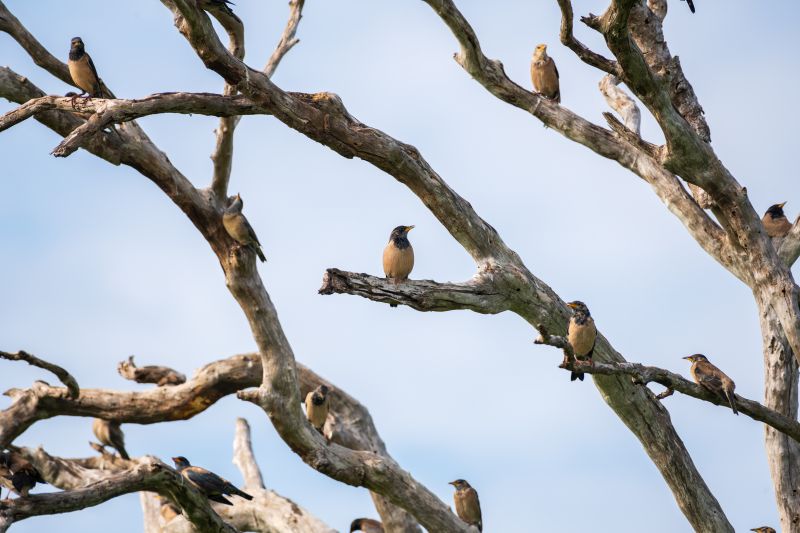
As the sun ascends higher in the sky, bird activity noticeably decreases, leading to what can be described as the midday lull. The heat of the day conserves energy, and birds tend to seek shade and rest. This period of reduced activity is not absolute; some species, particularly those adapted to hotter climates, continue to be active. However, for many birds, especially in hotter regions, the middle of the day is a time for rest and energy conservation.
Reasons for Reduced Activity
The primary reason for this midday break is the heat. High temperatures can be physically stressful for birds, leading them to avoid exertion during the hottest part of the day. Predator activity also declines, allowing birds a safe period to rest. The scarcity of food, especially the more active types in cooler temperatures, encourages birds to take a break and conserve their energy for times when feeding opportunities are better.
Exceptions to the Rule
Despite the general trend of a midday lull, not all birds retreat from the heat. Some species remain active, particularly those in desert environments or adapted to hot climates. These birds have developed strategies to deal with the heat, such as utilizing shade, staying near water sources, or having special adaptations that help them regulate their body temperature. Birdwatchers willing to brave the midday sun may be rewarded with sightings of these exceptional birds going about their daily routines.
Midday Lull: The Quiet Hours
The vibrant morning chorus dwindles when the sun reaches its zenith, ushering in the midday lull. This time of day is characterized by a noticeable dip in bird activity. The soaring temperatures and bright sunlight encourage birds to seek refuge in the coolness of the shade, conserving their energy for later. It’s a quiet phase, offering a stark contrast to the lively hours of the morning. For birdwatchers, this period is a gentle reminder of the rhythms of the natural world, where every creature adapts to the ebb and flow of their environment.
Reasons for Reduced Activity
The primary catalyst for this slowdown is the heat. High temperatures pose a significant challenge, compelling birds to minimize physical exertion to avoid overheating. Predatory threats also diminish, allowing birds a much-needed respite. Additionally, the midday heat affects the availability of prey, especially for those that rely on cooler conditions, further encouraging birds to pause their activities.
Exceptions to the Rule
Yet, the midday lull is not a universal phenomenon. Some birds, particularly those adapted to life in arid landscapes or tropical climates, continue their activities undeterred by the midday sun. These birds have evolved behaviors and physiological mechanisms to cope with the heat, such as seeking shade, staying near water, or possessing specialized heat-dissipation adaptations. Observers who venture out during these hours might be rewarded with unique sightings, witnessing the resilience and adaptability of these avian inhabitants.
Seasonal Variations in Activity
Bird activity is not only influenced by the time of day but also by the changing seasons. Each season brings its own set of conditions, affecting the availability of food, weather patterns, and daylight hours, all of which play a crucial role in the daily lives of birds.
Breeding Season
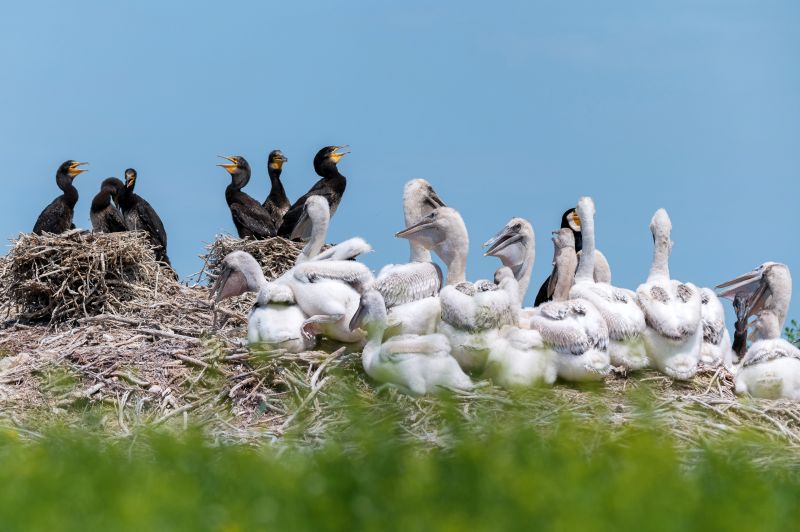
During the breeding season, birds exhibit heightened activity levels. This period is marked by a flurry of behaviors aimed at reproduction: courtship displays, nest building, and increased foraging to feed hungry hatchlings. The urgency to mate and ensure the survival of their offspring drives birds to extend their active hours, often starting earlier in the morning and continuing later into the evening.
Migration Periods
Migration adds another layer of complexity to birds’ activity patterns. Pre-migratory behaviors, such as feeding frenzies to accumulate energy reserves, and the actual act of migration, which for some species occurs at night, alter the typical daily activity rhythms. Observers might notice increased activity during these periods as birds prepare for their long journeys or stop to rest and refuel.
Impact of Extreme Weather
Extreme weather conditions, be it the cold of winter or the heat of summer, also dictate bird activity. In colder months, birds may become more active during the warmer parts of the day, seeking food to maintain their energy levels. Conversely, avoiding the midday sun becomes even more crucial in the summer heat, leading to a more pronounced midday lull.
Understanding these patterns allows birdwatchers to anticipate the best times for observation, providing insights into the ever-changing world of avian life. Whether it’s the promise of the dawn chorus, the quiet of the midday lull, or the variations brought by the shifting seasons, each offers a unique perspective on the natural world.
Weather Impact on Bird Activity
Weather conditions profoundly influence bird behavior and activity levels. From the gentlest rainfall to the fiercest storm, every change in the weather can affect when and how birds go about their daily activities. Understanding these impacts can enhance your birdwatching experience, revealing birds’ resilience and adaptability to the ever-changing elements.
Rain
Rainfall has a mixed bag of effects on bird activity. While light rain can increase bird activity, especially in arid regions where water is scarce, heavy downpours typically decrease visibility and reduce activity, with birds seeking shelter to stay dry. However, after a rainstorm, you may notice a surge in bird activity as they emerge to feed on the abundance of insects and worms brought out by the rain.

Wind
Wind is another critical factor influencing bird behavior. Light to moderate winds can aid birds in flight, especially during migration, offering them support to cover longer distances with less energy. However, strong winds can pose significant challenges, disrupting flight patterns and making it difficult for birds to navigate and forage. During such times, birds may seek shelter and remain inactive until conditions improve.
Temperature Extremes
Temperature extremes, both hot and cold, significantly impact bird activity. In extreme heat, birds tend to reduce their activity during the midday hours to avoid overheating, much like the midday lull discussed earlier. Conversely, in cold temperatures, birds may become more active during the warmer parts of the day, seeking food to maintain their body heat. Some species also adapt by changing their plumage or fat reserves to better insulate against the cold.
How to Observe Bird Activity
Observing bird activity is a rewarding experience that requires patience, keen observation, and some planning. Here are some tips and tools to help you make the most of your birdwatching adventures.
Best Times and Places for Birdwatching
The best times for birdwatching often coincide with the peak activity periods of dawn and dusk. Early morning is ideal for witnessing the dawn chorus and observing birds as they begin their daily routines. Late afternoon or early evening can also be fruitful, as birds engage in a burst of activity before settling down for the night. The best places for birdwatching are those that offer a variety of habitats, such as parks, nature reserves, and wetlands, because one can observe diverse species.
Tools and Tips for Observers
Equipping yourself with a good pair of binoculars is essential for spotting birds at a distance. An app for birdwatching or a field guide can help you identify species and understand their behaviors. Keeping a journal to record your observations can be both helpful for tracking your sightings and rewarding as you reflect on your experiences. Lastly, practicing patience and minimizing disturbances will not only increase your chances of spotting birds but also ensure that you do not disrupt their natural behaviors.
By integrating these practices into your birdwatching routine, you’ll be well on your way to uncovering the rich tapestry of the birdlife surrounding you and deepening your connection with the natural world.
Conclusion
In exploring the rhythms of bird activity through the lens of time of day, seasons, and weather conditions, we’ve journeyed into the heart of what makes birdwatching such a captivating pursuit. The dynamic nature of bird behavior, influenced by various environmental factors, offers endless opportunities for observation and discovery. Whether you’re greeted by the exuberant melodies of the dawn chorus, observing the serene lull of midday, or marveling at the resilience of birds against the backdrop of changing weather, each experience enriches our understanding and appreciation of the natural world.
Birdwatching is more than just a hobby; it’s a way to connect with nature, fostering a deeper respect for the life that flourishes in our backyards, local parks, and beyond. The insights gained from understanding when birds are most active can transform your birdwatching experiences, making each outing an adventure filled with anticipation and wonder.
As we conclude this exploration, remember that the joy of birdwatching lies in the journey itself—the quiet moments spent in nature, the thrill of a new sighting, and the peace that comes from being present in the natural world. So, arm yourself with patience, curiosity, and respect for our feathered friends, and step into the great outdoors. The birds await, ready to reveal the beauty and complexity of their lives to those willing to observe, listen, and learn.