

Have you ever gazed up into the sky, marveling at the sheer size of some of the birds gliding above? Today, let’s journey through the world of the heaviest flying birds that grace our skies. From the arid plains of Africa to the cold, northern lakes of Europe and America, these avian giants showcase nature’s incredible diversity and adaptations.
Prepare your binoculars and notepads, for we are about to explore the fascinating lives of birds that defy the odds of flight with their impressive sizes. Whether you’re a seasoned birder or a curious novice, this guide will enhance your appreciation for these magnificent creatures that rule the air.
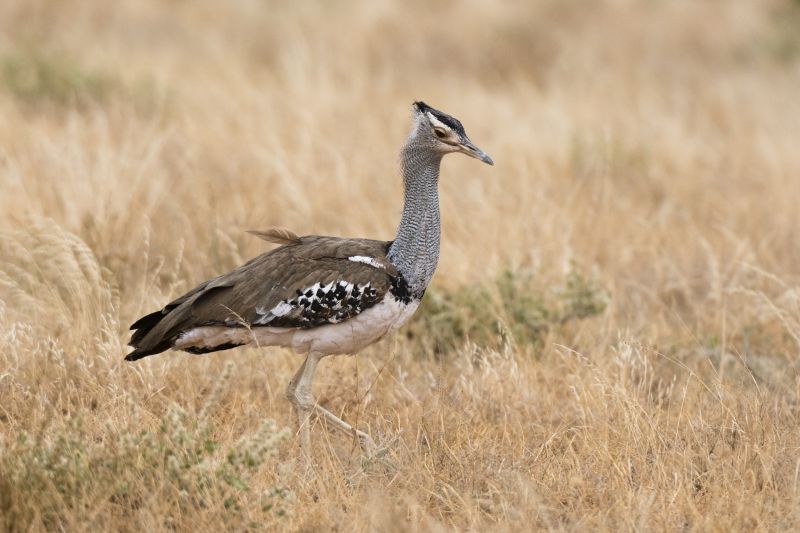
1. Kori Bustard (Ardeotis kori)
Ah, the Kori Bustard, a true heavyweight champion of the avian world. This majestic bird calls the open grasslands and savannahs of Africa home. With its remarkable size, the male Kori Bustard can tip the scales at up to 19 kg (42 lbs), making it a sight to behold as it takes to the skies.
Unlike many birds, the Kori Bustard is often seen walking and foraging for seeds, insects, and small vertebrates. Its impressive plumage and grand stature make it an unforgettable sight for any birdwatcher lucky enough to encounter one in the wild.
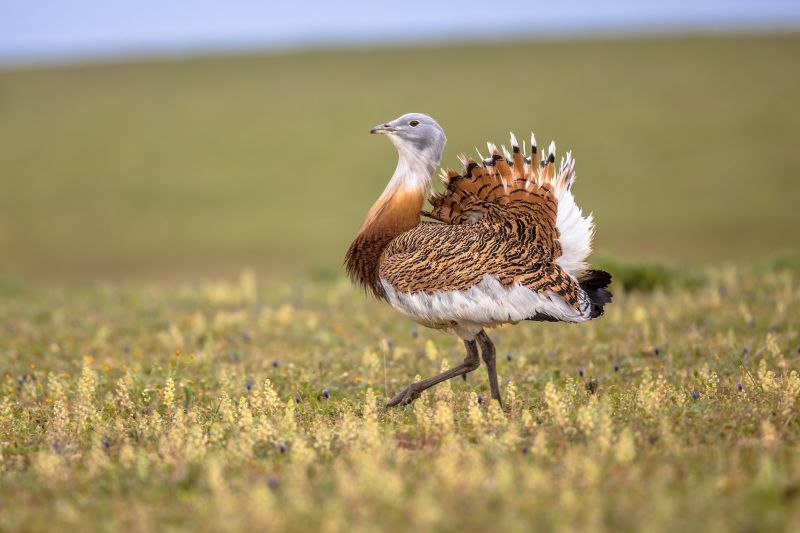
2. Great Bustard (Otis tarda)
Next on our list is the Great Bustard, another ground-dwelling giant that prefers the open countryside of Europe and Asia. Weighing in at up to 16 kg (35 lbs), the males are especially renowned for their flamboyant mating displays, puffing up their feathers to impress potential mates.
These birds are not just about show; they are adapted to a life on the move, constantly searching for a mix of plants and small animals to eat.
The Great Bustard’s habitat is under threat, making sightings of this magnificent bird all the more precious. Conservation efforts are crucial to ensure future generations can also marvel at their grace and beauty.
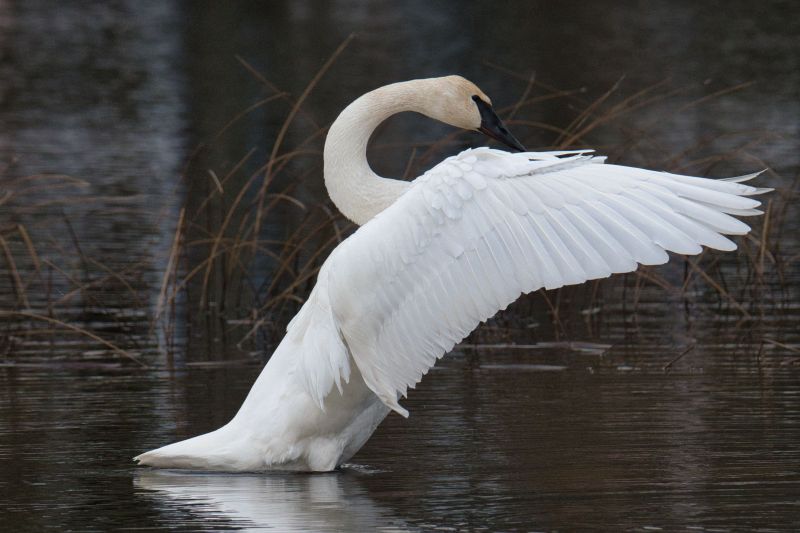
3. Trumpeter Swan (Cygnus buccinator)
Meet the Trumpeter Swan, the largest native waterfowl of North America. With adults weighing up to 12 kg (26 lbs), their presence is as majestic as their name suggests. These swans are celebrated for their powerful, trumpet-like calls, echoing across lakes and rivers. They reside in wetlands across the northern United States, Canada, and into Alaska, forming lifelong pairs that epitomize loyalty and grace.
Watching a Trumpeter Swan take flight is a remarkable sight, with its long, slow wingbeats propelling it gracefully into the sky. For birdwatchers, observing these swans, whether gliding serenely on water or flying against the backdrop of a clear blue sky, is a moment of pure awe.
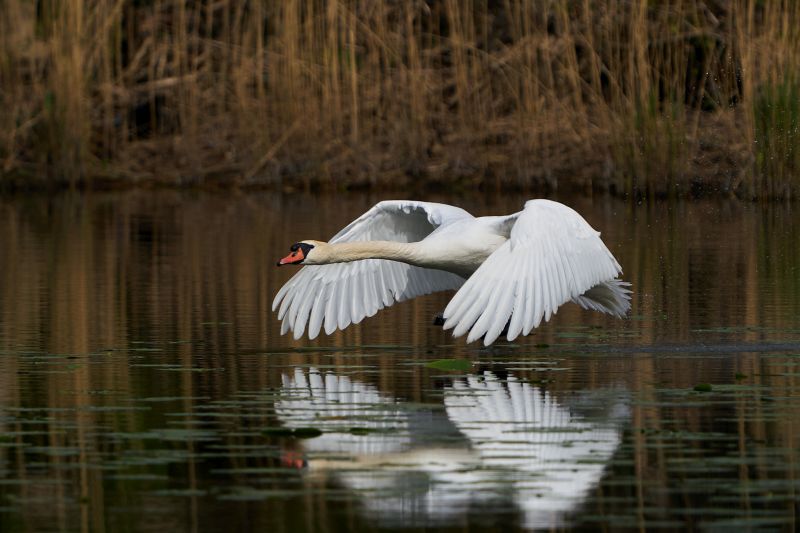
4. Mute Swan (Cygnus olor)
Contrastingly silent, the Mute Swan carries its own type of elegance. Weighing up to 12 kg (26 lbs), this species has made its home across Europe and parts of Asia and North America. Despite its name, the Mute Swan is anything but silent, its wings producing a characteristic singing sound as it flies.
These swans are known for their striking appearance: pure white feathers, an S-shaped neck, and an orange bill bordered with black. They prefer calm, freshwater bodies and are often seen in pairs or small family groups. Spotting a Mute Swan, with its wings raised like a sail, is a tranquil and picturesque moment every birdwatcher cherishes.
5. Whooper Swan (Cygnus cygnus)
With its distinctive loud call that carries over long distances, the Whooper Swan is a winter visitor in many parts of Europe and Asia. These birds embark on impressive migrations from their breeding grounds in the Arctic to more temperate wintering sites.
Adult Whooper Swans are slightly lighter than their Trumpeter and Mute cousins, with weights up to 11 kg (24 lbs), but what they lack in weight, they make up for in voice and vigor. They are easily recognized by their long, straight necks and the black and yellow pattern on their beaks.
Watching a flock of Whooper Swans descend onto a winter lake while their calls echo is an unforgettable experience that highlights the dynamic beauty of avian migration.

6. Dalmatian Pelican (Pelecanus crispus)
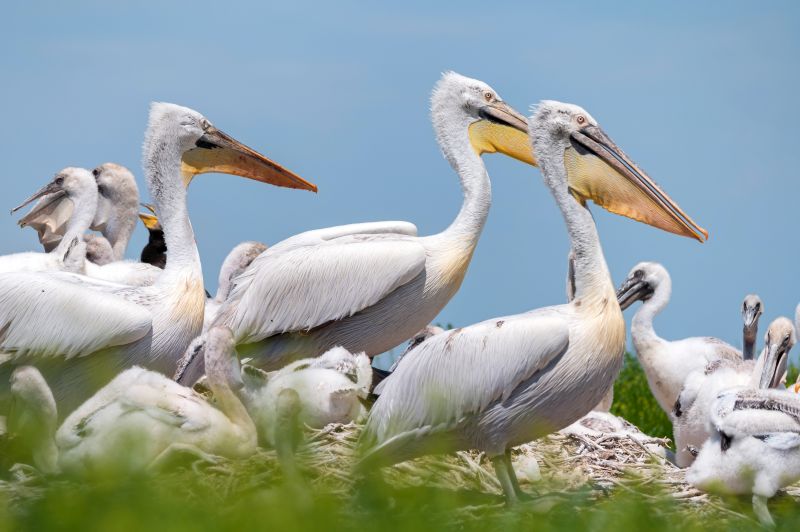
Embarking on a journey to the wetlands and shallow waters of Eurasia, we encounter the Dalmatian Pelican, the heavyweight among pelicans. With an average weight of up to 11 kg (24 lbs) and exceptional individuals reaching around 15 kg (33 lbs), this bird commands attention.
Its plumage is a mix of silvery-white with a unique curly nape. It boasts one of the longest bills among living birds, essential for scooping up fish. The sight of a Dalmatian Pelican in flight is mesmerizing, with its enormous wingspan creating an impressive silhouette against the sky.
For birdwatchers, observing these pelicans work in groups to herd fish before scooping them up is a highlight, showcasing the intricate balance of nature’s teamwork.
7. Andean Condor (Vultur gryphus)
Soaring above the South American Andes with its massive 3-meter (10 ft) wingspan, the Andean Condor symbolizes power and freedom. This bird, weighing up to 15 kg (33 lbs), is one of the world’s largest flying birds, revered in many South American cultures for its strength and longevity.
The Andean Condor prefers rocky, mountainous terrains where it can glide on thermal currents, scanning for carrion below. Its mostly black plumage, contrasted with a white ruff around the neck and large white patches on the wings, makes it a striking sight in the sky. Spotting an Andean Condor, especially during one of its majestic flights, is a rare and unforgettable moment that highlights the rugged beauty of the Andean landscapes.

8. California Condor (Gymnogyps californianus)
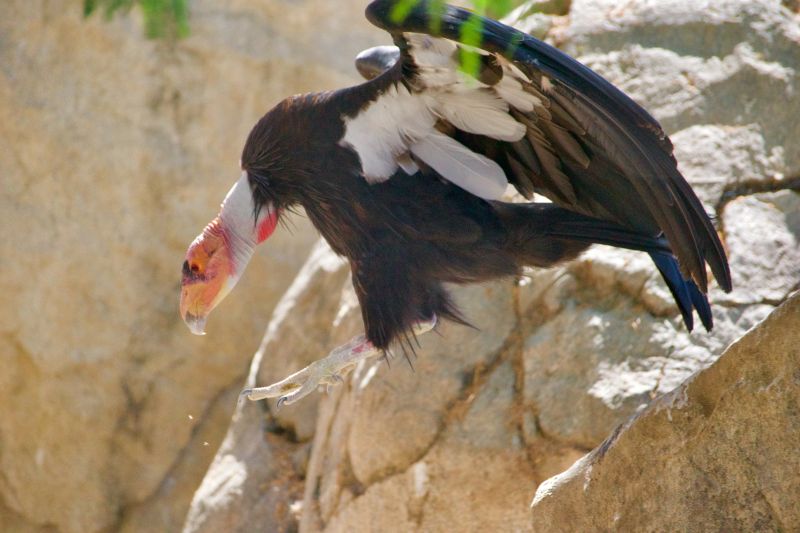
The California Condor is a wonderful conservation success story. These birds once teetered on the brink of extinction but now grace the skies of the Pacific Northwest once again. Weighing up to 14 kg (31 lbs), these birds boast an impressive wingspan that can reach 3 meters (10 ft), enabling them to soar gracefully with minimal effort. Their predominantly black plumage is complemented by white underwing patches, visible during flight and adding to their majestic appearance.
The California Condor is a scavenger. Its role in the ecosystem is vital because it cleans up carrion. Observing these glorious birds in their natural habitat, riding the thermals above canyons and forests, is a heartening experience, a testament to human efforts to preserve the natural world. Birdwatchers cherish any sighting of this rare and remarkable bird, a symbol of hope for endangered species worldwide.
9. Harpy Eagle (Harpia harpyja)
Venture into the dense rainforests of Central and South America, and you might just catch a glimpse of the formidable Harpy Eagle, the most powerful raptor found in its realm. This magnificent bird, which can weigh up to 9 kg (20 lbs), is perfectly adapted to life in the canopy. Its short, broad wings and long tail enable it to maneuver through the trees with astonishing agility.
The Harpy Eagle’s striking features include a grey head, a distinctive black band across its upper chest, and deep, penetrating eyes that scan the forest floor for prey such as sloths and monkeys. For birdwatchers, spotting a Harpy Eagle in the wild is unparalleled, a rare privilege that connects them directly to the heart of the jungle’s biodiversity.

10. Wandering Albatross (Diomedea exulans)
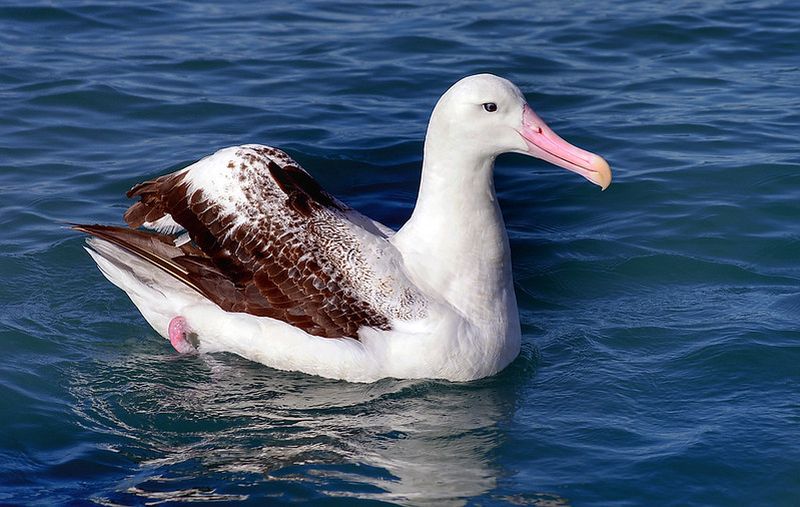
Embark on a voyage to the open oceans, and the sight of the Wandering Albatross, the avian mariner with the longest wingspan of any living bird, may grace you. These majestic creatures can weigh up to 12 kg (26 lbs) and have wings that stretch up to 3.5 meters (11.5 feet), allowing them to glide effortlessly over vast stretches of the ocean without flapping.
The Wandering Albatross spends most of its life at sea, covering enormous distances with a grace that belies its size, only coming to land to breed and rear their young on remote islands. Their life on the wing is a marvel of nature’s engineering, perfectly adapted to the endless expanse of the ocean. For birdwatchers and mariners alike, the sight of a Wandering Albatross, its wings unfurled against the horizon, is a poignant reminder of the wild beauty that exists where the sea meets the sky.
Conclusion
In the realm of the skies, these avian giants stand as testaments to the marvels of evolution and adaptation. From the open savannahs and serene wetlands to the rugged mountains and dense rainforests, each of these birds embodies the spirit of their respective habitats, playing crucial roles in their ecosystems. As birdwatchers, the opportunity to observe these magnificent creatures in their natural surroundings is not just a moment of personal triumph but a poignant reminder of the beauty and complexity of nature.
The journeys of these birds, whether seen in a graceful glide, a powerful soar, or a stealthy hunt, inspire awe and a deeper appreciation for nature’s intricacies. They challenge us to continue our conservation efforts, to ensure that future generations may also experience the wonder of looking up into the sky and witnessing the majesty of the heaviest flying birds.
Let us carry forward the message of conservation and stewardship, inspired by the strength and grace of these incredible birds. May our binoculars and cameras serve not only as tools of observation but as instruments of change, capturing the beauty of the avian world and the importance of protecting it. Here’s to many more sightings, shared stories, and the continued marvel at the world flying above us.