

Welcome to a visual journey through the avian world. Birds captivate us with their vibrant colors, intricate patterns, and graceful movements. Each species adds a unique brushstroke to the natural landscapes they inhabit. From the flamboyant displays of peacocks to the serene elegance of flamingos, these creatures inspire awe and appreciation.
This article showcases 20 of the most beautiful birds across the globe. Whether you are an expert at birdwatching or simply someone who enjoys the beauty of nature, prepare to be delighted by the splendor of these feathered treasures. Let us explore the diverse and stunning world of birds together.
1. Peacock
Description and Habitat
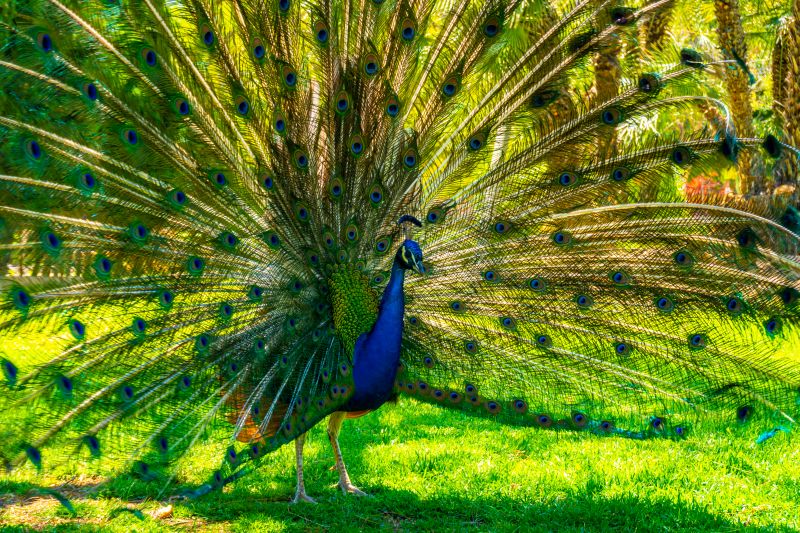
The peacock, specifically the male peafowl, is renowned for its spectacular tail feathers, which display an eye-catching array of iridescent colors. These birds are native to South Asia and are commonly found in India, thriving in forested areas and lush countryside. The extravagant tail of the peacock, used in mating rituals and territorial displays, extends up to 60% of its body length.
Reasons for its Beauty
The beauty of the peacock lies in its vibrant tail feathers which exhibit a mesmerizing palette of blues and greens, marked by what appear to be eyespots. These spots shimmer and radiate in sunlight, creating a stunning spectacle when the peacock fans its tail in a courtship display. The contrast between the rich colors and the natural settings makes the peacock a truly remarkable sight.
2. Scarlet Macaw
Description and Habitat
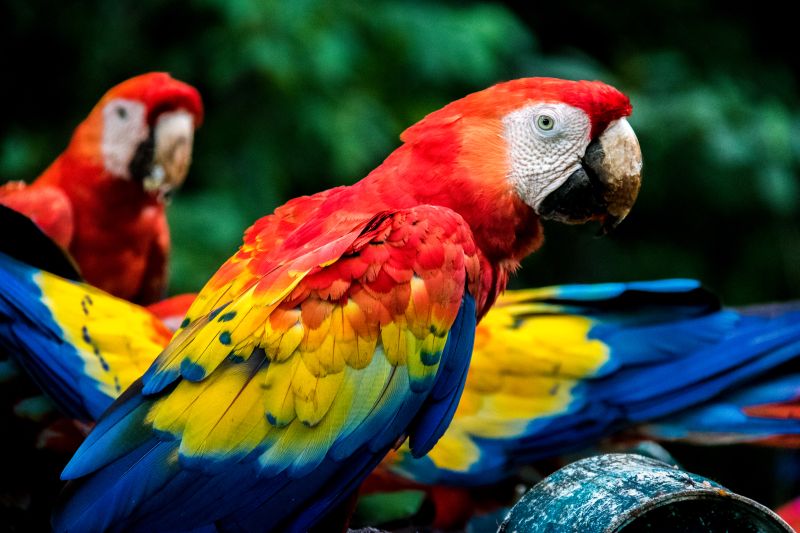
Scarlet macaws are indigenous to the humid evergreen forests of Central and South America. Their habitats are often found in lowland tropical forests, including in regions that are remote and relatively undisturbed by human activity. These striking birds are among the largest members of the parrot family and are highly adept at flying through the dense foliage of their environment.
Reasons for its Beauty
Scarlet macaws are celebrated for their brilliant plumage. Their feathers are a vivid combination of red, yellow, and blue, which stands out spectacularly against the green backdrops of their natural habitat. Their strong, curved beaks and expressive eyes add to their distinctive appearance, making them a favorite among bird enthusiasts.
3. Flamingo
Description and Habitat
Flamingos are most commonly associated with the shallow lakes and sandy islands of Africa, Asia, the Americas, and Europe. They prefer environments like estuaries and saline or alkaline lakes, where they can wade through the water with their long legs and distinctive downward-bending beaks in search of food.
Reasons for its Beauty
The flamingo is instantly recognizable by its striking pink and red plumage, a result of the carotenoid pigmentation found in their diet of algae and crustaceans. Their elegant, stilt-like legs and gracefully curved necks give them a delicate, serene appearance, enhancing their beauty as they move in large flocks that paint a breathtaking picture against aquatic landscapes.

4. Blue Jay
Description and Habitat
Blue jays are native to North America and thrive in a variety of forested habitats, from dense forests to suburban gardens. They are particularly noticeable during the fall and winter as they gather in flocks and can be heard calling loudly across distances.
Reasons for its Beauty
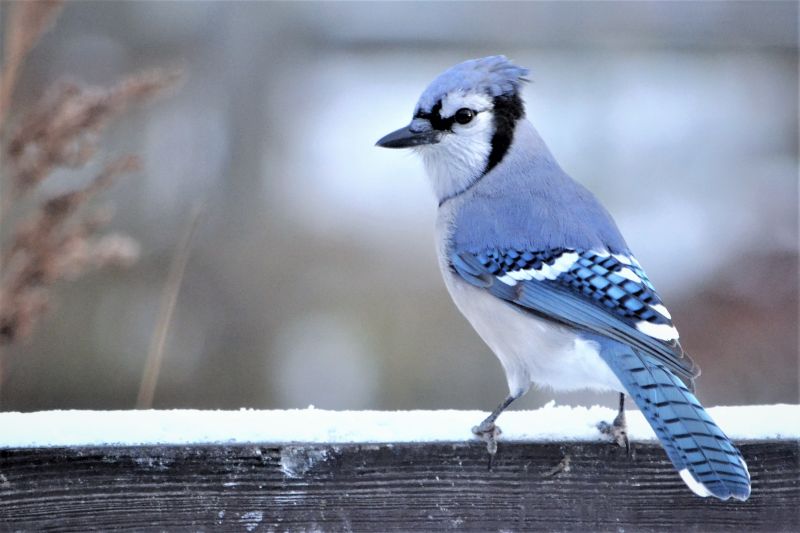
Blue jays are known by their bright blue plumage and striking pattern of black bands across their wings and tail. Their feathers can appear almost luminous against snowy backgrounds in the winter or lush greenery during the summer. Their bold appearance is complemented by their intelligent expressions and vibrant personalities, making them a delightful sight for birdwatchers.
5. Kingfisher
Description and Habitat
Kingfishers are small to medium-sized birds found near rivers, lakes, and coastlines across the world. They are particularly prevalent in tropical regions but can be found in a wide range of climates, from tropical rainforests to temperate regions. These birds are renowned for their fishing skills, often spotted hovering over water before diving in for their catch.
Reasons for its Beauty
The vibrant plumage of kingfishers varies significantly among species, but many feature brilliant blues and greens. The common kingfisher, for example, has iridescent blue feathers that sparkle in the sunlight, contrasted with rich orange underparts. Their compact size and quick movements add to their appeal, making them a favorite subject for photographers and birdwatchers alike.

6. Kea
Description and Habitat
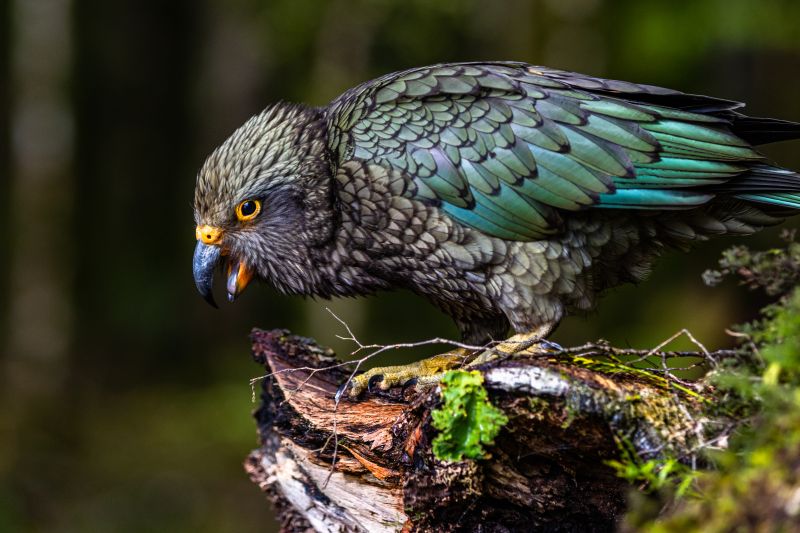
Keas are large, intelligent parrots native to the mountainous regions of New Zealand. They are known for their adaptability to cold climates, a rarity among parrot species. These birds are most commonly found in alpine environments, where they are adept at scavenging and hunting for various foods.
Reasons for its Beauty
Keas are not as brightly colored as some other birds on this list, but their beauty comes from their striking green plumage that blends perfectly with the lush New Zealand landscapes. Their underwings are bright orange, a surprising burst of color visible during flight. The curious nature and playful antics of keas endear them to many observers.
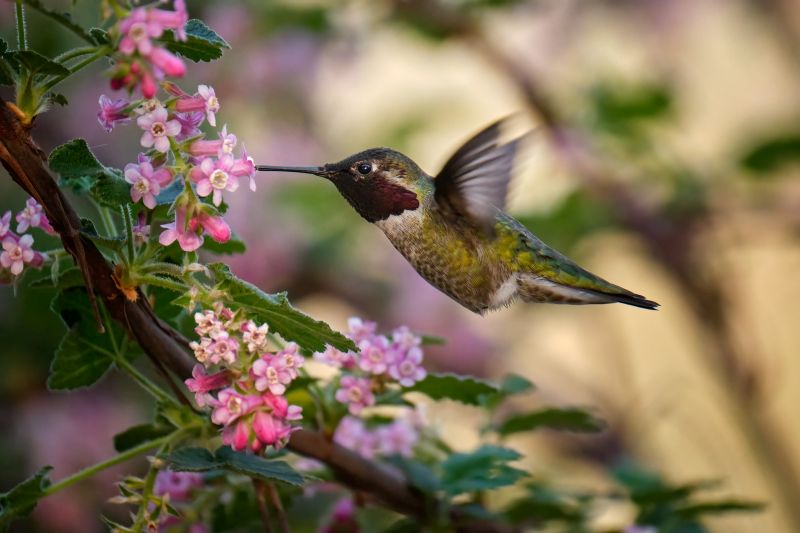
7. Hummingbird
Description and Habitat
Hummingbirds are native to the Americas and thrive in diverse environments from Alaska to Tierra del Fuego. These tiny birds are particularly abundant in tropical and semitropical regions such as the rainforests of South America. They are famed for their ability to hover in mid-air thanks to their rapidly flapping wings.
Reasons for its Beauty
Hummingbirds possess an extraordinary range of colors, often exhibiting bright, iridescent feathers that can change hue depending on the angle of the light. Their diminutive size and incredible agility allow them to access the nectar of flowers, making them vital pollinators. The dazzling speed with which they move and the precision of their flight patterns make them a mesmerizing sight.
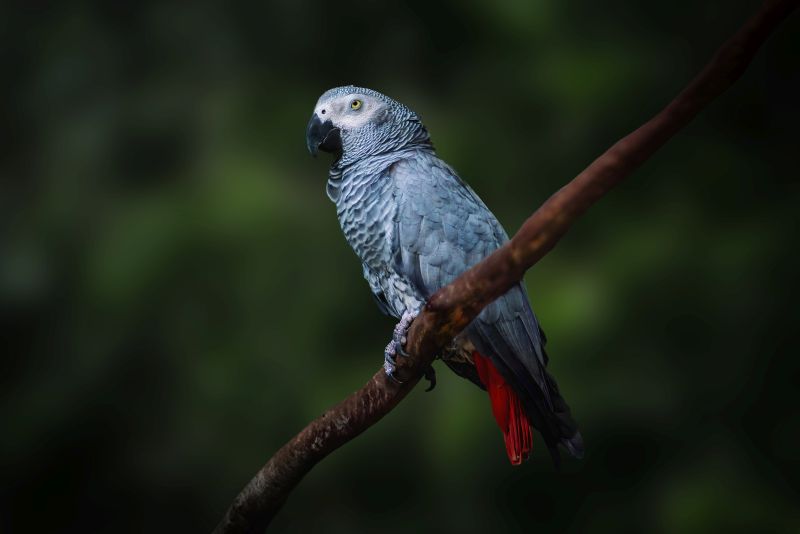
8. African Grey Parrot
Description and Habitat
Indigenous to the dense rainforests of West and Central Africa, African Grey Parrots prefer a habitat that offers plenty of tree cover and a reliable source of fruit, nuts, and seeds, which make up their diet. They are often found in primary and secondary forests, mangroves and cultivated lands.
Reasons for its Beauty
While the African Grey may not be as vividly colored as other birds in this list, their beauty lies in their striking grey plumage and bright red tail. What truly sets them apart, however, is their intelligence, along with their capability to imitate human speech, which has made them one of the most famous parrot species. Their expressive eyes and complex vocalizations create a deep connection with those who observe and care for them.
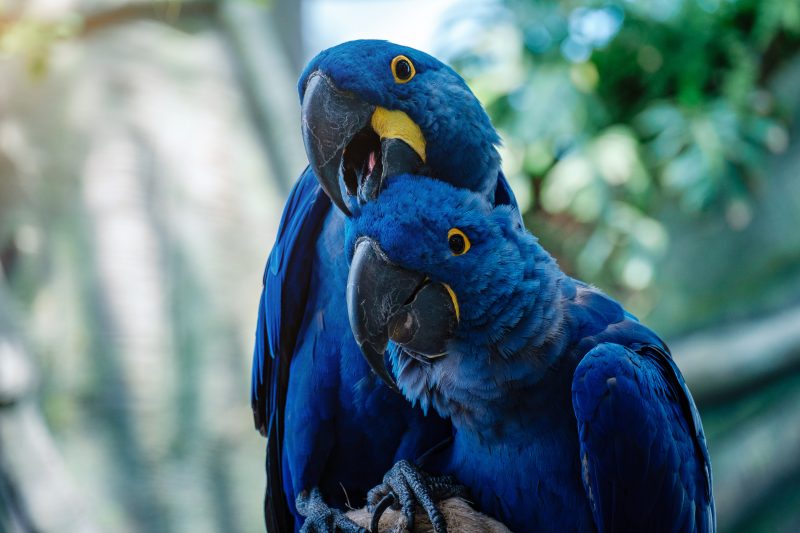
9. Hyacinth Macaw
Description and Habitat
Hyacinth macaws are native to the open and semi-open areas of central and eastern South America, particularly in the Pantanal region. They are often found in palm savannas and other wooded areas near water. Known as the largest flying parrot species in the world, these macaws depend on the abundance of palm nuts for food.
Reasons for its Beauty
The hyacinth macaw captivates with its striking cobalt blue plumage, which covers most of its body. The vivid blue is complemented by contrasting bright yellow around the eyes and at the base of the beak, making their features distinctly bold and attractive. Their majestic size and gentle demeanor make them a spectacular sight in their natural habitat.
10. Golden Pheasant
Description and Habitat
Golden pheasants originate from the mountainous areas of western China but have been introduced to various other countries due to their popularity in aviculture. They are most commonly found in forests and woodlands, where they can forage on the ground under the cover of dense underbrush.
Reasons for its Beauty
Golden pheasants are renowned for their brilliant coloration. Males display an incredible array of colors: a golden-yellow crest with a touch of red at the tip, vibrant red underparts, and a stunning combination of dark red, blue, and green on their wings and tail. The females are less colorful but possess a subtle beauty with their mottled brown plumage, providing excellent camouflage.

11. Painted Bunting
Description and Habitat
Painted buntings are small birds that breed in the thickets and scrubby areas of the southern United States during summer and spend their winters in Central America and southern Florida. These birds prefer habitats that offer dense foliage for nesting and a plentiful supply of seeds and insects.
Reasons for its Beauty
Painted buntings are often described as flying rainbows due to their vibrant multicolored plumage. Males feature a spectacular mix of blue, green, yellow, and red, each color delineated clearly from the others, creating a striking visual contrast. This kaleidoscope of colors makes them one of the most visually spectacular birds in North America.

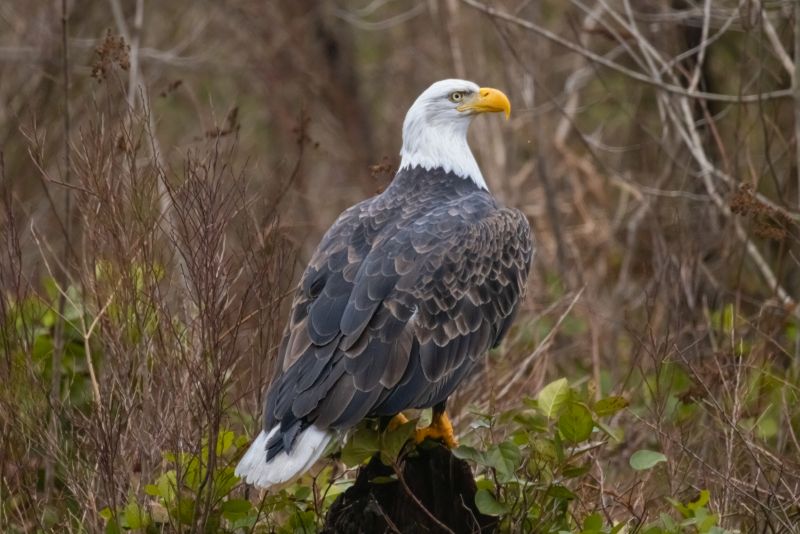
12. Bald Eagle
Description and Habitat
You will find Bald eagles North America – from Alaska and Canada all the way to northern Mexico. They prefer habitats close to large bodies of open water with ample food supply and established trees for nesting. These majestic birds are most commonly associated with freedom and are the national bird of the United States.
Reasons for its Beauty
The bald eagle is renowned for its impressive size, powerful build, and regal bearing. Adults are easily recognized by their white heads and tails contrasting sharply against their dark brown body and wings. Their fierce expression and piercing eyes symbolize strength and dignity, making them a revered figure in wildlife observation.
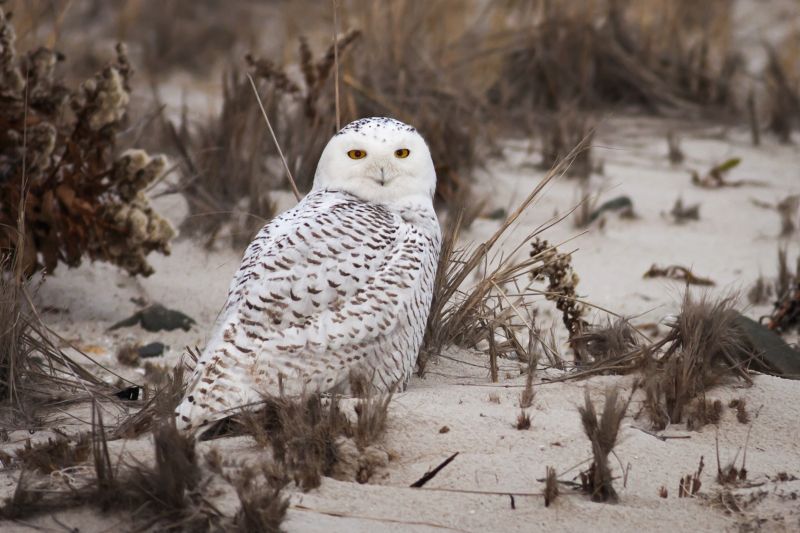
13. Snowy Owl
Description and Habitat
Snowy owls are mainly found in the Arctic regions of North America and Eurasia, particularly in open tundra where they nest on the ground. During winter, some migrate further south into Canada and the northern United States. Their habitat choices are typically cold and often treeless areas, which provides them with wide, open spaces to spot their prey.
Reasons for its Beauty
The snowy owl’s stunning white plumage, dotted with varying degrees of black and brown spotting, allows it to blend into the snowy environments of its native habitat. The male’s plumage grows whiter with age, while females and young birds maintain more of the darker markings. Their striking yellow eyes and serene appearance in flight make them one of the most beautiful and iconic birds of the northern wilderness.
14. Mandarin Duck
Description and Habitat
Mandarin ducks are native to East Asia, but have also established populations in parts of Europe and North America due to escapes from captivity. They prefer small ponds and woodland streams, requiring dense tree cover for nesting to avoid predators. Their habitat choices reflect their need for seclusion and proximity to water bodies.
Reasons for its Beauty
The male Mandarin duck is celebrated for its extraordinary beauty. Its elaborate and colorful plumage features an array of shades, from brilliant blues to radiant oranges, along with distinctive sail-like feathers on the back. The female is more subdued in color but carries a graceful elegance. Together, they present one of the most visually striking contrasts among waterfowl species.

15. Rainbow Lorikeet
Description and Habitat
Rainbow lorikeets are native to Australia and eastern Indonesia, thriving in coastal regions where they frequent rainforests, coastal bush, and woodland areas. These highly sociable birds are often found in noisy flocks that feed on nectar, fruit, and pollen, which they extract with their specialized brush-tipped tongues.
Reasons for its Beauty
True to their name, rainbow lorikeets exhibit a bright and vibrant plumage that mirrors the spectrum of a rainbow. Their deep blue heads are complemented by green, orange, and yellow bodies, making them one of the most colorful birds in their environment. Their playful behavior and loud calls add to their charismatic presence, making them a favorite among bird enthusiasts.

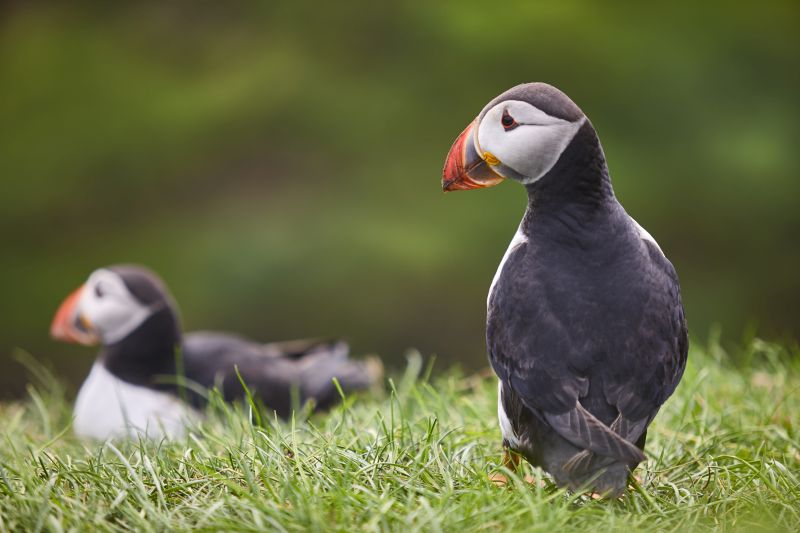
16. Atlantic Puffin
Description and Habitat
Atlantic puffins are found in the cold waters of the North Atlantic Ocean, nesting in cliff-top colonies on islands off the coasts of northern Europe, Canada, and the northeastern United States. Their preferred habitats are isolated and rugged coastal areas where they can nest in burrows excavated from the soft soil of the cliffs.
Reasons for its Beauty
Atlantic puffins are known for their striking appearance, characterized by their black and white plumage and large, colorful beaks. The beaks, bright orange with hues of blue and yellow, become even more vivid during the breeding season. Their compact, penguin-like body shape and waddling gait provide a charming appeal that delights observers and wildlife photographers alike.
17. Resplendent Quetzal
Description and Habitat
The resplendent quetzal is native to the tropical montane cloud forests of Central America, from southern Mexico to western Panama. These birds thrive in high-altitude, moist environments where they can find their preferred diet of fruits, insects, and small vertebrates. The dense, misty forests provide ideal cover and nesting sites in the hollows of aged trees.
Reasons for its Beauty
The quetzal is renowned for its brilliant plumage and striking tail feathers, which can be over a meter long in males. Their vibrant green body, red breast, and the shimmering sheen of their feathers make them appear almost mythical. Revered by ancient cultures and modern birdwatchers alike, the resplendent quetzal is regarded as one of the most beautiful birds in the world.

18. Fairy Bluebird
Description and Habitat
Fairy bluebirds are found in the forests and plantations of South and Southeast Asia. They prefer dense, humid lowland forests where they can feed on fruits, particularly figs, and small insects. The lush greenery provides ample food sources and nesting opportunities in the canopy.
Reasons for its Beauty
Fairy bluebirds boast an impressive array of deep blue and black colors on their plumage, with a striking contrast of iridescent blue against the darker feathers. Their sleek design and vivid colors make them stand out in their natural habitat, drawing the eye of anyone lucky enough to spot them.

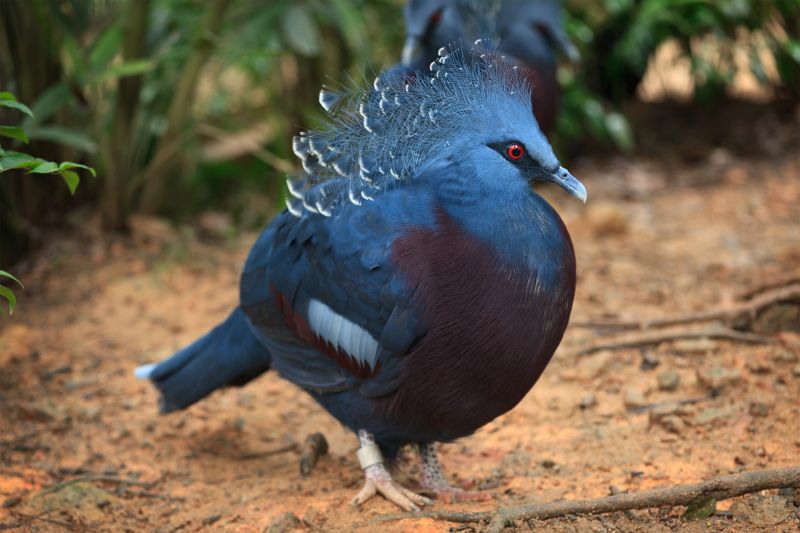
19. Victoria Crowned Pigeon
Description and Habitat
The Victoria crowned pigeon is native to the lowland forests and swamps of northern New Guinea. This species prefers areas with dense vegetation that offer abundant food sources like seeds, fruits, and small invertebrates. Their ground-dwelling habits make dense cover essential for protection against predators.
Reasons for its Beauty
This pigeon, the largest of its kind, sports an elegant lace-like crest of feathers on its head, which is both striking and regal. Its deep blue-gray plumage is accented with elegant lace-like patterns and vibrant blue along the wings. The combination of its size and majestic appearance makes the Victoria crowned pigeon a breathtaking sight.
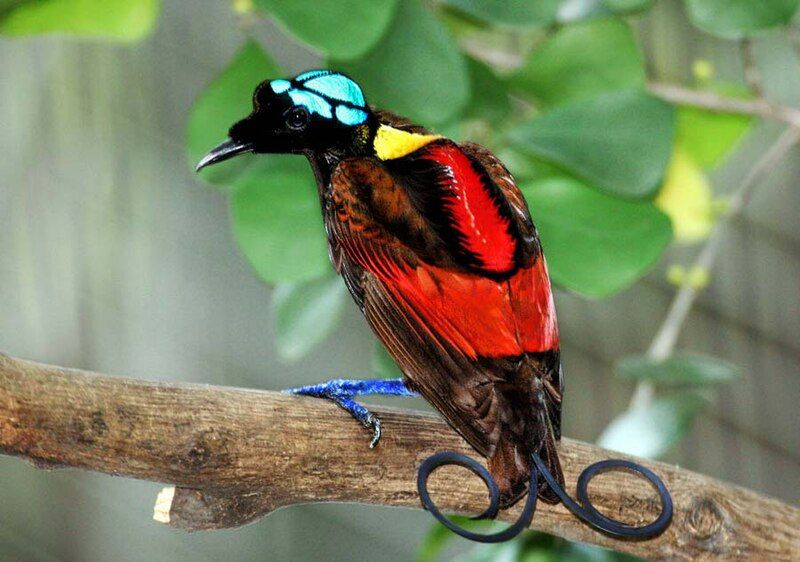
20. Wilson’s Bird-of-Paradise
Description and Habitat
Wilson’s bird-of-paradise inhabits the secluded rainforests of Indonesia, particularly on the islands of Waigeo and Batanta. This elusive species prefers the dense, lowland tropical rainforests where it can perform its courtship dances in relative seclusion, surrounded by rich vegetation.
Reasons for its Beauty
The Wilson’s bird-of-paradise is a spectacle of nature, known for its incredibly vibrant coloration and complex courtship displays. Its plumage features an extraordinary combination of turquoise, yellow, and green with a striking pattern of colors on its back and a bare blue head topped with a black double cross pattern. The bird’s elaborate display rituals and exotic appearance make it one of the most visually stunning and unique birds on the planet.
Conclusion
In exploring these 20 magnificent birds, we have traveled through a spectrum of colors, habitats, and continents, each bird telling its own unique story of survival and splendor. From the iridescent blues of the kingfisher to the regal display of the peacock and the mystical allure of the resplendent quetzal, each species exemplifies nature’s artistry and the incredible diversity of avian life.
As we admire these beautiful birds, let us remember how important it is to preserve their habitats and support conservation efforts. Protecting these birds ensures that future generations can enjoy their beauty and marvel at their existence.
Whether you’re an avid birdwatcher or a casual nature enthusiast, the beauty of these birds serves as a reminder of the wonders our natural world holds and the responsibility we share in its stewardship.