
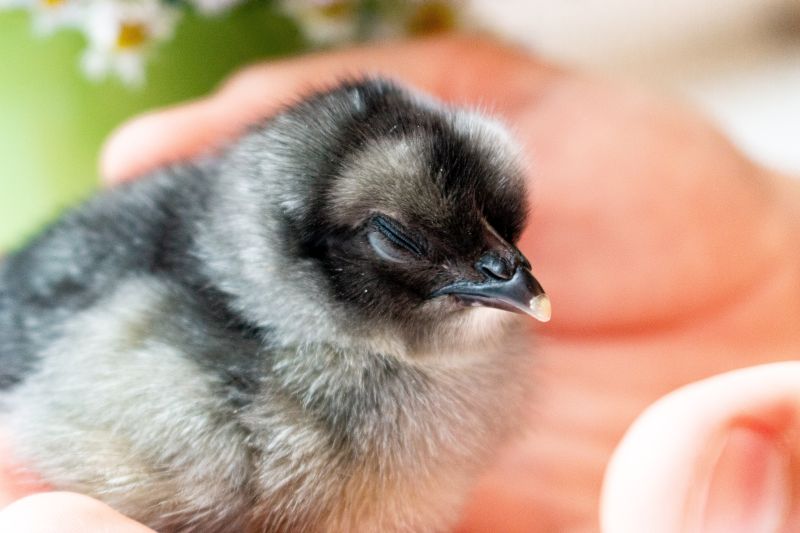
Today, we are exploring a fascinating topic: birds with fur. You might wonder if such birds really exist. Birds and fur don’t typically go together. Birds have feathers, after all. But some birds have feathers that look and feel almost like fur. These distinctive adaptations help them survive in their environments.
Understanding these birds opens up a whole new perspective. You might start noticing them more often. Their unusual plumage can be captivating. Plus, learning about these species can enrich your birdwatching adventures.
So, grab your binoculars and notebook. Let’s explore the world of birds with fur-like feathers together! You’ll be amazed at what nature has in store for you.
1. Kiwi
The kiwi is a fascinating bird native to New Zealand. It is a nocturnal, flightless bird known for its distinctive appearance. Unlike other birds, the kiwi has feathers that resemble fur. These feathers are soft and hair-like, providing excellent camouflage in their forest habitat. Kiwis are about the size of a chicken, with long beaks and tiny wings.
One of the kiwi’s unique traits is its nostrils at the end of its beak. This adaptation helps them sniff out insects and other small creatures in the soil. Kiwis are also known for their excellent sense of smell, which is unusual for birds. These nocturnal foragers use their keen olfactory sense to navigate and find food in the dark. Observing a kiwi in its natural environment is a rare and fulfilling experience for any birdwatcher.

2. Kakapo
The kakapo, also known as the night parrot, is another remarkable bird from New Zealand. This large, nocturnal, flightless parrot has soft, mossy-green feathers that look like fur. These feathers help the kakapo blend into its forest environment. The kakapo is critically endangered, with fewer than 200 individuals remaining. Ongoing conservation efforts aim to protect and boost its population.
Kakapos have a unique waddling walk and a charming personality that endears them to those lucky enough to encounter them. They are also the heaviest parrots in the world, with some adults weighing up to 4 kilograms. Kakapos have a distinctive, musty scent and a low, booming call that can be heard over long distances. Their nocturnal habits and unique feathers make them a fascinating subject for birdwatchers and conservationists alike.

3. Emu
The emu is Australia’s largest bird and the second-largest in the world. This flightless bird is known for its long legs and distinctive appearance. Emus have soft, shaggy feathers that resemble fur, providing insulation and protection. These birds are excellent runners, capable of reaching speeds up to 50 kilometers per hour.
Emus are curious and often approach humans, making them a common sight in the Australian outback. They have a varied diet of fruits, seeds, insects, and small animals. Emus also play an important role in their ecosystem by dispersing seeds through their droppings. Their unique feather structure and impressive size make them a captivating species for birdwatchers to observe.

4. Ostrich
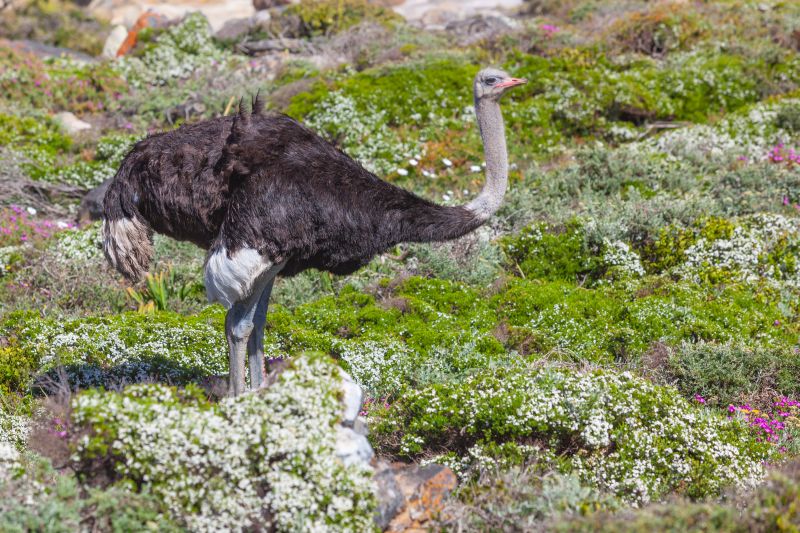
The ostrich is native to Africa and is the largest bird in the world. Known for its incredible speed and large size, the ostrich has feathers with a fur-like appearance. These feathers are soft and fluffy, especially on their body, which helps regulate their temperature in harsh desert climates. Ostriches are the fastest birds on land, reaching up to 70 kilometers per hour.
Ostriches have long necks and legs, which they use to scan their surroundings for predators. They have large eyes that give them excellent vision, helping them spot threats from a distance. Their powerful legs are not only used for running but also for delivering strong kicks to defend themselves. Observing an ostrich in its natural habitat, with its unique feather structure and impressive stature, is a thrilling experience for any birdwatcher.
5. Penguin
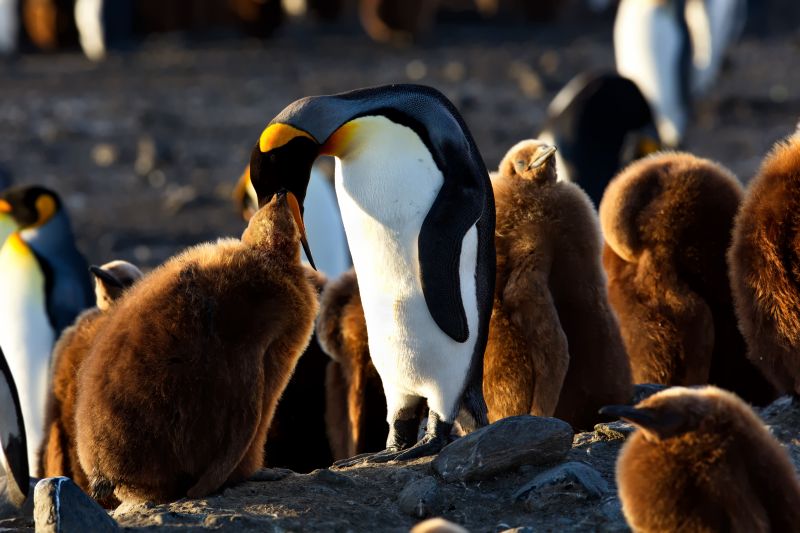
Penguins are flightless, aquatic birds primarily found in the Southern Hemisphere. While they do not have fur, their feathers are uniquely adapted to keep them warm in cold environments, giving them a fur-like appearance. These feathers are dense and overlap to provide insulation and waterproofing. Penguins are excellent swimmers, using their flippers to propel themselves through the water at high speeds.
One of the most well-known species is the Emperor Penguin, which can withstand the extreme cold of Antarctica. Penguins huddle together in large groups to retain heat and protect themselves from the freezing winds. Their unique adaptation of fur-like feathers makes them fascinating to observe, whether they are waddling on land or gliding gracefully through the water. Their social behavior and resilience in harsh climates make penguins a beloved subject for birdwatchers.
6. Tawny Frogmouth
The Tawny Frogmouth is a nocturnal bird native to Australia. It has feathers that closely resemble fur, providing excellent camouflage against the bark of trees. This unique feather structure helps the Tawny Frogmouth seamlessly blend into its surroundings, making it almost invisible during the day. They are often mistaken for branches or tree stumps due to their mottled gray and brown plumage.
Tawny Frogmouths have large, wide mouths that they use to catch insects and small prey. They are known for their distinctive call, which sounds like a low, repetitive ‘oom.’ These birds are not related to owls, despite their similar nocturnal habits and appearance. Watching a Tawny Frogmouth in its natural habitat, with its incredible camouflage and unique feathers, is a rewarding experience for any bird enthusiast.

7. Great Potoo
The Great Potoo is a mysterious nocturnal bird found in Central and South America. Its unique feathers resemble fur in texture and appearance. These feathers help the Great Potoo blend seamlessly with tree bark, providing excellent camouflage during the day. This bird is a master of disguise, often perching motionless on branches to avoid detection.
The Great Potoo has a distinctive, haunting call that echoes through the forest at night. Its large, wide mouth is perfect for catching insects and small prey. The bird’s eyes are adapted for night vision, allowing it to hunt efficiently in the dark. Observing a Great Potoo in its natural habitat, especially during the night, is a thrilling experience for birdwatchers. Its eerie calls and incredible camouflage make it a fascinating subject.

8. Hoatzin
The Hoatzin, often called the “stinkbird,” is a unique bird native to the Amazon rainforest. It has an unusual appearance, with feathers that have a fur-like quality. These feathers are coarse and shaggy, giving the Hoatzin a prehistoric look. This bird is also known for its distinctive odor, which comes from the fermentation of leaves in its crop.
Hoatzins are arboreal, spending most of their time in trees near water. They have a peculiar way of digesting their food, similar to cows, which is why they smell like manure. Young Hoatzins have claws on their wings, allowing them to climb branches, a trait reminiscent of ancient birds. Observing a Hoatzin in the wild, with its strange appearance and behaviors, is a unique experience for any birdwatcher. Its prehistoric traits and fur-like feathers make it a standout species.

9. Snowy Owl
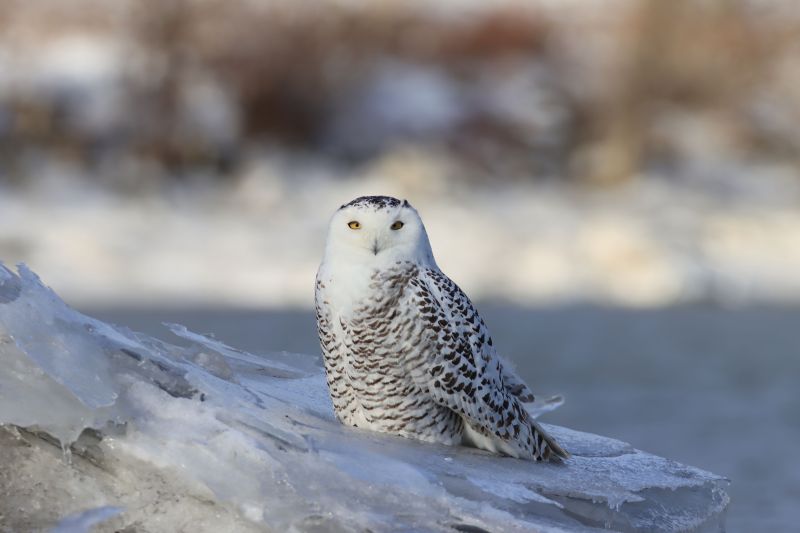
The Snowy Owl is a magnificent bird found in the Arctic regions of North America and Eurasia. Its feathers are thick and fur-like, providing excellent insulation against the extreme cold. These feathers are pure white with black markings, helping the Snowy Owl blend into its snowy environment. This bird is one of the few owl species active during the day, particularly in the long Arctic summer days.
Snowy Owls have large, yellow eyes and powerful talons for catching prey. They predominantly hunt small mammals such as lemmings, but will also eat birds and fish. The Snowy Owl’s beautiful plumage and striking appearance make it a favorite among birdwatchers. Observing this bird in its natural, harsh habitat is a truly unforgettable experience. Its fur-like feathers and impressive hunting skills make the Snowy Owl a fascinating subject for any bird enthusiast.
10. Crested Partridge
The Crested Partridge, also known as the Rollulus rouloul, is a small, ground-dwelling bird found in the tropical forests of Southeast Asia. This bird has a unique crest of fur-like feathers on its head, giving it a distinctive and charming appearance. The male Crested Partridge sports a bright red crest and iridescent green plumage, while the female has a more subdued brown and green coloration.
Crested Partridges are known for their strong legs, which they use to scratch the forest floor in search of seeds, fruits, and insects. These birds are highly social, often seen in pairs or small groups. Their fur-like crest and vibrant colors make them a delight to spot in the dense forest undergrowth. Watching a Crested Partridge in its natural habitat, with its energetic foraging behavior and striking appearance, is a joy for any birdwatcher.

Conclusion
Exploring the fascinating world of birds with fur-like feathers reveals the incredible diversity and adaptability of avian species. From the kiwi’s nocturnal foraging to the Snowy Owl’s Arctic hunting, each bird offers unique traits and behaviors.
These adaptations not only help them survive but also make them captivating subjects for birdwatchers. Whether you’re observing the camouflaged Tawny Frogmouth or the colorful Crested Partridge, the beauty and wonder of these birds are sure to enrich your birdwatching adventures.