

1. The American Robin: Harbinger of Spring
One of the most beloved signs of spring is the American Robin. These birds are easy to spot with their bright orange-red breasts and melodic songs. Often seen hopping on lawns, they search for earthworms and insects. Robins are early risers, their cheerful songs greeting the dawn and adding a sweet melody to the morning air.
During spring, robins build their nests in trees or shrubs. They use grass, twigs, and mud to create sturdy homes for their young. Observing a robin’s nest-building can be fascinating. Both parents work tirelessly to ensure the safety and comfort of their chicks. Watching these dedicated birds is a true joy for any birdwatcher.
Robins are also known for their adaptability. They thrive in various environments, from urban areas to rural landscapes. Their presence is a sure sign that warmer days are ahead. When you see a robin tugging at a worm or hear its song, you know spring has truly arrived.

2. The Blue Jay: Vibrant and Vocal
Blue Jays are hard to miss. Their striking blue and white feathers, combined with their loud calls, make them stand out. Known for their intelligence and complex social behaviors, Blue Jays are recurrent visitors to backyard feeders. They often stash away food to eat later, displaying remarkable memory skills.
In spring, Blue Jays are busy building nests high in trees. They use twigs, grass, and sometimes even bits of paper or cloth. Both the males and females participate in this task. Their nests are well-hidden and sturdy, providing a safe haven for their eggs and future chicks.
Blue Jays are renowned for their protective instincts. They fiercely guard their nests from predators, making their defensive behavior fascinating to watch. Their vibrant presence and vocalizations add energy and life to the springtime environment. If you have a feeder, you’ll likely see these beautiful birds regularly.

3. The Eastern Bluebird: Symbol of Happiness
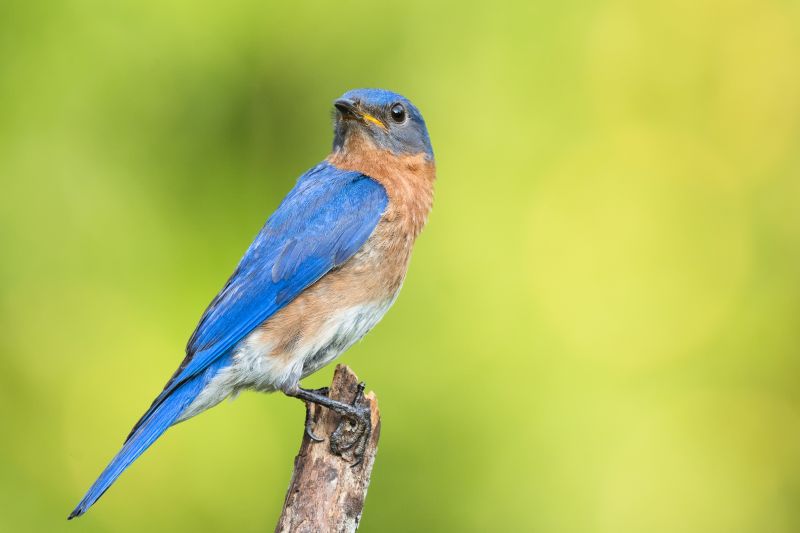
The Eastern Bluebird is a true delight to behold. With its bright blue plumage and warm orange belly, it stands out against the fresh greenery of spring. These birds are often seen perched on wires or fence posts, scanning the ground for insects. Their gentle, musical calls are a pleasant addition to the sounds of spring.
Eastern Bluebirds prefer open fields and meadows. They often nest in tree cavities or birdhouses. Watching a pair of bluebirds setting up their home is a special experience. They meticulously gather materials such as grass, pine needles, and feathers to line their nests. This ensures a cozy environment for their eggs.
During spring, Eastern Bluebirds become more active as they start their breeding season. They are known for their monogamous pairs, often staying together throughout the breeding season. Seeing these charming birds flutter about and hearing their soft calls can bring a sense of peace and happiness to any birdwatcher’s day.
4. The Goldfinch: Flash of Yellow
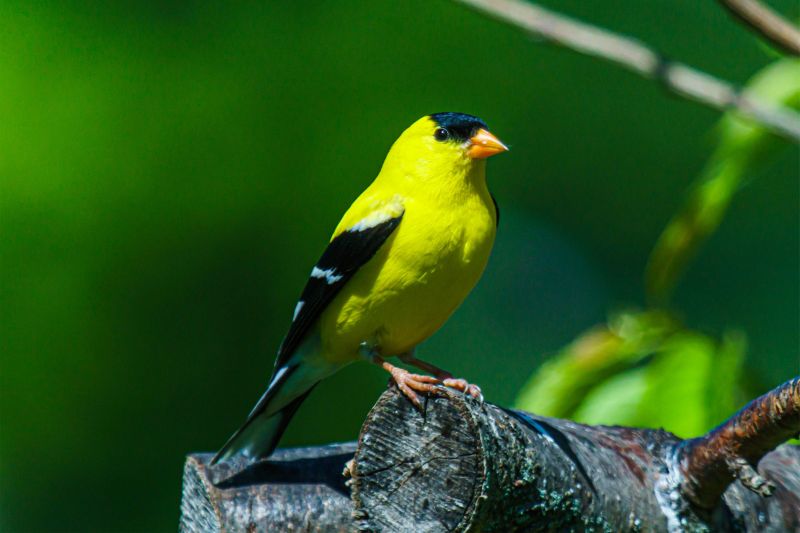
The Goldfinch, with its vibrant yellow feathers, is a true gem of the spring season. Males are especially striking, their bright yellow plumage contrasted by black wings and a black cap. These cheerful birds are often seen flitting about in fields and gardens, bringing a splash of color wherever they go.
Goldfinches have a distinctive undulating flight pattern, making them easy to identify even from a distance. They are frequent visitors to backyard feeders, particularly those stocked with thistle or sunflower seeds. Their delicate, high-pitched songs add a lovely soundtrack to spring mornings.
Goldfinches begin their nesting activities a bit later than many other birds in spring, often waiting until June or July. This delay allows them to take advantage of the abundance of seeds from late-blooming plants. Their nests are intricately woven cups, typically built in shrubs or trees. Observing these lively birds can be a delightful experience for any bird enthusiast.
5. The Red-Winged Blackbird: Marshland Singer
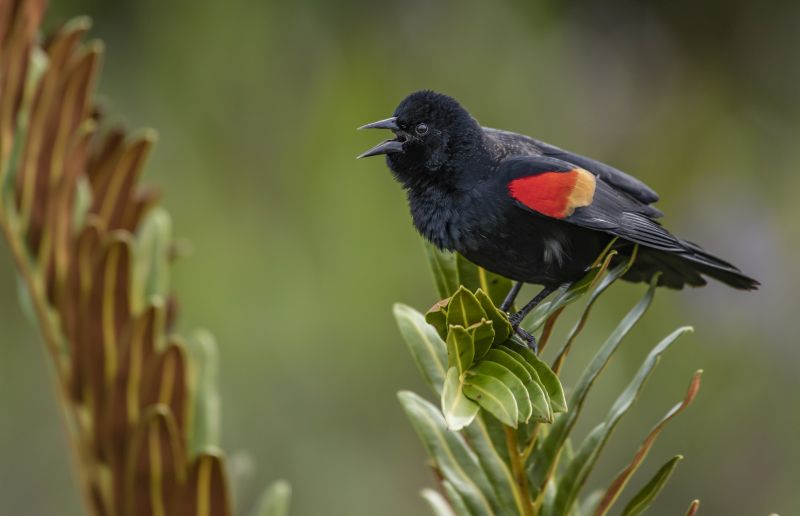
Red-Winged Blackbirds are a common sight in marshes and wetlands during spring. The males are easily recognizable by their glossy black feathers and striking red and yellow shoulder patches. These patches are often displayed prominently during territorial and mating displays.
These birds are renowned for their loud, distinctive calls. The males sing to attract mates and protect their territories. Their calls are a familiar and welcome sound in wetland areas. Watching them perch on cattails or other tall plants, singing their hearts out, is a quintessential springtime experience.
Red-Winged Blackbirds are also highly social. They often nest in colonies, with several pairs building nests close together. The nests are typically constructed from grasses and reeds, woven together and anchored to vegetation. Their presence in wetlands helps signal the arrival of spring and the beginning of a new breeding season.
6. The Warbler: Tiny Travelers
Warblers are small, colorful birds that bring a burst of energy to the spring season. With over 50 species in North America, they come in a variety of colors and patterns, each more dazzling than the last. Warblers are known for their long migratory journeys, traveling thousands of miles from their wintering grounds in Central and South America to their breeding habitats in North America.
During spring migration, warblers can be found flitting through trees and shrubs, constantly on the move as they search for insects. Their rapid movements and distinctive songs make them a favorite among birdwatchers. Spotting a brightly colored warbler among the fresh spring foliage is always a thrilling moment.
Warblers typically build their nests in concealed locations, such as dense shrubs or high tree branches. Their nests are small, cup-shaped, and made from fine grasses and plant fibers. Observing these tiny travelers as they navigate their long journeys and busy breeding season is both inspiring and enjoyable for any birdwatcher.

7. The Hummingbird: Jewel of the Garden
Hummingbirds are among the most enchanting visitors to spring gardens. These tiny birds are well-known for their shimmering, iridescent feathers and rapid wing beats. Ruby-throated Hummingbirds, in particular, are a common sight in many parts of North America. Their brilliant green plumage and sparkling red throats make them look like flying jewels.
In spring, hummingbirds return from their long migration, traveling up to 2,000 miles from Central America. They are drawn to gardens with nectar-rich flowers, such as trumpet vine, salvia, and honeysuckle. Setting up a hummingbird feeder with sugar water can also attract these delightful birds to your yard.
Watching hummingbirds hover in mid-air and dart from flower to flower is mesmerizing. Their nests are tiny, often no larger than a golf ball, and are usually built in trees or shrubs. These nests are intricately constructed from plant fibers and spider silk, making them strong yet flexible. Observing hummingbirds as they zip around your garden is a true delight.

8. The Swallow: Graceful Flyers
Swallows are known for their graceful flight and agility in the air. Barn Swallows, with their sleek blue backs, rusty throats, and forked tails, are a familiar sight during spring. These birds are highly skilled flyers, often seen swooping low over fields and water bodies as they catch insects on the wing.
During spring, swallows return from their wintering grounds in Central and South America. They often nest in barns, under bridges, and on other structures, using mud and grass to build their cup-shaped nests. Watching a colony of swallows working together to build their nests is a fascinating spectacle.
Swallows are also known for their social behavior. They often gather in large flocks, especially during migration. Their aerial acrobatics and cheerful twittering make them a joy to observe. Providing nesting sites or installing nest cups can encourage swallows to take up residence near your home, giving you the opportunity to enjoy their presence all through spring and summer.

9. The Woodpecker: Drummers of the Forest
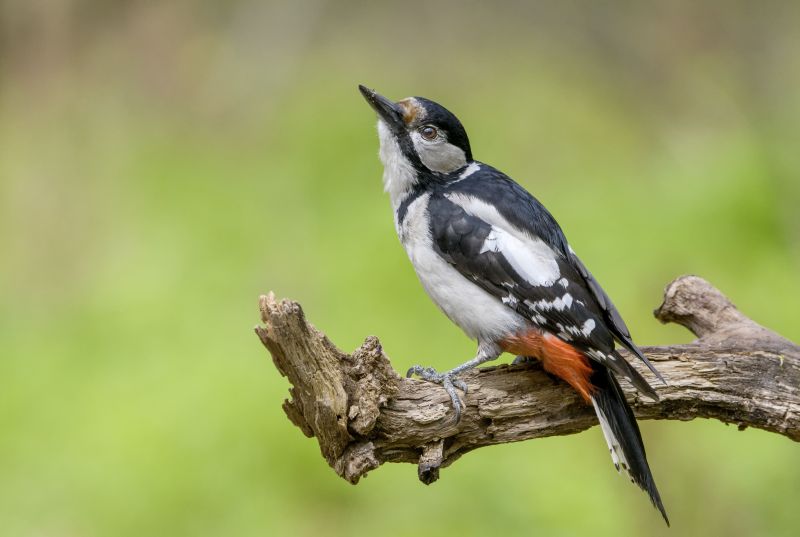
Woodpeckers are the drummers of the forest, known for their distinctive pecking behavior. Downy Woodpeckers and Red-bellied Woodpeckers are common sights in spring. These birds are instantly identifiable by their distinctive black and white patterns and their habit of drumming on trees.
In spring, woodpeckers become more active as they establish territories and search for mates. Their drumming serves both as a means of communication and as a way to excavate nesting sites and find food. Watching a woodpecker methodically pecking at a tree trunk is a testament to their strength and persistence.
Woodpeckers usually create their nests in tree cavities, which they carve out themselves. These nests offer a safe and secure place for raising their young. Offering suet feeders or leaving dead trees standing can attract woodpeckers to your yard. Their presence adds a dynamic and rhythmic element to the spring landscape.
10. The Cardinal: Year-Round Beauty
The Northern Cardinal is an enchanting bird that brings vibrant color to any setting. Males are particularly striking with their brilliant red plumage and distinctive crest, while females have a more subdued yet equally beautiful reddish-brown hue. Cardinals are often perched in shrubs or trees, singing their clear, whistling songs.
In spring, cardinals become more active and vocal as they establish territories and seek mates. They are ground feeders, often spotted foraging for seeds, insects, and berries. Their strong, conical beaks are perfect for cracking open seeds.
Cardinals construct their nests in dense shrubs or small trees, using twigs, bark, and grass. These nests are well-camouflaged, providing protection for their eggs and chicks. Cardinals are year-round residents in many areas, but their activity and visibility peak during the spring breeding season. Their bright colors and beautiful songs make them a favorite among birdwatchers.

Conclusion
Spring is a magical time for birdwatching, with diverse species returning and becoming more active. Each bird brings its unique charm and behavior, from the American Robin’s cheerful songs to the Northern Cardinal’s vibrant colors. Observing these birds as they build nests, court mates, and raise their young provides endless joy and fascination.
As you venture out with your binoculars and field guides, take the time to appreciate the subtle details of each bird’s behavior and appearance. Notice the intricate construction of a nest, the delicate feeding rituals, and the varied songs that fill the air. These moments not only enhance your birdwatching experience but also deepen your connection to nature.
Spring birdwatching also offers a chance to contribute to conservation efforts. By documenting the birds you see and sharing your observations with local birding groups or citizen science projects, you can help track bird populations and support conservation initiatives. This can be particularly rewarding, knowing that your hobby contributes to the well-being of these beautiful creatures.
Whether you’ve been birdwatching for years or just starting, the sights and sounds of spring birds are sure to delight and inspire you. The season’s vibrant colors, melodic songs, and bustling activity bring a sense of renewal and joy. So, grab your binoculars, head outdoors, and immerse yourself in the wonderful world of spring birds.