

When we think about penguins, the first images that often come to mind are those of these charming birds waddling across icy landscapes or diving gracefully into frigid ocean waters. Their distinctive black and white plumage, adorable gait, and impressive swimming abilities make them fascinating creatures to study. Penguins inhabit some of the coldest and most extreme environments on Earth, leading many to wonder about their biological adaptations. A common question that arises is whether penguins are cold-blooded.
Understanding penguin physiology is important not only for satisfying our curiosity but also for its broader implications for conservation efforts and climate change studies. Penguins are often considered indicators of ocean health, and their well-being can reflect changes in marine ecosystems. Additionally, misconceptions about penguin biology can hinder effective conservation strategies.
This article delves into the concept of cold-bloodedness, examines the unique physiological traits of penguins, and clarifies whether these beloved birds fall into the category of cold-blooded animals. By exploring the scientific evidence and dispelling common myths, we aim to provide a thorough understanding of how penguins thrive in their chilly habitats.
What Does Cold Blooded Mean?
Definition of Cold-Blooded Animals
Cold-blooded animals, or ectotherms, rely on external sources to regulate their body temperature. Unlike warm-blooded animals, which generate heat internally, cold-blooded creatures adjust their temperature by basking in the sun or seeking shade.
Characteristics of Cold-Blooded Animals
Cold-blooded animals typically exhibit the following characteristics:
- Body temperature fluctuates with the environment.
- Activity levels vary with temperature changes.
- Energy requirements are generally lower than those of warm-blooded animals.
Examples of Cold-Blooded Animals
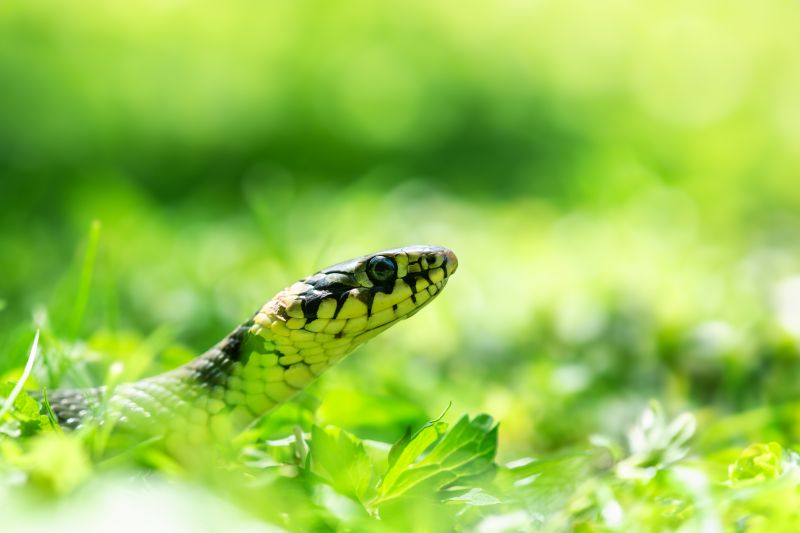
Common examples of cold-blooded animals include reptiles (like lizards and snakes), amphibians (like frogs and salamanders), and most fish. These animals often exhibit behaviors like sunbathing to increase their body temperature or hiding in cool places to avoid overheating.
Penguin Physiology
Overview of Penguin Species
Penguins are part of the Spheniscidae family, which includes 18 recognized species ranging from the majestic Emperor Penguin to the small and agile Little Blue Penguin. These species inhabit diverse environments, from the icy waters of Antarctica to the mild and pleasant shores of New Zealand and the Galápagos Islands. Despite these varied habitats, all penguins share certain physiological traits that equip them to thrive in their respective environments.
Unique Adaptations of Penguins
Penguins possess a suite of unique adaptations that enable them to survive and thrive in their environments:
Feathers: Penguins have dense, overlapping feathers that provide waterproofing and insulation. Underneath these feathers is a layer of down, which traps air and retains body heat.
Blubber: Penguins have a thick layer of blubber beneath their skin, an additional insulator and energy reserve, crucial for maintaining body heat in cold waters.
Flippers: Their flippers are adapted for powerful and efficient swimming, allowing them to propel themselves through the water at high speeds in search of food.
Streamlined Bodies: Penguins have streamlined bodies that reduce drag while swimming, making them adept hunters in the marine environment.
Counter-Current Heat Exchange: Their circulatory system includes a counter-current heat exchange mechanism in their flippers and legs, which minimizes heat loss in cold water.
Warm-Blooded Versus Cold-Blooded Traits
Penguins, like all birds, are warm-blooded (endothermic) animals. This means they can regulate their body temperature internally through metabolic processes, maintaining a stable body temperature regardless of external conditions. This trait is critical for their survival in the extreme climates many penguin species inhabit.

Are Penguins Cold Blooded?
Explanation of Penguin Thermoregulation
Penguins regulate their body temperature through a combination of physical and behavioral adaptations. Their dense feathers trap a layer of air close to the skin, providing excellent insulation against the cold. Their blubber layer also plays a significant role in retaining body heat. Additionally, penguins can adjust their blood flow to extremities to reduce heat loss in cold environments.
Evidence of Penguins Being Warm-Blooded
Scientific studies have confirmed that penguins maintain a constant internal body temperature, typically around 38-40°C (100-104°F). This ability to regulate their internal temperature is a defining characteristic of warm-blooded animals. Penguins generate heat through metabolic processes, allowing them to remain active and functional even in freezing conditions.
Comparison with Other Birds and Mammals
Like other birds and mammals, penguins possess a high metabolic rate that generates heat. This high metabolic rate is essential for sustaining their energy-intensive activities, such as swimming long distances and diving to great depths for food. In contrast, cold-blooded animals, or ectotherms, depend on external heat sources and often have lower metabolic rates, which limit their activity levels in cold environments.

How Penguins Survive in Cold Environments
Insulating Features: Feathers and Fat Layers
Penguins have several insulating features that protect them from the cold:
Feathers: Their feathers are highly specialized for insulation. The outer feathers are tightly packed and waterproof, while the inner down feathers trap a layer of warm air close to the skin.
Blubber: The blubber layer beneath their skin provides both insulation and an energy reserve, which is especially important during long fasting periods when they are incubating eggs or molting.
Behavioral Adaptations: Huddling and Migration
Penguins exhibit various behavioral adaptations to cope with cold environments:
Huddling: Emperor Penguins, for instance, huddle together in large groups to conserve warmth during the harsh Antarctic winter. By rotating positions, each penguin spends time in the warmer interior of the huddle, reducing overall heat loss.
Migration: Some penguin species migrate to warmer areas or different locations within their range to find food and suitable breeding grounds, thereby avoiding the coldest periods of their habitat.

Physiological Adaptations: Metabolic Rate and Circulation
Penguins have developed several physiological adaptations to survive in cold environments:
High Metabolic Rate: Penguins maintain a high metabolic rate, which generates the heat necessary to keep their bodies warm. This metabolic heat production is crucial for sustaining their activities and bodily functions in cold temperatures.
Counter-Current Heat Exchange: Their circulatory system is adapted to minimize heat loss through a counter-current heat exchange mechanism. In this system, warm arterial blood flowing to the extremities warms the cooler venous blood returning to the heart, thereby conserving body heat.
By integrating these physical, behavioral, and physiological adaptations, penguins can effectively survive and thrive in some of the harshest environments on Earth. Understanding these adaptations not only sheds light on the incredible resilience of penguins but also provides valuable insights into the broader mechanisms of animal survival in extreme conditions.

Misconceptions About Penguins
Common Myths About Penguin Biology
A common misconception is that penguins, due to their cold habitats, must be cold-blooded. This myth likely arises from a misunderstanding of how animals adapt to extreme environments.
Clarification of Scientific Facts
Penguins are unequivocally warm-blooded animals. Their ability to generate and retain heat internally enables them to thrive in some of the coldest places on Earth.
Impact of These Misconceptions on Public Understanding
Misconceptions about penguins can lead to a lack of appreciation for their unique adaptations and the challenges they face in their natural habitats. Accurate knowledge is essential for effective conservation efforts and fostering a deeper respect for these remarkable birds.

Conclusion
In summary, penguins are not cold-blooded; they are, in fact, warm-blooded birds with a range of fascinating adaptations that enable them to maintain a stable body temperature in some of the harshest and coldest environments on the planet. This warm-blooded trait, or endothermy, is crucial for their survival, allowing them to stay active and thrive in icy waters and freezing temperatures. Their physiological and behavioral adaptations, such as dense feathers, a thick layer of blubber, huddling behaviors, and an efficient circulatory system, are all testament to the incredible evolutionary journey penguins have undergone.
Understanding the true nature of penguin physiology not only debunks common myths but also enhances our appreciation for these remarkable creatures. The misconception that penguins are cold-blooded might arise from their icy habitats, but it’s their warm-bloodedness that equips them to survive and flourish in such extreme conditions. This distinction is vital for accurate scientific knowledge, which in turn informs effective conservation strategies.
Penguins are often seen as sentinels of ocean health, with their well-being closely linked to changes in marine ecosystems. As climate change continues to impact their habitats, understanding their biological needs and challenges becomes even more critical. Accurate information about penguin physiology helps develop targeted conservation efforts and ensures that these birds can continue to thrive despite environmental changes.
Furthermore, the study of penguins and their adaptations provides broader insights into the mechanisms of thermoregulation and survival strategies in extreme environments. This knowledge can have applications beyond ornithology, influencing factors like climate science, conservation biology, and even biomimicry in technology and engineering.
In conclusion, penguins are extraordinary examples of nature’s ingenuity, showcasing how life can adapt and endure in the most unlikely places. By appreciating and understanding their warm-blooded nature, we can better support their conservation and ensure that coming generations can continue to marvel at these iconic inhabitants of the polar regions. The story of penguins is not just about survival in the cold; it’s a testament to the resilience and adaptability of life itself.