
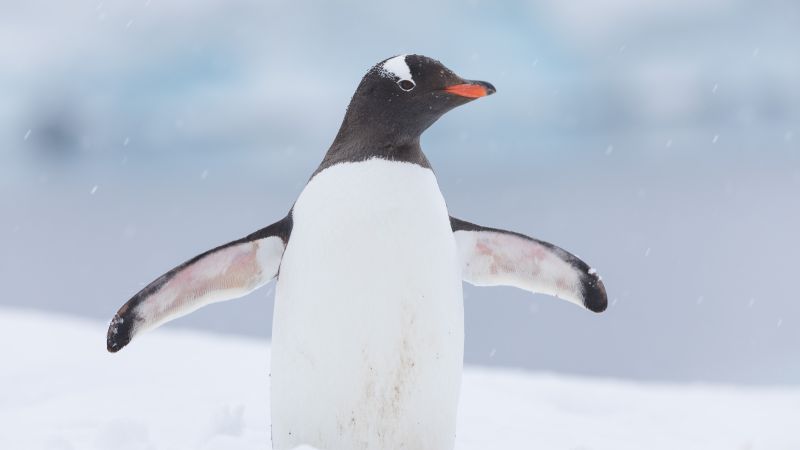
Today, we delve into a fascinating question that often sparks curiosity among nature lovers: Do penguins have wings? Penguins, those iconic inhabitants of the southern hemisphere, captivate us with their unique appearance and graceful movements underwater. Yet, their anatomy raises intriguing questions about what constitutes wings in the avian world. Let’s embark on a journey to unravel the secrets of penguin anatomy and understand why these incredible birds are both similar to and different from their airborne counterparts.
Understanding Penguin Anatomy
Types of Wings in Birds
In the realm of birds, wings serve a crucial role in flight and mobility. They are typically characterized by a combination of feathers and specialized bones that facilitate aerial maneuverability. For flying birds, wings are essential for lift, thrust, and control during flight, enabling them to navigate the skies with agility and grace.
Penguin Adaptations
Penguins, however, present a unique case in the avian world. Evolved for life in the sea rather than the sky, these birds have undergone remarkable adaptations that set them apart from their flying relatives. While they possess wings similar in structure to those of flying birds—comprising feathers and bones—penguin wings have evolved to serve primarily aquatic functions rather than aerial ones.
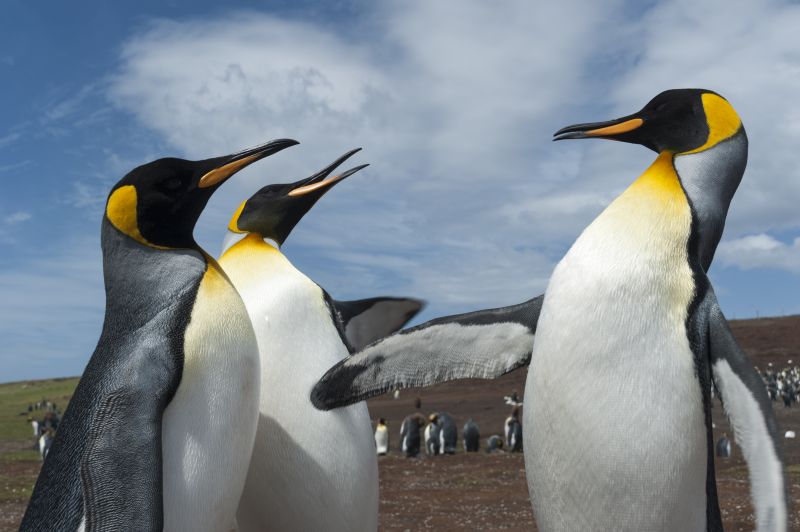
Penguins’ wings are more appropriately termed “flippers,” reflecting their adaptation for swimming rather than flying. These flippers are flattened and streamlined, ideal for efficient propulsion through water. Unlike the flexible, jointed wings of flying birds, penguin flippers are stiff and paddle-like, allowing them to generate powerful thrusts underwater.
Bone Structure
The bone structure of penguin wings also differs significantly from that of flying birds. Penguins have robust, dense bones that provide strength and rigidity, essential for withstanding the pressures of deep dives and rapid underwater movements. These adaptations enhance their agility and maneuverability in their aquatic habitat, where precise control and speed are critical for hunting and evading predators.
Understanding these unique adaptations sheds light on why penguins, despite having wings, are unable to fly. Instead of using their wings for airborne locomotion, penguins have evolved to excel in the water, where their streamlined bodies and specialized appendages enable them to thrive in some of the world’s coldest and most challenging environments.
Examining Penguin Wings
Structural Characteristics
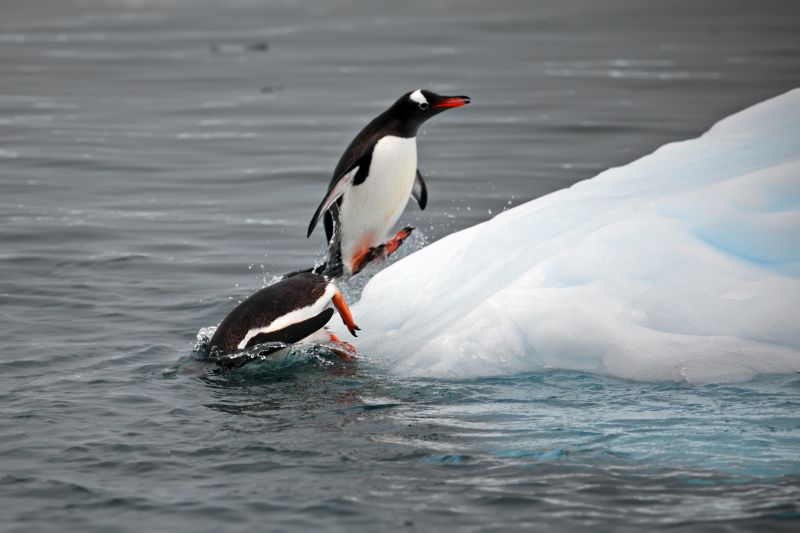
Penguin wings exhibit distinctive structural characteristics tailored to their aquatic lifestyle. Unlike the flexible, jointed wings of flying birds, penguin wings are flattened and rigid, resembling paddles rather than traditional wings. This morphology enhances their efficiency in underwater propulsion, allowing penguins to navigate swiftly through the ocean depths.
Penguin wings are covered with densely packed and tightly interlocked feathers, which provide insulation and hydrodynamic efficiency during swimming. These feathers are crucial for maintaining body temperature in frigid waters and reducing drag while maneuvering through the water column.
Bone Structure
The bone structure of penguin wings also reflects their adaptation to underwater life. Penguin wing bones are dense and solid, offering structural integrity and durability. Unlike the hollow bones of flying birds, which are optimized for minimizing weight and maximizing flight efficiency, penguin wing bones are designed to withstand the pressures of deep dives and rapid swimming movements.
Specific adaptations in penguin wing bones include reinforced joints and robust articulations that enhance stability and precision during underwater maneuvers. These adaptations allow penguins to execute agile turns, dives, and accelerations while hunting for fish and evading predators in their aquatic environment.
Functions of Penguin Wings
Although adapted primarily for swimming rather than flying, penguin wings serve essential roles in these remarkable seabirds’ survival, behavior, and ecology.
Swimming vs. Flying
Penguin wings are primarily adapted for swimming rather than flying. The streamlined shape and stiff structure of their wings enable penguins to propel themselves efficiently through water, relying on powerful thrusts generated by their flipper-like wings. This adaptation allows them to pursue prey, navigate through strong currents, and evade predators with remarkable agility.
Adaptations for Underwater Life
In addition to propulsion, penguin wings serve other critical functions in their underwater lifestyle. They are used for balance and stability during swimming, enabling penguins to maintain control and maneuverability in varying aquatic conditions. Wing movements also play a role in communication and social interactions among penguins, contributing to their complex social behaviors and reproductive rituals.
Understanding the multifaceted functions of penguin wings provides insights into the adaptations that have enabled these birds to thrive in diverse and often harsh environments. By scrutinizing the structural and functional aspects of penguin wings, we gain a deeper appreciation for the remarkable adaptations that define these iconic seabirds.
Functions of Penguin Wings
Penguin wings, although adapted primarily for swimming rather than flying, serve essential roles in the survival, behavior, and ecology of these remarkable seabirds.
Swimming Efficiency
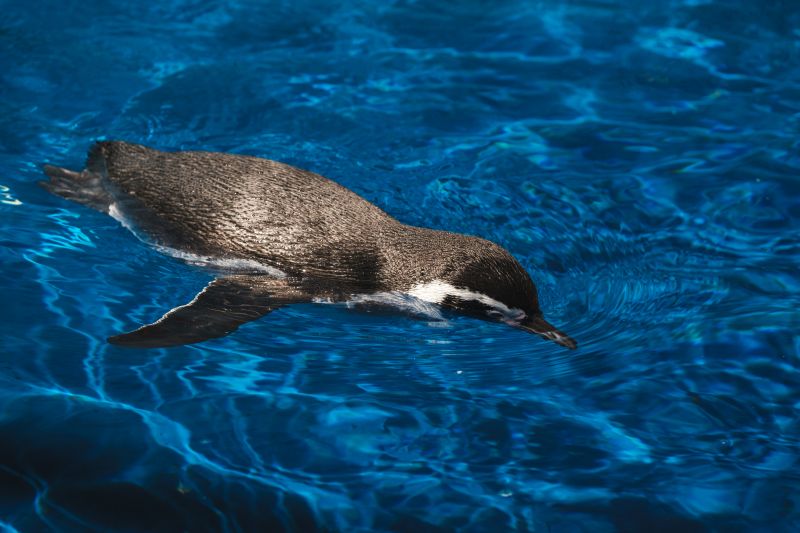
Penguin wings, known as flippers, are perfectly adapted for efficient underwater propulsion. The flattened, paddle-like shape and stiff structure of their wings allow penguins to generate powerful thrusts through the water. This adaptation enables them to reach impressive speeds and maneuver with agility while hunting for fish, their primary prey.
Hydrodynamic Design
The hydrodynamic design of penguin wings reduces drag and turbulence, enhancing their swimming efficiency. The tightly packed feathers and streamlined shape minimize resistance as penguins glide through the water, conserving energy and allowing them to cover long distances in search of food.
Thermal Regulation
In addition to propulsion, penguin wings play a crucial role in thermal regulation. Penguins inhabit some of the coldest environments on Earth, where water temperatures can drop below freezing. The dense layer of feathers covering their wings provides insulation, helping to maintain their body temperature within a narrow, optimal range even in icy waters.
Countercurrent Heat Exchange
Penguins have a unique adaptation known as countercurrent heat exchange in their wings. Blood vessels in their flippers are arranged to allow warm arterial blood to flow to the flippers to transfer heat to the cooler venous blood returning to the body. This efficient heat exchange mechanism helps penguins conserve energy and prevent heat loss during prolonged periods in cold water.
Communication and Social Interactions
Beyond physical adaptations, penguin wings also play a role in communication and social interactions within colonies. Wing displays, such as stretching and waving, are used by penguins to communicate dominance, establish territory, and attract mates. These behaviors are crucial during breeding seasons when penguin colonies are bustling with activity.
Courtship Rituals
During courtship rituals, male and female penguins engage in elaborate displays involving their wings. Wing flapping and positioning are used to reinforce pair bonds and synchronize their movements, which is essential for successful breeding and raising offspring in the challenging Antarctic environment.
Parental Care
Penguin wings are instrumental in parental care, particularly during the incubation and feeding of chicks. Both penguin parents take turns when in incubating eggs and protecting chicks from the elements. The warmth provided by their wings is essential for keeping eggs and young chicks at optimal temperatures until they are ready to fledge.
Brooding and Feeding
While brooding, penguins use their wings to shield chicks from cold winds and snow, ensuring their survival in harsh conditions. Once chicks hatch, parents use their wings to gather and regurgitate food, nourishing their hungry offspring with nutrient-rich fish and squid obtained from distant foraging grounds.
Understanding the diverse functions of penguin wings highlights the intricate adaptations that enable these birds to thrive in their challenging marine and Antarctic environments. By studying the roles of wings in swimming efficiency, thermal regulation, communication, and parental care, we gain a deeper appreciation for penguins’ remarkable resilience and adaptability as a species.
Behavioral Insights
Penguins exhibit a range of fascinating behaviors that involve using their wings, which contribute to their social dynamics, survival strategies, and ecological roles in their marine habitats.
Communication Through Wings
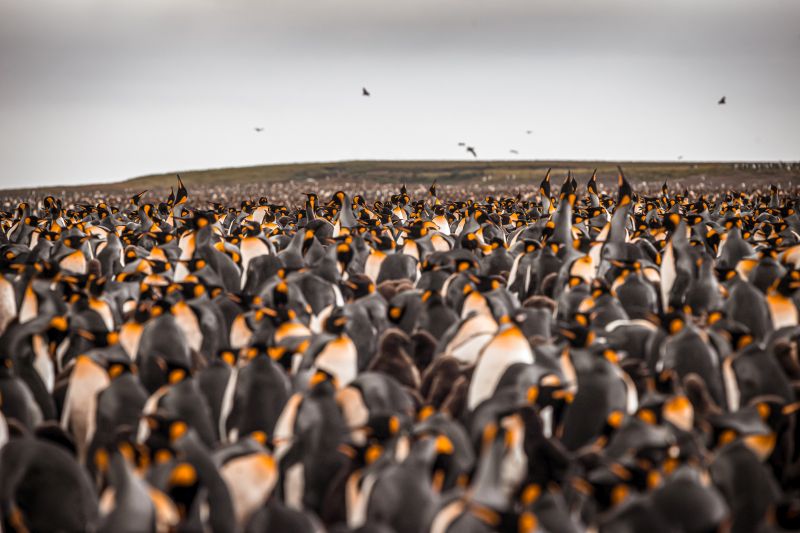
Wing displays play a crucial role in penguin communication and social interactions within colonies. Penguins use various wing movements, such as stretching, flapping, and waving, to communicate dominance, establish territory boundaries, and signal readiness to mate. These behaviors are integral during breeding seasons when colonies are bustling with activity and competition for nesting sites.
Thermoregulation Strategies
In addition to insulation provided by their feathers, penguins utilize their wings for thermoregulation in cold Antarctic waters. They are able to regulate blood flow to their extremities, including their flippers, to conserve heat and minimize heat loss. This adaptive strategy helps them keep their core body temperature stable, which is crucial for surviving in frigid marine environments.
Behavioral Adaptations
Penguin wings play a critical role in parental care and nesting behavior. During incubation, parents use their wings to cover and protect eggs or chicks from the elements, shielding them from cold winds and snow. This brooding behavior ensures the survival of offspring in harsh Antarctic conditions until they are ready to fledge and become independent.
Courtship Displays
During courtship rituals, penguins engage in elaborate displays involving their wings to attract mates and reinforce pair bonds. Male and female penguins may perform synchronized wing movements, such as mutual preening or flapping, as part of their courtship behavior. These displays not only facilitate mate selection but also establish social bonds crucial for successful breeding and raising offspring.
Foraging and Hunting Strategies
When hunting for fish and squid in the ocean, penguins rely on their wings for efficient underwater navigation and maneuverability. The streamlined shape and powerful strokes of their flipper-like wings allow them to propel themselves swiftly through the water, pursuing agile prey with precision. This hunting strategy is essential for meeting their energetic demands and ensuring survival in competitive marine ecosystems.
By studying the behavioral insights related to penguin wings, researchers gain valuable insights into the ecological roles and social dynamics of these iconic seabirds. Each aspect of penguin behavior, from communication and thermoregulation to parental care and foraging strategies, underscores their remarkable resilience and adaptability in challenging marine environments.
Conclusion
The study of penguin wings reveals a fascinating adaptation to life in the Antarctic and subantarctic regions, where these birds have evolved unique strategies for survival and reproduction. While penguins possess wings structurally similar to those of flying birds, their adaptation for swimming rather than flying exemplifies their specialized niche in the avian world.
Penguin wings, known as flippers, are optimized for efficient underwater propulsion, enabling these birds to navigate icy waters with agility and speed. Beyond locomotion, penguin wings play pivotal roles in thermoregulation, communication, and parental care. The dense layer of feathers covering their wings provides insulation against the cold, while wing displays and movements facilitate social interactions and courtship rituals within colonies.
Penguins are able to in some of the harshest environments on Earth. Their ability to balance the demands of foraging, breeding, and raising offspring underscores their resilience and adaptability as a species. By understanding the multifaceted functions of penguin wings, we gain deeper insights into the intricate interplay between anatomy, behavior, and ecology in these charismatic seabirds.
As we continue to explore and protect Antarctic ecosystems, the study of penguin wings reminds us of the remarkable diversity and resilience of life in polar regions. By preserving their habitats and understanding their unique adaptations, we can ensure a future in which penguins continue to enchant and inspire us with their remarkable journeys beneath the waves.