
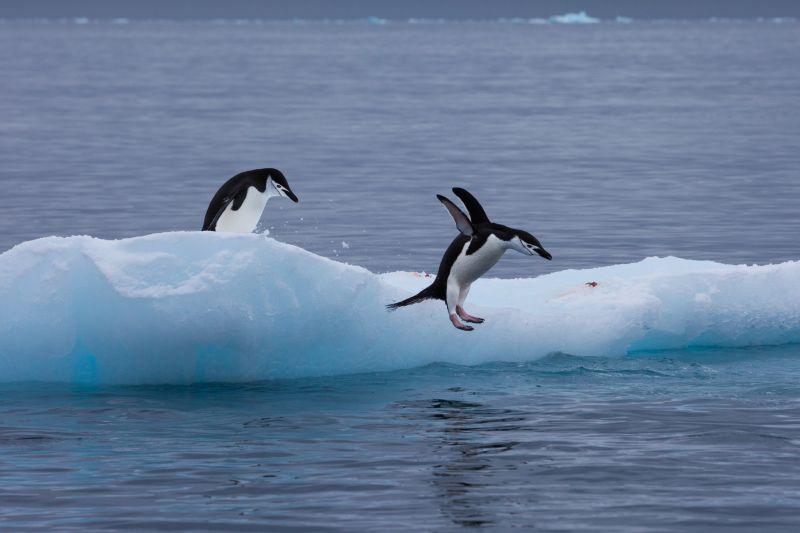
Have you ever found yourself pondering a seemingly simple question: Is a penguin a bird? It’s one of those delightful queries that pops up now and then. We all know penguins are fascinating creatures, but they sure are different from most birds we’re used to seeing. They waddle, they swim, and they don’t take to the skies.
In the birdwatching community, we love to explore and understand the diverse world of avians. So, let’s delve into this exciting topic. What makes a penguin fit into the bird category? Let’s uncover the details and celebrate these unique birds.
What Defines a Bird?
Birds are a captivating group of animals. They share several key characteristics that set them apart from other creatures. Let’s explore these defining features.
Feathers
Feathers are perhaps the most iconic trait of birds. They come in various types and functions—some for flight, others for insulation, and some just for display. Feathers are essential for a bird’s survival and play a role in temperature regulation.
Beak
Birds possess beaks instead of teeth. Beaks vary greatly in shape and size, adapted to different diets and environments. This structure helps them catch food, build nests, and interact with their surroundings.
Egg-laying
Birds lay eggs, which is a crucial aspect of their reproductive process. These eggs have hard shells made of calcium carbonate, which protect developing embryos.
Hollow Bones
Birds have lightweight, hollow bones that reduce their body weight. This adaptation is vital for flight, allowing birds to soar through the skies with ease.
Warm-blooded Nature
Birds are warm-blooded, meaning they maintain a constant body temperature. This characteristic supports their high metabolism, enabling them to be active and energetic throughout the day.
Penguins: An Overview
Penguins are truly remarkable birds. They’re easily recognizable with their tuxedo-like appearance and distinctive waddling gait. Let’s take a closer look at these fascinating creatures.
Description and Habitat
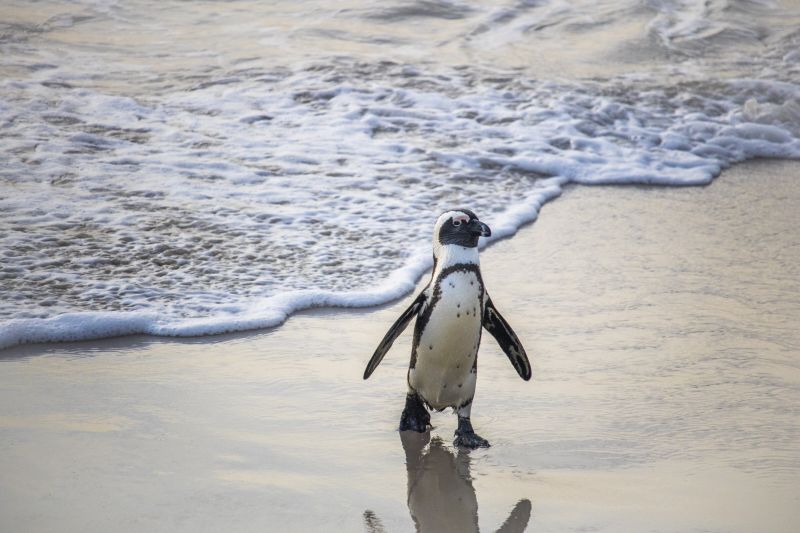
Penguins have a unique look characterized by their black and white plumage. Their bodies are streamlined, perfect for swimming. These birds are primarily found in the Southern Hemisphere, with most species residing in Antarctica. However, some penguins live in more temperate or even tropical regions.
Species Diversity
There are about 18 recognized species of penguins. Each species has adapted to its distinct environment. From the Emperor Penguin, the largest of them all, to the Little Blue Penguin, the smallest, each has its own special traits and behaviors. Penguins vary in size, diet, and social structure, showcasing the diversity within this charming group of birds.
Do Penguins Meet the Criteria for Birds?
Let’s see how penguins measure up to the classic bird characteristics. Penguins have some unique traits, but do they fit the bill for being birds?
Feathers
Penguins, like other birds, are covered in feathers. These feathers are dense and waterproof, essential for their life in the water. These specialized feathers help them stay warm and buoyant while swimming.
Beak
Penguins have beaks, though they differ from those of flying birds. Their beaks are adapted for catching and eating fish, with sharp edges and a strong grip. This adaptation helps them thrive in their aquatic environments.
Egg-laying
Penguins lay eggs, a fundamental trait of birds. Their eggs are incubated in nests, often made from pebbles or other materials. Both parents take turns to keep the eggs warm and protect them until they hatch.
Hollow Bones
Unlike most flying birds, penguins have solid bones. This adaptation may seem odd, but it actually helps them dive and swim more efficiently. Their bone structure is designed to reduce buoyancy and improve their swimming capabilities.
Warm-blooded Nature
Penguins are warm-blooded, maintaining a constant body temperature. This trait is crucial for surviving in their often frigid environments. Their high metabolism supports their energetic lifestyle, both on land and in the water.
Unique Adaptations of Penguins
Penguins have some truly remarkable adaptations that make them stand out among birds. Their features are finely tuned to their environment.
Adaptations for Swimming
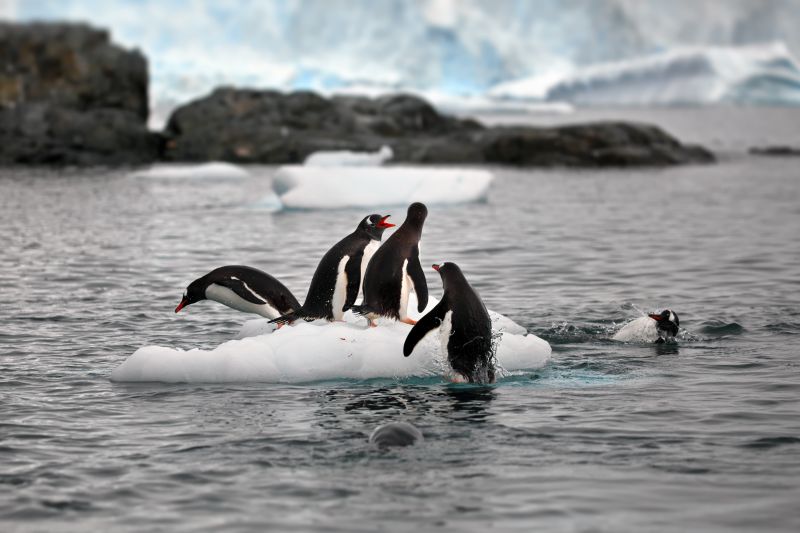
Penguins are exceptional swimmers. Their bodies are streamlined, reducing water resistance. Their wings have evolved into flippers, ideal for propulsion in water. These flipper-like wings allow them to “fly” through the ocean with agility. Penguins also have webbed feet and powerful legs that aid in maneuvering underwater.
Adaptations for Life in Cold Environments
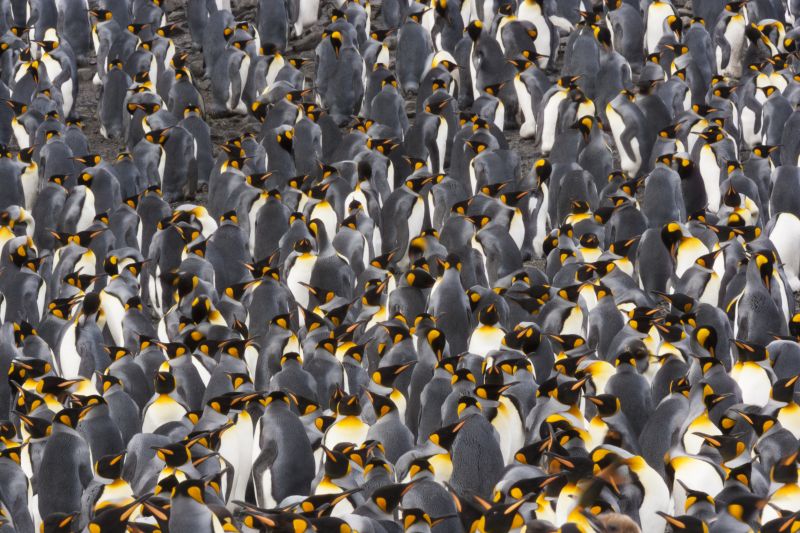
Penguins are well-equipped for cold climates. They have a layer of blubber just under their skin for insulation against the cold. Their feathers are densely packed and waterproof, which helps them stay dry and retain body heat. They huddle together in large groups during harsh weather to keep warm, sharing body heat and providing protection from the elements.
Social Behaviors and Breeding
Penguins have developed unique social behaviors suited to their environment. Many penguin species engage in elaborate courtship displays and vocalizations to attract mates. During the breeding season, they often form large colonies. This social structure ensures safety in numbers and ensures successful rearing of their young in harsh conditions.
Common Misconceptions About Penguins
Despite their charm, penguins are often misunderstood. Let’s clear up some common myths about these fascinating birds.
Misconception: Penguins are Mammals
Some people mistakenly think penguins are mammals because they can’t fly and have a somewhat unusual appearance. In reality, penguins are birds. They have feathers, lay eggs, and possess beaks—accurate indicators of their avian nature.
Misconception: Penguins are Not Birds Due to Their Inability to Fly
Another common misconception is that penguins are not birds because they don’t fly. While it’s true that penguins are flightless, they have evolved other remarkable adaptations. Their wings have turned into flippers, enabling them to excel in swimming. Flightlessness doesn’t disqualify them from being birds; it’s just a different evolutionary path.
Conclusion
Penguins, with their unique adaptations and charming behaviors, are indeed birds. They have feathers, lay eggs, and possess beaks, fitting all the essential criteria of avian classification. Their inability to fly is simply a testament to their remarkable evolution as superb swimmers. Understanding these traits helps us appreciate the incredible diversity within the bird world. Penguins continue to fascinate and inspire with their distinctive adaptations and lifestyles.