
Whether you’re a seasoned birdwatcher or just getting started, Long Island, New York, is a great place to discover and watch birds. It is good for birdwatching all year round. There are many species of birds to be found there, including some well-known birdwatching hotspots. Long Island has been hailed as a national wildlife refuge, a sanctuary for environmental conservation in New York, New York. It is one of the best places to observe birds in their natural habitats.
Long Island consists of many acres of marshes or wetlands, beaches along the Atlantic shoreline, forests, over 500 lakes and ponds, forests and more than 30 miles of streams. The biggest lake is Lake Ronkonkoma.
There are many trails in the various parks and preserves on Long Island, making the various habitats accessible to the public. Affordable environmental programs are also offered and birding activities to members of various birding groups.
There are many different species of birds and various well-known birdwatching sights. Bald Eagles can be seen in the refuge at Montauk Point State Park during winter.
Pine Barrens

Pine Barrens, characterized by dense forests on large tracts of land with few people, are found in the eastern United States, from Massachusetts to Maryland. The name “Pine Barrens” refers to the fact that they often contain pine trees.
Pine Barrens are home to a variety of songbirds such as warblers, sparrows, and thrushes; as well as some birds of prey such as American Kestrels, Northern Harrier Hawks, Cooper’s Hawks, and Peregrine Falcons.
They are also great for night-time birdwatching. Some of the best birdwatching spots on Long Island can be found in the pine barrens.

Some birdwatching spots on Long Island:
1. Caumsett State Historic Park Preserve

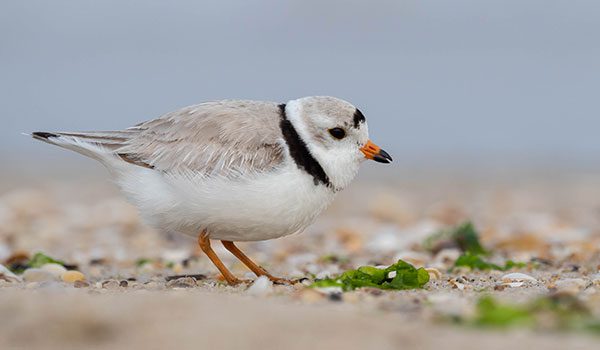
The Preserve consists of woodlands, rocky shores and salt marshes. Endangered shore birds such as Least Terns and Piping Plovers can be found there nesting along the shore. Osprey, Common Loons and Winter Ducks are found in the salt marshes.
Some other birds to spot there are Egrets, Red-Tailed Hawks, Barn Swallows, American Robins, Chimney Swifts, Canada Geese, Greater White-Fronted Geese, White-Eyed Vireos, Warbling Vireos, Black-Throated Green Warblers, Black-And-White Warblers, and Nashville Warblers.
2. Connetquot River State Park Preserve

The Preserve includes sandy pine barrens, wetlands, ponds and woodlands and is situated in central Long Island along the Connetquot River.
Some woodland birds that can be spotted in the Preserve are Rufous-Sided Towhees, Black-Capped Chickadees, Pine Warblers, Yellow-throated Warblers, Catbirds and Eastern Bluebirds.
Waterfowl such as Hooded Mergansers. Common Mergansers, Ring-Necked Ducks, Pintails and Gadwall are also found around the water ways.
3. Montauk Point State Park

Montauk Point State Park is the easternmost point of the South Fork of Long Island, with the Montauk Point Lighthouse overlooking the Atlantic Ocean. A large part of the area is under public ownership. The area consists of wetlands and shoreline habitats.
Montauk Point is a wintering spot for waterfowl and boasts the largest concentration of wintering sea ducks in the state of New York.
Some of the sea birds spotted there include Common Eiders, Long-tailed Ducks, Surf Scoters, White-winged Scoters, Black Scoters, Red-breasted Mergansers, Greater Scaup, Common Goldeneyes, King Eiders, Common Terns and Harlequins.
Some wetland birds include American Black Ducks, Least Bitterns, Northern Harriers, and Red-shouldered Hawks.
Other birds found there: Northern Bobwhites, American Woodcocks, Eastern Kingbirds, Gray Catbirds, Brown Thrashers, Blue-winged Warblers, Prairie Warblers, Eastern Towhees, and Field Sparrows.
4. Oyster Bay National Wildlife Refuge

Oyster Bay National Wildlife Refuge is situated on the Northshore of Long Island. It boasts a large number of pelagic (sea) birds. Some birds found there are Canada Geese, American Wigeons, American Black Ducks, Mallards, Canvasbacks, Greater Scaups, Long-tailed Ducks, Buffleheads, Common Goldeneyes, and Red-breasted Mergansers.
Nonbreeding waterbirds found there include Double-crested Cormorants, Herring Gulls, Common Terns, Forster’s Terns, Herons and Egrets.
Some migratory songbirds are found there during the spring and fall migrations.
5. Shu Swamp Preserve

Shu Swamp Preserve was established to preserve wildlife. It is a treat for birdwatchers. There is a path on a raised walk way that takes you through the swamp. Various viewing stations are found along the path. Waterfowl and songbirds are found in the preserve.
Some birds that may be spotted there are Mallards, Black Ducks, Common Grackles, Red-winged Blackbirds, White-throated Sparrows, American Robins, European Starlings, Eastern Phoebes, Swamp Sparrows, Pine Warblers, Yellow-rumped Warblers, Canada Geese, Tree Swallows, White-crowned Sparrows and Lesser Yellow-legs.
6. Theodore Roosevelt Sanctuary and Audubon Center

The 14 acres of the Theodore Roosevelt Sanctuary and Audubon Centre, established in 1923, is managed by Audubon, New York. There are several small ponds in the sanctuary and short hiking trails. The park is named after Theodore Roosevelt, who contributed to the preservation of the environment. As a resident of Long Island, his legacy lives on in the conservation of the island and maintaining its natural heritage. He lived at Sagamore Hill, Oyster Bay from 1885 until his death in 1919. His grave is at the Theodore Roosevelt Sanctuary.
Some birds that can be spotted enjoying the natural flora are Common Grackles, Hermit Thrushes, American Goldfinches, Eastern Wood-Pewees, Ovenbirds, Ospreys, Red-tailed Hawks and Turkey Vultures.
7. Sweetbriar Nature Center

The Sweetbriar Nature Center offers guided owling walks in the winter, as this is when owls are more active. Long Island is the home of the Great Horned Owl, a large bird of prey, with a wingspan of up to five feet. They get their name from the distinctive tufts of feathers on their heads, that resemble horns.
Seatuck Environmental Association
The only birding competition that is island-wide is Seatuck’s Birding Challenge. The purpose of the challenge is to promote bird watching, wildlife conservation and open space preservation across the region. Seatuck is committed to wildlife conservation work and the challenge is one of the ways that they can educate and involve the community in their conservation efforts. The event is open to anyone from novice bird watchers to expert birders. It takes place in the fall as the fall migration period provides great diversity and large numbers of birds to be spotted and recorded.

FAQ
When is the best time to go birdwatching?
One of the best times to go birdwatching is at dawn or dusk when many birds are active. During the day, you can still see plenty of birds, but they may be more difficult to spot.
How do I identify the birds?
The best way to identify the birds is by looking at their feathers. Their beaks tell you what they like to eat. Their feet tell you if they perch, hop or wade.
What birds are most common in New York?
If you would like to find out about the other birds in New York State, 27 of the Most Common Backyard Birds in New York will give you a small preview of what you can find in the State.
Why might there be lots of small birds flying and diving?
It is possible that the birds are looking for food such as flying insects or there could be a predator nearby. Without further observations, it is impossible to know what is driving their behavior.