

If you’re reading this, then just like me, you’re probably passionate about the wonderful world of birdwatching.
Europe, with its diverse habitats and migratory routes, has always been a haven for birdwatchers. It’s a continent that offers a rich tapestry of sights and sounds, from the rugged coasts of Scotland to the pristine lakes of Romania. Every nook and cranny seems to hide a feathered friend waiting to be spotted.
Factors to Consider When Choosing a Birdwatching Spot in Europe
Before we dive into the list, it’s essential to plan your birdwatching trips carefully. Here’s what I’ve learned from my experiences:
Migration Routes and Seasonal Patterns:
Birds are travelers. They move according to seasons. Knowing migration patterns can greatly enhance the variety of species you spot.
Some areas are fantastic in Spring, while others shine in Autumn. Research beforehand and align your trips with these patterns.
Specific Avian Species:
Everyone has their bucket list. Perhaps it’s the majestic Golden Eagle or the elusive Iberian Lynx. Choose locations known for the species you’re eager to observe.
Accessibility and Amenities:
Not all birdwatching spots are easy to reach. Some might require a hike, while others might be a short walk from a parking spot.
Also, consider the facilities available. A site with nearby accommodations or bird hides can make the experience more comfortable.
1. Camargue, France
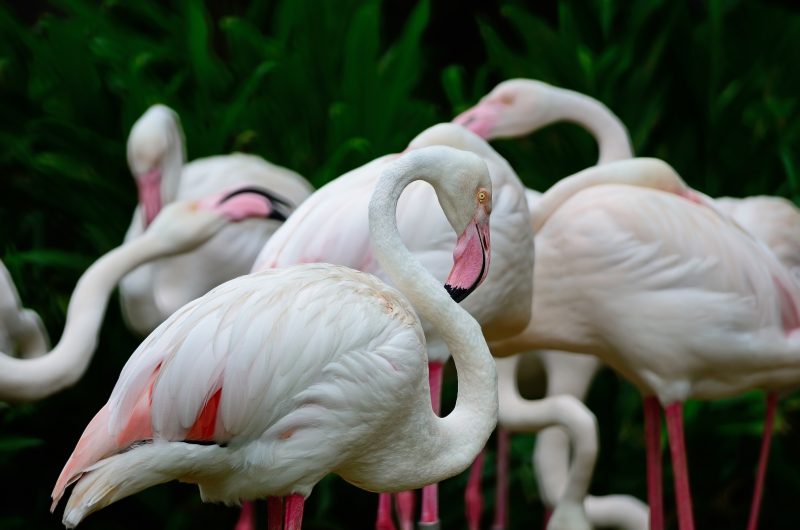
Camargue is a birdwatcher’s paradise nestled in the heart of France. This vast wetland offers a unique blend of salt flats, lagoons, and marshes.
The star attraction? The elegant Greater Flamingo, often seen dancing in the shallows. But there’s more. The White Stork also calls Camargue home, soaring majestically against the blue sky.
The best time for a visit? Spring and Autumn, when the area is alive with activity.
Be prepared to be mesmerized, as Camargue offers a birdwatching experience that is both enchanting and unforgettable.
2. Białowieża Forest, Poland/Belarus
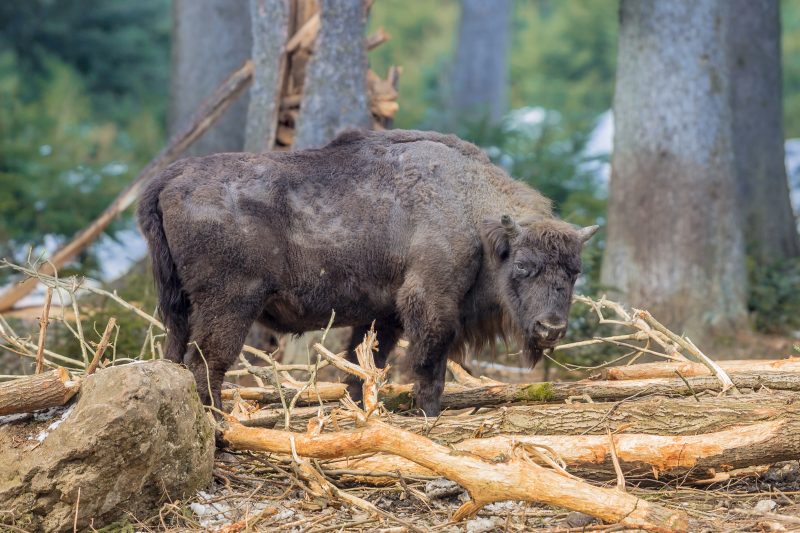
Białowieża Forest is Europe’s last untouched wilderness. Straddling Poland and Belarus, this primeval forest teems with avian wonders.
The White-backed Woodpecker, with its distinctive call, is a joy to spot. Then there’s the European Bison, though not a bird, it adds to the forest’s allure.
A trip in Spring or early Summer promises not just bird sightings, but also a journey back in time. Białowieża feels untouched, unspoiled, and is a testament to nature’s grandeur.
Every step taken here feels like a dance with history and nature.
3. Doñana National Park, Spain
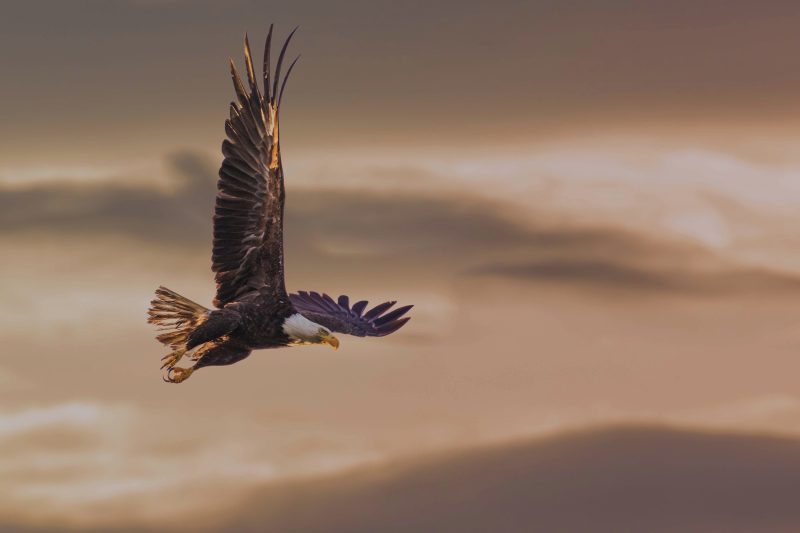
Spain’s Doñana National Park is a UNESCO heritage site, and rightly so.
Situated in Andalusia, its mosaic of marshlands, dunes, and lagoons is breathtaking. Bird enthusiasts flock here for the Spanish Imperial Eagle, a regal sight against the Iberian sky. Another gem? The Marbled Teal, shimmering in the sunlit waters.
Visit in Spring, when the park is a symphony of chirps, calls, and songs.
Doñana is not just a birdwatching location; it’s a melody, a poem written by nature, waiting for you to read it aloud.
4. Mull, Scotland
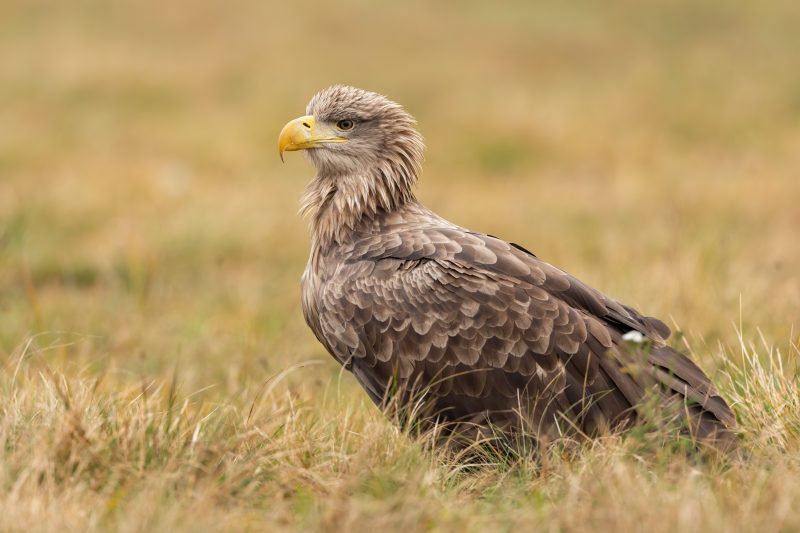
Mull, located off Scotland’s west coast, is an island with rugged beauty and dramatic landscapes. It’s a haven for raptors, making it a must-visit for birdwatchers.
The primary attractions? The majestic Golden Eagle, with its impressive wingspan, often seen soaring over the island’s rocky terrain. In contrast, the White-tailed Sea Eagle dives close to the island’s coastal cliffs.
The serenity of Mull is best experienced in Spring through early Summer, with the added spectacle of migratory birds making their presence felt.
Beyond the birds, Mull offers a mystical aura, from its mist-laden hills to its deep-blue lochs, making every birdwatching trip a memorable escapade.
5. Danube Delta, Romania

The Danube Delta in Romania stands as one of Europe’s ecological marvels. This sprawling wetland, where the Danube River meets the Black Sea, is a vibrant tapestry of lakes, channels, and marshes.
Among its feathered residents, the Dalmatian Pelican stands out with its elegant posture and playful antics. Equally enchanting is the Pygmy Cormorant, often spotted basking under the sun.
Spring is a magical time here, as the waterways echo with avian melodies, and the flora is in full bloom.
Every visit to the Danube Delta offers a fresh perspective, revealing new secrets, and reinforcing its reputation as a top European birdwatching gem.
6. Lake Neusiedl, Austria

Nestled between Austria and Hungary, Lake Neusiedl is Europe’s second-largest steppe lake. Its vast grasslands and reed beds create a unique ecosystem, attracting a myriad of bird species.
Chief among them is the Great Bustard, a majestic bird often seen strutting through the meadows. Another prized sighting is the swift and agile Saker Falcon.
The lake’s environment transforms during Spring and Autumn, as migrating birds descend, making it a bustling hub of activity.
The gentle ripples of Lake Neusiedl, complemented by the backdrop of chirping birds and a serene ambiance, ensure that every birdwatching journey here feels like a soothing embrace of nature.
7. Farne Islands, England
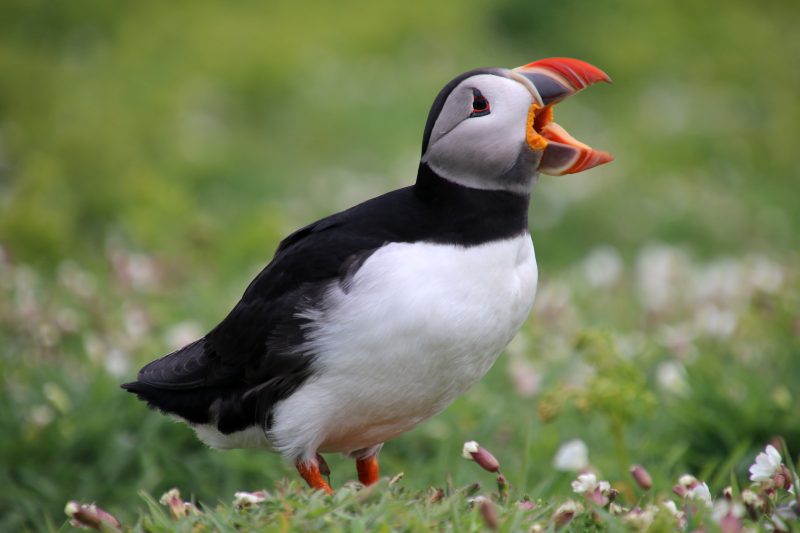
Off the Northumberland coast, the Farne Islands emerge as a series of rugged outcrops. These islands are a hotspot for seabirds, making them a delight for birdwatchers.
The Puffin, with its colorful beak and inquisitive nature, is the undeniable star. Yet, the islands also play host to the Arctic Tern, known for its long migratory journey and graceful flight.
Visiting in late Spring to early Summer offers a bustling atmosphere as birds come ashore to breed. The sounds of countless birds, combined with the salty sea breeze, create a captivating atmosphere.
Every trip to the Farne Islands feels like stepping into a bustling avian city where nature’s dramas unfold before your eyes.
8. Trondheim Fjord, Norway
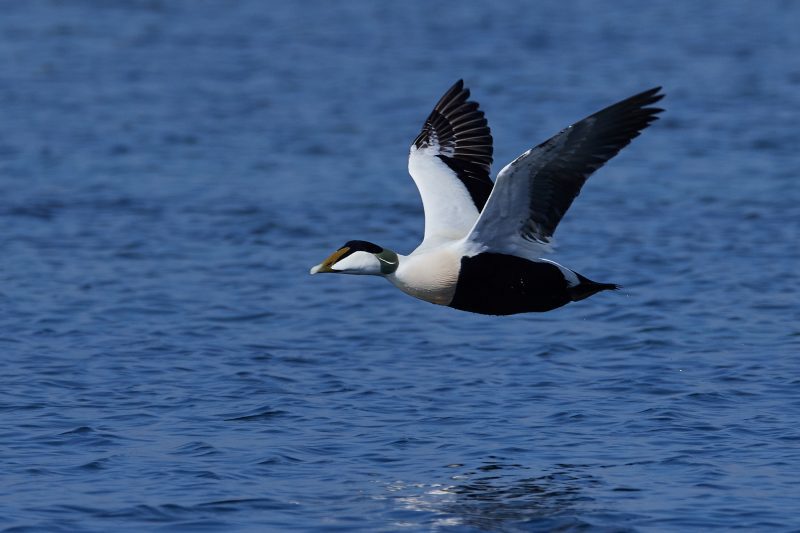
Deep within Norway’s breathtaking landscape lies the Trondheim Fjord. This saltwater fjord is a sanctuary for various bird species, particularly during the migratory seasons.
The Common Eider, with its unique call and striking appearance, is frequently sighted here. Moreover, the fjord’s intertidal zones attract waders like the Curlew Sandpiper, which feast in the nutrient-rich mud.
Winter is a special time, as the Northern Lights often dance in the sky, adding magic to the birdwatching experience.
Trondheim Fjord is more than just a birding location; it offers a harmonious blend of marine beauty and avian wonders, making every visit a profound experience.
9. Salzkammergut, Austria
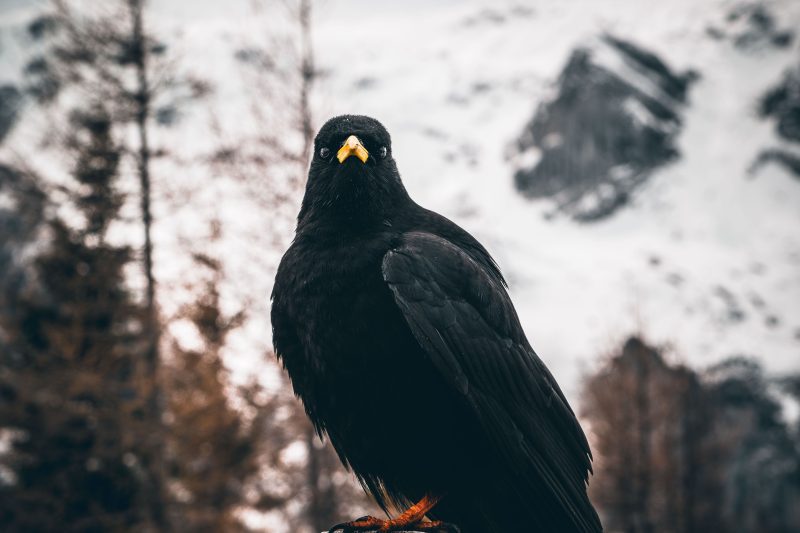
Salzkammergut, a picturesque region in Austria, is renowned for its pristine lakes and Alpine landscapes. Among the dense forests and shimmering waters, birdwatchers find their paradise.
The Black Woodpecker, with its striking red crown, is a sight to behold against the green backdrop. Equally captivating is the Alpine Chough, often seen playing amidst the mountainous terrains.
A visit in Autumn promises rich colors, both in the foliage and the avian population. Salzkammergut doesn’t just cater to the eyes; it captivates the soul.
Its perfect blend of natural beauty and rich birdlife ensures that every moment spent here is a symphony of sights and sounds.
10. Alentejo Plains, Portugal
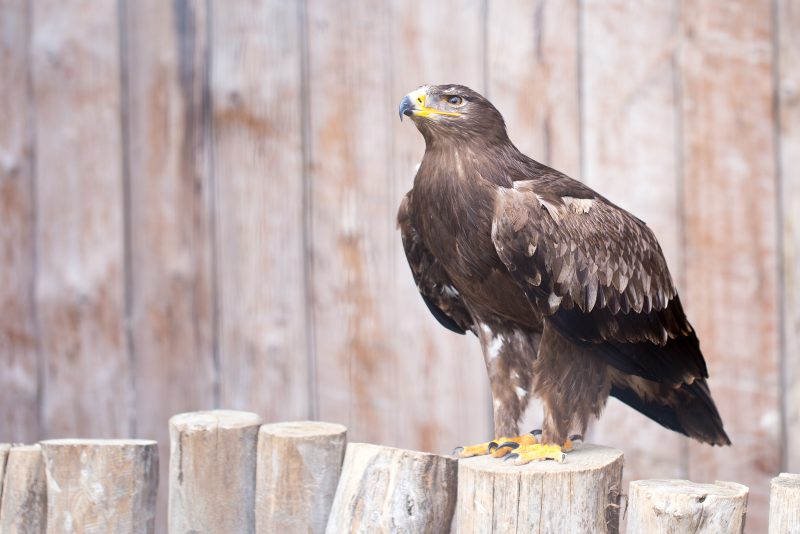
The vast open landscapes of the Alentejo Plains in Portugal paint a serene picture, with rolling hills and cork oak forests. This region is a magnet for raptors.
One of the most sought-after sightings is the Spanish Imperial Eagle, a symbol of majesty and power. In addition to the raptors, the Great Bustard also calls this region home, displaying its grandeur amidst the grasslands.
For the best experience, visit in the Spring, when wildflowers bloom, adding vibrant colors to the landscape.
The Alentejo Plains offer birdwatching opportunities as well as a serene escape into nature, where every gust of wind carries tales of avian wonders.
11. Lake Kerkini, Greece
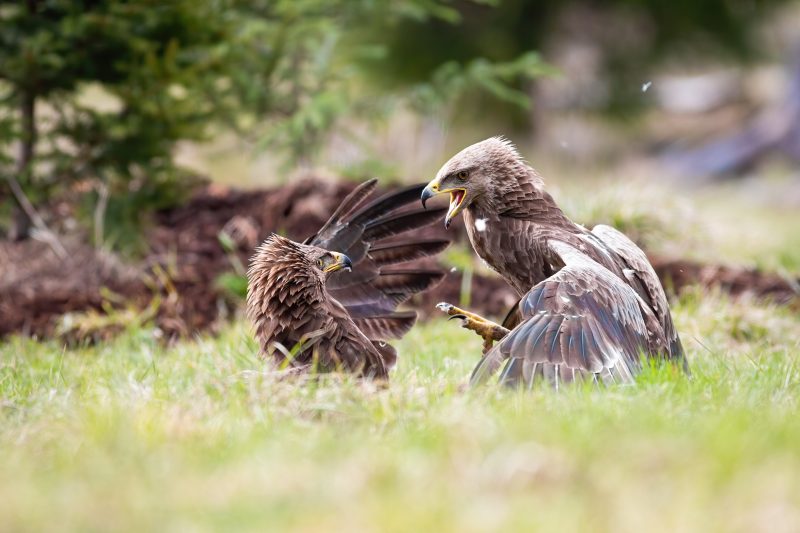
Situated in Northern Greece, Lake Kerkini is a haven for birdwatchers and nature lovers alike. The lake’s wetlands, with their serene water and lush vegetation, host numerous bird species.
Top on the list is the Dalmatian Pelican, often seen gliding effortlessly over the water. The surrounding areas also see the Lesser Spotted Eagle soaring in the sky.
Autumn brings with it a surge in migratory birds, turning the region into a lively hub.
Lake Kerkini’s tranquil environment, coupled with its rich biodiversity, makes it a standout destination. Every reflection on its waters tells stories of nature’s wonders, waiting for keen eyes to discover them.
12. Isle of May, Scotland

Off Scotland’s east coast lies the Isle of May, an island teeming with avian life. This National Nature Reserve is a breeding ground for seabirds, especially during the Spring and Summer months.
Among the many species, the Guillemot stands out with its sleek appearance and cliffside nesting habits. Additionally, the Arctic Skua, with its bold flight patterns, is a treat to observe.
The island’s rugged coastline, punctuated by the sounds of seabirds, offers a raw, immersive birdwatching experience. The Isle of May, with its unspoiled beauty and rich birdlife, promises unforgettable moments where the rhythm of wings and the whisper of waves become one.
13. Lapland, Finland
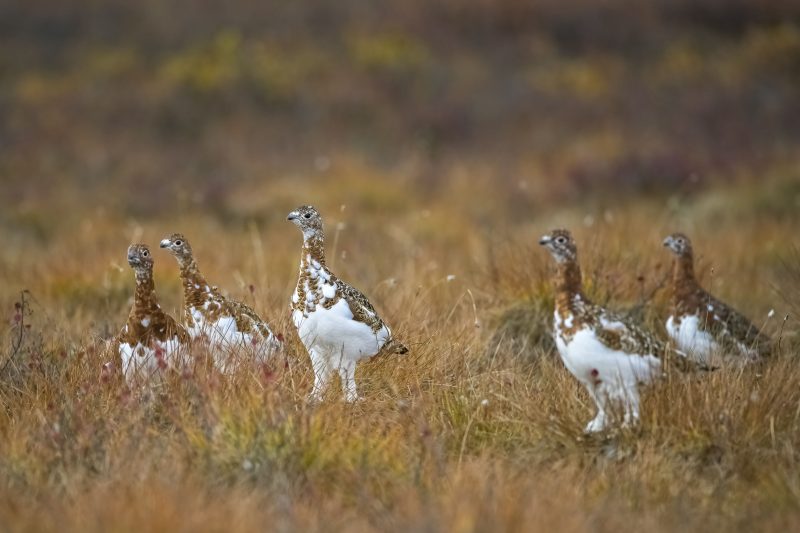
Lapland, Finland’s northernmost region, is a realm of extreme contrasts. From the Polar Nights to the Midnight Sun, this Arctic wonder is a treasure trove for bird enthusiasts.
The Willow Ptarmigan, with its Winter-white plumage, thrives here, blending seamlessly with the snowy landscape. Another highlight is the elusive Arctic Redpoll, often flitting about in the birch forests.
For the best birdwatching experience, visit during the Summer months, when the tundra comes alive with breeding birds.
Lapland’s untouched beauty, combined with its unique avian inhabitants, offers an unparalleled birdwatching adventure where every chirp resonates with the mysteries of the Arctic.
14. Picos de Europa, Spain
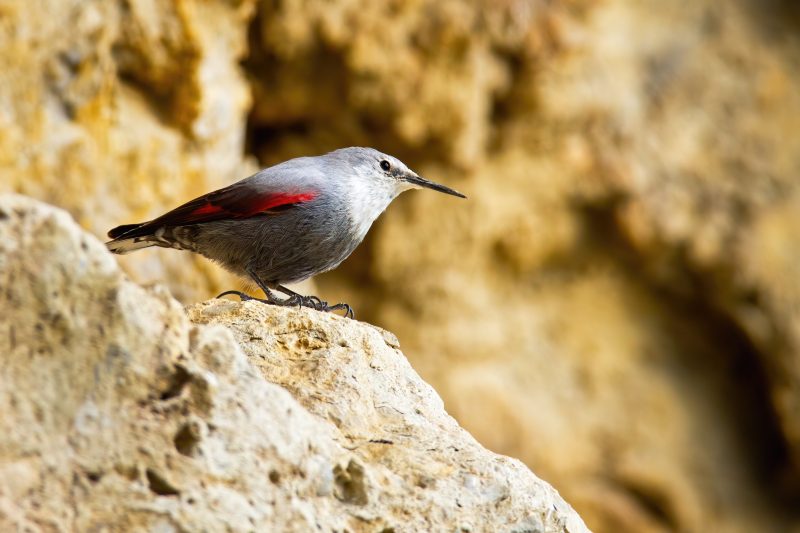
Spain’s Picos de Europa is a mountainous spectacle boasting dramatic peaks and lush valleys. Among its rugged terrains, birdwatchers find a plethora of species.
With it’s dazzling colors, the Wallcreeper scales the rocky cliffs with grace. Not to be outdone, the Lammergeier, or Bearded Vulture, soars majestically overhead, casting a regal silhouette.
Optimal visiting times are during the Spring and Autumn migrations when the region buzzes with avian activity.
Picos de Europa promises breathtaking landscapes and an avian diversity that captivates, ensuring that every gaze skyward is met with awe-inspiring sights.
15. Minsmere, England
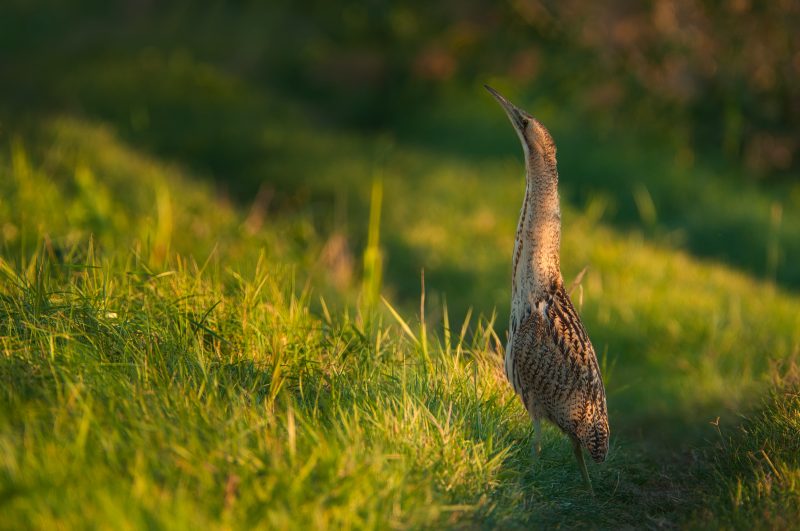
Minsmere, located on England’s Suffolk coast, is a premier birdwatching site. This RSPB reserve offers a mix of woods, heaths, and wetlands.
The star of Minsmere is the enigmatic Bittern, often heard before it’s seen. Another highlight is the Avocet, with its distinctive upturned bill, wading through the lagoons.
The reserve comes alive in Spring, teeming with nesting birds and their delightful melodies.
With its diverse habitats and extensive bird species list, Minsmere stands as a testament to the wonders of British birdlife, offering moments of serenity and sheer joy with every visit.
16. Krka National Park, Croatia
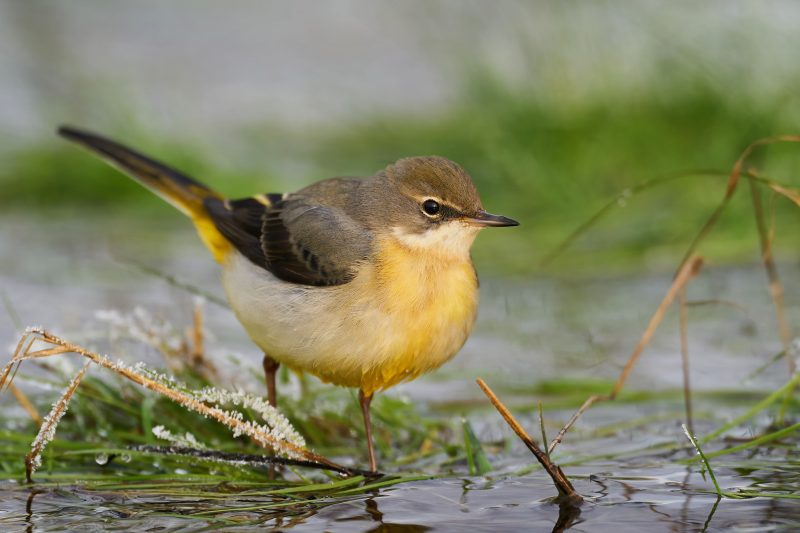
Krka National Park in Croatia is renowned for its cascading waterfalls and lush forests. However, for birdwatchers, it’s a paradise.
The Grey Wagtail, with its vibrant yellow underparts, can be spotted near the water streams. High above, the Peregrine Falcon dashes through the skies with unmatched speed.
The park’s beauty peaks during the Spring, as birdsong harmonizes with the sound of flowing water.
Krka isn’t just a destination; it’s an experience. With its picturesque landscapes and rich avian population, this national park beckons nature lovers to witness the symphony of life in full swing.
Tips for Birdwatching in Europe
Birdwatching in Europe is a delightful experience, but it’s essential to be prepared to make the most of your journey. Here are some useful tips:
Research Ahead:
Each European location has its specialty. Know which birds you’re likely to see during your visit.
Invest in Good Gear:
A quality pair of binoculars and a detailed field guide specific to Europe are crucial. If possible, get a lightweight spotting scope for distant observations.
Dress Appropriately:
European weather can be unpredictable. Layer your clothing, and always have waterproof items, especially in coastal or wetland areas.
Stay Patient:
Sometimes, the birds won’t appear immediately. Sit quietly, be patient, and let them come to you.
Join Local Groups: Connecting with local birdwatching groups can provide invaluable insights and enhance your experience.
Document Your Sightings: A journal or a digital app can help you record the species you see, enhancing your learning process.
Respect Nature: Stick to paths. Avoid disturbing birds, especially during breeding seasons. Always leave no trace behind.
Europe, with its rich tapestry of landscapes and diverse avian life, is a dream come true for every birdwatcher. From the Arctic wonders of Finland to the sunny coasts of Portugal, every destination offers a unique spectacle waiting to be discovered.
Embarking on this journey not only connects us with nature but also teaches us the importance of preserving these habitats. So, as you pack your binoculars and set forth, remember that every chirp, flutter, and song is a story waiting to be unraveled. Happy birdwatching!