
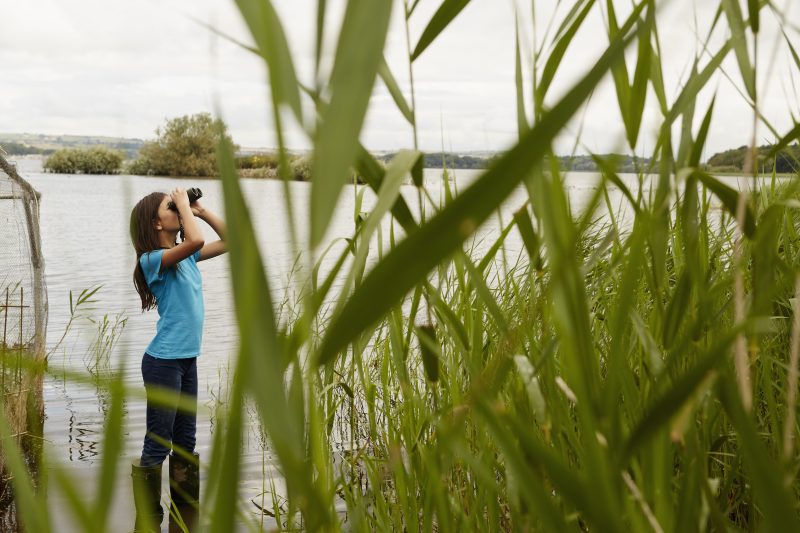
North Africa beckons with a plethora of avian wonders. From the sweeping dunes of the Sahara to the rugged Atlas Mountains, this region is teeming with birdlife that both captivates and fascinates.
Whether you’re an avid birdwatcher or a newbie just starting out, North Africa offers spots that promise unparalleled birdwatching experiences. Given its strategic position, North Africa is a critical migration route and breeding ground for many species.
Basics of Birdwatching
If you’re new to birdwatching, welcome to this fantastic hobby! Here are some essentials to get you started:
Gear Up:
- Binoculars: These are a must. Opt for a pair with good clarity and a comfortable grip.
- Field Guides: A good guidebook can be invaluable. It helps you identify species and understand their behaviour.
- Notebooks: Documenting your sightings can be quite rewarding. Over time, this becomes a cherished journal of your birdwatching adventures.
- Cameras: If you love photography, a camera with a decent zoom can help capture those memorable moments.
Timing is Key:
- Bird activity usually peaks during early mornings and late afternoons. These are great times to spot them.
- Seasons matter! Migration periods, especially, bring a flurry of activity. Research the best times for specific locations in North Africa.
Ethics Matter:
- Respect the birds. Always maintain a safe distance.
- Avoid using playback to lure birds. It can be disruptive and stressful for them.
- Leave no trace. Preserve the habitat by carrying out any trash you bring in.
Map of North Africa
Before venturing out, it’s beneficial to get acquainted with the geography of North Africa. A detailed map highlighting the primary birdwatching spots can be a handy guide. You can find several online maps that are tailor-made for birdwatchers.
These often come with additional information about species prevalent in specific areas, the best time to visit, and other handy tips. Consider getting a printed version or downloading one on your device for easy access while you’re on the go.
Detailed Birdwatching Spots
1. Merzouga and the Sahara Desert, Morocco
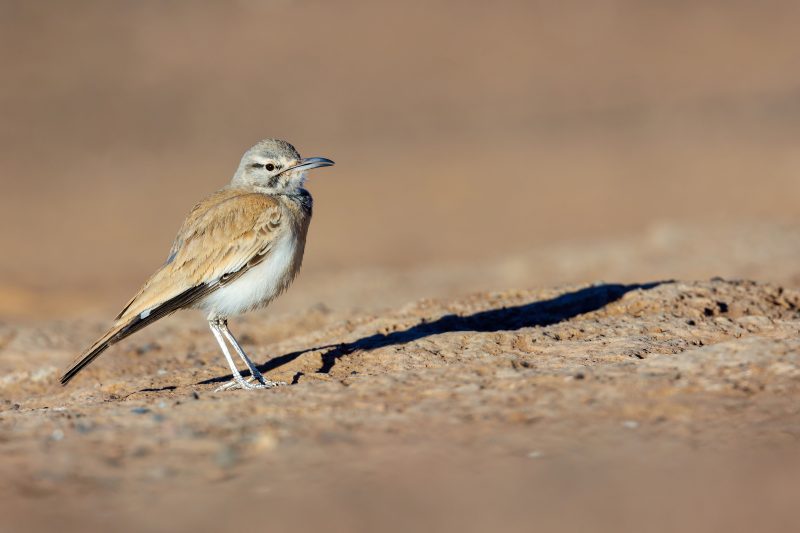
Ah, Merzouga! The gateway to the vast Sahara Desert, this location offers a genuinely unique birdwatching experience. Amidst the sea of golden dunes, you’ll encounter a variety of desert-adapted birds.
Look out for the Desert Sparrow, which has evolved to thrive in this harsh environment. As you explore, you might also catch sight of the Hoopoe Lark or the Bar-tailed Desert Lark. Given the desert’s extreme temperatures, the best times to venture out are during the cooler months, from October to April.
Don’t forget to carry ample water and sun protection. Happy watching amidst the dunes!
2. Rif Mountains, Morocco
Elevate your birdwatching experience in the Rif Mountains. Nestled in northern Morocco, these mountains are a haven for birds of prey. The Griffon Vulture and the Bonelli’s Eagle soar majestically against the rugged backdrop.
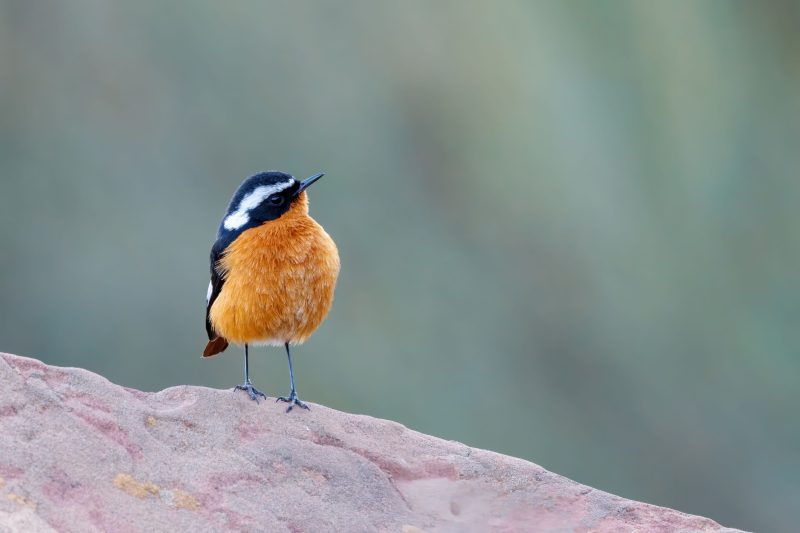
Additionally, the region is home to the lovely Moussier’s Redstart and the Rif Warbler, which are a treat to spot. Given the mountainous terrain, sturdy hiking boots are a must. Also, the higher altitudes can be cooler, so pack some warm layers.
Birdwatching in the Rif Mountains is not just about the birds; it’s about soaking in the breathtaking vistas. Enjoy every moment of this high-altitude adventure!
3. Souss-Massa National Park, Morocco
Nestled along Morocco’s Atlantic coast, Souss-Massa National Park is a haven for bird enthusiasts. Its claim to fame? It’s one of the few places where you can spot the critically endangered Northern Bald Ibis in the wild.
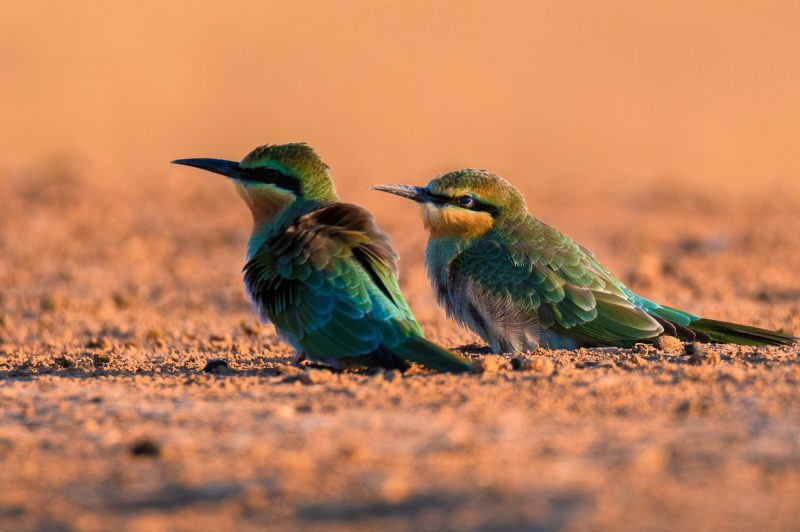
With a rocky coastline, dunes, wetlands, and forests, the park is a diverse habitat, attracting a multitude of species. Flamingos wading through the tidal lagoons, Ospreys hunting above the water, and the lovely Blue-cheeked Bee-eater are just a few delights awaiting you.
The park’s rich ecosystem provides an immersive experience. Ensure you have a full day or even more to truly appreciate what Souss-Massa offers.
4. Tassili n’Ajjer National Park, Algeria
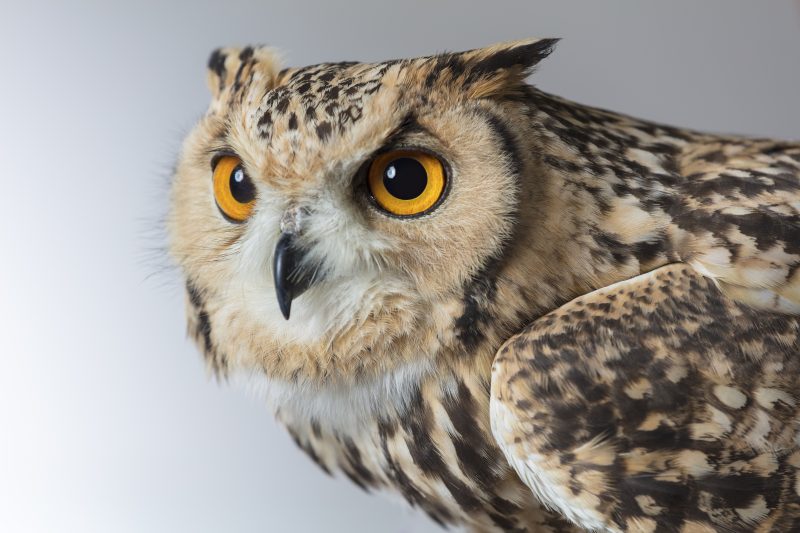
Step into the prehistoric landscape of Tassili n’Ajjer. This UNESCO World Heritage site, known for its ancient rock art, is also a birdwatcher’s gem.
Amidst the sandstone formations and deep canyons, keep an eye out for Trumpeter Finches and Pharaoh Eagle-Owls. The unique terrain also shelters species like the Saharan Olivaceous Warbler and the African Desert Warbler. The sheer beauty of the rock formations, combined with the thrill of spotting desert birds, makes for an unforgettable experience.
Given the remote nature of the park, consider hiring a local guide. Their expertise will enhance your birdwatching journey in this ancient wonderland.
5. El Kala National Park, Algeria
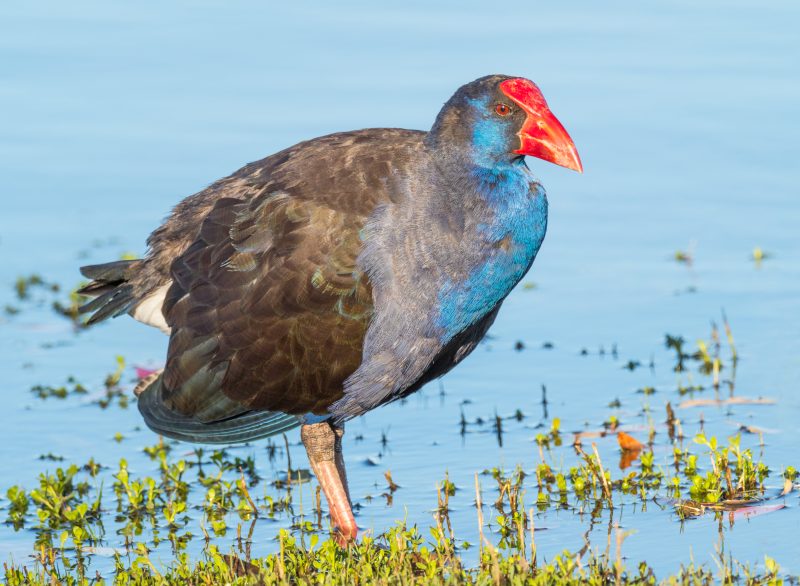
Wetlands, forests, and the Mediterranean Sea converge at El Kala National Park, creating an avian paradise. This biodiversity hotspot is a magnet for water birds, with over 50,000 individuals recorded in winter migrations.
Seek out the Marbled Duck and the White-headed Duck, both regional rarities. Purple Swamphens add a splash of colour against the wetland greens. For a coastal treat, the sandy beaches attract waders like the Kentish Plover. Birdsong fills the air in the forests, signalling the presence of species like the Short-toed Treecreeper.
A visit to El Kala promises a delightful mix of habitats and bird species that leave lasting memories.
6. Ichkeul National Park, Tunisia
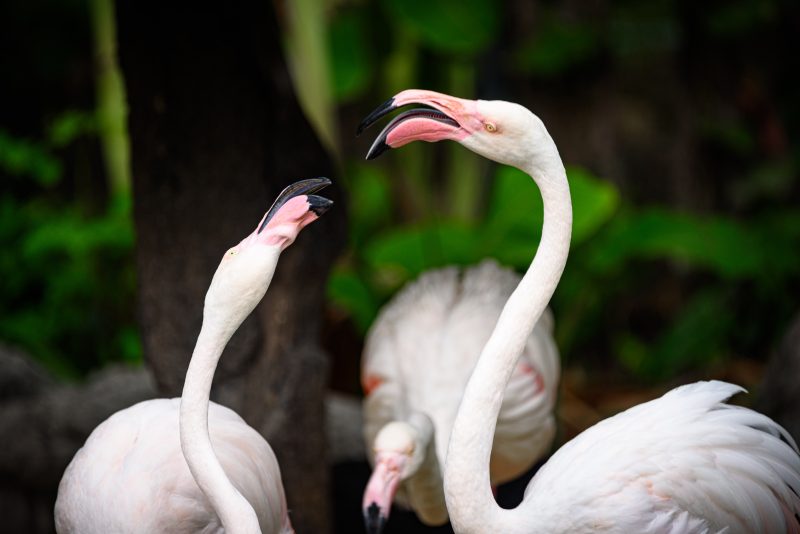
Ichkeul National Park stands as a testament to nature’s marvels. Recognised as a UNESCO World Heritage site, the park’s lake and wetlands become a winter sanctuary for over 200,000 migratory birds.
The park buzzes with the activities of species like the Greater Flamingo, Northern Shoveler, and the Ferruginous Duck. As you walk, you’ll be serenaded by the calls of Cetti’s Warblers and Reed Buntings. The park’s mosaic of landscapes provides varying backdrops, ensuring your photos capture the true essence of birdwatching in Tunisia.
To make the most of your visit, try to go during migration peaks when the park is awash with avian wonders.
7. Cape Bon, Tunisia
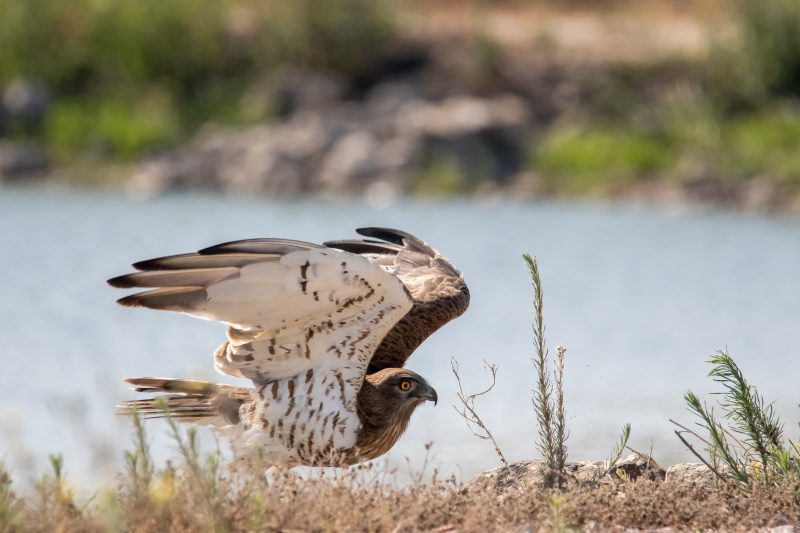
Perched at the northern tip of Tunisia, Cape Bon is a prime location for witnessing migratory raptors. As birds traverse the Mediterranean, this peninsula offers a resting spot before their onward journey.
From the majestic Eleonora’s Falcon to the Short-toed Snake Eagle, the skies here tell tales of migrations and survival. During spring and autumn, the area becomes particularly lively. The landscape, dotted with orchards and vineyards, also offers sightings of passerines like the Subalpine Warbler. Bring your binoculars and patience.
With a steady gaze, you’ll witness the avian ballet that has been in motion for millennia.
8. Gebel Akhdar (Green Mountain), Libya
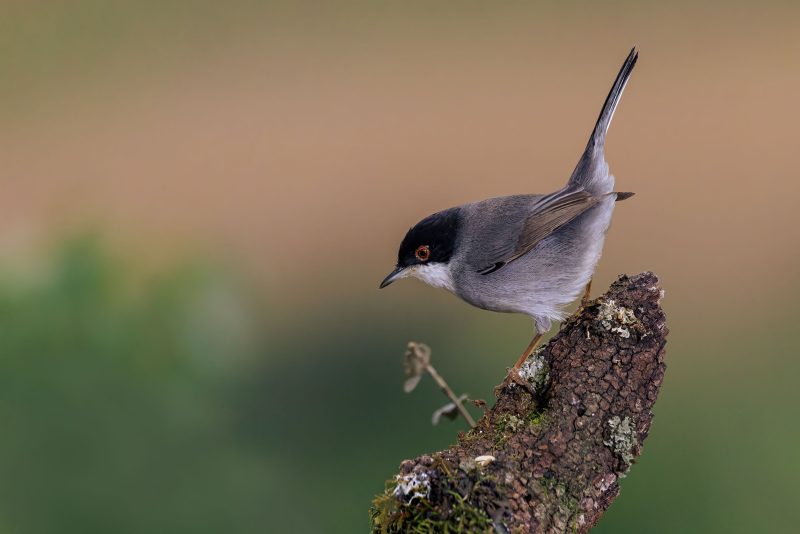
Rising majestically in eastern Libya, Gebel Akhdar offers birdwatchers a delightful blend of Mediterranean beauty and diverse avian species. The cool, green highlands contrast starkly with the surrounding arid desert, creating a unique ecosystem.
Birds of prey, such as the Lanner Falcon and the Booted Eagle, can often be seen soaring against the backdrop of terraced farmlands and ancient ruins. Meanwhile, the fragrant olive groves and juniper woodlands are home to the lovely Sardinian Warbler and the enigmatic Tristram’s Starling.
As you hike the trails, let the melodic tunes of the Black-eared Wheatear and the Blue Rock Thrush accompany you. Gebel Akhdar is not just a birdwatcher’s paradise; it’s a soul-soothing retreat.
9. Sabha Oasis, Libya
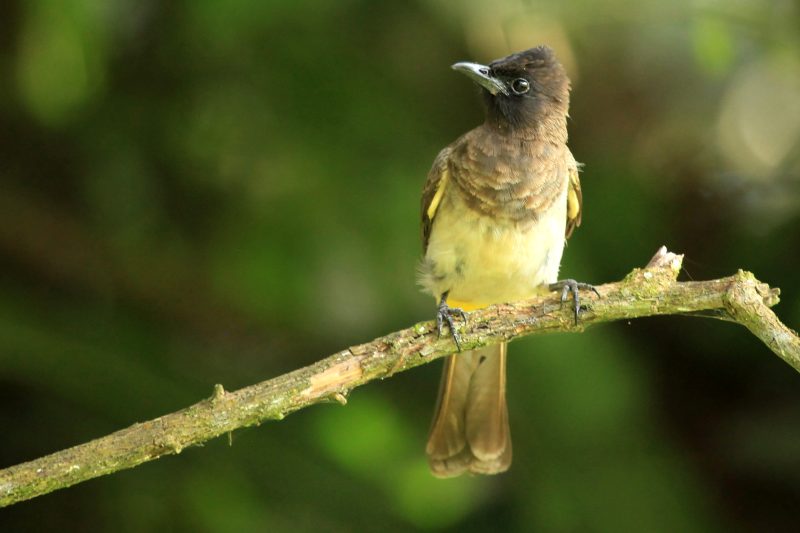
Deep in the heart of the Libyan Sahara, the Sabha Oasis emerges like a mirage, providing respite to both humans and birds. Surrounded by golden sands, this oasis is a hub for desert-adapted birds seeking water and shelter.
Be on the lookout for the elusive Desert Owl and the animated Spotted Sandgrouse. As the day progresses, the shimmering waters attract species like the Namaqua Dove and the Common Bulbul. Beyond the birds, the palm groves and the traditional mud-brick architecture provide an authentic Saharan experience.
Visiting Sabha is a lesson in resilience, showcasing how life, against all odds, flourishes in the desert.
10. Nile Delta, Egypt
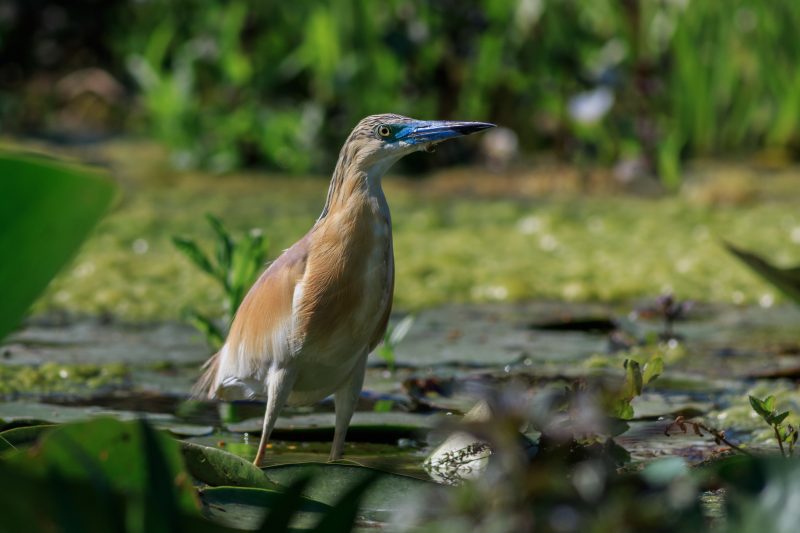
Stretching its fingers into the Mediterranean, the Nile Delta is a treasure trove for bird enthusiasts. This fertile land, crisscrossed by waterways, is teeming with birdlife, especially during migration seasons.
The vast reed beds and marshes are sanctuaries for the Squacco Heron, Purple Heron, and the striking White Pelican. As you explore further, the agricultural fields may surprise you with the agile Red-throated Pipit or the dainty Little Ringed Plover. For a coastal treat, the lagoons and mudflats near the delta’s edge are frequented by gulls and terns, adding to the area’s diversity.
With its rich history and birdlife, the Nile Delta invites you to an unforgettable Egyptian odyssey.
11. Sinai Peninsula, Egypt
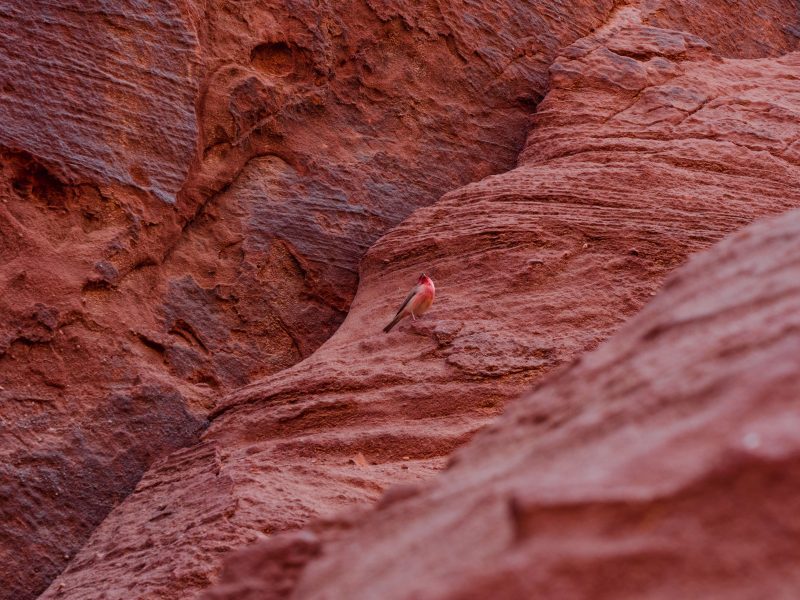
Straddling two continents, the Sinai Peninsula is a land of contrasts and natural wonders. From its rugged mountains to its shimmering coasts, this is a birdwatcher’s dream come true.
The high cliffs and canyons are frequented by the majestic Barbary Falcon and the Sinai Rosefinch – a regional speciality. Venturing towards the coastal areas, the coral reefs of the Red Sea provide a unique backdrop for spotting birds like the White-eyed Gull and the graceful Sooty Falcon. Meanwhile, the desert plains are home to nomads like the Hoopoe Lark and Cream-colored Courser.
Embarking on a birdwatching journey in Sinai is an adventure that combines ancient history, diverse landscapes, and remarkable avian encounters.
12. Lake Nasser, Egypt
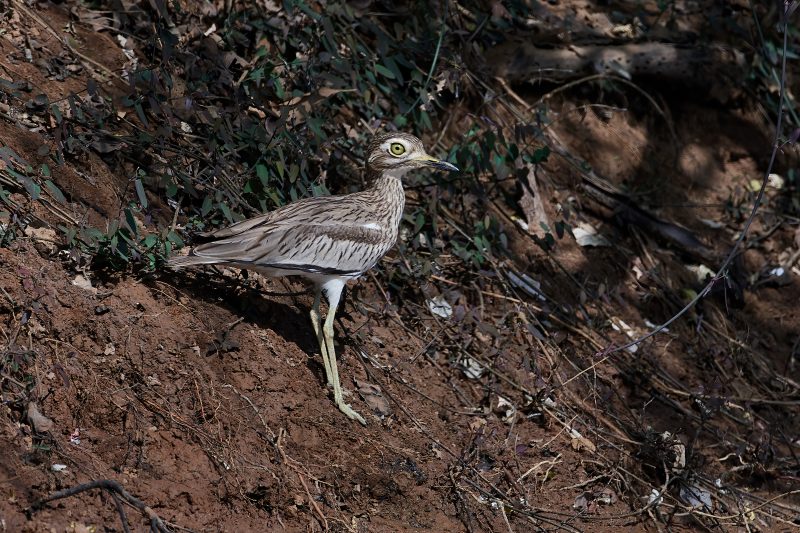
One of the world’s largest artificial lakes, Lake Nasser, created by the Aswan High Dam, has become an unexpected hotspot for birdlife. Its vast expanse attracts an array of waterfowl, including the Garganey and the Great White Pelican.
The lake’s numerous islands and rocky outcrops provide nesting sites for birds like the African Skimmer and the Nile Valley Sunbird. Come dusk, the shores come alive with the calls of Senegal’s Thick Knees and Kittlitz’s Plovers.
Taking a boat ride on Lake Nasser not only offers fantastic birdwatching opportunities but also panoramic views of ancient temples and monuments submerged under the lake’s waters.
13. Banc d’Arguin National Park, Mauritania
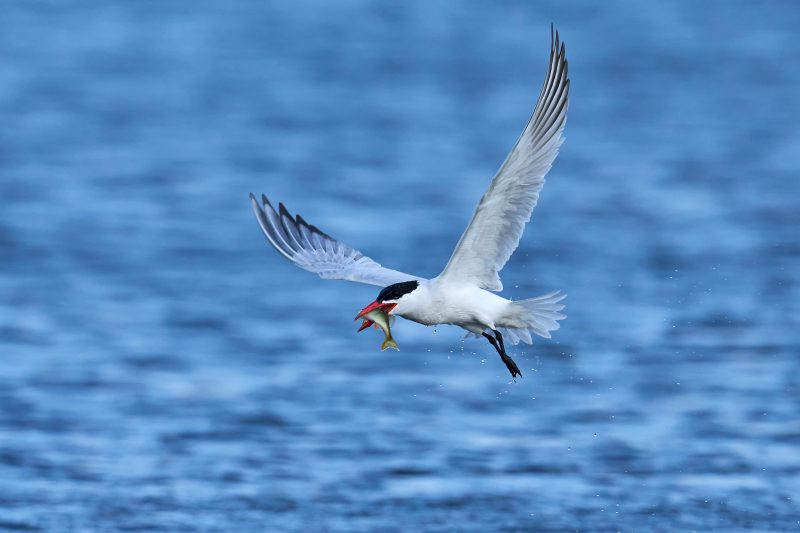
Banc d’Arguin National Park is a coastal gem on the Sahara’s fringes, where the desert meets the sea. This UNESCO World Heritage site is a breeding ground for a multitude of birds, making it a globally significant avian habitat.
The diversity here is astounding, from the migratory Western Palearctic waders to the resident Mauritanian species. The Grey Plover, Caspian Tern, and the captivating Red Knot are key sights. The shallow waters also attract flocks of Greater Flamingos, their pink plumage contrasting brilliantly against the sandy backdrop.
When visiting Banc d’Arguin, be sure to respect the park’s delicate ecosystem and the Imraguen fisherfolk who call this place home.
14. Ahaggar National Park, Algeria
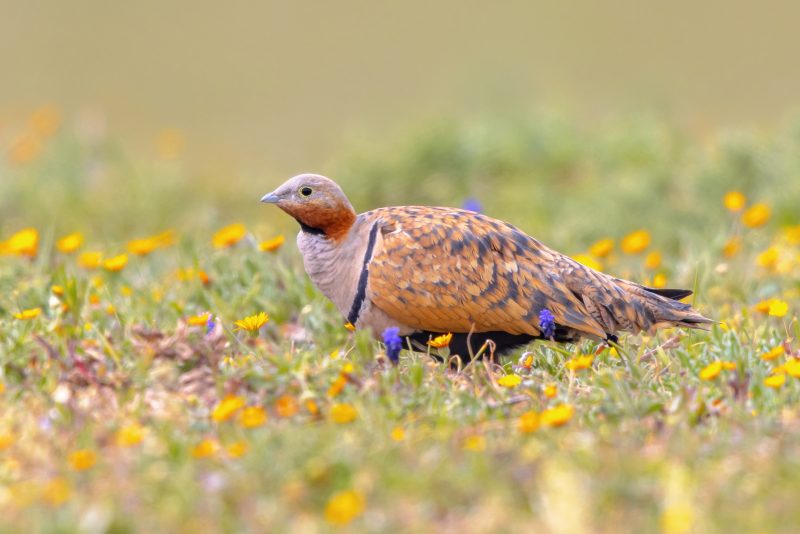
In the Saharan desert’s heart, Ahaggar National Park presents a dramatic landscape of towering volcanic plateaus and vast sand dunes.
Amidst this stark beauty, birdwatchers can discover species uniquely adapted to desert life. Key sightings include the African Desert Lark, the Trumpeter Finch, and the elusive Sandgrouse. The iconic Tassili Sparrow, endemic to the region, can also be spotted among the rock formations.
At night, the Desert Eagle Owl takes to the skies, a majestic sight under the starlit expanse. Visiting Ahaggar offers not only the thrill of spotting desert-specialized birds but also the chance to immerse oneself in the sheer magnificence of the Sahara.
15. Gara Djebilet, Algeria
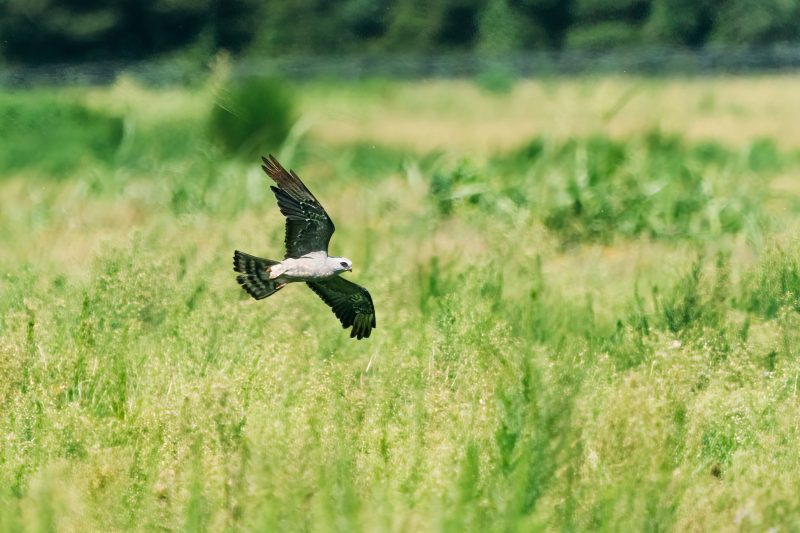
Gara Djebilet, located in the southwestern part of Algeria, is a magnet for migratory birds traversing the vast Saharan landscapes. The region’s scarce water sources become hubs of activity, with species like the Black-crowned Finch-Lark and the Streaked Scrub Warbler making appearances.
Migrating raptors, such as the Short-toed Snake Eagle and the Pallid Harrier, can be observed soaring overhead in search of prey. The contrasting landscapes of sand and sparse vegetation offer a picturesque setting for birdwatching, with the occasional sighting of the handsome Spotted Sandgrouse adding to the experience.
In such a remote location, patience is key, but the rewards are truly exceptional.
16. Zembra Island, Tunisia
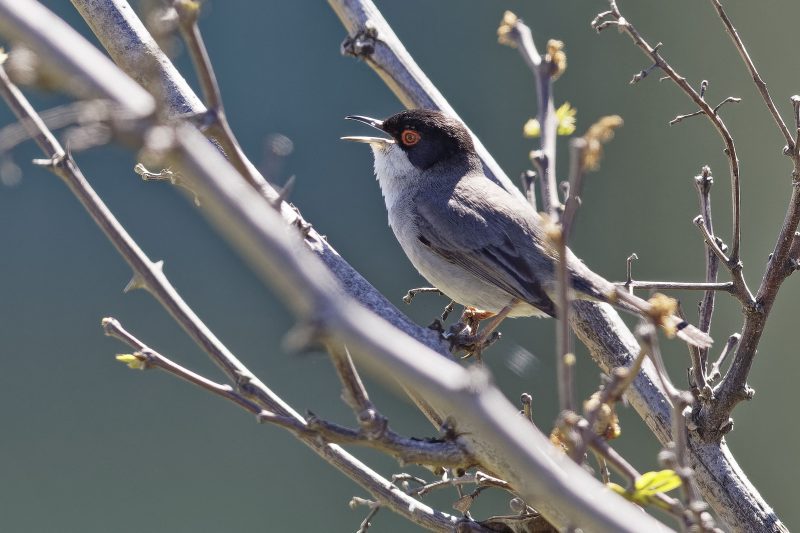
Zembra Island, an undisturbed paradise and a recognised Important Bird Area, lies off Tunisia’s northeastern coast. The island’s cliffs and rocky shores create the perfect habitat for seabirds. Notably, it hosts one of the largest colonies of the Eleonora’s Falcon.
The sheer cliffs also serve as nesting grounds for the Yellow-legged Gull and the Cory’s Shearwater. Beyond the coastal regions, the island’s maquis shrublands resonate with the calls of the Sardinian Warbler and the Blue Rock Thrush. While the island is primarily a nature reserve with limited access, guided tours offer birdwatchers an opportunity to witness this avian sanctuary.
The blend of marine landscapes and rich birdlife makes Zembra a must-visit.
Species Highlights
Birdwatching in North Africa isn’t just about the picturesque locations; it’s also about the myriad bird species that call this region home. Here’s a spotlight on some standout species that are either endemic or particularly significant to the region:
1. Northern Bald Ibis:
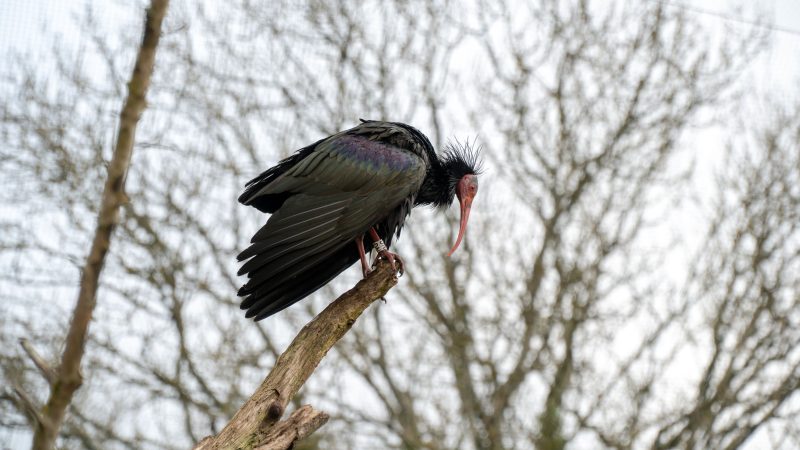
The Northern Bald Ibis, often called the “hermit ibis,” holds an aura of mystique, with legends suggesting it to be the bird that guided ancient pilgrims to Mecca.
Critically endangered, its wild populations in Morocco offer hope and are a testament to rigorous conservation efforts. Characterised by its glossy black plumage, bald red face, and long curved bill, this bird holds a special place in cultural histories and birdwatchers’ hearts.
2. Sinai Rosefinch:
As the name suggests, the Sinai Rosefinch is endemic to the rugged terrains of the Sinai Peninsula.
This bird is the true jewel of the desert with its vivid pink plumage that starkly contrasts the arid landscapes it calls home. Often found in rocky terrains, it’s not just its colour that captivates birders but also its melodious song, which echoes in the vastness of the desert.
3. Eleonora’s Falcon:
Named after Eleanor of Arborea, a Sardinian heroine, Eleonora’s Falcon is as fierce as its namesake. These raptors have an intriguing breeding cycle, nesting later than most of their counterparts.
This adaptation allows them to align their nesting period with the autumn migration, providing a steady food source in the form of smaller migrating birds. Their slender body and long wings make them agile hunters, mastering the skies over the Mediterranean.
4. Desert Sparrow:
The Desert Sparrow is a testament to nature’s adaptability. These sparrows thrive in the vast stretches of the Sahara, where survival is a daily challenge.
Their sandy-coloured plumage acts as a camouflage against predators, while their diet primarily consists of seeds and occasional insects. Observing their swift, agile flights and social nature in such harsh environments is a true delight for birdwatchers.
5. Moussier’s Redstart:
The Moussier’s Redstart is a visual spectacle, especially the males, with their fiery tails, stark white crowns, and jet-black faces.
Native to the hilly terrains of Morocco and Tunisia, their energetic displays and distinct calls often resonate in the mountainous regions. Their striking appearance and active behaviour, often seen flitting between shrubs and rocks, make them a sought-after sight for bird enthusiasts.
6. Tassili Sparrow:
The Tassili Sparrow stands as a beacon of the Saharan avian life. Found exclusively in the Saharan regions of Algeria, its limited range makes every sighting precious.
These sparrows have a beautiful blend of sandy and streaked plumage, allowing them to seamlessly blend with their desert surroundings. The challenge of spotting this elusive bird in its vast natural habitat gives birdwatchers a unique thrill, making the quest well worth the effort.
Tips For Birdwatching in North Africa
- Time it Right: Migration seasons, especially spring and autumn, are the best times to visit as the variety and number of birds peak.
- Stay Hydrated: Given the region’s arid conditions, always carry ample water. Avoid birdwatching during the extreme heat of midday in desert regions.
- Invest in Good Optics: A good pair of binoculars and, if possible, a spotting scope will significantly enhance your birdwatching experience.
- Respect Local Cultures: North Africa is rich in traditions. Ask for permission before entering private lands or taking photos.
- Guided Tours: Consider hiring a local guide, especially in remote areas. Their local knowledge can be invaluable.
- Dress Appropriately: Lightweight, long-sleeved clothing protects against the sun and potential insect bites. In mountainous areas, pack layers to counter the chill.
- Document Your Sightings: A notebook or a digital app dedicated to birdwatching can help you keep track of the species you encounter, adding depth to your experience.
- Patience is Key: Birds might not appear immediately. Sometimes, staying still and silent can result in the most memorable sightings.
Wrap Up
North Africa, with its dramatic landscapes ranging from the Mediterranean’s azure coastlines to the Sahara’s sweeping expanse, presents a captivating tableau for birdwatchers.
Every location mentioned offers a unique blend of culture, history, and avian wonders. Whether you’re tracking the elusive desert species or witnessing the spectacular migratory routes over ancient terrains, the magic of birdwatching in North Africa is an experience like no other.
As you prepare for your journey, remember that birdwatching is not just about ticking off species from a list. It’s about immersing yourself in nature, understanding ecosystems, and forging a deeper connection with the world around us.
North Africa invites you to not only discover its birds but also its soul. So, grab your binoculars, keep your senses alert, and embark on an avian adventure that will enrich your heart and soul. Safe travels and clear skies!