

If you’re as passionate about birdwatching as I am, you’ll be thrilled to explore South America. This continent is a true paradise for us, boasting an incredible diversity of bird species. From the vibrant Amazon rainforests to the majestic Andes mountains, every corner of South America offers a unique birdwatching experience. Whether you’re an experienced birdwatcher or just starting out, the sights and sounds of South American birds will leave you in awe.
The Importance of Birdwatching
Birdwatching in South America isn’t just a hobby; it’s a journey into the heart of nature. Each bird sighting connects us to the ecological web of life. Watching these magnificent creatures in their natural habitats deepens our understanding of the environment. It also highlights the importance of conservation. By appreciating these birds, we become part of the effort to protect them and their homes. Remember, every time we step out with our binoculars, we’re not just birdwatchers; we’re guardians of nature.
Preparing for Birdwatching in South America
Before you embark on your South American birdwatching adventure, there are a few things to consider. First, invest in a good pair of binoculars. They are your most essential tool. Comfortable, durable outdoor clothing is a must, along with sturdy hiking shoes. A field guide to South American birds will help you identify the species you encounter.
It’s also wise to familiarize yourself with the local climates of the areas you plan to visit. Weather conditions can vary significantly across the continent. And don’t forget to respect local wildlife laws and guidelines. They’re in place to protect both you and the birds you’re there to enjoy.
With these preparations in hand, you’re all set for an unforgettable birdwatching experience in South America. Let’s dive into the best spots so you can witness the continent’s avian wonders!
1. Pantanal, Brazil
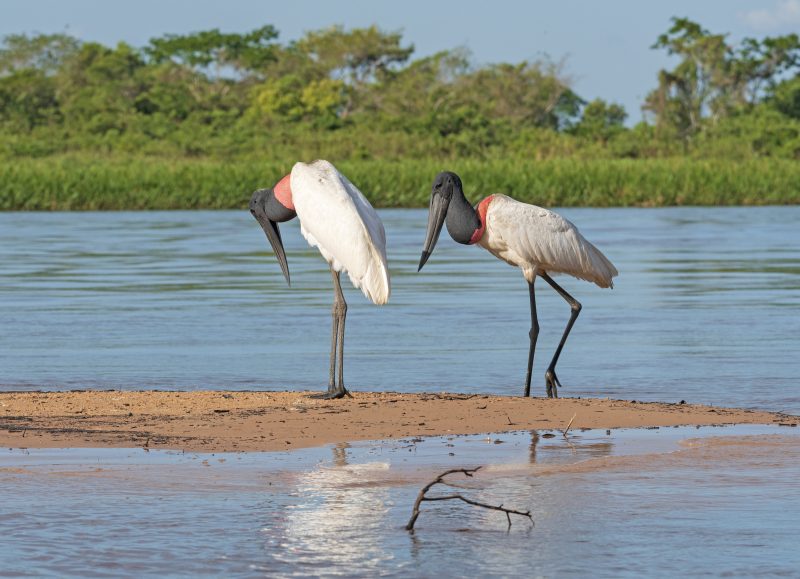
Welcome to the Pantanal, one of Brazil’s hidden gems for birdwatching. This vast wetland is home to an astonishing array of bird species.
Imagine a place where you can spot the majestic Jabiru stork, the iconic Hyacinth Macaw, and the elusive Sunbittern. The Pantanal’s open landscapes make it easier to observe these birds compared to the dense Amazon rainforests.
During the dry season, from April to September, birds flock to the remaining water bodies, creating a spectacle you wouldn’t want to miss out on.
Whether you’re gliding through the waterways by boat or exploring on foot, the Pantanal offers endless opportunities for memorable sightings. Plus, the region’s lodges cater to birdwatchers, making your stay both comfortable and rewarding.
2. Mindo, Ecuador
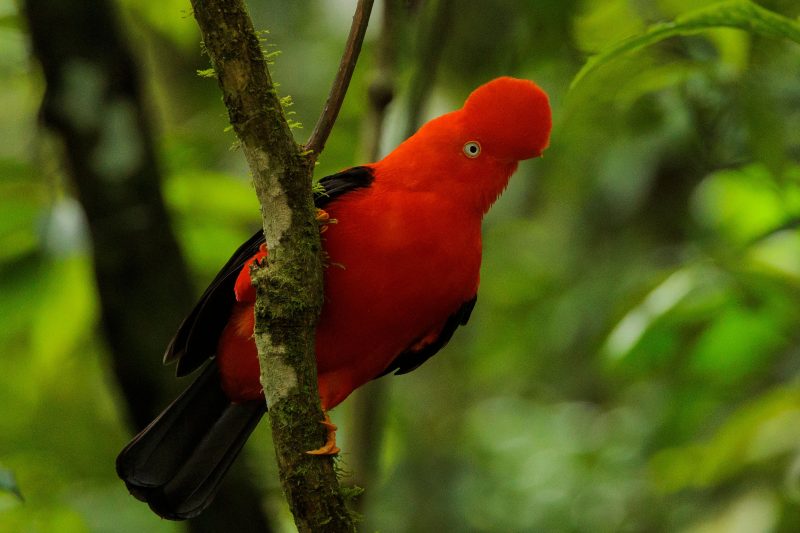
Mindo, nestled in the Ecuadorian cloud forest, is a paradise for bird lovers. This biodiverse hotspot is renowned for its hummingbirds and colorful tanagers. You’ll be mesmerized by the sight of hummingbirds flitting around feeders, their wings a blur.
Mindo boasts more than 500 bird species, making it one of the most species-rich areas on the planet. Early mornings in Mindo are magical, filled with the songs of Andean Cock-of-the-rock, Toucan Barbet, and Choco Toucan. The region’s extensive network of trails and birdwatching tours caters to all levels of birdwatchers.
Alongside birds, Mindo’s lush forests are home to an incredible variety of butterflies and orchids, adding to the richness of your experience. So, pack your binoculars and prepare for an remarkable birdwatching adventure in Mindo.
3. Los Glaciares National Park, Argentina
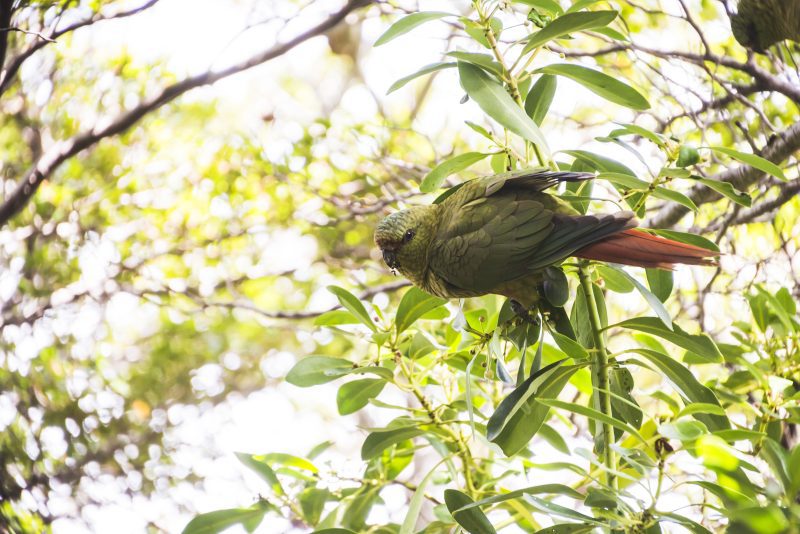
Los Glaciares National Park in Argentina is a breathtaking destination for birdwatching. This Patagonian wonderland, with its dramatic ice fields and rugged mountains, is home to a unique array of bird species.
Here, you can witness the majestic Andean Condor soaring above the peaks, a truly awe-inspiring sight. The park’s varied ecosystems, from steppe to forest, are habitats for species like the Austral Parakeet and Magellanic Woodpecker.
The best time to visit is during the Southern Hemisphere’s spring and summer months, when the birds are most active, and the landscape is vibrant. Remember to bring your camera, as the scenery is as stunning as the birdlife.
Los Glaciares is a must-visit for anyone looking to combine exceptional birdwatching with unparalleled natural beauty.
4. Manu National Park, Peru
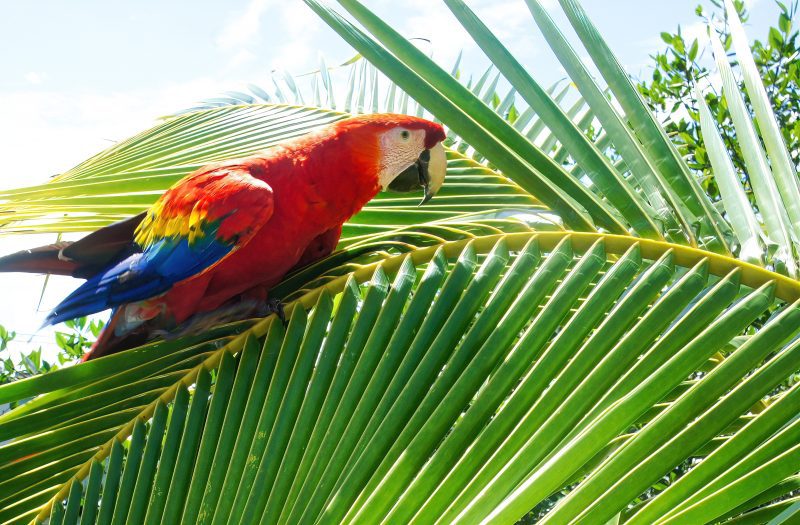
Manu National Park in Peru is a treasure trove for birdwatchers. Situated in the Amazon rainforest, this UNESCO World Heritage site boasts over 1,000 bird species.
From the colorful Scarlet Macaw to the rare Harpy Eagle, Manu offers a birdwatching experience like no other. The park’s remote location and pristine environment mean that you’ll be immersing yourself in one of the most biodiverse places on Earth. Various eco-lodges and guided tours are available, offering both comfort and expert knowledge.
The best time to visit is from May to September when the water levels are lower, making more areas of the park accessible.
Prepare for an adventure in Manu National Park, where every turn in the trail brings the potential for a new, exotic bird sighting.
5. Torres del Paine, Chile
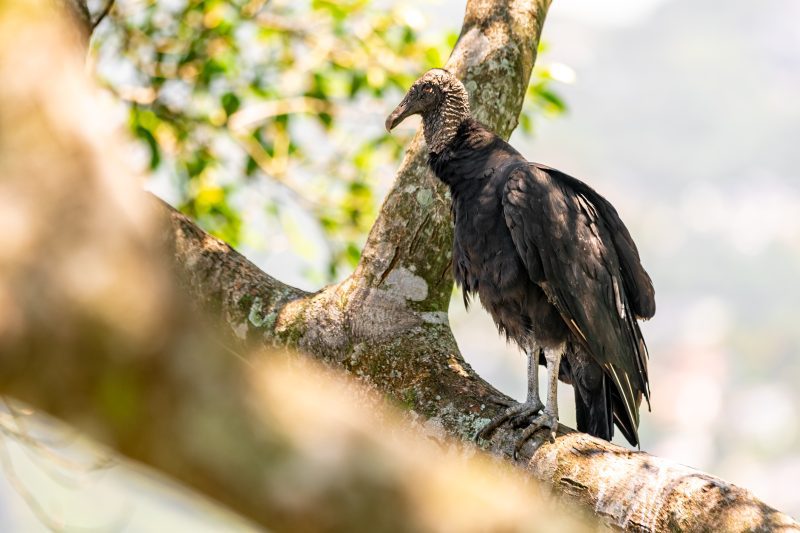
Located in Chile, Torres del Paine National Park is a spectacular destination for birdwatching enthusiasts. Set in the heart of Patagonia, this park is known for its dramatic landscapes and diverse birdlife.
Keep an eye out for the Andean Condor, with its impressive wingspan, and the elusive Puma Eagle. The park’s grasslands, forests, and wetlands are also home to species like the Magellanic Woodpecker and the Austral Pygmy Owl.
The best time to visit is from October to April, when the weather is pleasant, and the days are longer.
Birdwatching in Torres del Paine is not just about the birds; it’s an immersive experience in one of the world’s most stunning natural settings.
Whether you’re trekking through the park or enjoying a quiet moment by a mountain lake, the beauty of Torres del Paine will leave you spellbound.
6. Galápagos Islands, Ecuador

The Galápagos Islands offer a unique birdwatching experience that you cannot find anywhere else in the world. Known for their extraordinary wildlife, these islands are home to species that have evolved in isolation.
The Blue-footed Booby, with its distinctive blue feet, and the magnificent Frigatebird are just a couple of the many avian wonders you’ll encounter. The Galápagos also host the famous Darwin’s finches, key to the study of evolution.
Birdwatching here is best combined with guided tours, ensuring you respect the delicate ecosystem. The islands’ conservation efforts are crucial for the survival of these unique species.
A visit to the Galápagos is more than birdwatching; it’s a glimpse into the wonders of natural selection and adaptation.
7. Iberá Wetlands, Argentina
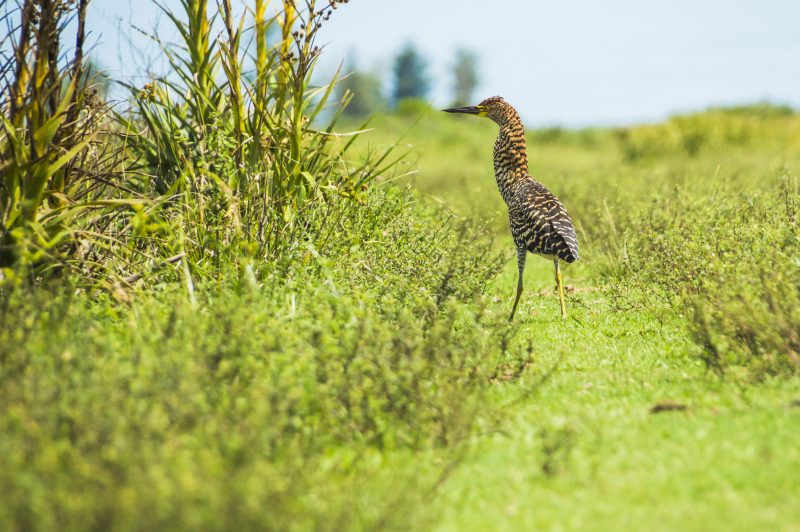
In the heart of Argentina lie the Iberá Wetlands, a birdwatcher’s paradise. This vast network of marshes, lagoons, and floating islands hosts an incredible variety of birdlife.
Here, you can spot the Rufescent Tiger Heron, the Strange-tailed Tyrant, the colorful Glittering-bellied Emerald, and the elusive Black-capped Donacobius. The wetlands’ open waters and floating vegetation provide perfect birdwatching conditions. You can explore the area on foot or by boat, discovering different species at every turn.
The best time for birdwatching in Iberá is during the dry season, from May to September, when birds congregate around the remaining water sources.
The Iberá Wetlands are a haven for birds as well as a vital ecosystem supporting a rich biodiversity.
8. Canaima National Park, Venezuela
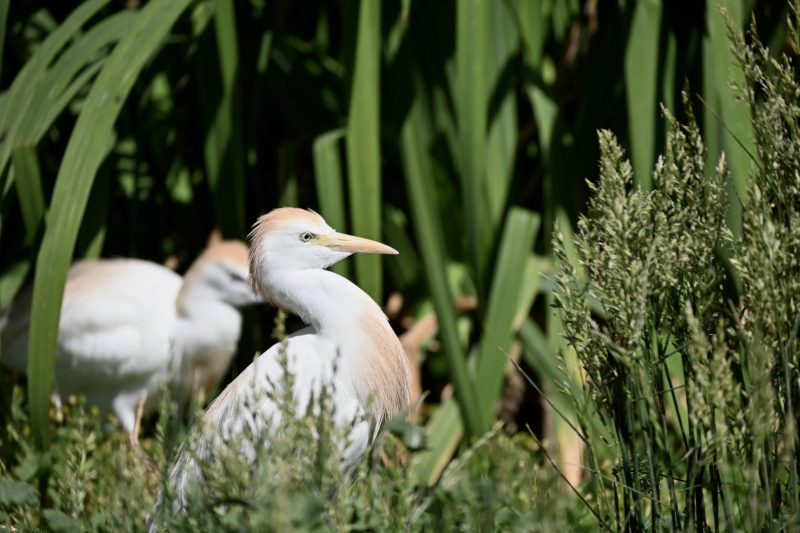
Canaima National Park in Venezuela is a landscape straight out of a dream, with Angel Falls as its crown jewel.
This park is home to a diverse array of bird species, including the Tepui Tinamou, the Western Cattle Egret and the Orange-breasted Falcon. The park’s unique table-top mountains, or tepuis, create an isolated ecosystem where many endemic species thrive. Birdwatching here offers the chance to see species that are rarely found anywhere else in the world.
The best time to visit is in the wet season, from May to November, when the waterfalls are at their most spectacular, and the forests are alive with bird calls.
Canaima is not just a birdwatching destination; it’s an adventure into one of the most ancient and mystical landscapes on the planet.
9. Talamanca Range, Costa Rica
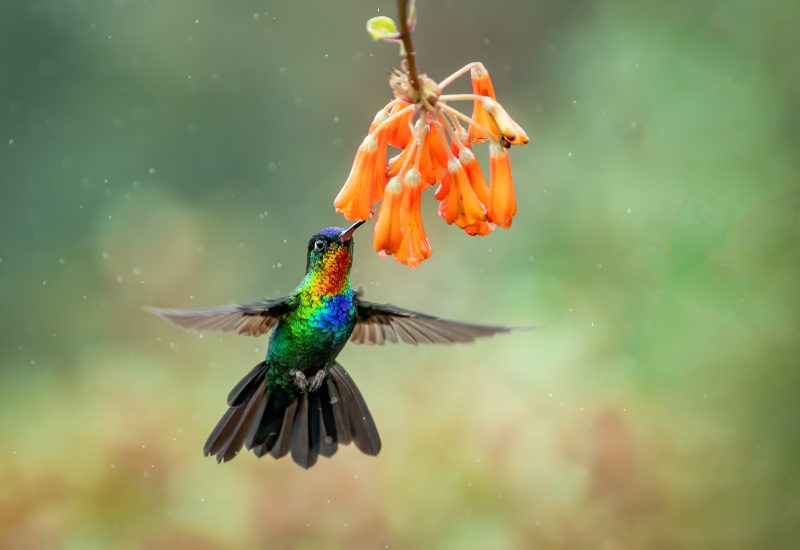
The Talamanca Range in Costa Rica is a birdwatching haven, especially for those interested in high-altitude species.
This mountain range, part of the larger Cordillera de Talamanca, is home to the Resplendent Quetzal, a bird revered for its striking beauty. The Talamanca Range also hosts a variety of hummingbirds, tanagers, and the elusive Bellbird. The biodiversity here is simply staggering. Birdwatchers can explore cloud forests and highland trails where each step brings a potential new discovery.
The ideal time to visit is during the dry season, from December to April, when the trails are more accessible, and bird activity is high.
The Talamanca Range is not just a destination; it’s a journey into the heart of Costa Rica’s natural splendor.
10. Central Suriname Nature Reserve, Suriname
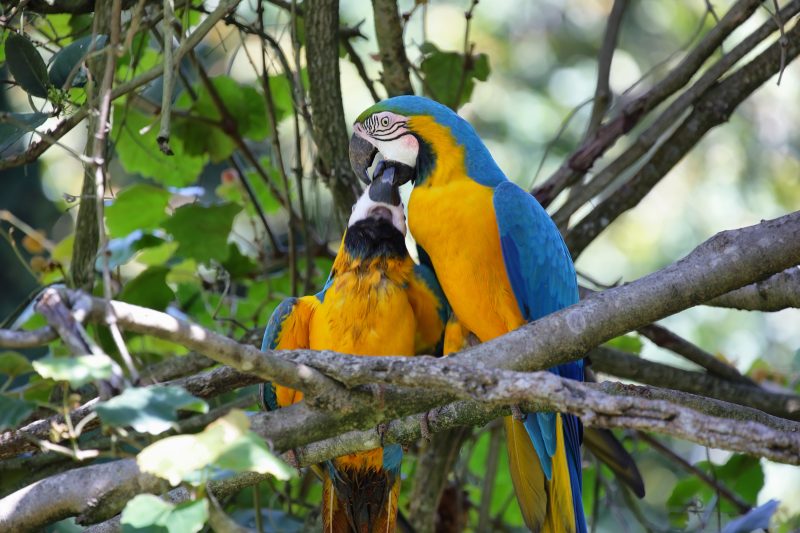
The Central Suriname Nature Reserve, a vast wilderness area in Suriname, offers an unforgettable birdwatching experience.
This reserve, one of the largest protected rainforests in the world, is a sanctuary for bird species like the Guianan Cock-of-the-rock, the Crimson Topaz, and various parrots and macaws. The pristine rainforest and rivers provide ideal habitats for a wide variety of birds.
The best time to visit is in the dry season, from August to February, when the water levels are lower, and the birds are more visible. Birdwatching here is an adventure, with the possibility of spotting rare and endemic species in one of the world’s most untouched natural environments.
The Central Suriname Nature Reserve is not just a birdwatching spot; it’s a testament to the beauty and diversity of our planet’s ecosystems.
11. Valdes Peninsula, Argentina
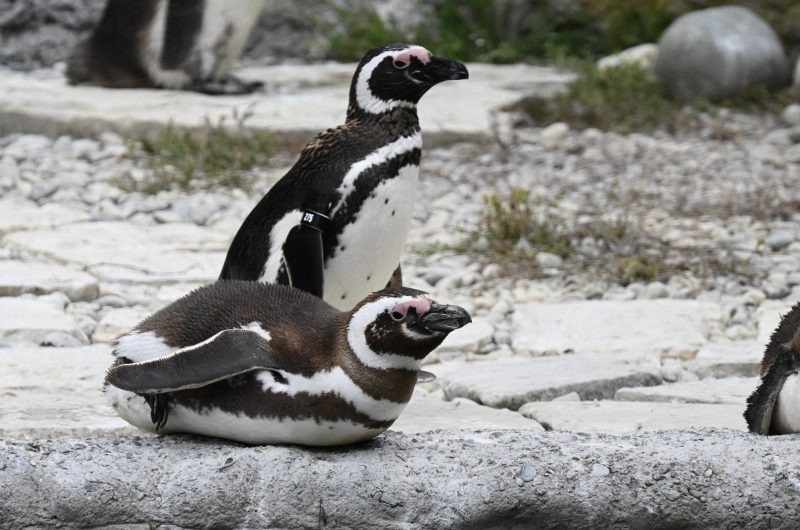
The Valdes Peninsula in Argentina is a unique birdwatching spot, known for its coastal and marine birds.
Here, you can observe a variety of seabirds, including the Magellanic Penguin and the Kelp Gull. The peninsula’s diverse habitats, from beaches to salt flats, are also home to the Lesser Rhea and Elegant Crested Tinamou.
Apart from birds, the Valdes Peninsula is famous for its marine wildlife, like whales and sea lions, adding an extra dimension to your birdwatching trip.
The best time to visit is from September to March, when migratory birds flock to the area, and the marine life is abundant.
This destination offers a blend of birdwatching with a touch of aquatic adventure, making it a unique experience for nature enthusiasts.
12. Tandayapa Valley, Ecuador
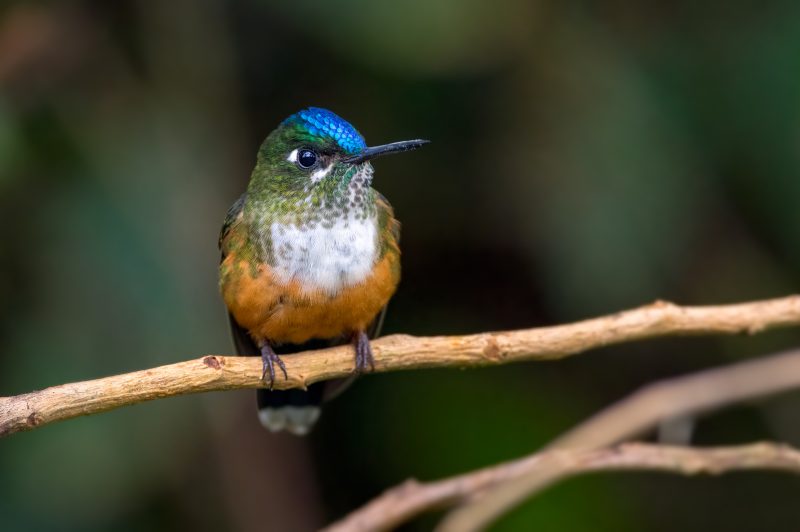
Tandayapa Valley, nestled in the Ecuadorian Andes, is a hotspot for hummingbird enthusiasts. This biodiverse valley is teeming with different hummingbird species, each more dazzling than the last.
From the sparkling Violet-tailed Sylph to the boisterous Booted Racket-tail, the array of colors and behaviors is mesmerizing. Birdwatchers can enjoy these sights from various lodges and hummingbird feeders set up throughout the valley. The cloud forest habitat also supports other species like the Toucan Barbet and the Plate-billed Mountain-Toucan.
The best time for birdwatching in Tandayapa Valley is during the wet season, from December to May, when the hummingbirds are most active.
This valley is not just a birdwatching location; it’s a celebration of nature’s vivid palette.
13. Chapada dos Guimarães, Brazil
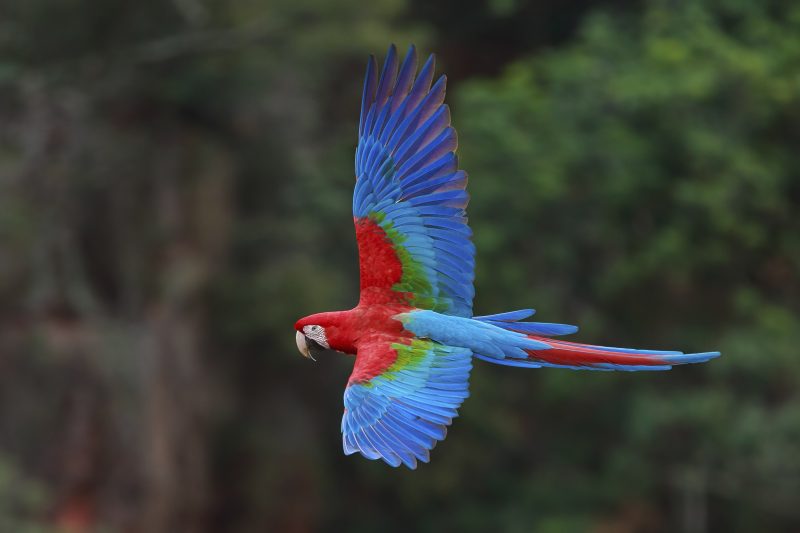
Chapada dos Guimarães in Brazil offers a unique birdwatching experience in the Cerrado biome. This national park is known for its dramatic cliffs, waterfalls, and diverse birdlife.
Birdwatchers can spot the Collared Crescentchest, the Blue Finch, and the endemic Chapada Flycatcher. The park’s varied landscapes provide habitats for both Cerrado specialists and more widespread species. Guided birdwatching excursions are available, offering insights into the unique ecology of the area.
The best time to visit is during the dry season, from May to September, when the weather is more stable, and bird activity is high.
Chapada dos Guimarães is not just a destination for birdwatchers; it’s a window into the unique and often overlooked Cerrado ecosystem.
14. El Cajas National Park, Ecuador
El Cajas National Park in Ecuador is a high-altitude haven for birdwatchers. Situated in the Andean highlands, this park features a stunning landscape of rugged terrain and glacial lakes.
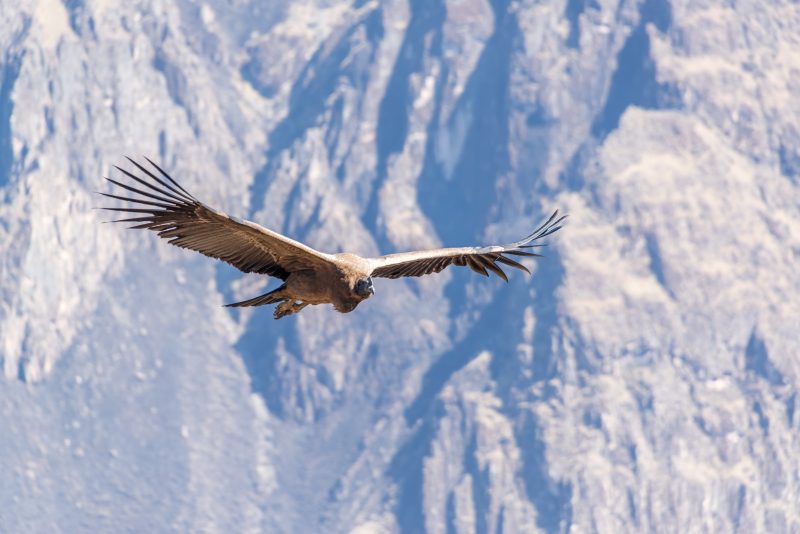
It’s a prime spot for seeing highland species like the Tit-like Dacnis, the Giant Conebill, and the striking Andean Condor. The park’s unique páramo ecosystem supports a rich avian diversity, including several hummingbird species. Birdwatching here is a blend of challenging hikes and rewarding sightings, especially near the lakes and along the trails.
The best time to visit is during the dry season, from June to September, when the weather is clearer.
El Cajas National Park offers birdwatching opportunities plus a chance to experience the tranquil beauty of the Ecuadorian highlands.
15. Serra da Canastra National Park, Brazil
Serra da Canastra National Park in Brazil is an exceptional birdwatching location, especially for those seeking to observe the Brazilian Merganser, one of the world’s most endangered waterfowl. The park’s vast savannahs and cascading waterfalls create a picturesque backdrop for birdwatching.
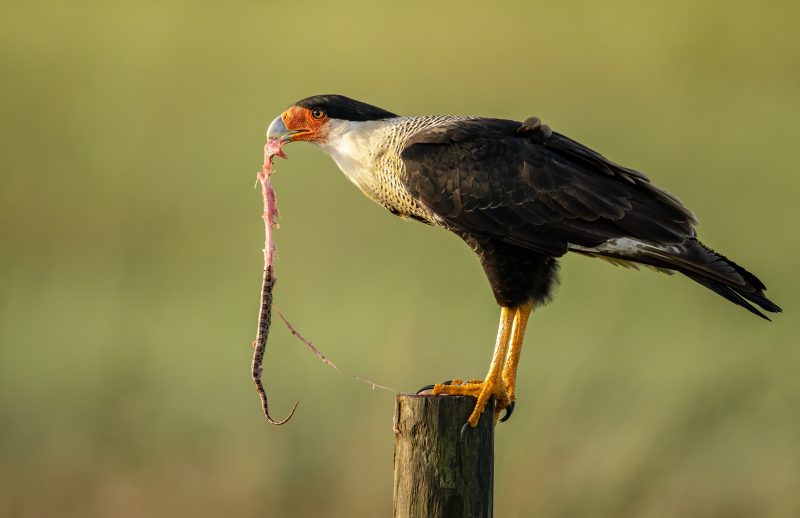
In addition to the Merganser, visitors might spot the Crested Caracara, the Collared Crescentchest, and various raptors. The Cerrado biome within the park provides a habitat for a unique mix of bird species.
Birdwatching is most fruitful during the dry season, from April to October, when the water levels are lower, and birds gather around rivers and waterholes.
Serra da Canastra offers not just birdwatching but also a deep dive into the diverse ecosystems of Brazil’s heartland.
Conclusion
Our journey through the best birdwatching locations in South America comes to an end, but the adventure awaits you in each of these remarkable destinations. From the lush Amazon rainforests to the rugged Andean highlands, and from the mystical Galápagos Islands to the vast Pantanal wetlands, South America is a mosaic of habitats, each brimming with avian wonders.
Whether you’re a seasoned birder or just beginning, these destinations offer something unique – a chance to connect with nature, witness the beauty of birdlife, and contribute to the conservation of these magnificent creatures and their habitats.
So, grab your binoculars, pack your field guide, and embark on an unforgettable journey. Every bird you spot, every new sound you hear, and every landscape you explore is a reminder of the phenomenal diversity and beauty of our world.