
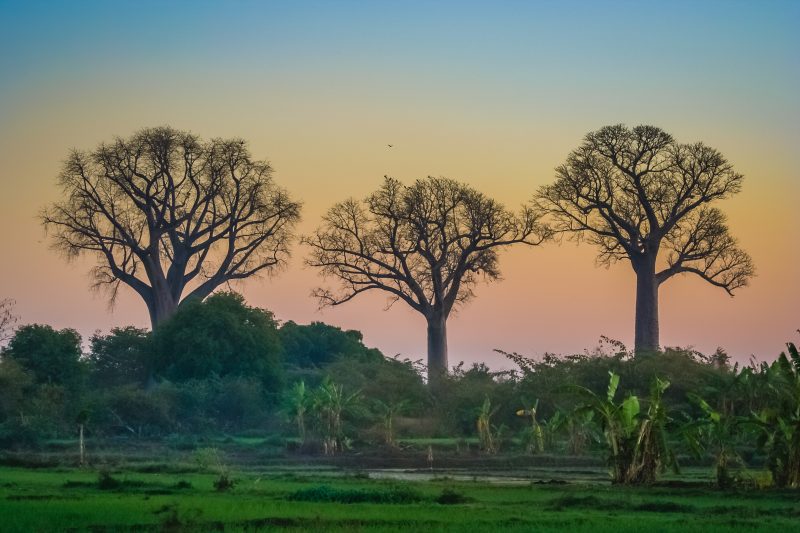
Welcome to a journey through Madagascar, a land of unique avian treasures. This island, unlike any other, offers a plethora of bird species, many found nowhere else on Earth. The diverse habitats, from lush rainforests to arid spiny forests, create a paradise for bird enthusiasts.
Imagine walking through these landscapes, binoculars in hand, ready to spot some of the world’s most fascinating birds. Madagascar’s birdwatching experience promises to be unforgettable. So, let’s embark on this avian adventure together and discover the winged wonders of this magical island.
Birdwatching: A Window to Madagascar’s Biodiversity
Birdwatching in Madagascar is more than a hobby; it’s a gateway to understanding the island’s rich biodiversity. Each bird species here tells a story of evolution, adaptation, and survival.
Madagascar, isolated for millions of years, has developed a unique set of bird species. These feathered inhabitants are vital indicators of the health of their ecosystems. By observing them, we contribute to the conservation efforts and gain insights into the environmental challenges they face.
As birdwatchers, we play a crucial role in appreciating and protecting these avian species. Through our binoculars, we witness not just birds, but the heartbeat of Madagascar’s natural heritage. Let’s tread softly and watch keenly, since every bird we encounter is a piece of Madagascar’s ecological puzzle.
1. Andasibe-Mantadia National Park

The Rich Biodiversity of Andasibe-Mantadia
Andasibe-Mantadia National Park, a jewel in Madagascar’s crown, awaits with its lush rainforests and an orchestra of birdsong. This park, a haven for bird enthusiasts, boasts a rich array of endemic species.
One can find the enigmatic Madagascar Paradise Flycatcher, flaunting its long tail feathers as it darts through the canopy. The park is also home to the Nuthatch Vanga, a bird unique to Madagascar, recognizable by its strong bill and striking plumage.
Keep an eye out for the elusive Madagascar Blue Pigeon, a sight to behold with its vibrant blue feathers. The Crested Ibis, with its distinctive red crest, patrols the forest floor, while the Madagascar Serpent-Eagle, a rare raptor, soars overhead. Each bird encounter here is a peek into the heart of Madagascar’s avian diversity.
Birds of Andasibe-Mantadia
Exploring Andasibe-Mantadia National Park is an immersive experience. Listen for the haunting call of the Scaly Ground Roller, a ground-dwelling bird with intricate patterns. The Velvet Asity, with its dazzling green feathers and striking eye wattle, is a must-see for any birdwatcher.
The secretive Madagascar Flufftail may be heard more often than seen, adding an element of mystery to your exploration. The Red-fronted Coua, easily identifiable by its red forehead and blue-green body, adds a splash of color to the forest.
Lastly, keep an eye out for the Madagascar Long-eared Owl, a nocturnal hunter adding to the park’s diverse bird life. Each step in Andasibe-Mantadia brings a new discovery, a testament to Madagascar’s unique birdwatching opportunities.
2. Ranomafana National Park
Exploring Ranomafana’s Rainforest
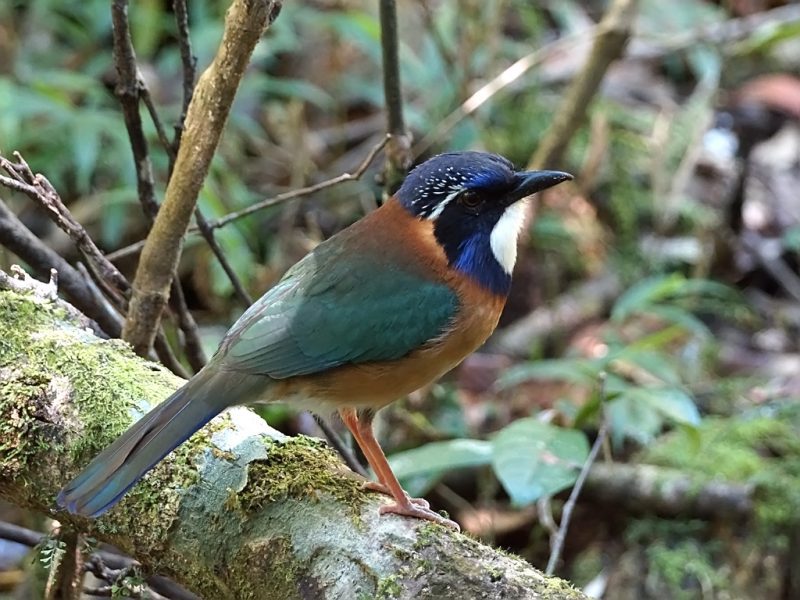
Ranomafana National Park, a lush rainforest in the southeastern part of Madagascar, beckons birdwatchers with its rich avian diversity. The park is a hotspot for birdwatching, with species like the Pitta-like Ground Roller, a ground dweller with vibrant plumage.
The Henst’s Goshawk, a large and powerful raptor, patrols the skies. The Yellow-bellied Sunbird-Asity, with its iridescent green and yellow plumage, flits among the treetops. The Cryptic Warbler, living up to its name, remains hidden among the foliage, its song a delightful challenge to locate. The Blue Coua, with its striking blue feathers and red eyes, is a visual treat for bird enthusiasts.
Birds of Ranomafana
Ranomafana National Park is also home to other remarkable birds. The Forest Rock Thrush, with its melodious song, is a joy to both see and hear.
The Velvet Asity, a small bird with a dazzling green plumage, adds to the park’s vibrant bird life. The Pollen’s Vanga, unique to Madagascar, showcases the island’s avian endemism. The Madagascar Wood Rail, with its distinctive call, is often heard before seen. Finally, the spectacular Sunbird-Asity, with its bright plumage and distinctive feeding habits, is a highlight for any birdwatcher.
Each bird sighting in Ranomafana is a reminder of Madagascar’s rich and unique biodiversity, making it a must-visit destination for bird enthusiasts.
3. Ankarafantsika National Park
Discovering Ankarafantsika’s Dry Forests
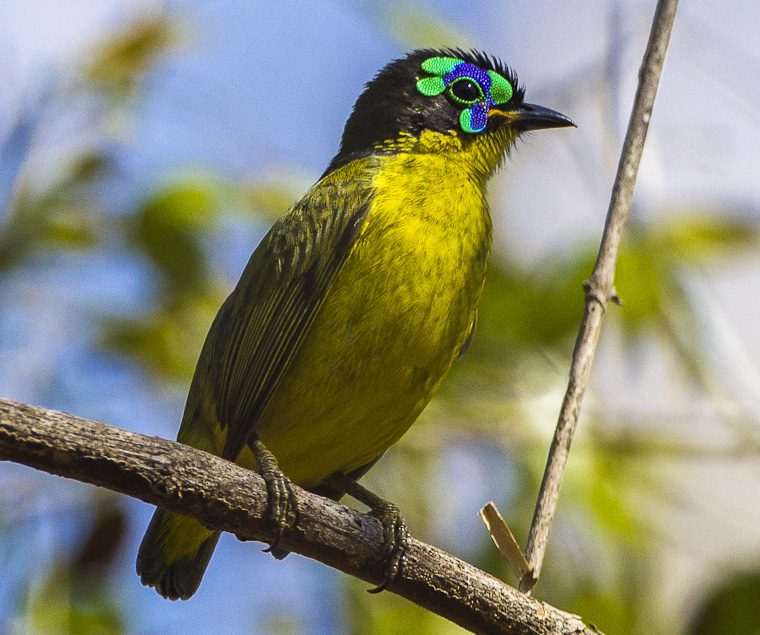
Ankarafantsika National Park, renowned for its dry deciduous forests, offers a distinct birdwatching experience. In this unique habitat, the Schlegel’s Asity, a small but vibrant bird, flits through the foliage.
The park is a stronghold for the Van Dam’s Vanga, a species endemic to Madagascar, notable for its striking appearance and fascinating foraging habits. The Madagascar Fish Eagle, an impressive raptor, can be seen soaring over the lakes, a majestic sight for any bird enthusiast.
The White-breasted Mesite, another endemic species, moves stealthily across the forest floor. The elusive Banded Kestrel, a small but powerful predator, adds to the park’s raptor diversity.
Birdlife in Ankarafantsika
Ankarafantsika also offers sightings of the Coquerel’s Coua, a stunning bird with a distinct call that echoes through the forests.
The Red-capped Coua, with its bright red cap and melodious call, is a delight to observe. The Madagascar Sparrowhawk, a skilled hunter, adds drama to the park’s avian life. Birdwatchers may also spot the Sickle-billed Vanga, known for its long, curved bill and cooperative feeding habits.
Lastly, the Rufous Vanga, with its rufous plumage and strong presence, completes the diverse birdwatching experience in Ankarafantsika.
4. Isalo National Park
Isalo’s Unique Landscape and Avifauna
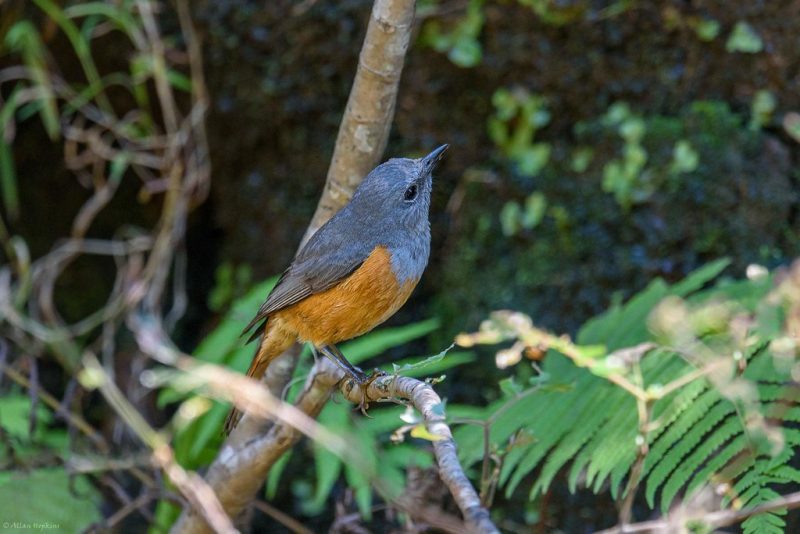
Isalo National Park, famous for its rugged terrain and sweeping landscapes, offers a birdwatching experience like no other. The Benson’s Rock Thrush, unique to this area, can be found perched on rocky outcrops.
The park’s open spaces are ideal for spotting the Madagascar Kestrel, a common but fascinating raptor. The elusive Madagascar Partridge, well adapted to the rocky environment, is a rare treat for birdwatchers.
The Madagascar Cisticola, with its distinctive call, is often heard fluttering in the grasslands. Additionally, the Thamnornis, an understated yet endemic species, adds to the park’s bird diversity.
Birdwatching in Isalo
In Isalo National Park, the Forest Fody, with its vibrant red plumage, is a common sight in wooded areas. The Madagascar Hoopoe, easily recognizable by its striking crest and patterned wings, is a delight to observe.
The Long-tailed Ground Roller, a ground-dwelling bird with beautiful markings, is a highlight for many bird enthusiasts. The White-throated Rail, an adaptable bird found in various habitats, adds to the park’s avian richness.
Lastly, the endemic Madagascar Mannikin, often seen in flocks, provides a lively and social aspect to birdwatching in Isalo.
5. Zombitse-Vohibasia National Park
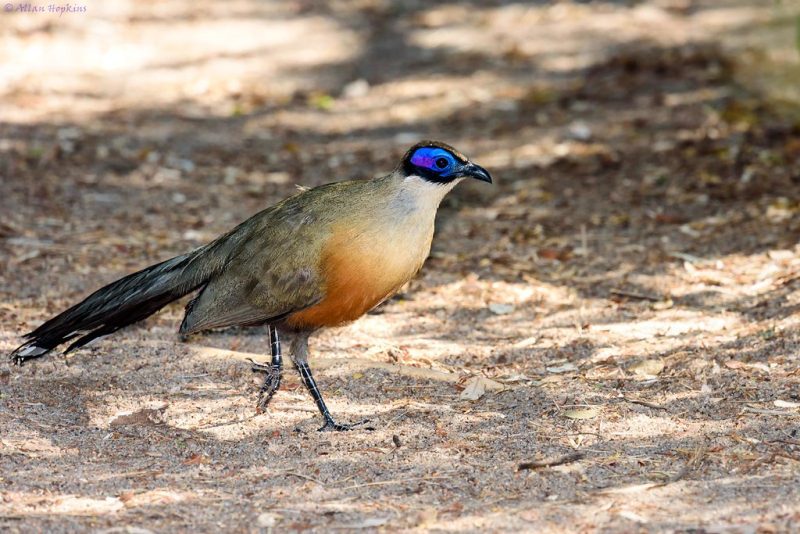
The Forests of Zombitse-Vohibasia
Zombitse-Vohibasia National Park, a transition zone between dry and wet forests, is a haven for bird lovers.
The Appert’s Tetraka, a critically endangered species, finds refuge in this unique habitat. The park is also home to the Giant Coua, a large, ground-dwelling bird with impressive size and coloring.
Birdwatchers may encounter the Madagascar Cuckoo-Roller, a species with an aerobatic display and striking plumage. The Red-tailed Vanga, with its vibrant red tail and sociable nature, is a frequent sight. The elusive Madagascar Buttonquail, often spotted scurrying through underbrush, adds excitement to the birdwatching experience.
Birds of Zombitse-Vohibasia
In Zombitse-Vohibasia, the Long-billed Greenbul, with its melodious song, is a joy to find. The Crested Drongo, a common but charismatic species, entertains with its acrobatic flights.
The Madagascar Sparrowhawk, a nimble hunter, can be seen pursuing its prey, adding a thrilling element to birdwatching. The Verreaux’s Coua, with its distinctive appearance and curious nature, is another must-see.
Finally, the Archbold’s Newtonia, a small but striking bird, completes the diverse and fascinating avian tapestry of Zombitse-Vohibasia.
6. Nosy Mangabe Reserve

The Island Haven of Nosy Mangabe
Nosy Mangabe Reserve, a small island off Madagascar’s northeast coast, is a hidden gem for birdwatchers.
This lush rainforest sanctuary is home to the Madagascar Kingfisher, a vibrant bird often spotted near water. The elusive Bernier’s Vanga, endemic to Madagascar, thrives in this secluded environment. The Madagascar Buzzard, a versatile raptor, can be seen soaring above the canopy.
The island also hosts the Blue Vanga, known for its striking blue plumage and sociable behavior. The White-throated Rail, an adaptable species, is a common sight in the undergrowth.
Nosy Mangabe’s Avian Treasures
Exploring Nosy Mangabe, one might encounter the Madagascar Nightjar, a nocturnal bird with a distinctive call. The Madagascar Bulbul, a common yet delightful species, adds a melodious presence.
The Madagascar Spinetail, a swift-flying bird, dashes through the air, capturing the essence of Nosy Mangabe’s dynamic bird life. The Crested Drongo, with its glossy black feathers and forked tail, is a regular performer in the treetops.
Lastly, the Spectacled Tetraka, a small but charming bird, completes the avian diversity of Nosy Mangabe, making every birdwatching excursion an adventure.
7. Masoala National Park
Masoala: Madagascar’s Largest National Park

Masoala National Park, the largest in Madagascar, offers an unparalleled birdwatching experience.
The park is a sanctuary for the Helmet Vanga, an iconic bird with a striking blue bill and black and white plumage. The Red-breasted Coua, with its vibrant breast and melodious call, is a delightful find. The secretive Scaly Ground Roller, with its camouflage plumage, is a testament to the park’s biodiversity.
The Madagascar Serpent-Eagle, a rare and powerful raptor, adds an air of majesty. The Rainforest Scops Owl, with its haunting call, evokes the mystique of Masoala’s night.
Birdwatching Highlights in Masoala
Masoala National Park’s dense forests also host the Short-legged Ground Roller, a ground-dwelling bird with striking features. The Blue Coua, easily identifiable by its deep blue feathers, is a regular sight in the canopy.
The Madagascar Pygmy Kingfisher, a small but vibrant bird, adds a splash of color to the streams. The Madagascar Red Owl, a rare and elusive species, offers a once-in-a-lifetime sighting for lucky birdwatchers.
Lastly, the White-headed Vanga, with its distinctive head coloring, embodies the unique avian life that thrives in Masoala, making it a must-visit destination for any bird enthusiast.
Best Practices for Birdwatching in Madagascar
Embarking on a birdwatching adventure in Madagascar is a privilege that comes with responsibilities. To ensure a respectful and sustainable experience, consider these best practices.
Prioritize minimal disturbance to birds and their habitats. Move quietly, observe from a distance, and avoid any actions that might stress the birds.
Support local conservation efforts. Engaging with local guides and communities not only enriches your experience but also contributes to the local economy and conservation initiatives.
Be mindful of environmental impact. Stick to established paths, carry out all litter, and use eco-friendly products.
Document sightings responsibly. While photography is a great way to capture memories, it’s crucial to do so without disturbing the birds.
Share your knowledge and experiences. Educating others about the importance of bird conservation in Madagascar can have a lasting impact.
Conclusion
As our journey through Madagascar’s birdwatching paradises concludes, we are left with unforgettable memories and a deeper appreciation for nature’s wonders. From the dense rainforests of Ranomafana to the unique landscapes of Isalo, each location has offered a glimpse into the diverse and vibrant world of Madagascar’s avian life.
These experiences remind us of the importance of conservation and the role we play as birdwatchers in preserving these magnificent creatures. Let’s carry these lessons forward, continuing to explore, respect, and protect the natural world, wherever our birdwatching adventures may take us.
Madagascar, with its exceptional birdlife, stands as a testament to the beauty and fragility of our planet’s biodiversity, inspiring us to be stewards of the environment. Happy birdwatching, and may your future adventures be filled with many more feathered discoveries!