
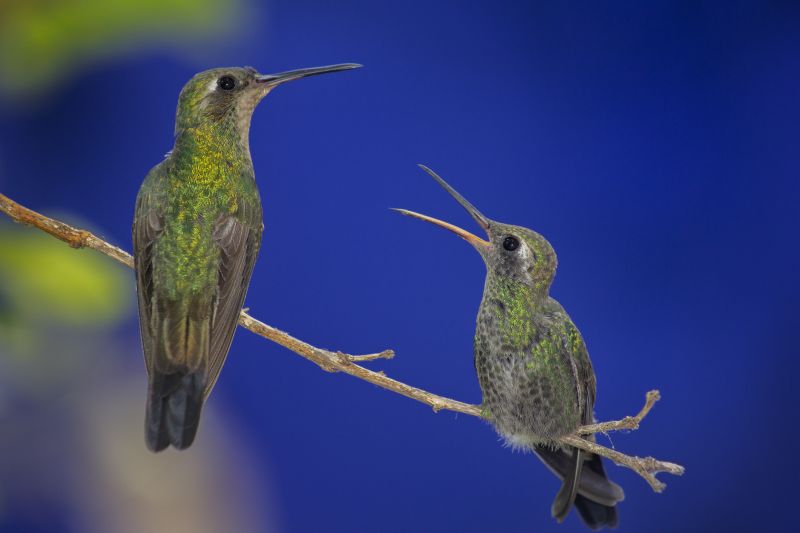
Have you ever stopped to listen to the melodic songs of birds and wondered what they mean? These enchanting sounds that grace our mornings and evenings are not mere background music. They are a critical aspect of a bird’s life, serving various purposes such as attracting mates, defending territory, and communicating within species. Each tune is a unique language, integral to the bird’s identity and survival strategy.
In this post, we’ll embark on a delightful journey into the world of bird songs. We’ll uncover these songs’ fascinating roles and meanings in the avian kingdom. So, let’s tune our ears to the symphony of nature and decode the language of our feathered friends.
The Science of Bird Songs
Definition and Characteristics of Bird Songs
Bird songs are complex vocalizations that are unique to each bird species. They are typically melodic and intricate, contrasting with the more straight forward and functional bird calls.
Songs are often a series of varied notes and rhythms, showcasing a rich tapestry of sounds. These vocalizations are particularly prominent during breeding seasons when birds are most vocal.
Each song serves a distinct purpose, varying from attracting mates to establishing territorial boundaries. Understanding these songs provides insight into birds’ complex social structures and behaviors, making birdwatching an even more enriching experience.
How Birds Produce Songs
Birds produce songs using an organ unique to them: the syrinx. This specialized organ, located at the base of a bird’s trachea, enables the production of diverse and intricate sounds. Unlike human vocal cords, the syrinx can create different pitches simultaneously, allowing birds to produce a complex harmony of sounds. This ability makes their songs exceptionally melodious and varied, capable of conveying a wide range of messages and emotions.
Songs vs. Calls
It’s crucial to distinguish between bird songs and calls. Songs are longer, more complex vocalizations used primarily during mating seasons for attracting partners and marking territories. In contrast, calls are shorter, simpler sounds employed for immediate communication. Calls serve various purposes, including alerting others to danger, coordinating with the flock, or signaling food sources. Understanding this difference enhances our appreciation and comprehension of bird communication.
Meanings and Functions of Bird Songs
Territorial Claims
Bird songs play a crucial role in territorial claims. Imagine each song as a bird’s way of declaring ownership over an area. These vocal declarations are particularly important during breeding seasons.
A male bird often sings to mark its territory, warning other males to stay away while simultaneously attracting females. The complexity and frequency of these songs can indicate the bird’s health and strength, thereby influencing its success in securing territory and attracting a mate. Intriguingly, some birds have been observed to alter their territorial songs in response to urban noise, indicating an adaptability to changing environments. Understanding these territorial songs adds an exciting dimension to birdwatching, as we witness the avian struggle for dominance and survival through vocal prowess.
Mating Calls

The role of bird songs in mating rituals is a symphony of nature’s complexity and beauty. These songs are not just about attracting any mate; they’re about attracting a suitable mate.
Birds use their songs to showcase their vitality, genetic quality, and suitability as a partner. In many species, females prefer males with more complex and varied songs, as these traits often indicate a healthy and robust potential mate. The intricacies of the song can convey information about the bird’s age, health, and even genetic diversity.
During the breeding season, these songs become more frequent and intense as males vie for the attention of discerning females. For birdwatchers, this period offers a fascinating insight into the selection process and courtship behaviors of birds.
Identification
Bird songs serve as a powerful tool for identification. Each species has a distinct set of vocalizations that can be recognized and differentiated. For birdwatchers, learning these songs is akin to learning a new language, enabling them to identify species without visual cues. When visual identification is challenging in dense forests or during twilight, these songs become vital.
Birds also have unique calls that can vary from individual to individual within a species, akin to human voices. This variation allows birds to recognize each other, helping maintain social bonds and group cohesion.
For researchers, these variations provide valuable data for studying bird populations, the effects of environmental changes on avian communities and migration patterns. As birdwatchers, understanding these nuances enhances our experience, connecting us more deeply with the avian world.
Variations in Bird Songs
Species-Specific Songs
The world of bird songs is rich with diversity, with each species boasting its unique set of vocalizations. These species-specific songs are a result of evolutionary adaptations, shaped by factors like habitat, social interactions, and survival needs.
For instance, birds in dense forests often have low-frequency songs to penetrate the thick vegetation, while those in open areas may have higher-pitched songs. The variations are not just in pitch but also in rhythm, tempo, and complexity. This diversity not only aids in species identification but also reflects the ecological niches that different birds occupy.
For birdwatchers and ornithologists, this variety presents an endless scope for learning and discovery, offering insights into these fascinating creatures’ evolutionary history and ecological adaptations.
Geography and Environment
Geography and environment play significant roles in shaping bird songs. Birds of the same species can exhibit regional song variations, much like human accents. These differences can arise due to geographical isolation or variations in local environments. For example, birds in urban areas often adjust their songs to be heard over the commotion of city noise. These adaptations can lead to unique song patterns within populations, helping them communicate effectively in their specific habitats.
Understanding these environmental influences on bird songs is pivotal for conservation efforts, as it highlights the need to preserve not just the species but also their natural habitats and acoustic environments. For birdwatchers, recognizing these variations adds another layer of enjoyment and understanding to their hobby, connecting them more deeply with the natural world.
Learning and Adaptation

Birdsong is not only a natural instinct but also a learned behavior. Fledglings learn to sing by listening to and mimicking the songs of adult birds, usually their parents or other members of their species. This learning process is most evident in songbirds, where juveniles go through a phase of ‘song learning,’ much like how humans learn to speak.
The ability to learn and adapt songs means that birds can respond to changes in their environment, like new noise pollution levels, by altering their songs for better communication. This adaptability showcases the remarkable cognitive abilities of birds. For those who enjoy birdwatching, understanding this learning process adds a fascinating dimension, as it reveals the dynamic and ever-changing nature of the avian world.
The Role of Human Impact
Effects of Urbanization and Noise Pollution
The impact of urbanization and noise pollution on bird songs is a growing area of concern. As natural landscapes give way to urban environments, birds face the challenge of making their songs heard over the din of city life. Studies have shown that many bird species have adapted by singing at higher pitches, louder volumes, and during quieter times like early morning. This adaptation, while remarkable, is not without consequences. It can lead to increased stress and energy expenditure for birds.
Additionally, noise pollution can thwart communication between birds, affecting their mating success and territorial disputes. For birdwatchers and environmentalists, understanding these impacts is crucial for advocating for noise reduction and habitat preservation efforts, ensuring that our urban sprawl does not drown out the melodious voices of birds.

Conservation Efforts
Conservation efforts are vital in protecting birds and their natural habitats, thereby preserving their traditional song patterns. Climate change, habitat loss and human interference have led to declines in bird populations and alterations in their natural behaviors, including singing.
Conservation initiatives focus on protecting critical habitats, restoring damaged ecosystems, and raising awareness about the impact of human activities on bird populations. Efforts like planting native vegetation, creating bird-friendly spaces in urban areas, and supporting legal protections for critical habitats play a significant role in conserving bird species.
For bird enthusiasts, participating in and supporting these conservation efforts is not just about enjoying birdwatching as a hobby; it’s about taking responsibility for preserving the natural world and the diverse array of bird songs that enrich our lives.
Listening to Bird Songs
Tips for Birdwatching and Listening
Birdwatching is not just about seeing; it’s equally about listening. To fully appreciate the art of bird songs, a few tips can enhance your experience.
- Familiarize yourself with the songs of birds common to your area. Many resources, like field guides and online recordings, can help with this.
- When birdwatching, try to find a quiet spot away from human noise. Early morning is often the best time, as many birds are most vocal then.
- Patience is key. Sit quietly and listen. Over time, you’ll start to distinguish different songs and calls.
Remember, each bird song is unique, so paying attention to the details can be incredibly rewarding. For those keen to deepen their understanding, keeping a journal of the songs heard and their characteristics can be a fulfilling practice.
Technology in Bird Song Identification and Recording
Advances in technology have revolutionized bird song identification and recording. Numerous apps now exist that can identify bird songs in real-time, making it easier for beginners to get into birdwatching. These tools not only identify the species but often provide additional information about the bird’s behavior and habitat.
For those more technically inclined, recording bird songs with specialized equipment can be an engaging hobby aspect. Analyzing these recordings later can help in understanding the nuances of bird communication.
This blend of nature and technology brings a new dimension to birdwatching, making it more accessible and informative for everyone, from casual observers to dedicated ornithologists.

Appreciating Bird Songs
Appreciating bird songs goes beyond just listening; it’s about understanding the intricate role these sounds play in the tapestry of nature. Each melody has a purpose, from signaling danger to attracting a mate.
As we tune into this world of avian communication, we develop a deeper connection with nature. Bird songs remind us of the beauty and complexity of the natural world. They inspire a sense of wonder and provide a tranquil escape from our fast-paced lives.
By taking the time to listen and understand, we not only enhance our birdwatching experience but also cultivate a greater appreciation for the delicate balance of our ecosystems and the need to protect them.
Conclusion
In our journey through the world of bird songs, we’ve uncovered the complexities and beauty of these avian melodies. From the intricate ways birds use songs for territory marking, mating, and identification, to the adaptations driven by environmental changes and human impacts, it’s clear that bird songs are a fascinating and integral part of nature. This exploration serves as a reminder of the deep connections between wildlife and their habitats, and the importance of our role in preserving them.
As birdwatchers, we’re not just passive observers; we’re custodians of these natural wonders. Each bird song is a call to appreciate, understand, and protect the rich tapestry of life that surrounds us. Let’s continue to listen, learn, and advocate for the conservation of our feathered friends and their harmonious symphonies.