
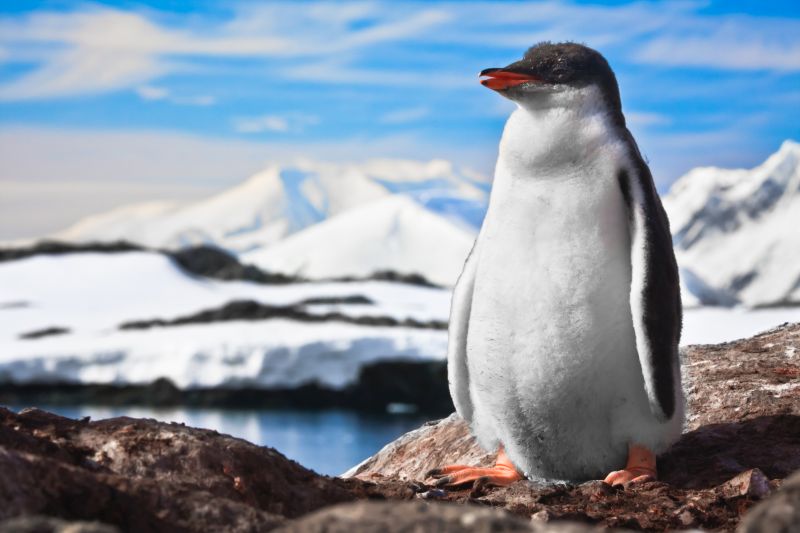
Have you ever wondered about the classification of penguins? Penguins are fascinating creatures with unique behaviors and adaptations. Some people believe they’re mammals due to their warm and cuddly appearance. Let’s dive into the world of penguins to find out.
What Defines a Mammal?
To determine whether penguins are mammals, we need to know what makes an animal a mammal. Mammals have certain defining characteristics. They are warm-blooded, meaning they can regulate their body temperature internally and maintain a consistent body temperature no matter the environment. This is quite different from cold-blooded animals like reptiles.
One of the most notable differences is that mammals give birth live. They do not lay eggs like birds or reptiles. Mammals have mammary glands that produce milk, offering crucial nutrients to nourish and support the growth of their young.
Finally, mammals typically have hair or fur covering their bodies. Even marine mammals like whales and dolphins have some hair during their early life stages.
These features set mammals apart from other animal groups, and understanding them will help us determine whether penguins are, in fact, mammals.
Penguins: An Overview
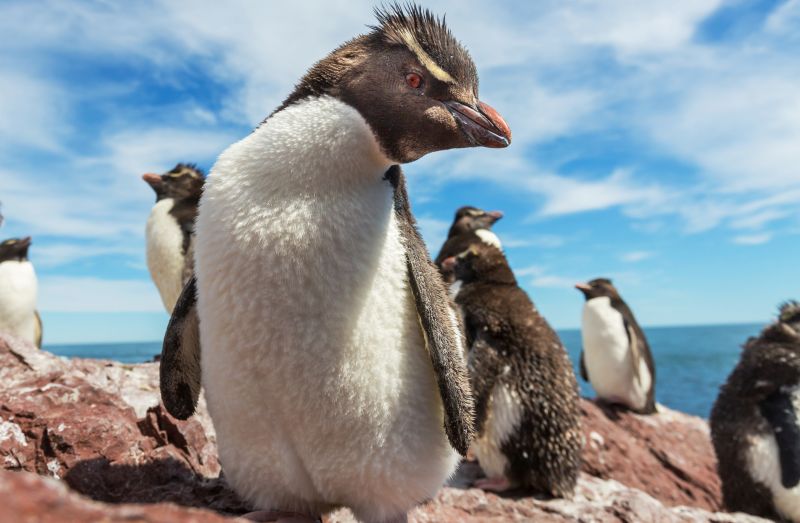
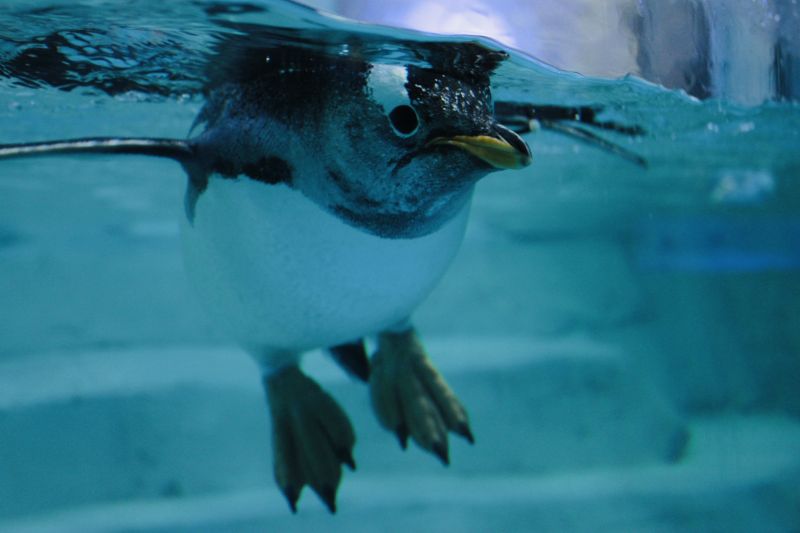
Penguins are truly remarkable. They are flightless but incredibly agile in the water. Their streamlined bodies and powerful flippers make them excellent swimmers. Penguins primarily live in the Southern Hemisphere. They are most commonly found in Antarctica, but some species inhabit warmer regions.
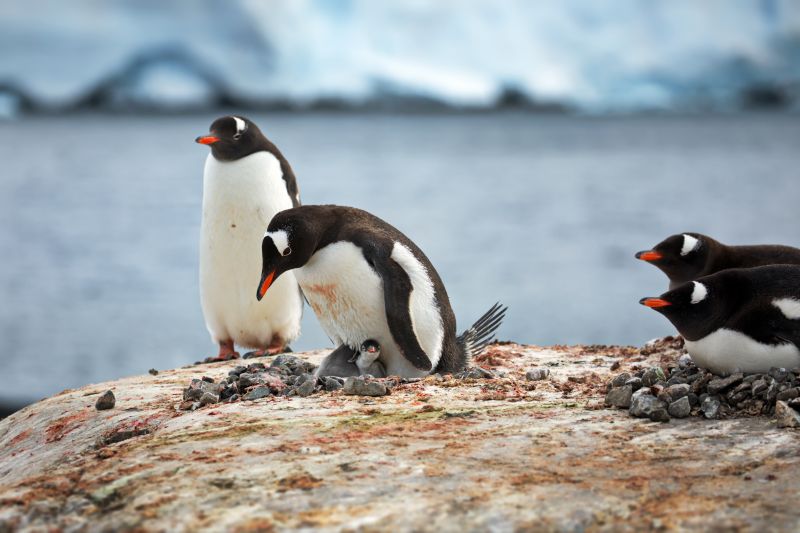
Physically, penguins are distinct. They have a layer of blubber right under their skin to keep them warm in cold environments. This blubber acts as an insulating layer, crucial for surviving harsh climates. Their feathers are densely packed and waterproof, helping them stay dry and insulated. The unique structure of their feathers traps air, providing additional warmth.
Penguins also have a unique waddle on land because of their short legs and upright posture. Watching them walk can be pretty amusing. Their behaviors, such as synchronized swimming and group huddles, are fascinating. Penguins are social animals. They often form large colonies for breeding and protection. Their vocalizations and displays of affection show a complex social structure.
Key Differences Between Penguins and Mammals
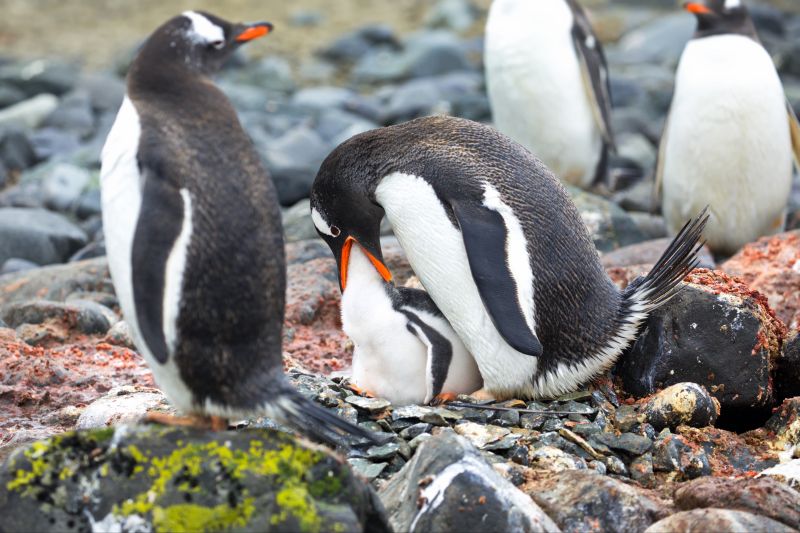
Understanding the differences between penguins and mammals is crucial. One of the main distinctions lies in their reproduction methods. Penguins lay eggs, while mammals give birth to live young. Depending on the species, female penguins lay one or two eggs. They then take turns with their partners to incubate the eggs. This process is quite different from mammals, which nourish their developing young inside their bodies.
Another significant difference is in their body coverings. Penguins have feathers, not fur or hair. Their feathers are specially adapted to their aquatic lifestyle. These feathers are densely packed and waterproof, providing excellent insulation in cold waters. Mammals, on the other hand, have hair or fur that helps to regulate their body temperature.
Physiological traits also set penguins apart from mammals. Penguins are warm-blooded birds, meaning they can regulate their body temperature. However, they do not produce milk to feed their young. Instead, penguin chicks rely on regurgitated food from their parents. This contrasts with mammals, where mothers produce milk from mammary glands to nourish their offspring.
Penguins and Bird Classification
Penguins are classified as birds, and they exhibit all the key characteristics of this group. One of the most defining traits of birds is their feathers. Penguins, despite being flightless, have feathers that are perfectly adapted for swimming. Their feathers are small, stiff, and overlapping, which provides a waterproof layer and aids in their buoyancy.
Another characteristic of birds is their beaks. Penguins have beaks adapted to their diet, which primarily consists of fish, squid, and krill. Their beaks are strong and capable of catching and holding slippery prey. This feature is typical of birds, differing greatly from the mouths and teeth seen in mammals.
Penguins also lay eggs, another hallmark of bird classification. Unlike mammals, penguins do not give birth to live young. Instead, they lay eggs and then care for their hatchlings once they emerge. The incubation and rearing processes are shared between both parents in many penguin species, showcasing a strong partnership.
Penguins fit squarely within the bird classification due to their feathers, beaks, and egg-laying reproduction. These features, combined with their unique adaptations for an aquatic lifestyle, make them fascinating members of the bird family.
Conclusion
We’ve journeyed through the fascinating world of penguins and clarified the common misconception that penguins are mammals.
Penguins are birds. They lay eggs, have feathers, and exhibit unique behaviors that differentiate them from mammals. They thrive in some of the most brutal environments on earth, showcasing remarkable adaptations that make them extraordinary.
Understanding the key differences between penguins and mammals helps us appreciate the diversity of life. Penguins’ unique traits, such as their waterproof feathers and aquatic prowess, highlight the incredible versatility of birds. Their social structures and parental care are equally impressive, demonstrating the complexity of their lives.
Next time you watch penguins waddle or swim, remember the distinct characteristics that define them as birds. Their charm and resilience make them a beloved subject for birdwatchers and nature enthusiasts alike. Keep exploring, observing, and appreciating the wondrous world of birds.