

Imagine a place where azure seas meet lush greenery, creating a perfect backdrop for some of the world’s most spectacular birds. That place is Fiji, a paradise for bird enthusiasts.
Here, the air resonates with the calls of exotic birds, and every turn offers a chance to witness the vibrant hues and unique behaviors of Fiji’s feathered residents. From the iridescent Fiji Parrotfinch to the elusive Silktail, the diversity of birdlife is both astonishing and captivating.
The Importance of Birdwatching in Fiji
Birdwatching in Fiji is not just an enjoyable pastime; it’s a journey into the heart of nature’s marvels. This archipelago hosts an array of bird species, many endemic to its shores. Observing these birds offers insights into their behaviors and habitats, contributing to a deeper understanding of Fiji’s ecosystem.
For conservationists and nature lovers, birdwatching here is a chance to appreciate and contribute to the preservation of these magnificent creatures. Every sighting in Fiji adds to the tapestry of ecological knowledge and highlights the need to protect these fragile environments.
Preparing for Birdwatching in Fiji
Ready for a birdwatching adventure in Fiji? Preparation is key. The best birdwatching experiences often come to those who are well-equipped.
Binoculars are a must for spotting those distant or shy species. A field guide to Fiji’s birds will help you identify and learn about the various species you encounter. Lightweight, breathable clothing is advisable for the tropical climate. Remember your hat and sunscreen to protect against the sun.
Timing is crucial. Fiji’s bird activity peaks at dawn and dusk, so plan your outings accordingly. Be patient and quiet – birds are often more active and less cautious during these times.
Lastly, remember to respect nature. Stick to the designated paths and avoid disturbing the wildlife. With these tips in mind, you’re all set to embark on a memorable birdwatching journey in Fiji!

1. Kadavu Island
Kadavu Island, a less-traveled gem, offers a unique birdwatching experience. This remote island is the exclusive home to the Kadavu Shining Parrot, a bird with brilliant green and red plumage that is a sight to behold.
The island’s relatively undisturbed forests provide a sanctuary for these and other endemic species, such as the Kadavu Fantail and the Kadavu Honeyeater. The island’s terrain varies from coastal mangroves to mountainous rainforests, each offering a different birdwatching scene.
The best way to explore is by joining local guided tours, which not only lead you to the best spots but also offer insights into the birds’ habits and habitats. Birdwatchers can enjoy the tranquility of the island while waiting for that perfect sighting.
Remember to keep an eye out for the Whistling Dove and the Velvet Dove, other remarkable species that call Kadavu home. With fewer tourists, Kadavu is the perfect destination for those seeking a serene and intimate birdwatching adventure.
2. Taveuni Island
Welcome to Taveuni Island, a birdwatcher’s dream come true. Often referred to as the ‘Garden Island’, Taveuni brims with lush rainforests and rare bird species.
Here, the star attraction is the Orange Dove, known for its striking, vibrant plumage. The island’s dense forests are also home to the Silktail, a small bird with a glossy black body and a unique white tail.
Birdwatchers can explore the Bouma National Heritage Park, where well-marked trails lead through diverse habitats, offering ample opportunities for spotting these exotic birds. The air is filled with melodious bird calls, creating an enchanting ambiance. Bring your camera and binoculars; Taveuni’s birds are not just a visual treat but also offer fantastic photo opportunities.
Early mornings are the best time to catch these species in their most active state. Remember, patience is key – the more time you spend in these forests, the more likely you are to witness these avian wonders.
3. Yasawa Islands

The Yasawa Islands, a chain of ancient volcanic islands northwest of Viti Levu, are a true birdwatching paradise. The islands’ rugged cliffs and pristine beaches provide a unique setting for birdwatching.
Here, one can spot the Beach Thick-knee, a rare bird often seen along the shoreline. The islands’ sparse vegetation makes birdwatching relatively easy, with clear views of species like the Fiji White-eye and the Lesser Frigatebird. Boat trips between the islands offer opportunities to spot seabirds, including Noddies and Terns. The best birdwatching times are early morning or late afternoon when the birds are most active.
The tranquility of the Yasawa Islands, combined with their natural beauty, makes for a peaceful and rewarding birdwatching experience. Bring your binoculars and camera with you as the islands’ scenic landscapes are as captivating as their birdlife.
4. Bouma National Heritage Park on Taveuni
Bouma National Heritage Park, located on the enchanting island of Taveuni, is a haven for bird enthusiasts. This park is renowned for its pristine rainforests and rich biodiversity.
Here, birdwatchers can encounter the elusive Fiji Shrikebill, known for its unique call and striking appearance. The park’s dense forests are also home to the Red-throated Lorikeet, a critically endangered species with a vibrant red throat patch.
Bouma’s trails lead you through a variety of habitats, each offering a different birdwatching experience. The Tavoro Waterfalls trail is particularly popular, combining the thrill of birdwatching with stunning natural scenery. Early mornings in the park are magical, with the forest coming alive with the chorus of bird songs.
The park’s local guides are a wealth of knowledge, offering insights into the habits of these exotic birds. Remember to move quietly and keep a lookout; the birds here can be as shy as they are beautiful.
5. Suva’s Colo-i-Suva Forest Park
Colo-i-Suva Forest Park, located near Fiji’s capital, Suva, is a birdwatcher’s paradise. This rainforest park, with its network of trails and natural pools, is home to over 100 bird species.
Keep an eye out for the Masked Shining Parrot, with its dazzling green and red feathers, and the friendly Barking Imperial Pigeon. The park’s canopy walkways offer an elevated view, ideal for spotting canopy dwellers like the Golden Whistler and the Fiji Goshawk. The sound of rushing water from the park’s waterfalls adds to the serene experience, creating a perfect birdwatching ambiance.
Early mornings are ideal for catching glimpses of these birds as they start their day. The park’s proximity to Suva makes it a convenient spot for both tourists and locals. Remember to pack a waterproof jacket, as the forest can be wet, and always stay on the trails to protect the delicate ecosystem.

6. Vanua Levu’s Waisali Rainforest Reserve
Vanua Levu’s Waisali Rainforest Reserve is a hidden gem for birdwatching enthusiasts. This lesser-known reserve offers a serene and undisturbed natural setting, ideal for observing a variety of bird species.
The reserve’s primary attraction is the Red Shining Parrot, known for its vibrant plumage and loud calls. The dense canopy of the rainforest is also a haven for the elusive Friendly Ground Dove and the Fiji Whistler.
The tranquil nature trails of Waisali provide an immersive birdwatching experience, allowing enthusiasts to connect deeply with nature. Early mornings in the reserve are magical, with the forest alive with the sounds of bird calls.
The trails are well-maintained, but a local guide can enhance the experience by pointing out hidden spots and sharing knowledge about the resident birdlife. Pack insect repellent and wear long sleeves to stay comfortable while exploring this lush rainforest.
7. Nadi’s Koroyanitu National Heritage Park
Nestled in the mountains near Nadi, Koroyanitu National Heritage Park is an excellent location for birdwatching. This park’s rugged terrain and native forests are the habitat for many bird species.
The Fiji Parrotfinch, with its bright green body and red face, is often the highlight for birdwatchers. The park also offers you the prospect of spotting the rare Orange-breasted Myzomela, a small bird with a vibrant red and orange chest.
Hiking the park’s trails provides opportunities for birdwatching while offering breathtaking views of Fiji’s landscapes. The best times for birdwatching are early morning or late afternoon when the birds are most active.
It’s advisable to wear sturdy hiking shoes as some trails can be challenging. Koroyanitu National Heritage Park combines the thrill of birdwatching with the adventure of hiking, making it a memorable experience for all nature enthusiasts.
8. Viti Levu’s Sovi Basin
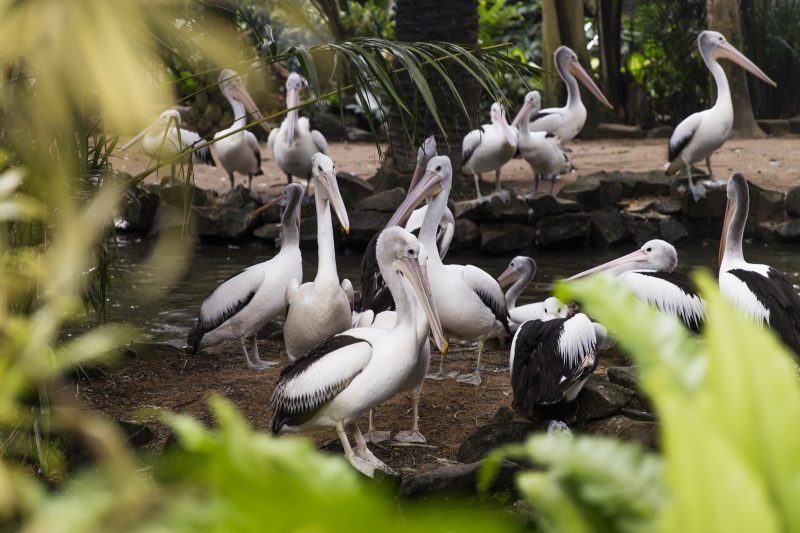
Sovi Basin, nestled in the heart of Viti Levu, offers an unparalleled birdwatching experience. This remote and untouched area is the largest remaining lowland rainforest in Fiji.
Birdwatchers can delve deep into the forest in search of the Long-legged Warbler, a species once thought extinct. The basin’s lush vegetation and quiet streams create a serene atmosphere for observing birds like the Australian Pelican, the Slaty Monarch and the Barking Imperial Pigeon.
Sovi Basin is a place of solitude, where the only sounds are the rustling leaves and the calls of the birds. Exploring the basin requires some adventure spirit and local experts’ guidance.
Early morning treks are ideal for spotting these birds in their natural habitat. The basin offers a rich birdwatching experience along with a chance to immerse oneself in Fiji’s untouched natural beauty.
9. Sigatoka Sand Dunes National Park
Sigatoka Sand Dunes National Park is a must-visit for avid birdwatchers. This unique landscape of towering dunes and lush forests offers a diverse habitat for birdlife.
One of the park’s highlights is the Fiji Woodswallow, often seen soaring above the dunes or perched atop trees. The park is also home to the Fiji Bush Warbler, known for its melodious song that echoes through the forests. As you wander through the park, keep an ear out for the distinctive calls of the Collared Lory.
The park’s varying environments, from grasslands to thickets, make it a fascinating place for birdwatching. Early morning walks yield the best sightings, as the birds are most active.
The park’s trails are well-marked, but a guided tour can enhance the experience, offering expert knowledge of the local avifauna. Don’t forget your camera; the contrasting landscapes provide a stunning backdrop for bird photography.
10. The Nausori Highlands
The Nausori Highlands, with their rolling grasslands and rugged terrain, provide a stark contrast to Fiji’s typical rainforest birdwatching locales. This area, located on Viti Levu, is a hotspot for bird enthusiasts seeking to observe highland species.
The highlands are home to the rare Fiji Bush Warbler, often heard but less frequently seen, hiding in the thickets. Another notable resident is the Whistling Dove, whose haunting call adds to the highlands’ mystique.
The open landscape of the highlands offers expansive, sweeping views, making it easier to spot birds even from a distance. The best birdwatching experiences here are during the cooler hours of early morning or late evening, when the birds are most active.
The Nausori Highlands’ unique environment requires sturdy footwear for hiking and an extra layer of clothing, as temperatures can be nippier than in the lowlands. This location offers a tranquil retreat for birdwatchers, away from the hustle and bustle of tourist spots.
Tips for Responsible Birdwatching
Responsible birdwatching is essential for preserving Fiji’s unique birdlife and habitats. Here are some tips to ensure your birdwatching activities are both enjoyable and sustainable:
- Respect Wildlife: Always stay at a safe distance from birds. Avoid disturbing nests or feeding areas. Remember, your presence should not alter their natural behavior.
- Stay on Trails: Stick to designated paths to minimize your impact on the environment. This helps protect native flora and fauna, and reduces the risk of habitat damage.
- No Littering: Always carry back whatever you bring into nature. Litter can be harmful to birds and other wildlife.
- Quiet Observation: Birds are sensitive to noise. Keep your movements slow and your voice low to avoid scaring them away.
- Do Not Feed the Birds: Feeding wildlife can disrupt their natural foraging habits and diet.
- Support Conservation Efforts: Consider contributing to local conservation organizations protecting Fiji’s bird habitats.
- Educate Others: Share your knowledge and responsible practices with fellow birdwatchers.
Conclusion

With its rich tapestry of bird species and stunning natural landscapes, Fiji offers an unforgettable birdwatching experience. Each location, from the serene highlands to the lush rainforests, provides a unique window into the world of these fascinating creatures.
As birdwatchers, we have the privilege of witnessing the beauty of Fiji’s avian life, but this privilege comes with the responsibility of protecting and preserving their habitats. By following responsible birdwatching practices, we contribute to conserving these incredible species for future generations to enjoy.
Whether you’re an experienced birdwatcher or new to the hobby, there is no denying that Fiji’s birdlife will captivate and inspire you. So, grab your binoculars and embark on your adventure through one of the world’s most beautiful birdwatching destinations.