

When we think of birds, we often picture graceful creatures soaring through the skies or melodiously singing from tree branches. However, not all birds possess the keen intelligence or survival skills we might expect. In fact, some birds exhibit behaviors that are downright baffling, earning them the title of the “dumbest” birds.
But what makes a bird “dumb”? This label is usually assigned based on a bird’s unusual habits, poor survival instincts, or peculiar behaviors that defy what we typically associate with avian intelligence. While it might seem harsh to call any creature dumb, understanding these quirks can provide valuable insights into animal behavior and evolution.
In this article, we will explore ten birds that are often considered the least intelligent in the avian world. From the flightless and nocturnal kakapo to the famously foolish dodo, these birds offer fascinating examples of how diverse and unexpected nature can be. Join us as we delve into the lives of the ten dumbest birds and uncover the curious traits that make them stand out.
1. Kakapo
Characteristics
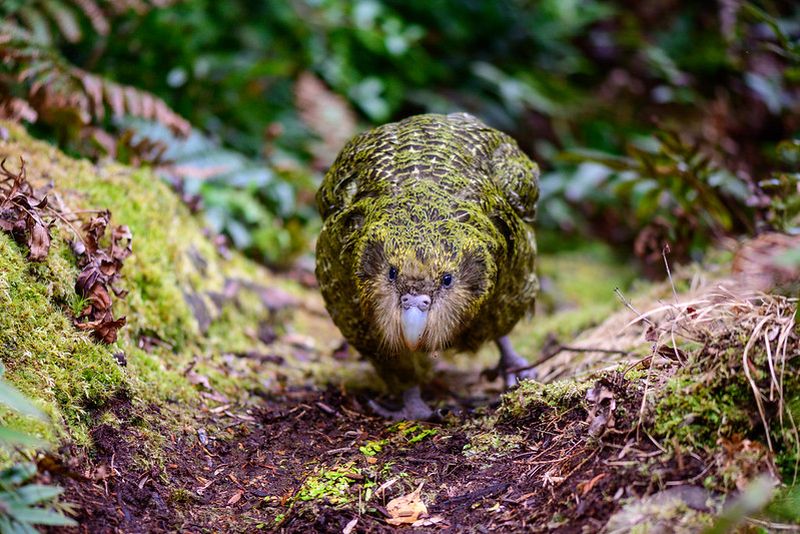
The kakapo, also known as the owl parrot, is a large, flightless, nocturnal bird native to New Zealand. With its mossy green and brown plumage, the kakapo blends well with its forest habitat. However, despite its camouflage, it has several characteristics that contribute to its reputation as one of the dumbest birds.
Unique Behaviors
One of the most notable behaviors of the kakapo is its inability to evade predators. Being flightless, it cannot escape threats by taking to the skies. Instead, it often freezes in place, relying on its camouflage to stay hidden. This strategy might have worked before the introduction of mammalian predators, but it has proven ineffective against cats, rats, and stoats.
Additionally, the kakapo has poor nesting habits. It nests on the ground, making its eggs and chicks vulnerable to predators. The bird’s low reproductive rate and dependence on specific food sources further complicate its survival, leading to its critically endangered status.
2. Dodo
Characteristics
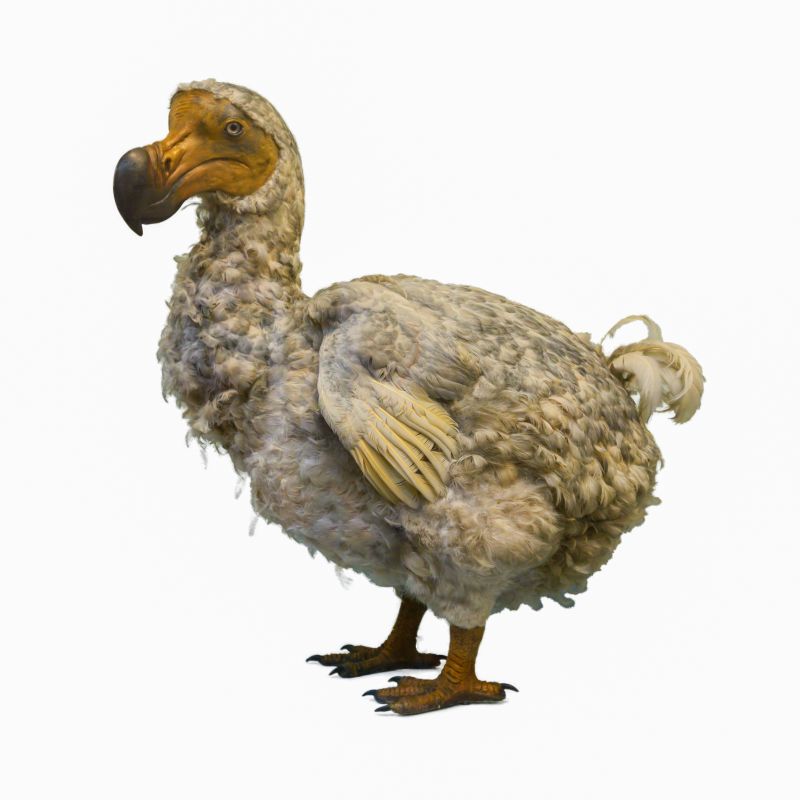
The dodo, a flightless bird from Mauritius, has become a symbol of extinction due to human impact. This large, clumsy bird had a distinctive appearance with its stout body, small wings, and large beak. Unfortunately, its lack of fear and poor survival instincts contributed to its downfall.
Unique Behaviors
One of the most tragic aspects of the dodo’s behavior was its complete lack of fear of humans. When sailors arrived in Mauritius, the dodos would approach them out of curiosity, making them easy targets for hunting. This naivety, combined with their inability to fly, made the dodo exceptionally vulnerable.
The dodo also displayed poor survival instincts. Similar to the kakapo, it nested on the ground, making its eggs easy prey for introduced animals like pigs and monkeys. Within less than a century of human contact, the dodo was driven to extinction, highlighting the consequences of its “dumb” behaviors.
3. Turkey
Characteristics
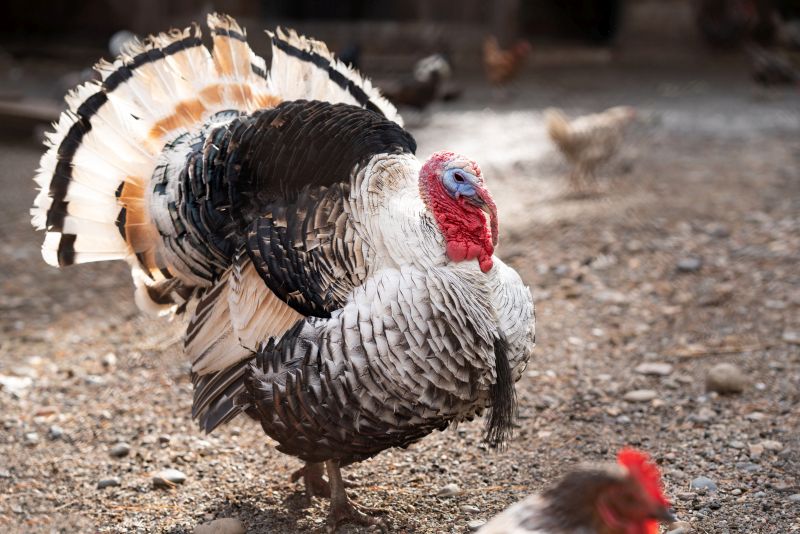
Wild and domestic turkeys are large birds native to North America. They are known for their distinctive plumage and the males’ impressive fan-like tail feathers. Despite their size and beauty, turkeys are often regarded as lacking intelligence.
Unique Behaviors
One of the turkeys’ most bizarre behaviors is their tendency to drown in the rain. This peculiar phenomenon occurs because turkeys sometimes stare up at the sky during a rainstorm, possibly out of curiosity or an instinctual response. In doing so, they can inhale water, leading to drowning.
Turkeys also exhibit panic behaviors when in large groups. When startled, they can become highly agitated, running around aimlessly and sometimes causing injury to themselves or others. This lack of coordinated response to threats further cements their reputation as one of the less intelligent birds.
Despite these seemingly foolish behaviors, turkeys have also shown signs of social intelligence and complex vocalizations, reminding us that animal intelligence can be multifaceted and context-dependent.
4. Ostrich
Characteristics
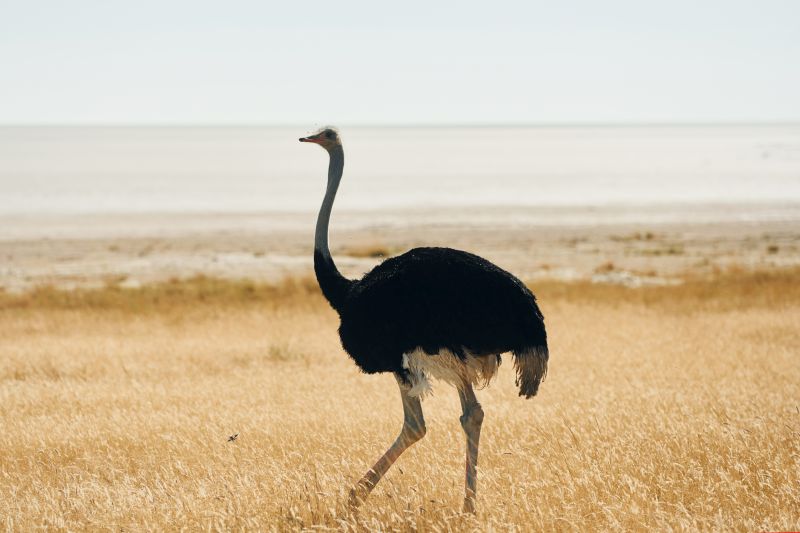
The ostrich is the largest bird in the world, native to Africa. It is known for its impressive size, long neck, and powerful legs. Although it cannot fly, the ostrich is capable of sprinting up to 43 miles per hour to escape predators. Despite its physical prowess, the ostrich exhibits behaviors that have earned it a reputation for being less than intelligent.
Unique Behaviors
A common myth about ostriches is that they bury their heads in the sand to avoid danger. While this is not true, the myth persists because ostriches sometimes lie flat on the ground with their necks outstretched to blend in with the terrain, which can appear as if they are hiding their heads.
Ostriches also have risky defense mechanisms. When threatened, they might respond aggressively by kicking with their powerful legs, which can be effective but also puts them at risk. Their tendency to run in circles when frightened rather than in a straight line can also hinder their escape from predators.
5. Emu
Characteristics
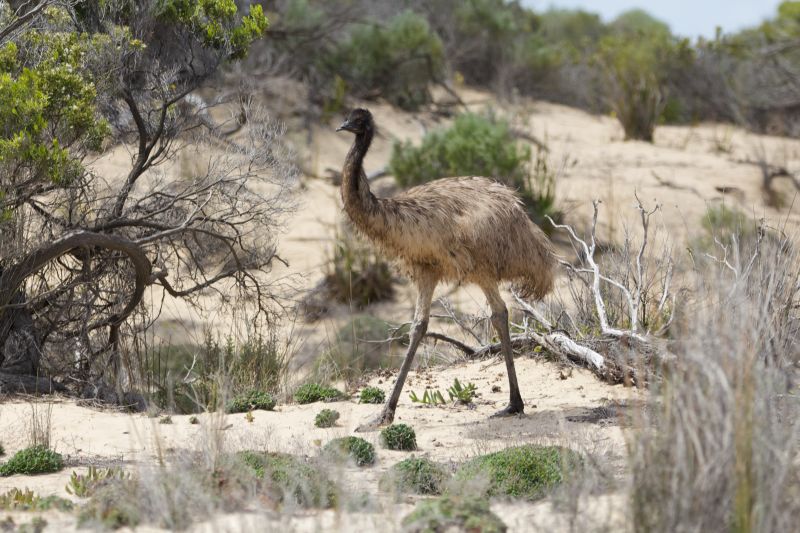
The emu, a native of Australia, is a large, flightless bird and ranks as the world’s second-largest bird, following the ostrich. Emus are known for their long necks, strong legs, and fast running speeds. Despite their impressive physical attributes, emus often display behaviors lacking intelligence.
Unique Behaviors
Emus are easily distracted and have been observed chasing after shiny objects or following their own reflections, which can lead them into dangerous situations. While this curiosity is endearing, it can be detrimental to their survival.
Their mating rituals are also quite unusual. Male emus incubate the eggs and care for the young, but the process is often inefficient. Emus have been known to abandon nests or leave eggs vulnerable to predators due to poor nesting practices.
6. Pigeon
Characteristics
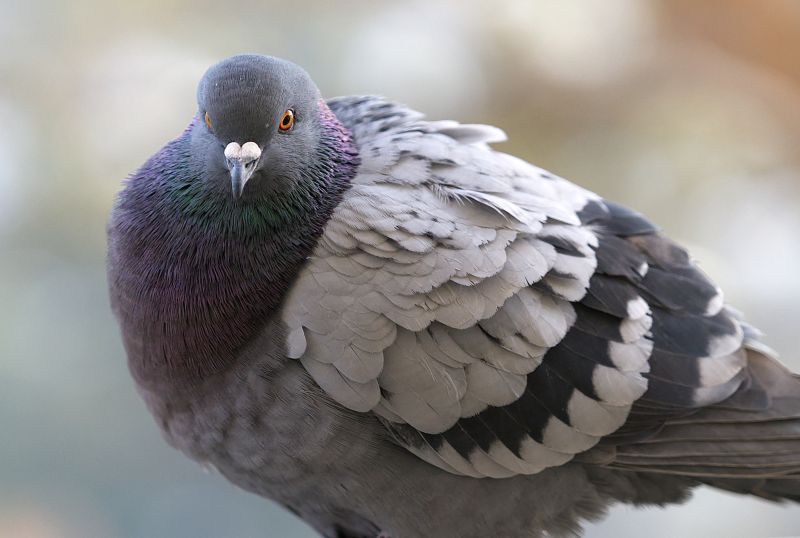
Pigeons are common urban birds found worldwide. They are known for their ability to adapt to city life and their distinctive cooing sounds. Despite their ubiquity, pigeons are often considered unintelligent, especially in urban settings.
Unique Behaviors
One of the most notable behaviors of pigeons is their poor navigation skills in urban environments. They frequently fly into windows and buildings, sometimes injuring themselves in the process. This lack of spatial awareness in human-made environments contributes to their reputation for being less intelligent.
Pigeons also have a tendency to overpopulate urban areas, leading to conflicts with humans. Their feeding habits, which often involve scavenging for scraps, can result in them eating harmful substances or getting stuck in small spaces while searching for food. Despite these behaviors, pigeons have also demonstrated remarkable homing abilities and problem-solving skills in other contexts, highlighting the complexity of animal intelligence.
7. Blue Jay
Characteristics
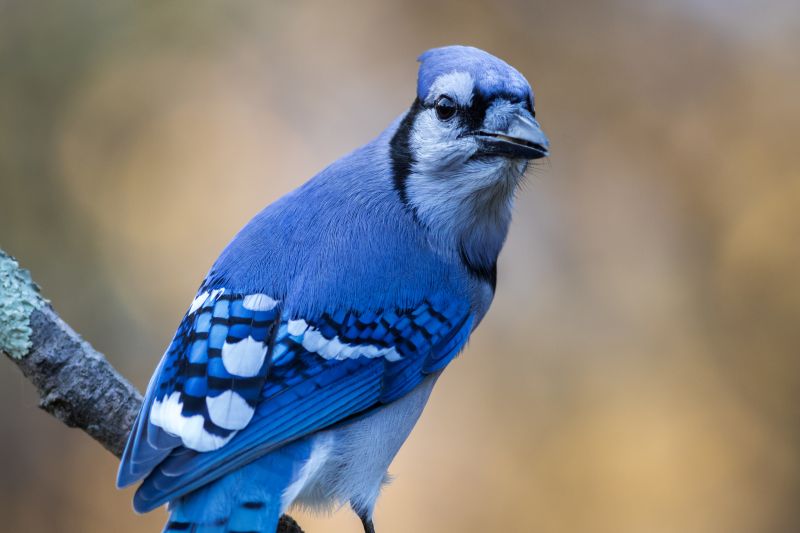
The blue jay is a spectacularly beautiful bird found in North America, easily recognized by its vibrant blue feathers and distinctive crest. Despite its intelligence in some areas, such as replicating the calls of other birds, blue jays often display behaviors that appear less than smart.
Unique Behaviors
Blue jays tend to be aggressive towards other birds. They often attack smaller birds and raid nests, but their aggression sometimes backfires. They can be easily tricked by decoy nests or fake threats, wasting energy on unnecessary attacks.
Another curious behavior is their poor nest-building skills. Blue jays tend to construct flimsy nests that are easily damaged by wind or predators. This lack of structural integrity can lead to frequent nest failures, endangering their young.
8. Guinea Fowl
Characteristics
Guinea fowl are domesticated birds from Africa, often kept on farms for pest control. They are easily recognized by their speckled feathers and helmet-like casque on their heads. Despite their usefulness, guinea fowl are often considered unintelligent.
Unique Behaviors
One of the most notable behaviors of guinea fowl is their tendency to panic easily. When startled, they can run in all directions, sometimes injuring themselves or each other in the process. This panic response makes them challenging to manage in farming environments.
Guinea fowl also have a poor sense of direction. If they stray too far from their flock, they easily become lost and often fail to find their way back. This lack of navigational ability can lead them to wander into dangerous situations or get separated from their group.

9. Flamingo
Characteristics
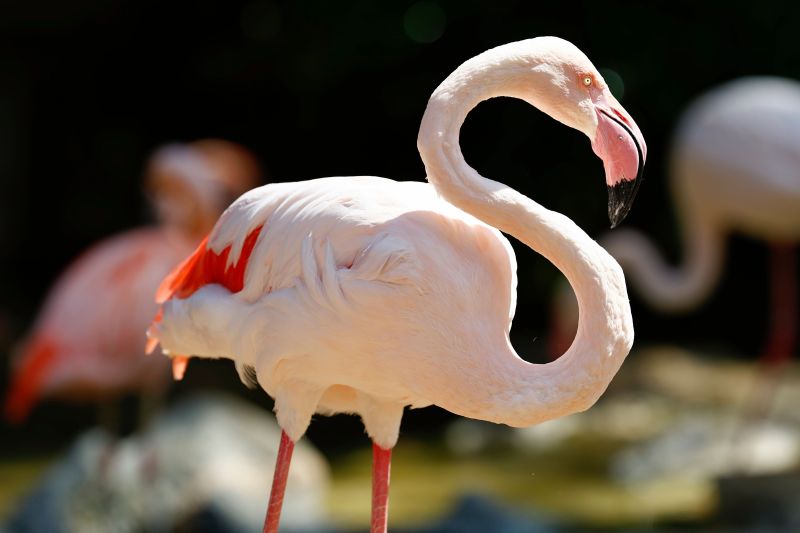
Flamingos are renowned for their bright pink color and long, slender legs. They inhabit warm, watery regions around the world and are often seen standing on one leg in shallow waters. Despite their striking appearance, flamingos display several illogical behaviors.
Unique Behaviors
One of the most puzzling behaviors of flamingos is their habit of standing on one leg for extended periods. While this behavior is believed to conserve body heat, it often appears awkward and inefficient, especially when they are feeding or resting.
Flamingos also have inefficient feeding habits. They use a filter-feeding mechanism to extract small organisms from the water, which requires them to turn their heads upside down. This method can be time-consuming and leaves them vulnerable to predators while they are feeding. Despite their grace and beauty, these peculiar behaviors contribute to their reputation for being less intelligent.
10. Woodcock
Characteristics
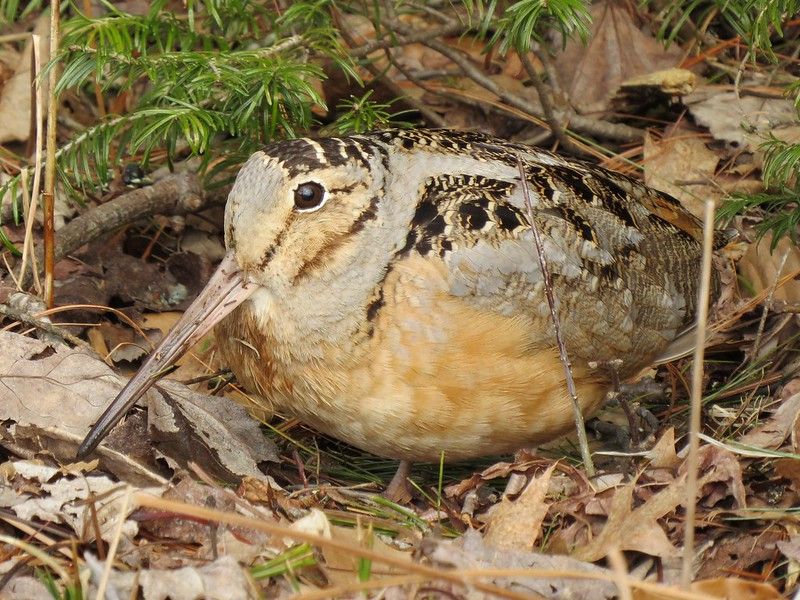
The woodcock is a migratory bird with a unique appearance. It features a long bill and cryptic plumage that helps it blend into its woodland habitat. Found in North America and Eurasia, woodcocks are known for their erratic flight patterns and distinctive “peenting” calls during courtship displays.
Unique Behaviors
One of the most notable behaviors of woodcocks is their erratic flying patterns. When flushed from cover, woodcocks often take off in a zigzag flight, which can confuse predators. Unfortunately, this also makes the woodcocks prone to collisions with obstacles, such as trees or even vehicles.
Woodcocks also exhibit poor predator evasion tactics. Their primary defense mechanism is to freeze and rely on their camouflage to avoid detection. While this can be effective in their natural habitat, it leaves them vulnerable when they are in open or disturbed areas.
Conclusion
In the avian world, intelligence is a multifaceted trait, and what might appear as “dumb” behavior can sometimes be misunderstood or viewed out of context. The ten birds we’ve discussed—the kakapo, dodo, turkey, ostrich, emu, pigeon, blue jay, guinea fowl, flamingo, and woodcock—each exhibit unique behaviors that contribute to their reputation for being less intelligent.
These behaviors, whether it’s the kakapo’s reliance on camouflage, the turkey’s odd response to rain, or the flamingo’s awkward feeding habits, provide fascinating insights into the diversity of bird behavior and the challenges they face in their environments. Understanding these quirks helps us appreciate the complexity of animal intelligence and the ways in which different species adapt to their surroundings.
By exploring these birds’ “dumb” behaviors, we can acquire a deeper appreciation for the complexities of nature and the evolutionary pressures that shape the animal kingdom. Despite their reputations, each of these birds plays a vital role in their ecosystems, reminding us that intelligence can be as varied and unique as the species themselves.