
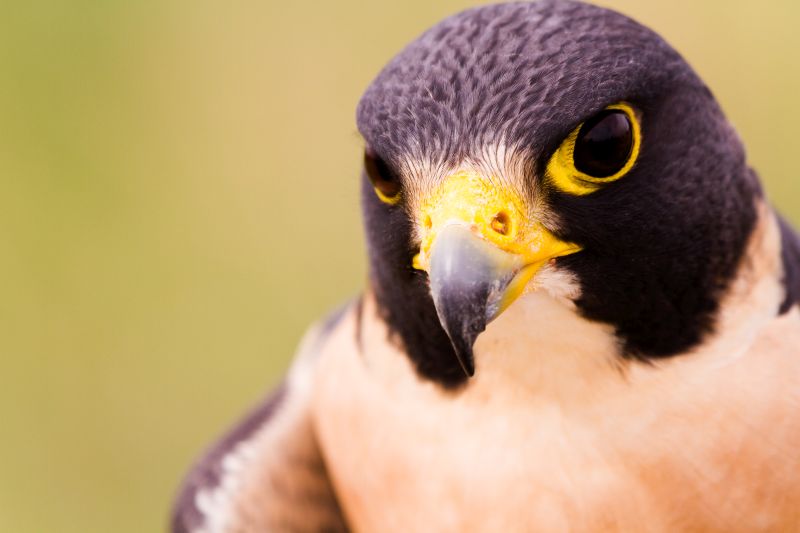
North America’s skies are graced with an array of spectacular birds of prey. Each species, unique in its own way, contributes significantly to the balance of our ecosystems. As we delve into the world of these awe-inspiring raptors, we’ll uncover the secrets of their survival, distinctive habitats, and crucial role in nature. From the majestic Bald Eagle to the versatile Red-tailed Hawk, these birds are a marvel to behold and a testament to the wonders of the avian world. Join me in exploring these remarkable creatures and learning how we can aid in their preservation.
Bald Eagle
Habitat
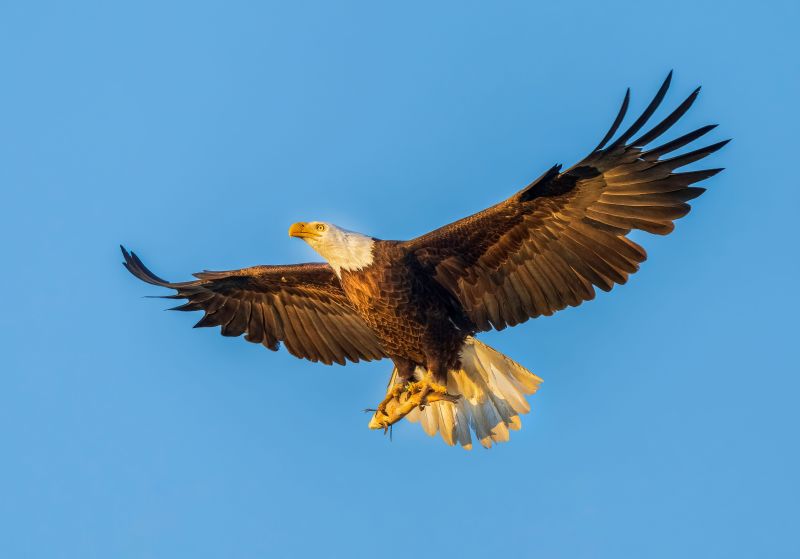
The Bald Eagle, America’s national bird, is often found in water-rich regions – lakes, rivers, and coastal areas. These birds need large, mature trees for nesting and open waters for foraging. They prefer habitats that provide clear visibility and minimal human disturbance, allowing them to reign supreme in their territory.
Diet and Hunting
Majestic in their hunting, Bald Eagles primarily feast on fish, showcasing incredible agility as they snatch their prey from the water. They are opportunistic hunters, sometimes consuming smaller birds, mammals, and carrion. Their remarkable eyesight, nearly four times sharper than that of humans, is an essential asset in locating and swooping down on prey from great heights.
Conservation Status
The conservation story of the Bald Eagle is one of triumph. Once oscillating on the brink of extinction due to habitat destruction and harmful pesticides like DDT, this raptor has made an incredible comeback, thanks to rigorous conservation efforts. While no longer endangered, the protection of their habitats remains crucial for their continued survival and prosperity.
Red-tailed Hawk
Habitat
The adaptable Red-tailed Hawk has a diverse range of habitats. These hawks are a common sight, from woodlands to mountainous regions and even urban settings. They often perch in high places, like atop telephone poles, trees, or cliffs, keeping a keen eye out for prey and intruders in their territory.
Diet and Hunting
The diet of the Red-tailed Hawk primarily consists of small to medium-sized mammals like mice, rats, rabbits, and squirrels. These powerful predators are adept at adapting their hunting tactics to the changing seasons and available prey. Their keen vision and powerful talons make them formidable hunters. In addition to hunting, these hawks are known for their spectacular aerial displays during courtship.
Conservation Status
The Red-tailed Hawk is one of North America’s most widespread raptors. They have adapted well to human-altered landscapes but are still vulnerable to threats like habitat destruction and secondary poisoning from rodent control measures. Conservation efforts for these hawks include protecting significant habitats and promoting the use of wildlife-friendly rodenticides.

Peregrine Falcon
Habitat
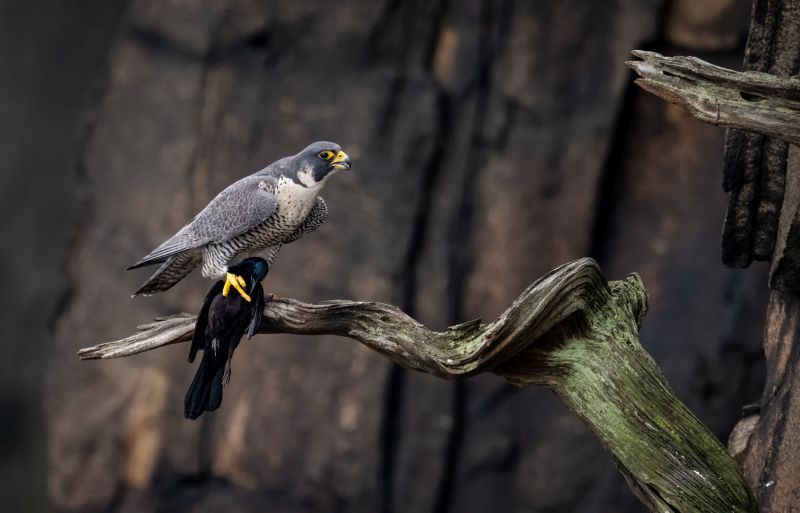
The Peregrine Falcon, renowned for its speed, is found in a wide range of habitats across North America. These birds prefer high elevations for nesting, often choosing cliffs, skyscrapers, or other tall structures. This preference allows them to survey vast areas for prey and to dive at incredible speeds when hunting.
Diet and Hunting
Peregrine Falcons are exceptional hunters, primarily feeding on other birds they capture in mid-air. Their diet includes pigeons, ducks, and songbirds. These falcons are famous for their hunting stoop – a high-speed dive that can reach speeds over 200 mph, making them one of the fastest creatures on the planet.
Conservation Status
Peregrine Falcons faced a significant decline in numbers during the mid-20th century due to pesticide use, particularly DDT. Conservation efforts, which include banning DDT and implementing breeding programs, have helped their numbers rebound. They are a conservation success story today. However, monitoring and habitat protection remain vital for their well-being.
Osprey
Habitat
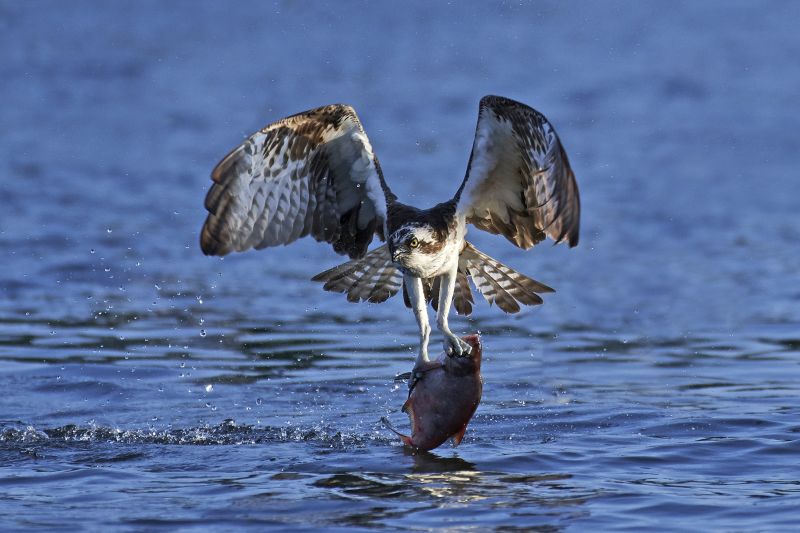
Ospreys are unique among North American raptors for their almost exclusive fish diet. They are found near rivers, lakes, and coastal waterways where fish are plentiful. These birds build large, conspicuous nests near water atop trees, poles, or other high structures.
Diet and Hunting
An Osprey’s life revolves around fish. They are expert fishermen with specialized vision that corrects for water reflection and powerful talons. They dive feet-first to catch fish near the water’s surface, then fly off to enjoy their catch on a perch or in their nest.
Conservation Status
Ospreys have made a strong comeback since the ban on DDT. However, they are still impacted by water pollution and habitat loss. Conservation efforts focus on maintaining clean waterways and safeguarding nesting sites from human disturbance.
American Kestrel
Habitat
The American Kestrel, North America’s smallest falcon, is also one of its most colorful. These birds adapt well to various habitats, including open fields, meadows and deserts, and urban and suburban areas. They are often seen perched on wires or poles, watching for prey.
Diet and Hunting
Kestrels feed on a diet of insects, small rodents, and birds. They have a unique hunting style, often hovering in the air before diving to catch prey on the ground. Their keen eyesight allows them to spot and target small animals from a distance.
Conservation Status
Despite their adaptability, American Kestrels have experienced a decline in some regions, mainly due to habitat loss and pesticide use. Efforts to conserve their populations include nest box programs and habitat restoration, ensuring these small but mighty falcons continue to grace our skies.
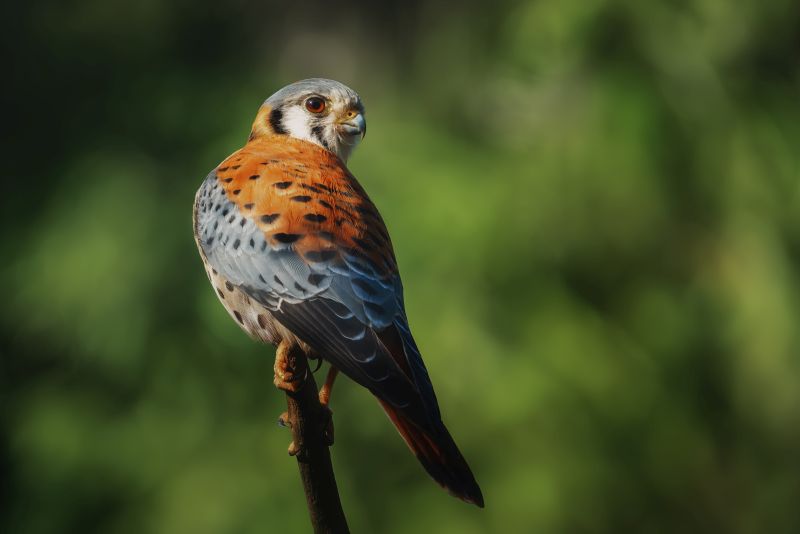
Northern Harrier
Habitat
The Northern Harrier is a distinctive bird of prey, often seen gliding low over marshes, grasslands, and open fields. These birds rely on their exceptional hearing and vision to hunt in these open habitats. They are unique among hawks for their facial disk, which helps them detect prey by sound as well as sight.
Diet and Hunting
Northern Harriers primarily prey on small mammals and birds, which they hunt with a stealthy, low flight just above the vegetation. They use their keen hearing to locate prey hidden in the grasses, striking swiftly and silently. Their long legs and talons are perfect for snatching up unsuspecting prey.
Conservation Status
Habitat loss due to agricultural development poses the most significant threat to Northern Harriers. Conservation efforts concentrate on preserving and restoring wetlands and grasslands. These raptors are also indicators of the health of these ecosystems, making their conservation even more crucial.
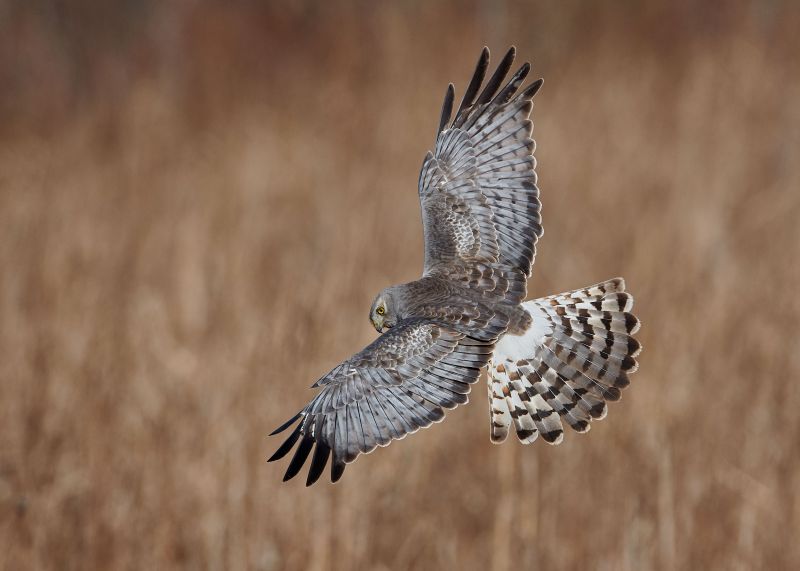
Golden Eagle
Habitat
The majestic Golden Eagle inhabits open and semi-open areas, including prairies, tundra, and rugged mountains. These birds require large territories for hunting and typically nest on high cliff faces or in tall trees, offering them a broad view of their domain.
Diet and Hunting
Golden Eagles are versatile hunters, feeding on a wide variety of prey, including rabbits, squirrels, and even larger mammals like young deer. They are known for their powerful flight, keen eyesight, and remarkable hunting skills, often taking down prey much larger than themselves.
Conservation Status
While Golden Eagles are not currently endangered, they face threats from habitat loss, lead poisoning from ingested ammunition in carrion, and collisions with wind turbines. Conservation efforts include habitat protection, regulations on wind farm placements, and using lead-free ammunition for hunting.
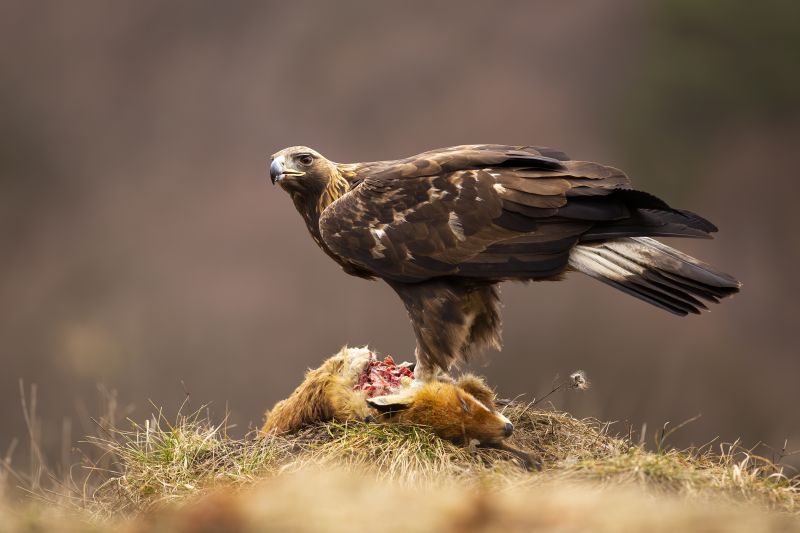
Cooper’s Hawk
Habitat
Cooper’s Hawks, once primarily forest dwellers, have adapted remarkably to urban environments. These medium-sized raptors are now commonly seen in backyards, parks, and wooded urban areas. Their agility in flight makes them well-suited to navigating through trees and tight spaces.
Diet and Hunting
These hawks primarily hunt birds and small mammals, which they capture after a swift, agile chase through vegetation. Cooper’s Hawks are ambush hunters, often surprising their prey, and are known for their speed and maneuverability.
Conservation Status
Cooper’s Hawks have experienced population growth in recent years, particularly in urban areas. However, they still face challenges such as habitat loss and the impact of pesticides on their prey. Maintaining urban green spaces and promoting pesticide-free environments is crucial for their continued success.
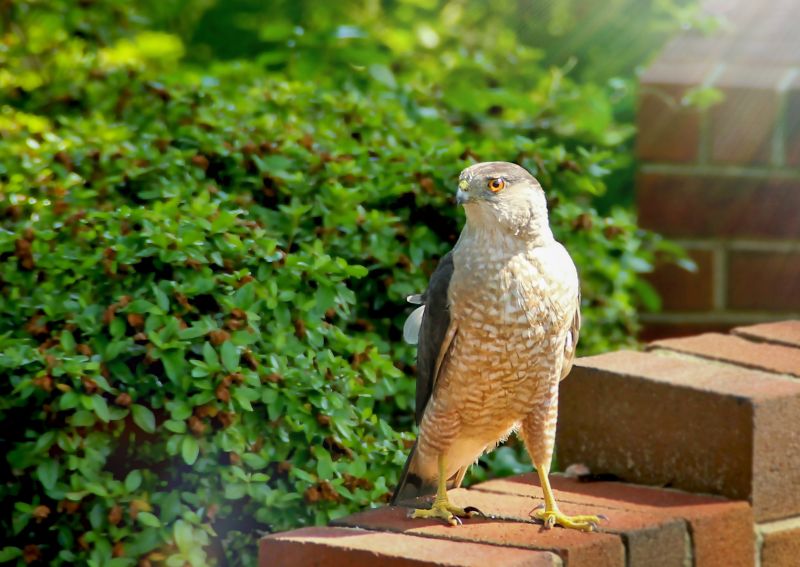
Great Horned Owl
Habitat
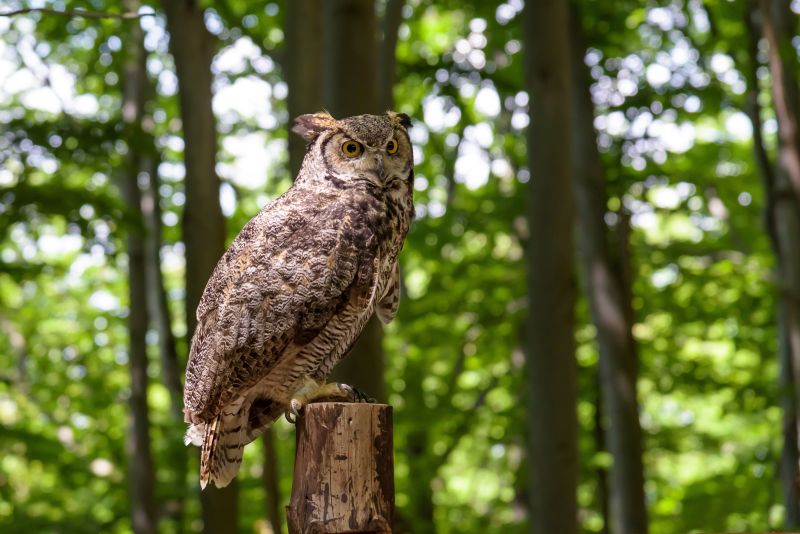
The Great Horned Owl, a symbol of wisdom and strength, thrives in various environments, including forests, deserts, and urban areas. These adaptable birds often take over nests built by other large birds. Their nocturnal nature and camouflaged plumage make them elusive and mysterious residents of their habitats.
Diet and Hunting
Great Horned Owls are formidable predators with a diverse diet that includes mammals, birds, and reptiles. Their silent flight and acute hearing make them efficient night hunters. They are known for their powerful talons, which they use to catch and kill prey, ranging from mice to skunks.
Conservation Status
Great Horned Owls are widespread and have a stable population. However, they face threats from habitat destruction, rodenticides, and collisions with vehicles and structures. Conservation efforts include promoting awareness about the impact of pesticides and ensuring safe nesting sites.
Barn Owl
Habitat
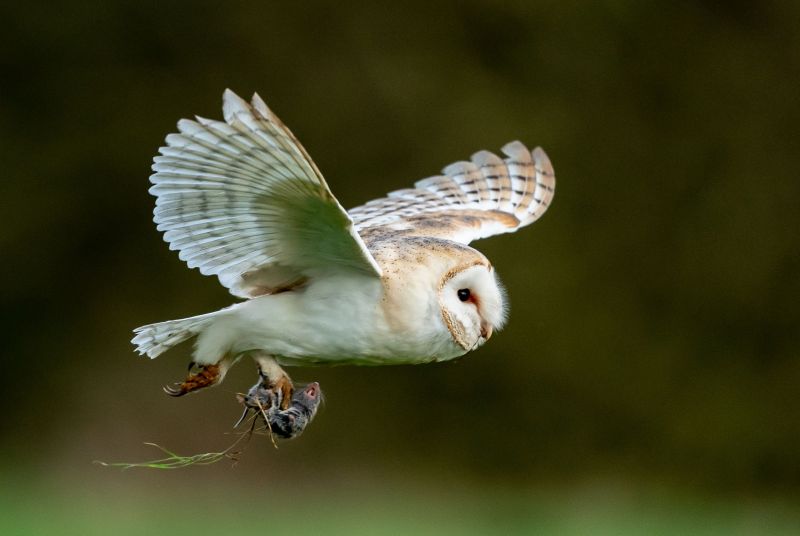
Barn Owls, with their distinctive heart-shaped faces, favor open habitats like fields and farmlands. As their name suggests, they often nest in barns, abandoned buildings, and other structures. These owls are also found in tree cavities and nest boxes provided by conservationists.
Diet and Hunting
Barn Owls primarily feed on rodents, making them a farmer’s ally in pest control. They hunt by flying low over fields, using their exceptional hearing to detect prey under thick vegetation or in complete darkness. Their silent flight aids in surprising their prey.
Conservation Status
Barn Owls face challenges from habitat loss due to agricultural and urban development. Pesticide use also impacts their food supply. Conservation initiatives include providing nest boxes and promoting natural rodent control methods to reduce pesticide usage.
Conclusion
Exploring the remarkable birds of prey found in North America reveals a world of diversity, adaptation, and resilience. From the soaring heights of the Golden Eagle to the silent flight of the Barn Owl, each species holds a unique place in the ecosystem. As birdwatchers and nature enthusiasts, understanding and appreciating these magnificent raptors is just the beginning. Maintaining urban green spaces and promoting pesticide-free environments is crucial for their continued success. Let’s continue to marvel at their beauty and work towards ensuring a healthy environment for these majestic birds.
References
“Birds of North America” by John Kricher is a comprehensive guide to North American bird species.
“Raptors of the World” by James Ferguson-Lees and David A. Christie – detailed information on birds of prey worldwide.
The Cornell Lab of Ornithology (allaboutbirds.org) is an extensive online resource for information and conservation on bird species.
National Audubon Society (audubon.org) – provides information on bird conservation and habitat preservation.
“The Raptors of North America: A Coloring Book of Eagles, Hawks, Falcons, and Owls” by Anne Price is an interactive way to learn about raptor species and their habitats.