
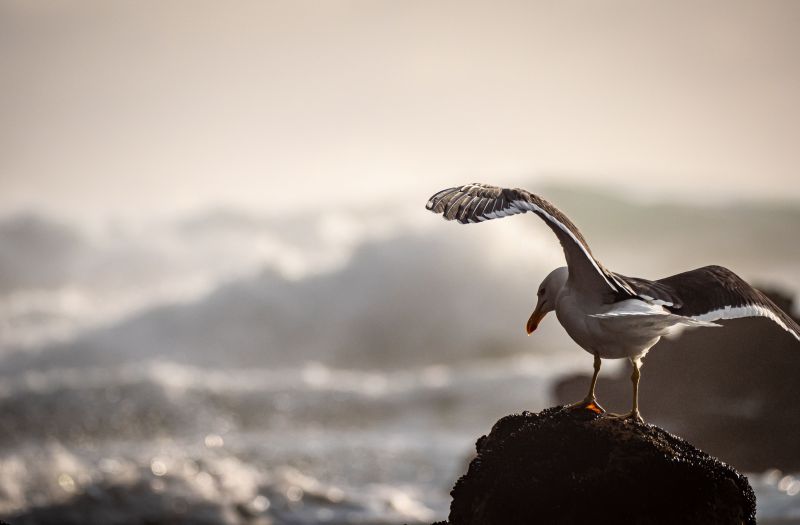
Welcome to the fascinating world of beach birdwatching! This unique hobby combines the serene beauty of coastal landscapes with the thrill of observing some of nature’s most captivating creatures. Beaches serve as crucial habitats for a wide range of bird species, many of which undertake remarkable journeys across continents during migration seasons. As birdwatchers, we have the privilege to witness these awe-inspiring natural phenomena up close. However, with this privilege comes a responsibility – to observe and enjoy without disturbing. provide you with the essential knowledge and tools necessary for a rewarding birdwatching experience while fostering a deep respect for avian life and their coastal environments. Let’s embark on this journey together, exploring the vibrant world of beach birds, from the shores they inhabit to the skies they traverse.
Preparing for Birdwatching
Before setting out on your beach birdwatching adventure, selecting the right equipment is crucial. Binoculars and scopes are your windows to the world of birds, offering clear views that the naked eye cannot capture. Opt for waterproof models with good light transmission to handle the bright, reflective environments of the beach. Alongside your optics, arm yourself with field guides and apps. These resources are invaluable for identifying species and understanding their behaviors.
Dressing appropriately ensures comfort during your excursions. Lightweight, protective clothing shields you from the sun while allowing flexibility as you move along sandy and rocky shores. Do not forget your hat and sunscreen. Timing is also key in birdwatching. Early morning or late afternoon, when birds are most active, are ideal times. Familiarize yourself with tide schedules too, as they significantly affect bird activity and accessibility of different beach areas.
Identifying Beach Birds
Identifying beach birds begins with noticing their distinctive characteristics. Shorebirds, for instance, often have long legs for wading and beaks shaped to fit their specific feeding habits. Observing these traits can help you distinguish between similar species. Additionally, paying attention to their calls and songs enriches your identification skills, as each bird has unique vocalizations.
Practice is essential to master identification. Spend time observing birds and comparing what you see with information in your field guides or apps. These resources can help confirm your sightings and teach you more about the birds’ habits and habitats. Remember, patience and persistence are key. Over time, you’ll find that your ability to quickly and accurately identify beach birds improves significantly, enhancing the enjoyment and satisfaction of your birdwatching experiences.

Top Beach Birdwatching Locations
Exploring renowned beaches for birdwatching is an adventure in itself. Each location offers a unique backdrop for observing various bird species. From the rugged coasts of the Pacific Northwest to the soothing shores of the Gulf Coast, every beach has its respective avian residents and visitors. Places like Point Reyes National Seashore in California and the Everglades National Park in Florida are just two examples where birdwatchers can find a rich biodiversity of beach birds, especially during migration seasons.
What makes these locations exceptional are not just the birds, but also the conservation efforts that help preserve these habitats. Many of these areas are protected, providing safe havens for birds to feed, nest, and rest during their long migratory journeys. When planning your visit, research the conservation status and efforts of the area. This knowledge adds depth to your birdwatching experience, connecting you more profoundly with the natural world.
Birdwatching Etiquette
While the excitement of spotting a rare or new bird species is undeniable, respecting wildlife and their habitats is paramount. Observing birds from a distance minimizes disturbance, allowing you to witness natural behaviors responsibly. Use your binoculars or scope to enjoy close-up views without getting too close.
Minimizing disturbance goes beyond keeping a respectful distance. Stick to marked trails and paths to protect nesting sites and feeding grounds. If you’re birdwatching in a group, keep noise levels low to avoid startling the birds. Remember, the beach is their home, and we are the visitors.
Leaving no trace is another critical aspect of birdwatching etiquette. Ensure that you take everything you bring into a birdwatching site back out with you. Litter can harm birds and other wildlife, and even small items can disrupt the delicate balance of beach ecosystems. By following these simple guidelines, we contribute to the preservation of bird populations and their natural habitats, ensuring that future generations will continue to experience the beauty of beach birdwatching.
Capturing the Moment

Photography is a wonderful way to document the beauty of beach birds and the moments you spend observing them. However, capturing these moments requires both skill and sensitivity. When photographing birds, ensure your actions do not cause stress or disturbance. Use a long lens to keep a safe distance, preserving the bird’s natural state while still getting that perfect shot.
Understanding the behavior of beach birds can also improve your photography. Anticipating their movements allows you to capture dynamic actions, such as feeding, flying, or interacting with other birds. Early morning and late afternoon offer the best natural light for photography, enhancing the colors and details of your subject.
Always prioritize the well-being of the bird over getting a photo. Ethical bird photography respects the subject and its habitat, contributing positively to the birdwatching community and conservation efforts. Equip yourself with the recommended gear and knowledge, and you’ll find that bird photography is a rewarding complement to birdwatching, allowing you to share your experiences and the beauty of nature with others.
Joining a Birdwatching Community
Birdwatching is not only about the birds; it’s also about the people you meet along the way. Joining a birdwatching community can significantly enhance your experience. Whether it’s through online forms, local clubs, or social media groups, being part of a community offers benefits such as shared knowledge, tips, and camaraderie.
Local birdwatching clubs often organize group outings, providing opportunities to explore new locations under the guidance of experienced birdwatchers. These outings can be especially beneficial for beginners, offering a supportive environment to learn and ask questions.
Participating in citizen science projects is another way to engage with the birdwatching community. Projects like the Christmas Bird Count or eBird allow birdwatchers to contribute valuable data that aids in bird conservation efforts. Such involvement not only deepens your understanding of avian life but also connects you with a global network of conservationists and enthusiasts.
By joining a birdwatching community, you open the door to a world of learning opportunities, shared experiences, and a chance to contribute to vital conservation work. The collective enthusiasm and knowledge of a community can significantly enrich your birdwatching journey, making each sighting all the more rewarding.

Conservation and Advocacy
The role of birdwatchers in conservation is invaluable. By simply observing and appreciating the natural world, birdwatchers become advocates for the protection of birds and their habitats. Awareness and understanding are the first steps toward conservation. As we learn more about the birds we observe, we become more aware of the challenges they face, from habitat loss and pollution to climate change.
Getting involved in bird protection efforts can take many forms. Birdwatchers can make a difference by supporting local and national conservation organizations, participating in habitat restoration projects, and advocating for bird-friendly legislation. Every action counts, from reducing plastic use to keep beaches clean to planting native plants that provide food and shelter for birds.
Birdwatchers also play a crucial role in promoting awareness and education. Sharing your knowledge and experiences can motivate others to appreciate and protect our feathered friends. Whether through social media, community talks, or simply conversations with friends and family, spreading the word about the importance of bird conservation is vital.
Conclusion
Embarking on the journey of beach birdwatching opens up a world of beauty, discovery, and connection. It offers a fresh perspective on the natural world, highlighting the remarkable diversity of avian life that thrives along our coastlines. More than a hobby, birdwatching is a gateway to a deeper understanding and appreciation of nature’s intricate ecosystems.
As we conclude this guide, remember that the joys and benefits of beach birdwatching extend far beyond the thrill of spotting a rare species. It’s about the moments of peace and reflection, the excitement of learning and discovery, and the satisfaction of contributing to conservation efforts. Whether you’re a seasoned birdwatcher or just starting out, there’s always something new to see, learn, and protect.
We encourage you to explore the shores, binoculars in hand, with a heart open to the wonders of the avian world. Let every sighting inspire you to learn more, care more, and do more for the birds and the beautiful planet we share with them.