

Let’s embark on an exploration of the remarkable desert penguins—birds that challenge our traditional understanding of where penguins can thrive. Unlike their cold-climate relatives typically associated with icy waters and frigid temperatures, these unique penguins have carved out a niche in some of the world’s hottest and driest environments. Their adaptation to such extreme conditions not only fascinates scientists but also offers a profound glimpse into nature’s resilience and ability to innovate in the face of adversity.
Amidst scorching sands and limited freshwater sources, desert penguins found a surprising haven where they could flourish. Desert penguins are found in several desert regions worldwide, from the coastal deserts of Namibia and Chile to the arid plains of Australia’s interior. Each desert habitat presents its own unique challenges and opportunities, shaping the evolution and survival strategies of these resilient birds. Studying their adaptation to desert life sheds light on the incredible diversity of life on Earth.
As we continue our exploration of desert penguins, let’s delve deeper into their unique characteristics, habitat preferences, and the challenges they face in these extreme environments. Come along with us as we unravel the secrets of how these extraordinary birds have conquered some of the world’s harshest landscapes.
Evolutionary Background
The evolutionary journey of desert penguins is a testament to nature’s adaptability and the resilience of species in response to changing environments. Originating from Antarctica, where their ancestors navigated the icy waters and harsh winters, penguins developed specialized adaptations to survive in extreme cold. These adaptations included thick layers of insulating feathers and blubber, essential for retaining body heat in frigid temperatures.
Over time, shifts in climate and environmental pressures prompted some penguin populations to explore new territories beyond their Antarctic stronghold. This migration was not just a geographic movement but a remarkable evolutionary leap, driven by the need to find suitable habitats amidst changing conditions. As these pioneering penguins ventured northward, they encountered diverse landscapes and climates, eventually settling in the unlikely expanses of the world’s deserts.
The transition from polar to desert environments necessitated profound physiological and behavioral changes. Desert penguins underwent selective pressures that favored traits conducive to surviving in arid conditions. They gradually shed their heavy layers of blubber and evolved lighter, more heat-resistant feathers—a crucial adaptation for regulating body temperature in the scorching desert heat. Behavioral adjustments also played a pivotal role, influencing their feeding habits, nesting behaviors, and social structures to align with the challenges posed by their new desert homes.
Today, desert penguins epitomize the adaptive potential of species confronted with environmental change. Their evolutionary journey from the icy Antarctic to the blazing deserts highlights nature’s capacity for innovation and survival against formidable odds. By studying these resilient birds, scientists gain insights into how organisms can thrive in diverse and often hostile environments, offering valuable lessons for conservation efforts and understanding the interconnectedness of ecosystems worldwide.
Unique Characteristics
Desert penguins possess a unique set of characteristics and adaptations that distinguish them from their cold-climate counterparts and enable them to thrive in some of the world’s most extreme environments. These adaptations reflect their evolutionary journey from polar to desert habitats, showcasing nature’s ingenuity in responding to environmental challenges.
Physical Adaptations
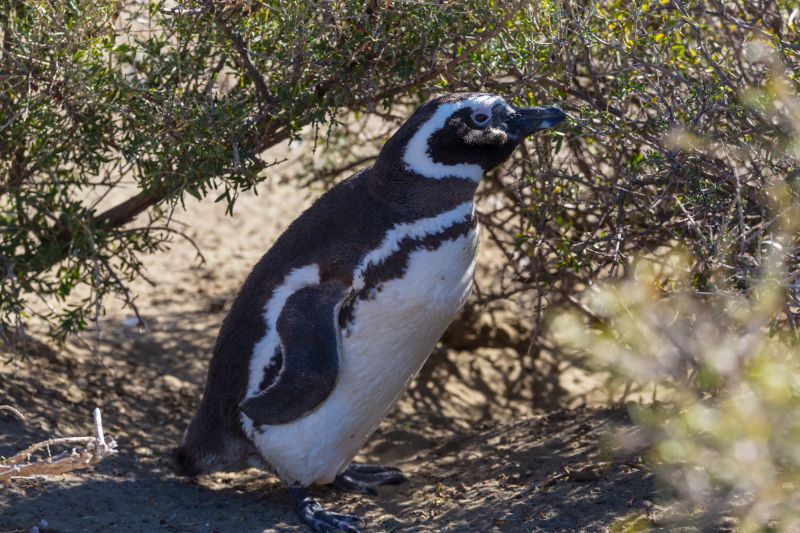
One of the most striking physical adaptations of desert penguins is their lighter, heat-resistant feathers. Unlike their Antarctic relatives, these specialized feathers help desert penguins stay cool in the blazing desert sun while also providing insulation against colder desert nights. This adaptation is crucial for regulating body temperature in environments where temperatures can fluctuate dramatically.
Behavioral Strategies
Desert penguins have developed unique behavioral strategies to survive in arid conditions. Unlike penguins in colder climates that rely on marine prey, desert penguins often feed on terrestrial organisms such as insects, small rodents, and occasionally vegetation found in their desert habitats. They have adapted their hunting and foraging behaviors to maximize resource efficiency and cope with the challenges of limited food availability in their environment.
Social Dynamics
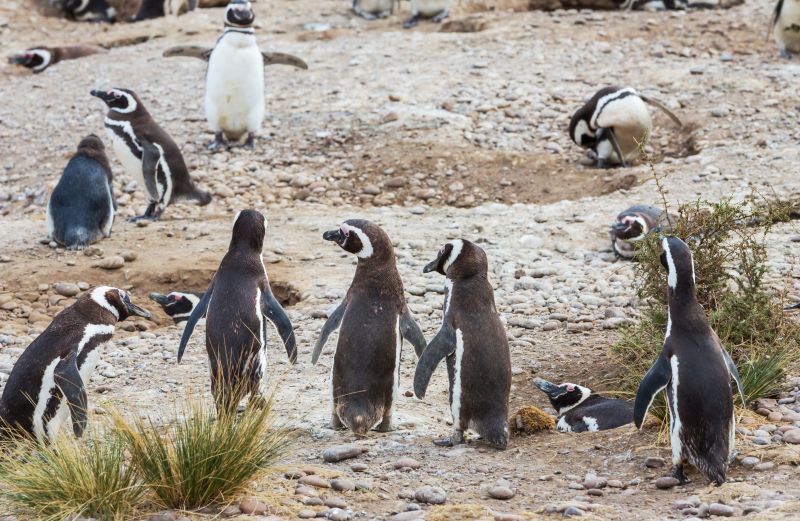
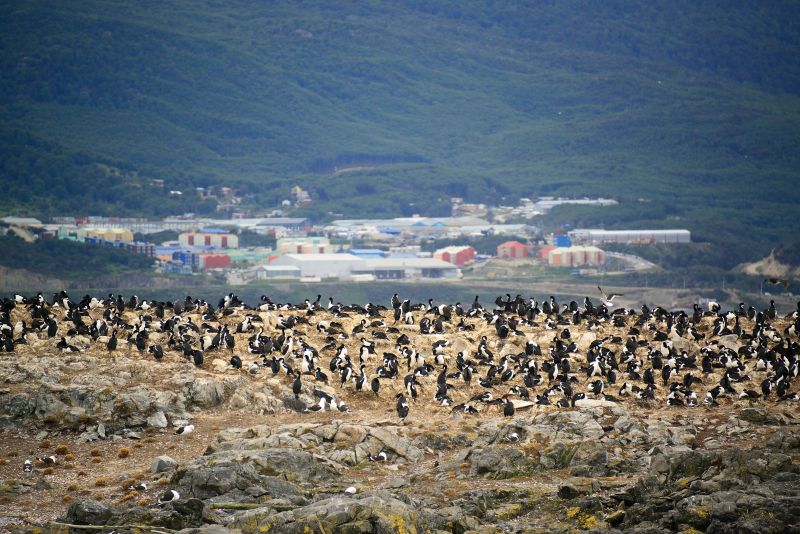
In their desert colonies, social dynamics among desert penguins differ significantly from those of their polar relatives. These birds often nest in colonies to share resources, provide protection against predators, and enhance breeding success. Social interactions within colonies play a crucial role in their adaptation to desert life, promoting cooperative behaviors and collective strategies that contribute to their survival in harsh desert conditions.
Reproductive Adaptations
Reproductive strategies of desert penguins are finely tuned to their arid environments. Breeding cycles are often synchronized with seasonal changes in food availability, ensuring that chicks hatch when resources are abundant. Nesting behaviors may involve selecting sheltered locations that provide protection from extreme temperatures and predators, demonstrating an adaptation to maximize reproductive success in challenging desert landscapes.
The unique characteristics of desert penguins underscore their remarkable ability to thrive in environments where few other penguin species can survive. From specialized physical adaptations that regulate body temperature to behavioral and reproductive strategies tailored to desert life, these birds exemplify nature’s capacity for adaptation and resilience in diverse and often hostile landscapes. Studying desert penguins not only enhances our understanding of evolutionary biology but also highlights the importance of conservation efforts to protect these extraordinary avian species and their delicate desert ecosystems.
Habitat and Distribution
Desert penguins inhabit some of the world’s most arid and inhospitable environments, showcasing their remarkable adaptation to survive in conditions vastly different from their Antarctic origins. While traditionally associated with cold climates, these birds have successfully carved out niches in various desert regions across the globe.
Desert Regions
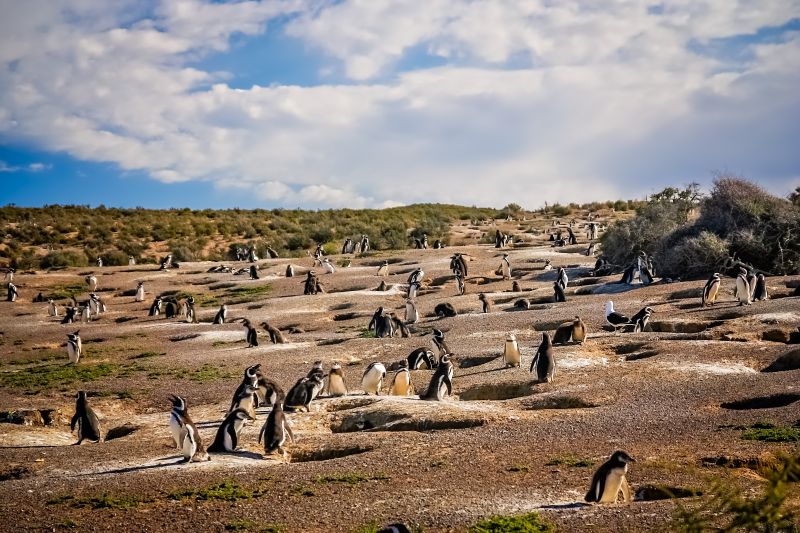
Desert penguins are found in several desert habitats worldwide, each presenting unique challenges and opportunities for adaptation. In Namibia, coastal deserts provide a habitat where desert penguins can thrive near marine food sources and utilize rocky outcrops for nesting and shelter. Similarly, in Chile’s Atacama Desert, known as one of the driest places on Earth, desert penguins have adapted to sparse vegetation and extreme temperature fluctuations.
Adaptation to Arid Environments
In Australia, desert penguins inhabit the inland arid regions, where they navigate vast expanses of sand dunes and sparse vegetation. Here, they have developed specialized adaptations to cope with limited freshwater sources and scorching temperatures, relying on behavioral strategies and physiological adaptations to survive in such harsh conditions.
Comparison with Traditional Penguin Habitats
Compared to their cold-climate relatives in Antarctica and the Southern Ocean, desert penguins face distinct challenges related to food availability, temperature regulation, and nesting site selection. While Antarctic penguins rely primarily on marine prey and ice-covered habitats, desert penguins have diversified their diet to include terrestrial organisms and adapted their physical and behavioral traits to thrive in the desert’s arid landscapes.
Understanding the habitat preferences and distribution of desert penguins provides valuable insights into their adaptive capabilities and the interconnectedness of ecosystems worldwide. Conservation efforts aimed at protecting these unique avian species and their fragile desert habitats are essential to ensuring their continued survival and resilience in the face of ongoing environmental changes.
Feeding and Hunting Behavior
Desert penguins have evolved unique feeding and hunting behaviors that distinguish them from their cold-climate counterparts, enabling them to thrive in the challenging environments of arid deserts.
Dietary Adjustments
Unlike Antarctic penguins that predominantly feed on marine prey such as fish and krill, desert penguins have adapted to their desert habitats by diversifying their diet. They feed on a variety of terrestrial organisms, including insects, small rodents, and occasionally vegetation found in their arid surroundings. This dietary flexibility allows desert penguins to capitalize on available food sources and maximize their chances of survival in environments where marine prey is scarce or absent.
Hunting Techniques
Hunting techniques employed by desert penguins reflect their adaptation to terrestrial prey and the unique challenges of desert environments. These birds use their keen eyesight and agility to hunt small prey animals like insects and rodents. Their hunting strategies may involve stalking and pouncing on prey, utilizing their speed and agility to capture fast-moving targets in the sandy desert terrain.
Adaptation to Limited Resources
In arid desert regions where water sources are scarce, desert penguins have adapted their feeding behaviors to minimize water loss. They may obtain moisture from their food sources or rely on metabolic adaptations that allow them to conserve water more efficiently than their cold-climate counterparts. These adaptations help desert penguins thrive in environments where access to fresh water is limited and conservation of resources is crucial for survival.
Studying the feeding and hunting behaviors of desert penguins provides valuable insights into their ecological role and adaptation strategies in extreme environments. Conservation efforts aimed at preserving their unique feeding habitats and ensuring access to sufficient food resources are essential for safeguarding the long-term survival of these resilient avian species in the face of ongoing environmental changes.
Conservation Challenges
Conserving desert penguins poses unique challenges due to their adaptation to specific desert environments and the threats they face in these fragile habitats.
Habitat Fragmentation
One of the primary conservation challenges for desert penguins is habitat fragmentation. Urbanization, agriculture, and infrastructure development by humans can fragment and degrade desert habitats, limiting the availability of food sources and suitable nesting sites for these birds. Protecting large, interconnected habitats is essential to maintaining viable populations of desert penguins and preserving their ecological balance.
Climate Change
Climate change poses significant threats to desert penguins and their arid habitats. Increased frequency of extreme weather events, altered precipitation patterns and rising temperatures can disrupt food availability, nesting success, and overall reproductive health of desert penguins. Conservation efforts must focus on mitigating climate impacts through habitat restoration, adaptive management strategies, and global initiatives to reduce greenhouse gas emissions.
Human-Wildlife Conflict
Human-wildlife conflict can also impact desert penguin populations, particularly in regions where these birds coexist with human communities. Competition for resources, accidental trapping or hunting, and disturbance of nesting sites can threaten the survival of desert penguins. Collaborative conservation efforts involving local communities, governments, and conservation organizations minimize human-wildlife conflict and promote coexistence.
Conclusion
Understanding the unique adaptations, habitat preferences, and conservation challenges of desert penguins underscores the importance of proactive conservation measures to protect these remarkable avian species. By preserving their fragile desert habitats, addressing habitat fragmentation, mitigating climate change impacts, and promoting sustainable practices, we can ensure that desert penguins continue to thrive in their arid environments for future generations to admire and study. Conservation efforts must be collaborative, innovative, and rooted in scientific research to safeguard the biodiversity and ecological integrity of desert ecosystems worldwide.