

The United Kingdom boasts a rich diversity of birds of prey, each possessing unique characteristics and habits. From the majestic soaring of the Red Kite to the swift dive of the Peregrine Falcon, these raptors capture our imagination and draw us closer to nature. They inhabit various landscapes across the country, including dense woodlands, open countryside, and even urban areas. Exploring the world of these magnificent birds offers an intriguing insight into their lives and the environments they call home.
Birds of Prey: Importance in the Ecosystem
Birds of prey play an imperative role in maintaining the balance of ecosystems. As top predators, they help control populations of other animals, preventing overpopulation and the spread of disease. For instance, a single Barn Owl can consume a significant number of rodents in one night, providing natural pest control. Furthermore, their presence indicates a healthy environment, as these birds require specific conditions to thrive. Observing and protecting birds of prey, therefore, contributes not only to their conservation but also to the overall health of our planet’s ecosystems.
Meet the Majestic Raptors of the UK
Today, we’ll journey through the skies of the United Kingdom, where we will get acquainted with some of the most awe-inspiring birds of prey that call this land their home. These raptors, with their keen eyesight, powerful talons, and majestic flights, are not just birds; they are the rulers of the air, each with a story that adds to the rich tapestry of British wildlife. From the quiet countryside to the bustling cities, they adapt and thrive, showcasing the resilience and diversity of nature. As we delve into the lives of these superb creatures, prepare to be amazed by the unique traits and behaviors that make each species an essential part of the ecosystem. Let’s embark on this fascinating exploration together, celebrating the beauty and strength of the UK’s birds of prey.
1. Red Kite
Identification
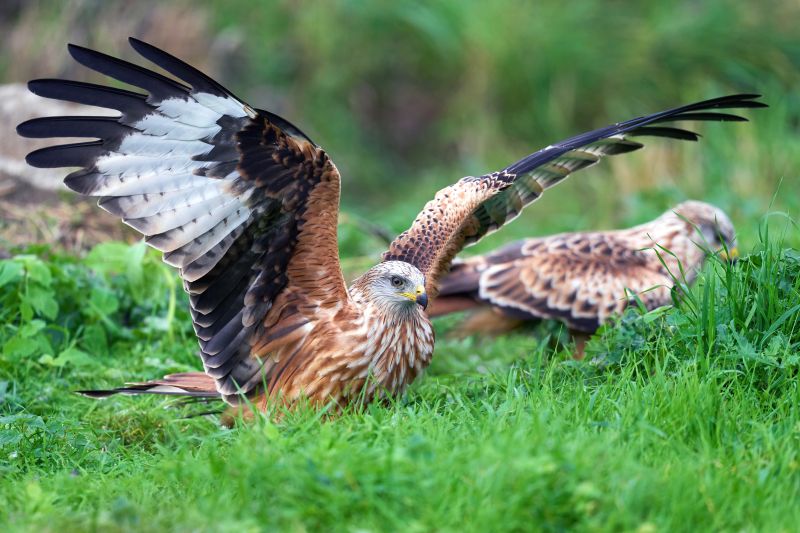
The Red Kite, with its reddish-brown body, striking black wingtips, and deeply forked tail, is a breathtaking sight. These birds glide gracefully through the sky, showcasing their impressive wingspan of up to two meters. Look for them in flight to truly appreciate their elegance and the distinctive shape of their tail, which they skillfully use to steer.
Habitat
Red Kites were once on the brink of extinction in the UK but have made a remarkable comeback, thanks largely to conservation efforts. They prefer open countryside, mixed farmland, and woodland edges for their habitat. The Chilterns Area of Outstanding Natural Beauty is a stronghold for these birds, although they have spread to other parts of the UK.
Diet
These raptors are opportunistic feeders, scavenging on carrion and preying on small mammals, birds, and occasionally insects. Their varied diet and adaptability have been key to their successful reintroduction and growing numbers across the UK.
Conservation Status
Thanks to dedicated conservation programs, the Red Kite has moved from near extinction in the UK to a conservation success story. Their numbers have increased significantly, but they are still protected to ensure their populations remain stable and continue to grow.
2. Buzzard
Identification
The Buzzard is the UK’s most common bird of prey and can be identified by its broad wings and short tail. It exhibits a variety of plumage colors, from dark brown to almost white. In flight, Buzzards ride thermal currents, soaring high in the sky with minimal effort. Their mewing call is distinctive, often heard before the bird is seen.
Habitat
Buzzards are adaptable and can be found in a wide range of habitats, including woodland, farmland, and moorland. They have made a significant comeback from their mid-20th-century decline and are now widely distributed across the UK.
Diet
Buzzards primarily feed on small mammals, such as voles, rabbits, and mice. They also eat birds, earthworms, and large insects, demonstrating their adaptability in foraging for food. Their ability to make use of a variety of prey items has contributed to their widespread presence.
Conservation Status
Currently, the Buzzard is not considered at risk, thanks to its wide distribution and the general increase in its population. Conservation efforts focus on maintaining habitats and monitoring populations to ensure that Buzzards continue to thrive across the UK.

3. Peregrine Falcon
Identification
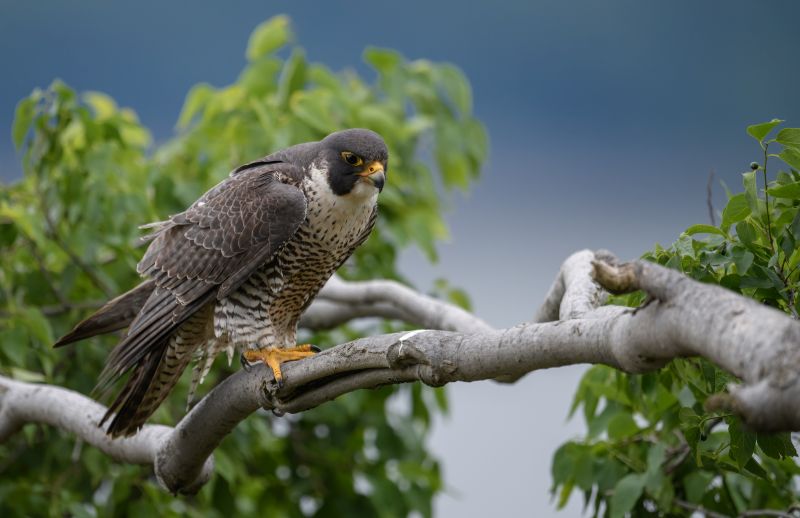
The Peregrine Falcon, renowned for being the fastest bird in the world, can reach speeds over 200 mph during its hunting stoop. Its blue-gray back, barred white underparts, and black head are iconic. The sharp, pointed wings and rapid wingbeats make the Peregrine unmistakable in flight. Look out for them near cliffs and tall urban structures, where they nest and hunt.
Habitat
Peregrine Falcons have adapted to an array of habitats, from the traditional cliff sides and mountain ranges to urban environments. Cities mimic their natural cliff-dwelling habitats, offering plenty of nesting sites and ample food supply in the form of pigeons and other urban birds.
Diet
Their diet consists primarily of medium-sized birds, which they catch in mid-air with breathtaking speed and precision. Peregrines have also been known to prey on small mammals and bats, showcasing their versatility as apex predators.
Conservation Status
Once endangered due to pesticide use, Peregrine Falcon populations have recovered impressively in the UK, thanks to bans on harmful chemicals and targeted conservation efforts. They are now a conservation success story, with numbers increasing across their range.
4. Sparrowhawk
Identification
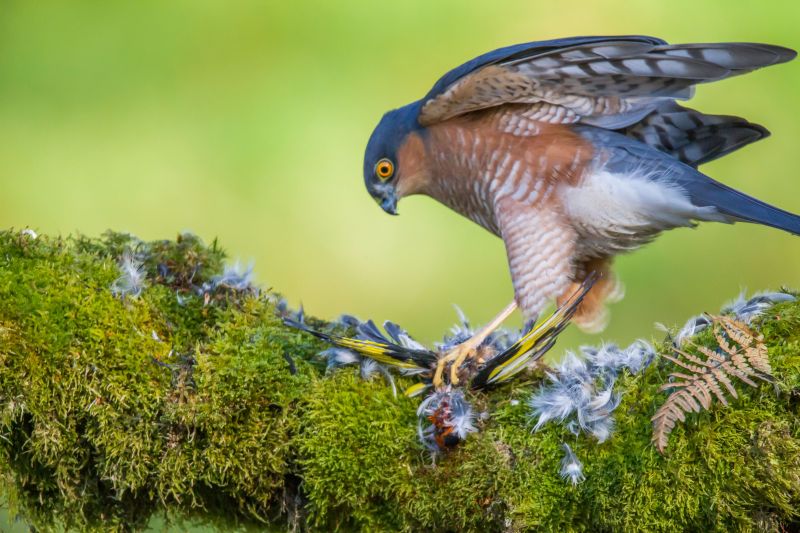
The Sparrowhawk is a small bird of prey, with females significantly larger than males. They have a distinctive barred underparts and a long, square-ended tail with bands. Males are more colorful, with blue-gray backs and orangey-brown bars on their chest and belly. Their agile flight through dense vegetation is mesmerizing to watch.
Habitat
Sparrowhawks are found throughout the UK in woodlands, farmlands, and even urban gardens. They are masters of navigating through tight spaces, using their maneuverability to surprise unsuspecting prey.
Diet
Their diet mostly consists of small birds, which they catch with sudden bursts of speed, often in a surprise attack. Sparrowhawks have a significant impact on the populations of urban and garden birds, but they are an imperative part of the ecosystem, maintaining the balance of species.
Conservation Status
Sparrowhawk numbers declined in the mid-20th century but have since recovered due to the reduction in the use of pesticides that affected their reproduction. They are now common throughout the UK, though monitoring continues to ensure their populations remain healthy and stable.
5. Kestrel
Identification
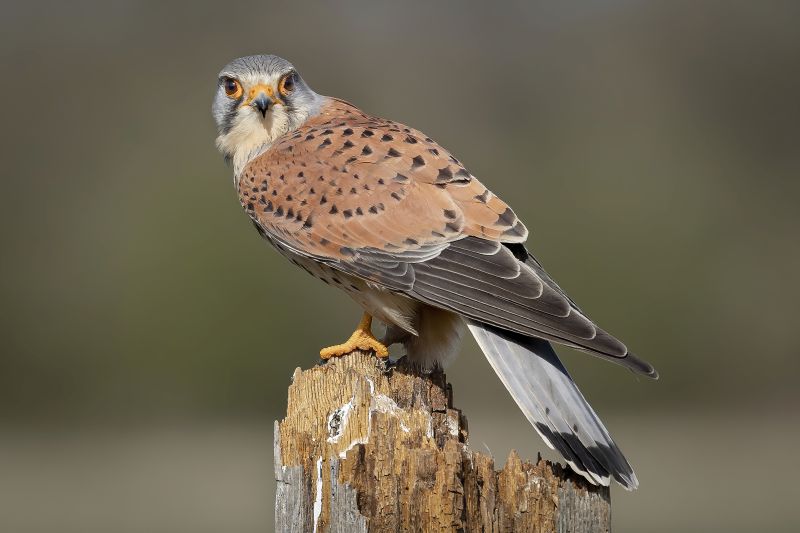
The Kestrel is easily recognized by its ability to hover in the air with rapid wing beats, scanning the ground below for prey. With its distinctive reddish-brown plumage, black-barred tail, and wings, the Kestrel is a sight to behold. Males have a blue-gray head and tail, setting them apart from the females and juveniles with their uniform brown coloration.
Habitat
Kestrels are versatile birds found in a wide variety of habitats, including open countryside, heathlands, and the edges of woodlands. They are also seen in urban areas, making use of buildings and other structures for nesting.
Diet
Their diet, for the most part, consists of small mammals, such as voles and mice, which they spot from the air during their characteristic hover. Kestrels also eat small birds, insects, and worms, showcasing their adaptability in hunting techniques and diet.
Conservation Status
Kestrels have experienced a decline in numbers in recent years, attributed to changes in farming practices that affect their prey abundance. Conservation efforts focus on monitoring populations and promoting farming practices that support a healthy ecosystem for these birds.
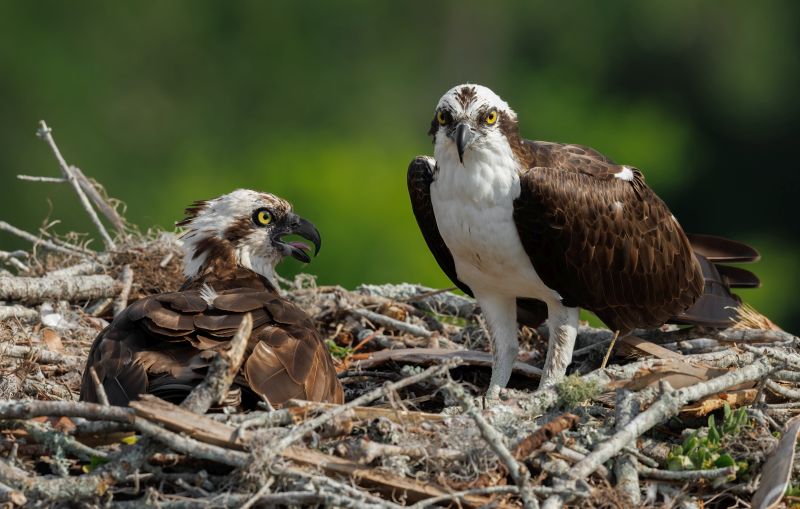
6. Osprey
Identification
The Osprey is a large, fish-eating bird of prey with a distinctive white underbelly, dark brown back, and a wingspan of up to 180 cm. Its powerful talons and sharp, hooked beak are perfectly adapted for catching fish. In flight, the Osprey’s crooked wing shape and steady, deliberate wingbeats are unmistakable.
Habitat
Ospreys are migratory birds that return to the UK to breed during the spring and summer months. They favor freshwater lakes, reservoirs, rivers, and coastal areas where fish are plentiful. Nesting typically occurs near or on top of tall structures, such as trees, cliffs, or man-made platforms.
Diet
The diet of an Osprey is almost exclusively fish, making them unique among British birds of prey. They are skilled hunters, diving feet first to snatch up fish from the water with their sharp talons.
Conservation Status
Ospreys were once extinct in the UK but have been successfully reintroduced. Their numbers are gradually increasing, thanks to ongoing conservation efforts, which include the protection of nesting sites and the installation of artificial nesting platforms to encourage breeding.
7. Golden Eagle
Identification
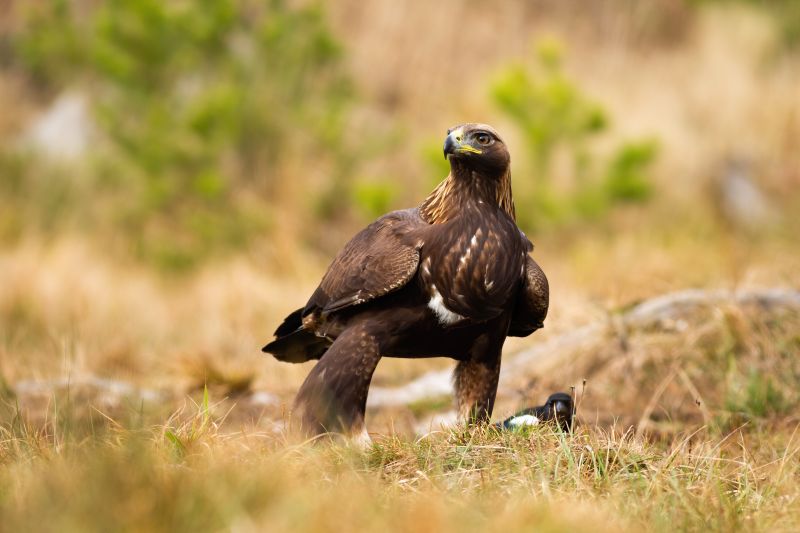
The Golden Eagle is one of the most exquisite birds of prey in the UK, with its impressive wingspan reaching up to 220 cm. It has dark brown plumage with golden feathers on the back of its neck, giving it its name. This powerful raptor soars with broad wings and a steady flight over mountains and moorlands, a truly magnificent sight.
Habitat
Golden Eagles are found in remote, rugged landscapes of Scotland, preferring open moorlands and mountains. They require large territories for hunting and nesting, typically choosing cliffs or rocky outcrops to build their nests.
Diet
Their diet varies, including rabbits, hares, grouse, and other birds. Golden Eagles are also known to take larger prey, such as lambs and deer calves, particularly in harsher climates where smaller prey is scarce.
Conservation Status
Golden Eagles are among the protected species in the UK, with conservation efforts focused on preserving their natural habitats and monitoring their populations. While their numbers in Scotland are stable, they are rarely seen in other parts of the UK due to historical persecution and habitat loss.
8. Merlin
Identification
The Merlin is the UK’s smallest bird of prey, resembling a plump, fast-flying falcon. It has a blue-gray back and wings in males, with females and juveniles showing a browner hue. Despite its size, the Merlin is fierce and capable of rapid, agile flight as it pursues its prey.
Habitat
Merlins breed in upland areas, favoring open moorland and coastal heaths. In winter, they can also be found in lowland farmlands and marshes, expanding their range in search of food.
Diet
This diminutive predator mainly feeds on small birds, such as pipits and larks, catching them in flight with remarkable speed and agility. Merlins will also take insects and small mammals when available.
Conservation Status
Merlins have faced declines due to habitat loss and pesticide use, but conservation measures, including habitat management and legal protection, have helped stabilize some populations. They remain a species of conservation concern, requiring ongoing efforts to ensure their survival in the UK’s changing landscapes.
9. Barn Owl
Identification
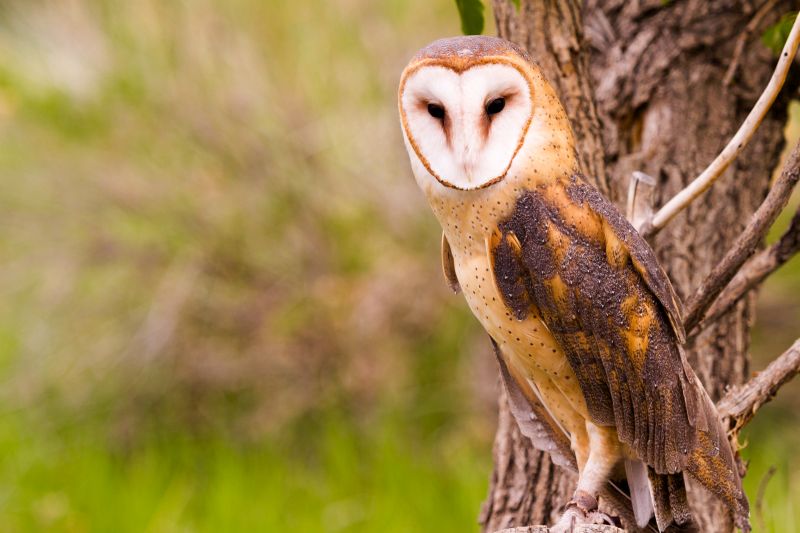
The Barn Owl, with its ghostly appearance, heart-shaped face, and pure white underparts, stands out among the UK’s birds of prey. Its silent flight is owed to the unique structure of its feathers, allowing it to glide undetected over fields and woodlands. At night, its eerie screech can often be the only indication of its presence as it hunts under the cover of darkness.
Habitat
Barn Owls are found across the UK, favoring open countryside, farmland, and along field edges where old barns and hollow trees provide perfect nesting sites. These owls are particularly sensitive to harsh weather conditions, relying on undisturbed hunting grounds rich in prey.
Diet
Their diet consists predominantly of small mammals, especially field voles, mice, and shrews. Barn Owls hunt by flying lowly over fields, using their exceptional hearing to detect and capture prey hidden beneath vegetation.
Conservation Status
Barn Owls are protected in the UK, with numbers affected by modern farming practices and the loss of suitable hunting grounds. Conservation efforts include creating nesting boxes and managing landscapes to support healthy populations of small mammals, essential for the owls’ diet.
10. Hen Harrier
Identification
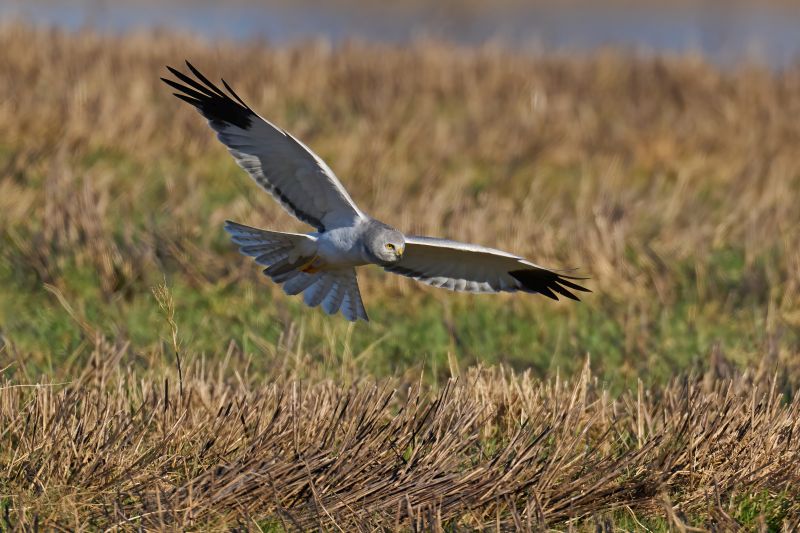
The Hen Harrier is a medium-sized raptor with a distinctive owl-like face that helps it hear rodents while flying low over the ground. Males are gray with black wingtips, while females and younger birds are brown with a white rump and a long, barred tail. Their graceful, gliding flight over heathlands and marshes is a beautiful sight, making them one of the most elegant birds of prey in the UK.
Habitat
Hen Harriers inhabit open areas such as heathlands, coastal marshes, and farmland. They require large, undisturbed tracts of land for breeding and hunting, often nesting on the ground amongst tall heather or grasses.
Diet
Their diet is varied, feeding on small birds and mammals, including voles and ground-nesting birds. Hen Harriers use their low, slow flight to surprise prey, often circling back to catch it unaware.
Conservation Status
Hen Harriers are one of the UK’s most threatened birds of prey, with illegal persecution and habitat loss being significant factors in their decline. Conservation initiatives focus on protecting nesting sites, legal protection from persecution, and habitat restoration to ensure their survival.
Conclusion
The exploration of the UK’s birds of prey reveals a fascinating and diverse group of species, each playing a vital role in the natural world. From the high-speed hunts of the Peregrine Falcon to the silent, nocturnal forays of the Barn Owl, these raptors embody the beauty and complexity of avian life. Their presence and health are indicators of the general health of our ecosystems, making their conservation essential not only for their survival but for the balance of nature itself.
As birdwatchers, we have the privilege of witnessing the majesty of these birds in their natural habitats, a reminder of the importance of conservation efforts and the need to protect the environments that sustain them. By fostering an appreciation for these remarkable birds and supporting conservation initiatives, we contribute to the preservation of the UK’s natural heritage for future generations to marvel at and enjoy.
Let’s continue to celebrate the UK’s birds of prey, ensuring that their skies remain a place of wonder and awe, where the silent wingbeat of an owl or the shadow of an eagle soaring overhead reminds us of the wild beauty that still exists, waiting to be discovered.