
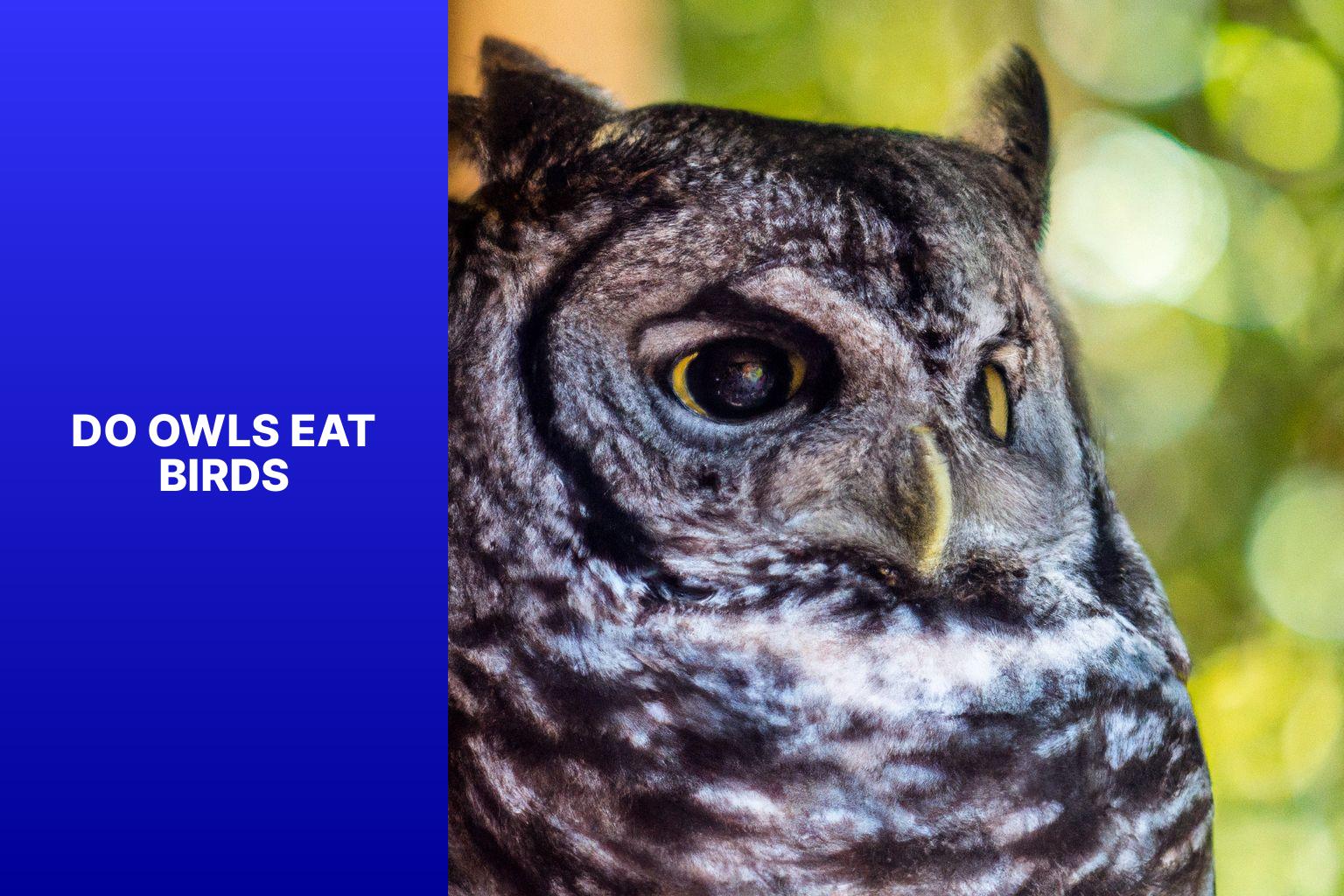
Owls, known for their nocturnal habits and silent flight, are fascinating birds of prey that capture the curiosity of bird enthusiasts and nature lovers alike. When it comes to their diet, owls are known to display remarkable adaptability. Understanding what owls typically eat provides insights into their feeding habits and ecological role in the ecosystem.
1. Small Birds: Owls are opportunistic hunters and commonly prey on small birds, especially those that are active during the night.
2. Rodents: One of the primary food sources for owls is rodents, including mice, rats, voles, and shrews. These small mammals make up a significant portion of an owl’s diet.
3. Insects: While not a major part of their diet, owls do consume insects, particularly during times when other prey may be scarce.
4. Reptiles and Amphibians: Owls have been observed hunting and consuming reptiles like snakes, lizards, and amphibians such as frogs and toads.
Owls and their predation on birds have piqued particular interest among bird enthusiasts. Owls target a variety of bird species based on factors such as size, habitat, and availability. Understanding the relationship between owls and their avian prey sheds light on their hunting techniques and ecological role.
1. What Types of Birds Do Owls Target? Owls are known to target a range of bird species, including small songbirds, waterfowl, and gamebirds. They may also prey on larger birds such as pigeons or ducks if the opportunity arises.
2. Hunting Techniques of Owls: Owls employ a combination of stealth, silence, and precision to hunt birds. Their sharp talons and beaks make them highly adept at capturing their avian prey.
Comparing owls to other predator birds, such as eagles and hawks, highlights the distinctive dietary preferences and hunting strategies of each species.
1. Comparing Diets of Owls and Eagles: While both owls and eagles are skilled hunters, their diets vary. Eagles primarily feed on fish, small mammals, and carrion, while owls rely on a broader range of prey including birds, small mammals, and insects.
2. Owls and Hawks: Diet Differences: Hawks are known for preying on birds, but their diet consists mainly of small to medium-sized birds. Owls, on the other hand, target a wider range of prey beyond just birds.
Understanding the diet and feeding behavior of owls provides valuable insights into their role in maintaining ecological balance and emphasizes the importance of conserving their habitats.
1. Owls have a diverse diet: They typically eat small birds, rodents, insects, and reptiles and amphibians, making them versatile predators.
2. Owls target a variety of bird species: They prey on different types of birds, using their hunting techniques to catch their avian prey.
3. Owls have different diets compared to other predator birds: While owls and eagles have similar diets, owls and hawks have diet differences, highlighting the unique feeding habits of owls.
Owls Diet: What Do Owls Typically Eat?
Ever wondered what’s on the menu for owls? In this section, we’re going to unveil the secrets of an owl’s diet. From small birds to rodents, insects to reptiles and amphibians, these fascinating creatures have quite the eclectic palate. So, prepare to be surprised as we explore the various items on the owl’s menu and discover their unique hunting strategies. Get ready to dive into the intriguing world of owls and find out what they typically eat!
Small Birds
Small birds play a crucial role in the diet of owls. These nocturnal predators actively hunt and regularly consume these diminutive creatures. The hunting techniques of owls involve using their exceptional hearing capabilities and performing silent flight maneuvers to stealthily approach their avian prey. Once within striking distance, they employ their sharp talons and powerful beak to capture and dispatch these small birds.
It is worth noting that different owl species exhibit preferences for distinct types of small birds. Some owls show a particular inclination towards smaller species such as sparrows and finches, while others may target slightly larger birds like doves and pigeons. The size of the owl itself and the size of its intended prey are influential factors in determining the specific types of birds that are pursued.
When it comes to hunting small birds, owls take into account the surrounding habitat and skillfully camouflage themselves to blend in with their environment. They rely on their exceptional vision to locate and track their quarry, even in low-light conditions, which enables them to be highly effective hunters.
It is important to note that not all small birds are suitable prey for owls. Agile and swift birds can present a challenge for these nocturnal hunters. In some cases, larger owl species may choose to target larger birds, such as waterfowl or raptors, in order to satisfy their hunting needs.
Rodents
Rodents are a significant part of owls’ diet. This includes mice and voles, which are small mammals. Owls have impressive hunting skills and can locate and capture rodents both on the ground and in the air using their excellent hearing and night vision. The quantity of rodents consumed by owls depends on factors like their species, geographical location, and prey availability. Larger owl species can consume multiple rodents in a single night, showcasing their efficient predatory skills. Owls’ consumption of rodents is beneficial for maintaining the ecological balance, especially in agricultural areas where rodents can damage crops. By controlling rodent populations, owls contribute to ecological stability in their habitats.
Insects
Insects play a significant role in the diet of owls. Owls readily prey on insects such as beetles, moths, crickets, and grasshoppers. These tiny creatures provide a substantial portion of an owl’s diet and are easily accessible as food. Owls rely on their exceptional night vision and silent flight to effectively capture their insect prey. They swoop down from perches or glide through the air to ambush these small creatures, using their sharp talons to secure their meal.
Did you know that a single barn owl can consume up to 1,000 insects in a night? That’s an impressive insect-catching ability!
Reptiles and Amphibians
Reptiles and amphibians are a crucial part of owls’ diet, alongside small birds, rodents, and insects. Allow me to provide you with some important facts about the interaction between owls and reptiles and amphibians:
| 1. Owls rely on reptiles and amphibians as a source of sustenance. They have developed specialized hunting techniques to effectively capture these creatures. |
2. Certain owls, such as the Great Horned Owl, specifically target reptiles and amphibians like lizards, snakes, and frogs. These fascinating animals are frequently found in the owls’ natural habitats, such as forests, wetlands, or grasslands.
3. The dietary preferences of owls can vary depending on their species and the availability of prey in their environment. For instance, Barn Owls tend to consume a larger quantity of rodents, whereas the Burrowing Owl primarily feasts on insects.
4. Owls employ their sharp talons and beaks to seize and eliminate their prey. They possess exceptional night vision capabilities and can silently swoop down on unsuspecting targets.
5. It’s important to note that not all owls consume reptiles and amphibians. Some species may primarily focus on birds or other types of prey.
6. Owls serve a crucial role in regulating populations of reptiles and amphibians within their ecosystem. By preying on these creatures, owls assist in maintaining balanced ecosystems and preventing overpopulation.
Owls and Bird Prey

Photo Credits: Birdwatchingenthusiast.Com by Jonathan Brown
Owls are renowned predators of birds and are highly skilled at hunting them. With their expertise, owls effortlessly capture and kill avian prey. They possess the unique ability to fly silently, making it easier for them to approach birds undetected. Their sharp talons and powerful beaks greatly aid in catching and dispatching their feathered victims. Owls specialize in hunting smaller to medium-sized birds such as sparrows, finches, and pigeons. In fact, they are capable of capturing and devouring multiple birds in a single night. The number of birds consumed may vary depending on the owl species and the availability of prey, but some owls can consume up to 1,000 birds per year. The owls’ remarkable capability to hunt and feed on birds plays a crucial role in preserving the balance of bird populations and ensuring the overall ecological health of their habitats. Through their predatory actions, owls effectively control bird populations and maintain the equilibrium of the ecosystem.
What Types of Birds Do Owls Target?
Owls target various bird species in their hunt. They can capture small birds like sparrows and finches, as well as larger ones such as pigeons and ducks. Owls have silent flight and great night vision, which gives them an advantage when hunting birds. They ambush their prey from above, using their sharp talons to catch them.
While owls do eat birds, they also consume rodents, insects, and reptiles. The types of birds owls target may vary depending on the species and habitat of the owl. For example, barn owls mainly hunt small mammals like mice, rats, and voles, but they may also eat nearby bird species.
A fascinating fact about owls is that some species, like the great horned owl, prey on other raptor birds such as falcons and smaller owls. This shows their versatility and adaptability as hunters. Owls are important for balancing ecosystems by controlling populations of small mammals and birds.
Hunting Techniques of Owls
Owls employ a variety of hunting techniques to effectively capture bird prey. These hunting techniques play a crucial role in their survival and obtaining food.
One of the key hunting techniques used by owls is silent flight. Owls have specialized feathers that reduce flying noise, allowing them to approach prey without being detected. This stealthy approach surprises bird prey and prevents them from being alerted.
Another important hunting technique of owls is their excellent night vision. Owls have large eyes and a high concentration of light-sensitive cells, enabling them to have exceptional night vision. This helps them spot and target birds even in low-light conditions.
Owls also possess sharp talons, which are essential for their hunting success. These powerful, curved talons allow owls to tightly grip and immobilize bird prey, ensuring effective capture.
Swift and accurate strikes are another notable hunting technique of owls. Owls are known for their quick and precise strikes. They descend upon prey with great speed and accuracy, guaranteeing a successful capture.
Camouflage and ambush are also part of the hunting techniques of many owl species. These owls have excellent camouflage abilities, allowing them to blend seamlessly with their surroundings. This gives them a strategic advantage in hunting as they can hide and ambush unsuspecting bird prey.
Understanding these hunting techniques gives us insight into the remarkable ability of owls to capture and feed on bird prey. These adaptive skills have enabled nocturnal predators to thrive in various habitats.
Next time you observe an owl in action, make sure to pay close attention to these hunting techniques. It’s a fascinating display of nature’s adaptability and the beauty of the animal kingdom.
Owls vs. Other Predator Birds
When it comes to birds of prey, the diet of owls sets them apart from other predator birds. In this section, we’ll explore the fascinating differences in the diets of owls compared to eagles and hawks. From comparing their feeding habits to uncovering the distinct food preferences, we’ll delve into the intriguing world of these mighty winged hunters. Brace yourself for some surprising facts and jaw-dropping statistics as we take a closer look at the culinary preferences of these remarkable creatures.
Comparing Diets of Owls and Eagles
In comparing the diets of owls and eagles, we notice some differences. The table below showcases the variations:
| Type of Prey | Owls | Eagles |
| Small Birds | Yes | Yes |
| Rodents | Yes | Yes |
| Insects | Yes | No |
| Reptiles and Amphibians | Yes | No |
| Fish | No | Yes |
| Carrion | Yes | Yes |
Owls and eagles both eat small birds and rodents, but there are some distinctions. Owls have a more diverse diet, consuming insects and reptiles, while eagles do not. Eagles, on the other hand, include fish in their diet, which owls do not typically eat. Both owls and eagles feed on carrion, which refers to dead animals.
These differences are due to variations in hunting techniques and habitats. Owls are nocturnal predators that excel in hunting small mammals and birds in darkness. Eagles are diurnal birds of prey, known for their excellent eyesight and aerial hunting abilities. Their habitat and hunting strategies determine the availability and preference of certain types of prey.
By comparing the diets of owls and eagles, we gain a better understanding of their role in the ecosystem and how they adapt to their environments to meet their dietary needs.
Owls and Hawks: Diet Differences
Owls and hawks have distinct diet differences. When comparing their food preferences, it is fascinating to see the variations. Below is a table that highlights the contrasting diets of the two bird species:
| Owls | Hawks |
| Owls primarily consume small mammals like rodents. | Hawks, on the other hand, also hunt small mammals, but their prey range is wider and includes rabbits and squirrels. |
| Some owl species also feed on small birds. | Hawks, however, frequently prey upon birds. |
| Insects constitute a smaller portion of an owl’s diet. | Hawks, in contrast, rarely eat insects and focus more on small animals. |
| Owls occasionally consume reptiles and amphibians. | Hawks, on the other hand, seldom target or eat reptiles and amphibians. |
Observing the contrasting diets of owls and hawks is intriguing. While owls mainly hunt small mammals and occasionally consume birds, hawks have a diverse range of prey that includes both mammals and birds. These diet differences reflect the unique adaptations and hunting strategies of each bird species.
Frequently Asked Questions
Do Owls Eat Birds?
Yes, owls are carnivorous and they eat a variety of animals, including birds. Owls from smaller species, such as Scops Owls and Screech Owls, primarily feed on insects, but larger owls like the Eagle Owl can prey upon birds up to the size of ducks and gamebirds.
What is the diet of owls?
Owls have specific diets depending on their species. They feed on a range of animals including invertebrates, fish, reptiles, amphibians, birds, and small mammals. Smaller owls mostly consume insects, while larger owls can prey upon hares, young foxes, and birds.
How do owls catch their prey?
Most owls hunt from a perch, waiting for prey to appear and then swooping down to catch it. Some species prefer to soar or make quartering flights to locate prey. Owls have keen eyesight, sensitive hearing, and silent flight, making them stealthy hunters. They use their sharp bills and talons to catch and hold their prey.
How do owls digest their food?
Owls cannot chew their food and usually swallow small prey items whole. Larger prey are torn into smaller pieces before being swallowed. Owls do not have a crop, so food is passed directly into their digestive system. Their digestive system includes a glandular stomach and a muscular gizzard, which grinds and filters the food. Indigestible parts are compressed into a pellet and regurgitated several hours after eating.
Do owls eat birds during the day or night?
Some owls are active during the day, while others are nocturnal or crepuscular, meaning they are most active during dawn and dusk. Whether it is day or night, owls can prey on birds depending on their hunting territory and the availability of prey.
What are the threats faced by owls?
Owls face threats such as habitat loss, pesticides, and vehicle collisions. Some owl species, including the Northern Spotted Owl and six others, are in need of conservation action. Organizations like the American Bird Conservancy are working to protect owls through habitat improvement, pesticide bans, and improved protections.