

Penguins are captivating creatures that have charmed the hearts of birdwatchers around the world. Their waddling walk and playful antics are a delight to observe. Yet, many people wonder about their unique appearance. One common question is, “Do penguins have fur?”
At first glance, penguins might seem to have fur. Their sleek, shiny bodies resemble the coats of some furry animals. This misconception arises because their feathers are incredibly dense and fine. It’s easy to see why someone might think they are covered in fur.
Penguins inhabit some of the planet’s most extreme environments. Their survival depends on special adaptations, which help us appreciate these amazing birds even more. Let’s investigate the details and uncover the truth about penguins and their so-called “fur.”
Penguin Anatomy
Penguins have a unique body structure that sets them apart from other birds. Their streamlined shape helps them glide effortlessly through the water. A thick layer of blubber right under their skin provides insulation and energy reserves.
Penguins’ wings have evolved into flippers, which are perfect for swimming but make flying impossible. Their strong, muscular legs are positioned far back on their bodies, giving them their distinctive waddle when they walk on land.
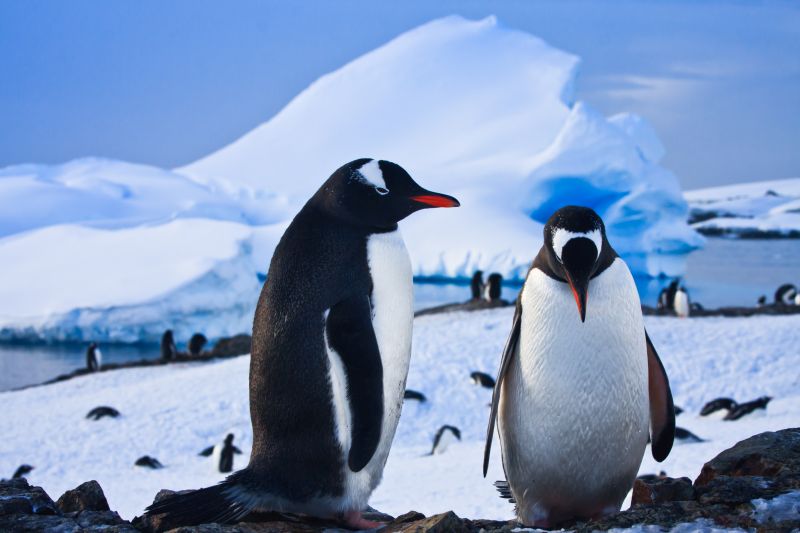
Their feathers are the most intriguing part of their anatomy. Unlike most birds, penguins have densely packed feathers. This density gives them their smooth, almost fur-like appearance.
Types of Feathers
Contour Feathers
Contour feathers are the outermost feathers on a penguin’s body. They are smooth and overlap like shingles on a roof. These feathers provide a streamlined shape that reduces drag in the water. They also help keep water away from the down feathers underneath.
Down Feathers
Underneath the contour feathers are the down feathers. These feathers are soft and fluffy. Down feathers trap air close to the penguin’s skin, providing excellent insulation. This trapped air helps keep penguins warm in freezing temperatures.
Filoplumes
Filoplumes are tiny, hair-like feathers hidden among the contour feathers. They are sensory in nature. Filoplumes help penguins detect changes in their feather alignment. This detection is crucial for maintaining their waterproofing and insulation.
Each type of feather plays a vital role in a penguin’s survival. The combination of contour, down, and filoplume feathers provides insulation, waterproofing, and streamlined movement. This intricate feather system is what gives penguins their distinctive look and incredible adaptability.
Function of Penguin Feathers
Penguin feathers are marvels of natural engineering. Each feather serves a specific purpose, contributing to the bird’s survival in harsh environments.
Insulation and Waterproofing
The primary function of penguin feathers is insulation. The dense down feathers trap air, creating an insulating layer that wards off the cold. This insulation is crucial for penguins living in icy habitats.
Waterproofing is another vital function. Contour feathers overlap to create a waterproof barrier. This barrier prevents water from reaching the down feathers, keeping the penguin dry and warm even during extended dives in freezing waters.
Streamlining for Swimming
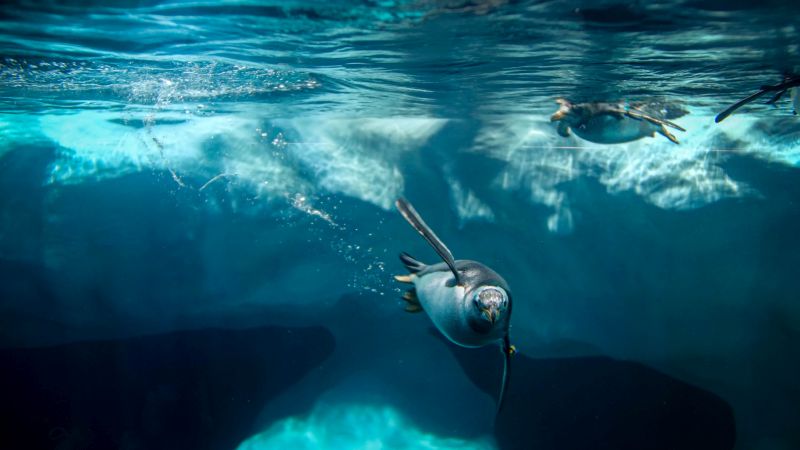
Penguins are exceptional swimmers. Their feathers play a significant role in their aquatic agility. The sleek contour feathers reduce drag, allowing penguins to move swiftly through the water. This streamlined design helps them hunt for fish and evade predators with remarkable efficiency.
Penguins vs. Fur-Bearing Animals
Comparing penguins to fur-bearing animals highlights the unique adaptations of these birds.
Comparison of Insulation Methods
Both penguins and fur-bearing animals need insulation to survive in cold environments. However, the methods differ. Fur-bearing animals rely on thick fur coats to trap heat. In contrast, penguins rely on their dense feathers and their thick layer of blubber for insulation.
Advantages of Feathers Over Fur in Aquatic Environments
Feathers offer distinct advantages over fur for aquatic life. Feathers provide better waterproofing. The overlapping structure of contour feathers creates a nearly impenetrable barrier against water. Fur can become waterlogged, reducing its insulating effectiveness.
Feathers also aid in streamlining. The smooth, sleek surface of feathered bodies reduces drag, enhancing swimming efficiency. Fur, while insulating, can create more drag in water, slowing down the animal.
Penguins are a perfect example of evolution’s ingenuity. Their feather structure offers superior insulation, waterproofing, and streamlining. These adaptations make them perfectly suited for their cold, aquatic habitats.
Adaptations to Cold Environments
Penguins have evolved a range of adaptations to survive in some of the coldest regions on the planet. These adaptations ensure they stay warm and maintain their energy levels despite the harsh conditions.
How Penguin Feathers Provide Warmth
Penguin feathers are incredibly dense and closely packed, forming a highly effective insulation layer. The down feathers trap air next to the skin, creating a warm, insulating layer that protects penguins from the freezing temperatures. The contour feathers overlay the down feathers, forming a waterproof barrier that prevents cold water from reaching the insulating down layer.
The Role of Blubber in Penguin Insulation
In addition to their feathers, penguins have a thick layer of blubber beneath their skin. This blubber provides an extra layer of insulation, helping to retain body heat in icy waters. Blubber also serves as an energy reserve, which is crucial during long fasting periods when food is scarce. This combination of feathers and blubber makes penguins well-equipped to handle extreme cold.
Molting Process
Penguins go through a unique molting process, crucial for retaining the health and functionality of their feathers.
What is Molting?
Molting is the shedding of old feathers and growing new ones. This is a critical period for penguins as their feathers wear out over time, losing their insulating and waterproofing capabilities. Molting ensures that penguins have a fresh set of feathers to keep them warm and dry.
How and When Penguins Molt
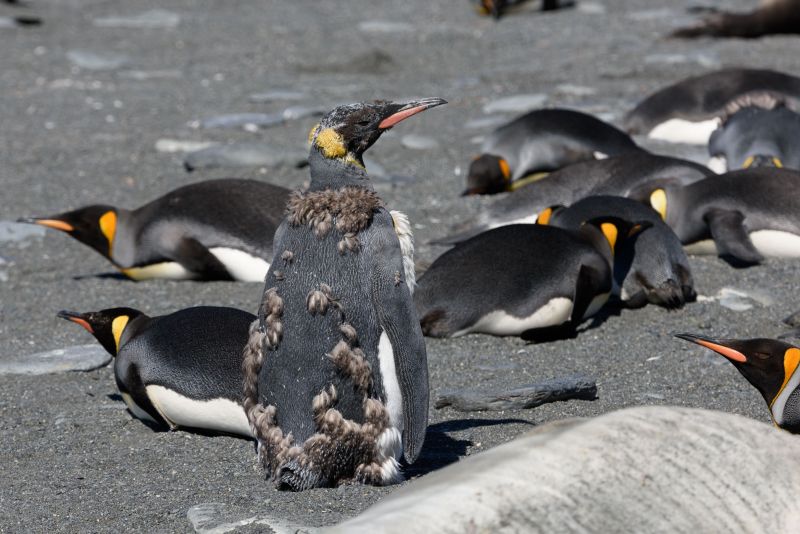
Penguins undergo a “catastrophic molt,” where they shed all their feathers briefly. Unlike many other birds, they cannot molt gradually because they rely heavily on their feathers for insulation and waterproofing. During this time, penguins are land-bound and fast until the new feathers have grown in. This process typically happens annually and can last several weeks.
The Significance of Molting for Feather Health
Molting is vital for maintaining the quality of a penguin’s feathers. Fresh feathers ensure maximum insulation and waterproofing, which are crucial for survival in cold, aquatic environments. Without molting, their old, worn-out feathers would not provide adequate protection, making it difficult for penguins to thrive.
Understanding these adaptations and processes helps us appreciate the incredible resilience and specialized nature of penguins. Their ability to survive and flourish in some of the harshest conditions on Earth is a testament to the remarkable power of evolution.
Common Misconceptions
Despite their distinctive appearance, many people have misconceptions about penguins and their feathers.
Why People Might Think Penguins Have Fur
The most common misconception is that penguins have fur. This misunderstanding likely arises from their sleek, shiny appearance. Penguin feathers are incredibly dense and fine, which can resemble the look of fur from a distance. When penguins are dry, their feathers lie flat and smooth, giving them a fur-like look.
Clarifying the Differences with Visual Examples
To clarify, consider a close-up look at penguin feathers. Unlike fur, which grows from follicles, penguin feathers are complex structures that overlap like roof shingles. Illustrations and high-resolution photos can help highlight these differences, showing the intricate structure of penguin feathers compared to the simpler structure of fur. Understanding these visual distinctions can clear up the confusion and help appreciate the unique adaptations of penguins.
Conclusion
Penguins are marvels of nature, perfectly adapted to their cold, aquatic environments. While their feathers might look like fur at first glance, a closer inspection reveals a complex and specialized structure. This intricate system of feathers provides insulation, waterproofing, and streamlining, which is essential for their survival. By understanding these adaptations and debunking common misconceptions, we can appreciate these remarkable birds even more.