

Florida, with its sprawling coastlines, majestic wetlands, and diverse ecosystems, serves as a haven for an array of spectacular water birds. These feathered creatures not only add to the state’s natural beauty but also play a crucial role in maintaining the health of its waterways and habitats. Whether you’re a seasoned birder or new to the avian adventure, exploring Florida’s water birds offers an exceptional opportunity to connect with nature and witness the remarkable diversity of life that thrives in and around its waters.
So, grab your binoculars, and let’s explore the vivacious realm of water birds that call Florida home. With each sighting, you’ll not only deepen your appreciation for these magnificent birds but also understand their significance to Florida’s ecosystems.
Understanding Water Birds in Florida
Florida’s landscapes are a patchwork of lush wetlands, sprawling lakes, and extensive coastlines, creating the perfect backdrop for a variety of water birds to thrive. These birds, which include species such as herons, egrets, ducks, and pelicans, are adapted to life in and around the water. They play an indispensable role in the state’s ecosystems, enhancing aquatic life balance and aiding the health of Florida’s environments.
Water birds are a broad category, encompassing any bird species that depend on aquatic habitats for feeding, breeding, and nesting. These birds are equipped with specialized adaptations that allow them to navigate their watery worlds with ease. From the long, wading legs of herons and egrets to the webbed feet of ducks and pelicans, each feature serves a purpose in the survival of these fascinating creatures.
Beyond their ecological role, water birds are a key indicator of environmental health. Their presence and population levels can offer valuable insights into the state of Florida’s waterways, signaling shifts in the ecosystem that may require attention or conservation efforts.
The diversity of water birds in Florida is a testament to the richness of the state’s natural habitats. Each species brings unique beauty and behaviors to the tapestry of life found here, making Florida a truly special place for birdwatchers and nature enthusiasts alike. So, as we delve deeper into the world of Florida’s water birds, let’s appreciate not only their beauty but also their importance to the ecological balance and the vital signs they offer about the health of our planet.
Different Types of Water Birds in Florida
Florida’s water bird population is as diverse as it is captivating, with a wide array of species that vary in size, color, and habitat preferences. From the serene lakes to the bustling beaches and the expansive wetlands, each environment hosts different types of water birds. Let’s explore some of the most common and beloved water bird species found throughout the Sunshine State.
Wading Birds
Wading birds are among the most iconic and easily recognized water birds in Florida. These elegant creatures are often seen gracefully navigating the shallow waters of marshes, swamps, and wetlands.
Great Blue Heron: Standing tall with its incredible blue-gray plumage, it is a solitary hunter, often spotted silently stalking its prey in shallow waters.
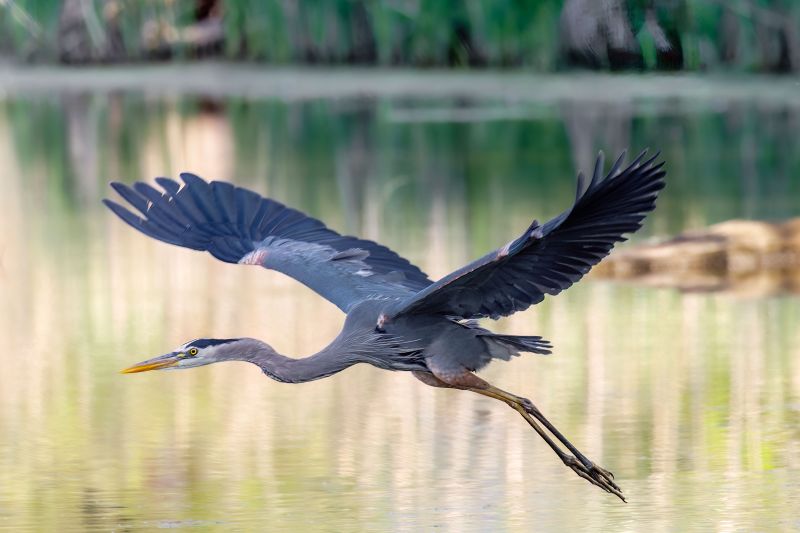
Snowy Egret: Distinguished by its bright white feathers, yellow feet and black legs, this water bird is a sight to behold as it dances in the water, chasing after fish.
Roseate Spoonbill: With its vibrant pink coloration and distinctive spoon-shaped bill, the Roseate Spoonbill adds a splash of color to Florida’s coastal marshes and wetlands.
Shorebirds
Shorebirds are adapted to life along the coast, where they forage for food in the sand and shallow waters. These birds are typically seen running along the shore, dodging waves, and probing the sand for invertebrates.
American Oystercatcher: Recognizable by its striking black and white plumage and long, red bill, the American Oystercatcher is a master at prying open shellfish.

Black Skimmer: Unique among North American birds, the Black Skimmer uses its elongated lower mandible to skim the water.
Where to Find Water Birds in Florida
Florida is a birdwatcher’s paradise, offering a multitude of natural environments that attract a diverse array of water birds. Whether you’re exploring the vast wetlands, the tranquil shores, or the secluded islands, you’ll find that each location has its unique avian residents. Here are some prime spots to observe water birds in their natural habitats across the Sunshine State.
Wading Bird Habitats
For those enchanted by the grace of wading birds, Florida’s wetlands and marshes provide the perfect setting.
Everglades National Park: This sprawling park is one of the most iconic places to observe various kinds of wading birds, which include spoonbills, egrets and herons. The Anhinga Trail and Shark Valley offer exceptional birdwatching opportunities.
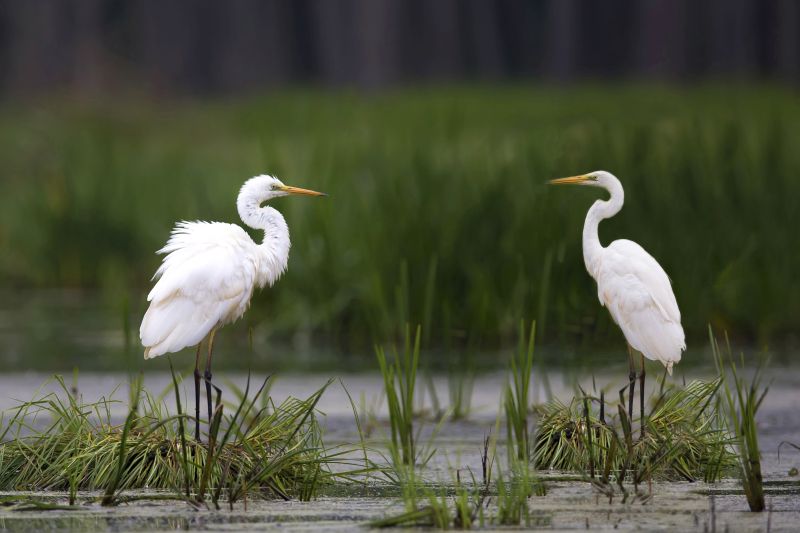
Big Cypress National Preserve: Adjacent to the Everglades, this preserve features a mix of swampland and forested areas, making it a haven for wading birds and other wildlife. The Loop Road is particularly renowned for bird sightings.
Shorebird Nesting Grounds
Florida’s beaches and coastal areas are vital for shorebirds, providing critical nesting and feeding grounds.
Fort De Soto Park: Located near St. Petersburg, Fort De Soto Park’s beaches and mudflats are bustling with shorebirds throughout the year. The park is especially significant during the nesting season.
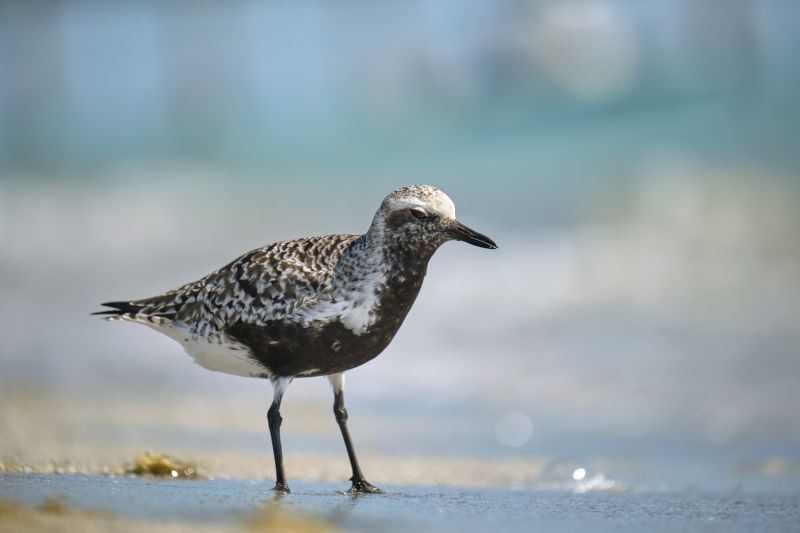
Canaveral National Seashore: Offering undisturbed beaches on Florida’s east coast, this national seashore is a key area for shorebirds and sea turtles alike. Its pristine conditions make it an ideal spot for observing shorebirds in their natural environment.
Waterfowl Reserves
Freshwater lakes and ponds throughout Florida are teeming with waterfowl, offering spectacular viewing opportunities.
Merritt Island National Wildlife Refuge: Located close to the Kennedy Space Center, this refuge is famous for its diverse bird populations, including ducks, geese, and swans, particularly during the winter months.
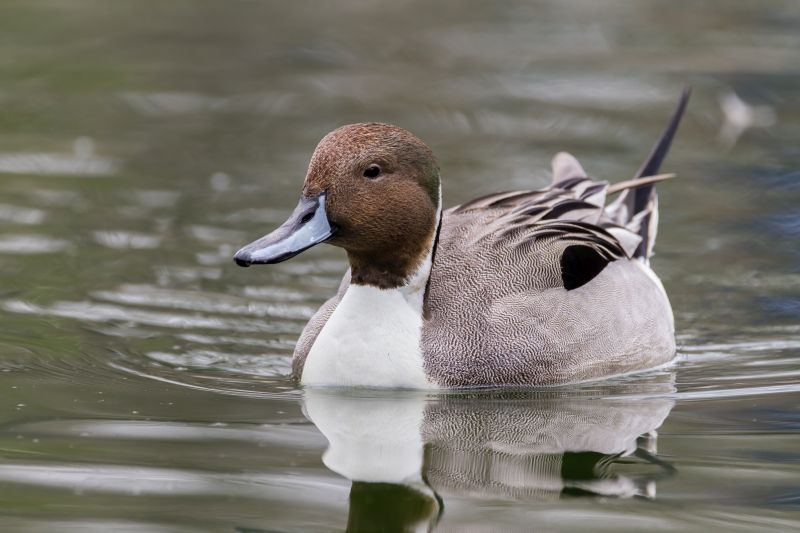
St. Marks National Wildlife Refuge: Based in the Florida Panhandle, this refuge provides a mixture of coastal and freshwater habitats. It’s a critical stopover for migratory birds and a year-round home for many waterfowl species.
Seabird Islands
For those interested in seabirds, Florida’s offshore islands provide critical nesting sites.
Dry Tortugas National Park: This remote park is renowned for its bird colonies, including terns and frigatebirds, and can only be reached by boat or seaplane. The park’s isolation contributes to its status as a premier birdwatching destination.
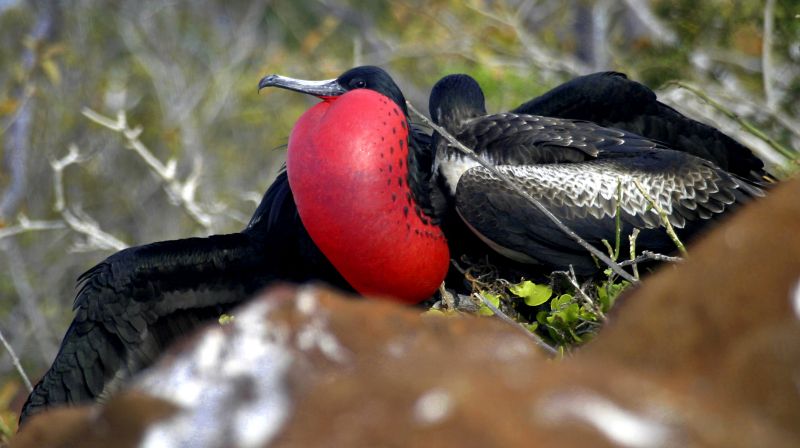
Key West National Wildlife Refuge: This refuge encompasses a series of islands and waters west of Key West, offering shelter to a variety of seabirds. It’s an essential habitat for nesting, feeding, and resting.
Whether you’re a seasoned birdwatcher or simply looking to enjoy Florida’s natural beauty, these locations offer incredible opportunities to observe water birds in their element. Each visit not only promises a chance to witness the splendor of Florida’s avian residents but also underscores the importance of preserving these habitats for future generations.
Best Time to Observe Water Birds in Florida
Timing can be everything when it comes to birdwatching, and Florida’s water birds are no exception. The state’s unique climate and geography offer year-round birdwatching opportunities, but knowing the best times can enhance your experience and maximize your sightings. Let’s delve into the seasonal patterns and daily rhythms that dictate the lives of Florida’s water birds.
Seasonal Variations
Florida’s water birds exhibit distinct behaviors throughout the year, influenced by breeding cycles, migration patterns, and weather conditions.
Breeding Seasons: Spring and early summer are vibrant times in the bird world, as many species are in their breeding plumage, making them even more visually striking. This is also when birds are nesting and raising their young, allowing observers to witness courtship rituals and parental behaviors. Locations like the Everglades National Park and St. Marks National Wildlife Refuge become bustling nurseries.
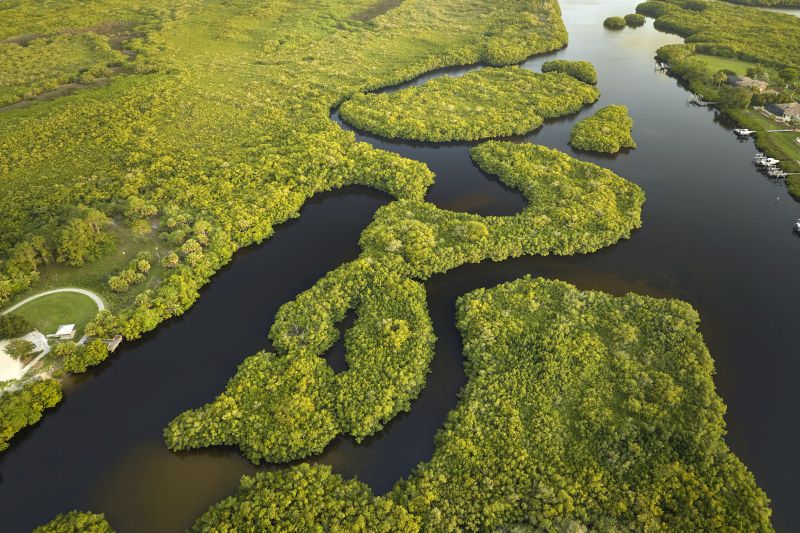
Migration Patterns: Florida serves as a crucial stopover for migratory birds, making fall and spring exciting times for birdwatching. During these seasons, you see species that are passing through Florida on their way to or from their wintering grounds. For example, the Merritt Island National Wildlife Refuge becomes a temporary home to countless migratory birds during these periods.
Time of Day
Time of day plays a significant role in bird activity levels, and knowing when to set out can make a difference in what you discover.
Early Morning: Dawn is often considered the golden hour for birdwatching. Many birds are most active during the early morning as they forage for breakfast. The serene light of sunrise provides a beautiful backdrop for birdwatching, especially in areas like the Big Cypress National Preserve.
Late Afternoon: As the day cools down, birds often have a second peak of activity before settling down for the night. This makes late afternoon another prime time for observation. The lighting during this time is especially favorable for photography.
Tidal Influences: For shorebirds and other species that rely on coastal habitats, the tide can significantly influence their behaviors. Low tide exposes mudflats and sandbars where birds feed, making it an ideal time to observe them in action. Tide charts can help you plan your visits to places like Fort De Soto Park and Canaveral National Seashore.
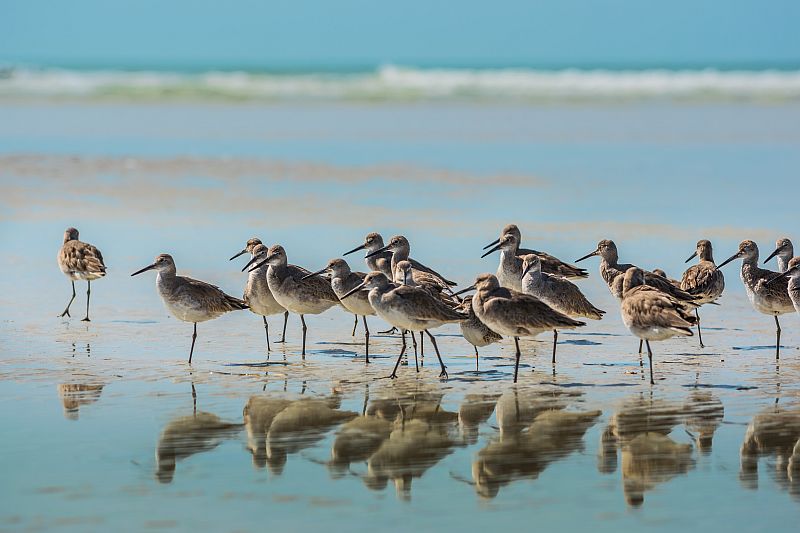
Understanding these patterns can greatly enhance your birdwatching experience in Florida. By timing your outings to coincide with these peak periods, you’ll not only increase your chances of spotting a wide variety of birds but also enjoy their behaviors in the beautiful natural landscapes of the Sunshine State. Whether you’re an early riser ready to catch the morning chorus or a fan of the peaceful afternoons, Florida’s water birds offer spectacular views to those who seek them out.
Tips for Birdwatching in Florida
Birdwatching in Florida can be an incredibly rewarding experience, offering glimpses into the diverse avian life that calls this state home. Whether you’re traversing the vast wetlands, strolling along the beaches, or exploring the secluded islands, here are some tips to enhance your birdwatching adventure in the Sunshine State.
Essential Gear for Birdwatching
Binoculars: A quality pair of binoculars is crucial for any birdwatching endeavor. They allow you to see details and behaviors you’d miss with the naked eye. Look for a pair that is waterproof and fog-proof to handle Florida’s humid climate.
Field Guide: A comprehensive bird field guide or a birdwatching app can help you identify species and understand their habits. Choose one specific to Florida for the most relevant information.
Best Practices for Birdwatching
Plan Your Visit: Research the best times and locations for spotting the birds you’re most interested in. Early morning or late afternoon are generally the best times for bird activity.
Move Slowly and Quietly: Birds are easily startled. Moving slowly and keeping noise to a minimum makes you more likely to get close without scaring them away.
Wear Appropriate Clothing: Opt for clothing that blends with the natural environment. Bright colors can startle birds, while neutral tones help you stay unnoticed.
Be Patient: Sometimes, the most rewarding sightings come after a period of waiting. Find a comfy place to sit quietly, and let the birds come to you.
Respect Wildlife and Habitat: Always keep a respectful distance from birds and their nests. Avoid disturbing their natural behaviors or habitats.
Document Your Sightings: Keeping a birdwatching journal or using an app to record sightings can be a rewarding way to track your experiences and progress as a birdwatcher.
Join a Birdwatching Group: Participating in a birdwatching group or event can enhance your skills and knowledge. It’s also a great way to meet like-minded enthusiasts.
Birdwatching in Florida offers endless opportunities for discovery and connection with nature. By following these tips and embracing the journey, you’ll find yourself immersed in the captivating world of Florida’s water birds.

Conclusion
Exploring the world of Florida’s water birds combines the thrill of discovery with the serene beauty of the natural world. From the majestic wading birds of the wetlands to the lively shorebirds along the coast, each and every encounter presents a unique glimpse into the lives of these fascinating creatures. As birdwatchers, we have the privilege of witnessing the diversity and complexity of avian life, reminding us of the importance of conservation and the need to protect these precious habitats for future generations.
Embracing the tips and best practices for birdwatching can significantly enhance your experience, making each outing both enjoyable and respectful to the wildlife we admire. Florida’s water birds are a testament to the state’s rich biodiversity, and with patience, preparation, and passion, birdwatching can become a rewarding lifelong journey.
Resources
To further your birdwatching adventures and knowledge, consider the following resources:
- Florida Birding Trail: A comprehensive guide to Florida’s prime birdwatching spots, offering insights into locations, species, and birdwatching events.
- Audubon Society: Provides extensive information on bird species, conservation efforts, and how to get involved in local birdwatching activities and initiatives.
- Cornell Lab of Ornithology: Offers a wealth of knowledge through its All About Birds website, including bird identification tools, sounds, and behaviors.
- Birdwatching Apps: Apps like Merlin Bird ID and eBird can help identify birds, log your sightings, and connect with a community of birdwatchers.
- Local Birdwatching Clubs: Joining a club can provide opportunities for guided walks, educational programs, and fellowship with other bird enthusiasts.
Whether you’re a seasoned birder or just beginning to explore the world of birdwatching, Florida’s water birds provide endless opportunities for enjoyment and learning. So grab your binoculars, head out into the great outdoors, and let the beauty of Florida’s avian wonders inspire you.