
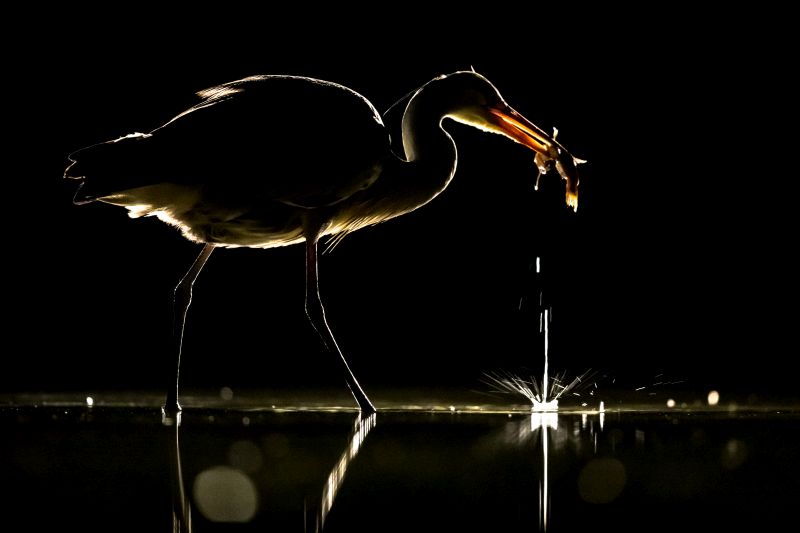
Welcome to the enchanting world of nighttime birdwatching! This unique activity opens up a whole new dimension of birding, where the night sky becomes your backdrop and the sounds of the nocturnal avian world take center stage.
Nighttime birdwatching is not just about seeing different birds; it’s about experiencing them in a completely different setting. The stillness of the night, the chorus of nocturnal calls, and the thrill of spotting birds under the moonlight make it an unforgettable adventure.
Preparing for Nighttime Birdwatching
Before you set off on your nocturnal birding expedition, it’s important to get the right gear. First and foremost, you’ll need a reliable pair of binoculars or a spotting scope. For night use, choose optics with a large objective lens diameter; this feature helps in gathering more light, which is crucial in low-light conditions. Night vision devices can also be a game-changer, allowing you to see birds in the dark without disturbing them.
Lighting is key for navigating and occasionally spotting birds. A good quality flashlight or a headlamp is essential. Remember to use these lights sparingly and responsibly to avoid disturbing the birds. A red light option can be particularly useful as it is less intrusive and helps in preserving your night vision.
Dress for success – and by success, I mean comfort and safety. Wear layers you can remove or add as needed. Night temperatures can be unpredictable, so it’s best to be prepared. Comfortable, sturdy footwear is a must, as you may find yourself walking on uneven terrain in the dark.
Safety should never take a back seat. Always carry a map of the area or a GPS device. A fully charged phone or communication device is crucial, especially in remote areas. Let someone know your plan and expected return time. Birdwatching is fun, but getting lost in the dark is not.

Selecting Your Location
Choosing the right spot is a vital step in nighttime birdwatching. Nocturnal birds have specific habitats, so knowing where to look is beneficial. Wetlands, forests, open fields, and even urban parks can be hotspots for night birds. Areas near water bodies are often great for spotting a variety of species due to the abundance of insects and fish.
Do your homework before heading out. Check local birdwatching forums, social media groups, or apps that provide information on bird activity in your area. Local birdwatching clubs can be invaluable sources of information on the best spots and times to observe nocturnal birds. Remember, every environment is different, and what works in one area might not work in another. Keep an open mind and be ready to explore different locations.
Recognizing and Understanding Nocturnal Birds
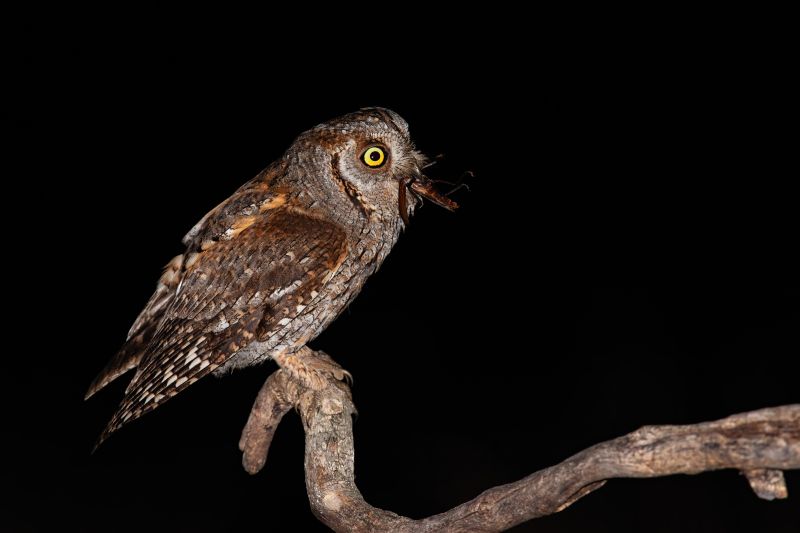
Nighttime brings out a cast of birds that you won’t typically see during the day. Familiarizing yourself with these species is crucial for a successful birdwatching experience. Owls are the stars of the night, but don’t forget about nightjars, nighthawks, and other less-known nocturnal birds. Each species has unique behaviors and characteristics that can help you identify them.
Listening plays a huge role in nighttime birdwatching. Many nocturnal birds have distinctive calls and songs that can help you locate and identify them. Spend some time learning these sounds. Recordings are available online and in birding apps.
Observing nocturnal birds also means understanding their behavior. Some species are more active right after dusk or just before dawn, while others might be easier to spot when they’re feeding or during mating season. Paying attention to these patterns increases your chances of sightings.
Remember, patience is key. Nighttime birdwatching can be challenging but incredibly rewarding. Take your time, soak in the experience, and enjoy the golden opportunity to connect with nature under the cover of darkness.
Birdwatching Techniques and Practices at Night
Mastering the art of nighttime birdwatching requires a blend of patience, skill, and practice. To spot and identify birds in the dark, tune in to their audio cues. Many nocturnal birds have distinct calls, which can guide you to their location. Learn these calls beforehand to make your experience more fruitful.
Silhouettes and movements can also be key indicators. Keep an eye out for shadowy figures against the night sky or subtle movements in trees and bushes. When using light, go for a soft, red light which is less intrusive and doesn’t disrupt the birds or your night vision.
Documenting your observations is part of the fun and contributes to your learning. Keep a journal or use a birdwatching app to note sightings, behaviors, and sounds. Taking photos can be challenging at night, but with the right equipment and settings, it can be a rewarding way to capture your encounters.
Responsible Birdwatching
As birdwatchers, we have a responsibility to minimize our impact on birds and their habitats. Use lights responsibly. Avoid shining lights directly at birds for extended periods as it can disorient and stress them. It’s important to observe birds from a distance, allowing them to behave naturally without human interference.
Engaging in bird conservation is as important as the birdwatching itself. Participate in citizen science projects, report your sightings, and contribute to local bird counts. Support conservation initiatives and educate others about the significance of protecting our feathered friends and their environments.
Conclusion
Nighttime birdwatching is a captivating and unique experience that offers a different perspective on the avian world. It challenges and enriches your birdwatching skills, bringing new excitement to this beloved hobby.
As you venture into the night, remember to prepare adequately, choose your locations wisely, and practice ethical birdwatching. Embrace the beauty and tranquility of the night, and let the world of nocturnal birds amaze you with its wonders. Happy birdwatching!