

Penguins are among the most captivating creatures in the animal kingdom. With their unique tuxedo-like appearance, endearing waddle, and incredible adaptability, they never fail to fascinate. Found primarily in the Southern Hemisphere, these flightless birds thrive in some of the planet’s harshest environments, from the icy expanses of Antarctica to the rocky coasts of New Zealand and South Africa. Understanding how penguins sleep is a small yet intriguing part of their behavior that offers us deeper insights into their daily lives and survival strategies.
So, why should we focus on penguin sleep patterns? Understanding how these birds rest can reveal a lot about their overall health and survival strategies. Sleep is essential for all animals, and penguins are no exception. By learning about their sleep habits, we can gain insights into their daily routines, energy conservation methods, and how they protect themselves from predators. This knowledge can also contribute to their conservation, as it helps us understand their needs and how to support their well-being in the wild.
In this article, we will delve into the various aspects of how penguins sleep, from their unique sleep patterns to the different positions and locations they choose for resting. We will explore the environmental and social factors that influence their sleep and share some interesting facts about their sleep behavior. Whether you are a seasoned birdwatcher or a curious newcomer, this exploration of penguin sleep promises to be both enlightening and enjoyable. Let us dive into the fascinating world of penguin slumber and discover what makes their sleep so unique.
Penguin Sleep Patterns
General Sleep Behavior
Penguins have unique sleep habits that set them apart from many other birds. Unlike humans, they do not enjoy long, uninterrupted sleep periods. Instead, they take short naps throughout the day and night. These naps help them stay alert to predators and environmental changes. Penguins are often seen dozing while standing up or lying down, depending on their species and surroundings. Their sleep behavior is fascinating because it is a direct response to their need for constant vigilance in their often harsh habitats.
Penguins do not have a specific sleep schedule like humans. Instead, they adapt their sleep patterns to their environment. This adaptability helps them survive in extreme conditions, whether in Antarctica’s freezing temperatures or the more temperate climates where some species live. By taking short naps, they can rest while remaining aware of their surroundings, ready to react to any potential threats.
Sleep Duration and Timing
On average, penguins sleep for about 10 hours each day. However, this sleep is divided into short naps rather than one continuous stretch. Most penguins are diurnal, which means they are more active during the day and sleep more at night. This pattern is similar to many other birds and animals, but their sleep patterns can vary depending on factors like season, food availability, and the presence of predators.
During the breeding season, penguins may adjust their sleep patterns to care for their chicks. Parents take turns resting while the other guards the nest. Penguins might sleep more in colder climates to conserve energy, especially during harsh winters. They have to balance the need for sleep with the need to stay warm and safe. This delicate balance showcases their remarkable adaptability.

Sleep Positions and Locations
Common Sleep Positions
Penguins have several sleep positions that help them stay comfortable and safe. Some sleep standing up, with their heads tucked under their wings, which allows them to keep warm and alert. Some penguins sleep standing up, with their heads tucked under their wings. This position helps them stay warm and alert. Others lie down on their bellies or sides, especially when they feel safe from predators. Emperor penguins, for example, are known to sleep standing up in large groups to share body heat. This communal sleeping is a survival strategy that helps them endure the extreme cold of their environment.
Standing up while sleeping also allows penguins to stay ready for any immediate threats. By keeping their feet planted, they can quickly react to danger. This is particularly important in environments where predators are a constant threat. Penguins have adapted to make the most of their short naps, even if it means sleeping in positions that seem uncomfortable to us.
Lying down is another common sleep position, often used when penguins feel safe. For example, penguins might stretch out on their bellies or sides to sleep on remote islands or in well-protected colonies. This position allows them to rest more fully, but they remain alert to any changes in their environment. The ability to switch between standing and lying down depending on their surroundings is a testament to their adaptability.
Preferred Sleeping Locations
Penguins choose their sleeping spots carefully. They often sleep in places that offer protection from predators and harsh weather. Coastal areas with rocky outcrops or burrows provide ideal sleeping locations. Some species, like the Adélie penguin, prefer to sleep on ice or snow, where their white and black plumage provides camouflage. In contrast, others, like the African penguin, may sleep in sandy burrows or shaded areas. Their choice of sleeping location can vary widely depending on their habitat and species.
In Antarctica, emperor penguins gather in large huddles to sleep. This communal sleeping helps them conserve body heat in the freezing temperatures. Each penguin takes turns being on the outside of the huddle, where it’s colder, and the inside, where it’s warmer. This ensures that everyone gets a turn to be warm.
In more temperate climates, penguins like the African penguin might sleep in burrows they dig in the sand or among rocks. These burrows provide protection from the sun and potential predators. Penguins living on rocky islands often sleep in crevices or under overhangs that offer similar protection. Their choice of sleeping location is crucial for their survival, as it helps them stay safe and conserve energy.
Understanding penguin sleep patterns and locations gives us a glance into their daily lives and the challenges they face. Whether standing in a huddle or lying in a sandy burrow, penguins have developed various strategies to get the rest they need to thrive in their unique environments.

Factors Influencing Penguin Sleep
Environmental Factors
Penguins are highly adaptable creatures, and their sleep patterns are significantly influenced by their environment. Temperature is a major factor. In colder climates, such as Antarctica, penguins tend to sleep more to conserve energy and maintain body heat. Emperor penguins, for example, sleep in large huddles to share warmth and reduce heat loss. In contrast, penguins living in warmer climates, like the African penguin, may sleep in burrows or shaded areas to escape the heat and stay cool.
Weather conditions also play a crucial role. Penguins adjust their sleep habits based on weather changes. During storms or extreme weather, they seek sheltered spots to sleep, protecting themselves from harsh winds and precipitation. Predators in their environment can also impact where and how they sleep. Penguins often choose sleeping locations that offer a good vantage point to scan for potential threats, balancing the need for rest with the need for vigilance.
Social Factors
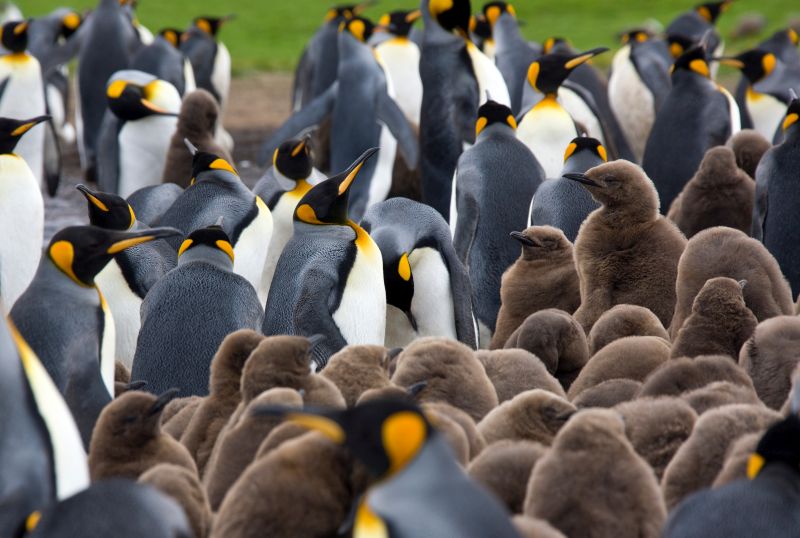
Social factors also influence Penguin sleep patterns. Penguins are social birds and often sleep in groups. This behavior provides safety in numbers, reducing the risk of predation. Group sleeping is particularly common in species like the emperor penguin, which forms large colonies. Sleeping in close proximity helps them stay warm and alert. They rely on the group’s collective vigilance to detect and respond to threats.
The dynamics within a penguin colony can affect individual sleep patterns. For example, penguin parents take turns sleeping and guarding their nests during the breeding season. One parent rests while the other keeps watch over the eggs or chicks. This shared responsibility ensures that both parents get some rest while protecting their young. In some species, older or more dominant penguins might get the prime sleeping spots, while younger or subordinate birds have to settle for less ideal locations.
Interesting Facts About Penguin Sleep
Unique Sleep Adaptations
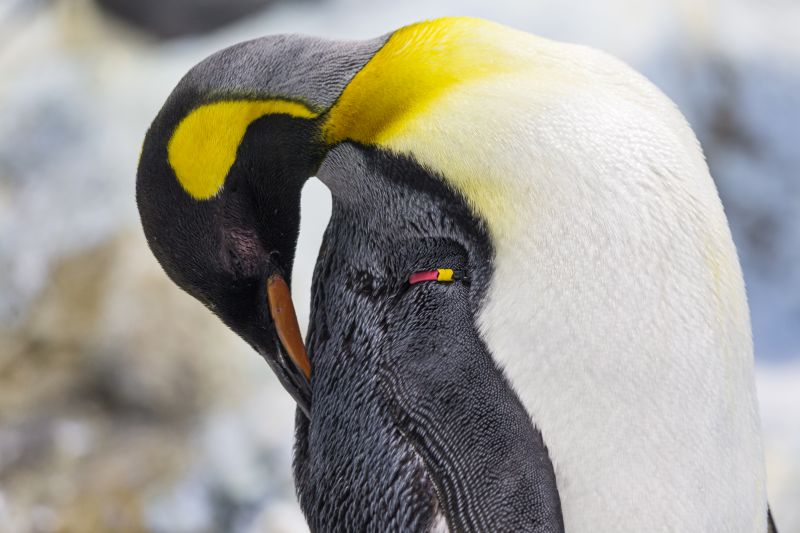
Penguins have developed some fascinating adaptations to help them sleep in their challenging environments. One of the most interesting is their ability to sleep while standing up. By tucking their heads under their wings, they can catch a quick nap without lying down. This position not only keeps them warm but also allows them to stay alert to their surroundings. Emperor penguins are particularly known for this behavior, often seen standing in large huddles, dozing off while maintaining balance on their feet.
Another unique adaptation is their ability to engage in unihemispheric slow-wave sleep (USWS). This means that one hemisphere of their brain sleeps while the other remains awake. This adaptation allows penguins to stay partially alert and responsive to potential threats even while resting. It is especially beneficial when they are in the water, helping them avoid predators like seals and sharks.
Comparisons with Other Animals
Penguin sleep patterns are quite different from those of many other animals. Unlike mammals, which often have longer, consolidated sleep periods, penguins take short naps throughout the day and night. This pattern is more similar to other birds, like albatrosses, which also engage in brief bouts of sleep.
When compared to other marine animals, such as dolphins and seals, penguins show some interesting contrasts. Dolphins, like penguins, use unihemispheric slow-wave sleep to remain alert while swimming. However, seals, which are closer relatives to penguins, often sleep on land and have more consolidated sleep periods. These differences highlight the unique adaptations penguins have developed to thrive in their specific environments.
Penguins also differ from other birds in their communal sleeping habits. While many bird species are solitary sleepers, penguins often sleep in groups, especially in harsh climates. This communal behavior provides additional protection and warmth, showcasing their social nature and the importance of group dynamics in their survival.
Understanding these unique sleep adaptations and behaviors not only enhances our appreciation of these remarkable birds but also provides insights into how they have evolved to meet their environmental challenges. Whether it is sleeping while standing, using unihemispheric slow-wave sleep, or huddling together for warmth, penguins have developed a range of strategies to ensure they get the rest they need to thrive.
Conclusion
In this article, we’ve explored the intriguing world of penguin sleep. We’ve learned that penguins, unlike many other animals, take short naps throughout the day and night rather than having long, uninterrupted sleep periods. This fragmented sleep pattern helps them stay alert to predators and environmental changes, ensuring their survival in some of the world’s harshest environments. We also examined the various sleep positions penguins adopt, from standing up with their heads tucked under their wings to lying down on their bellies or sides, and how these positions help them stay warm and safe.
We’ve seen how environmental and social factors influence penguin sleep. Climate, weather conditions, and the presence of predators all play significant roles in determining where and how penguins sleep. Social factors, such as the dynamics within a colony and the need for group protection, also shape their sleep patterns. The unique adaptations penguins have developed, like unihemispheric slow-wave sleep and communal sleeping, highlight their remarkable capability to thrive in diverse and often challenging environments.
Understanding penguin sleep is crucial for appreciating the complexities of their behavior and the strategies they use to survive. Sleep is a vital component of their daily lives, impacting their health, energy conservation, and ability to respond to threats. By studying penguin sleep, we gain insights into their broader survival strategies and the intricate balance they maintain between rest and vigilance.
Penguins are truly fascinating creatures, and their sleep habits are just one of the many aspects that make them so remarkable. Whether it’s the way they huddle together for warmth, their ability to sleep while standing, or their unique sleep adaptations, penguins continue to captivate and inspire us. We hope this exploration of penguin sleep has deepened your appreciation for these incredible birds and sparked your curiosity to learn even more about their lives.