
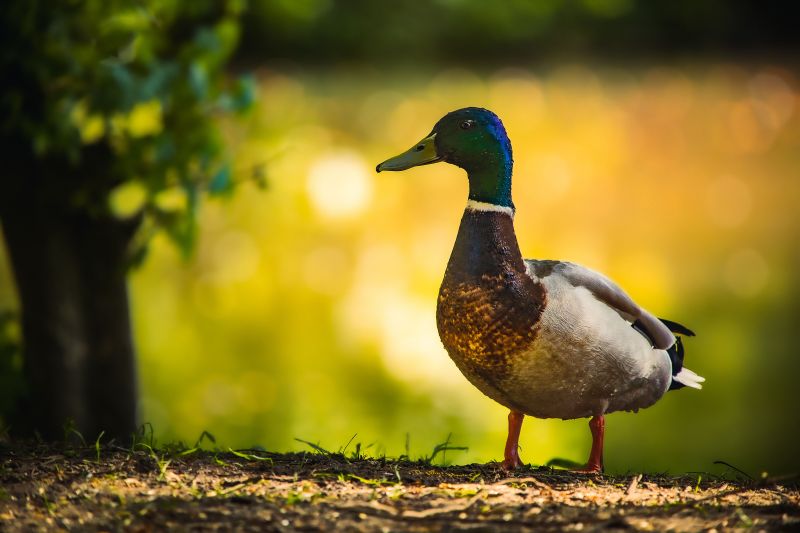
Ohio is a hidden gem for birdwatchers, offering a diverse range of duck species. From bustling city parks to serene rural ponds, the state’s varied habitats are a magnet for these fascinating birds.
Ducks are more than just a delightful sight; they play essential roles in our ecosystems. They help keep insect populations in check, spread plant seeds, and contribute to the health of aquatic habitats. Watching these waterfowl in action can offer valuable insights into nature’s intricate balance.
Whether you’re an experienced birdwatcher or just starting out, Ohio’s duck population provides ample opportunities for discovery. Each species brings its own charm and behavior, making every sighting a special event.
Common Duck Species in Ohio
Ohio’s diverse landscapes are a haven for a variety of common duck species. Each duck brings its own unique charm, making birdwatching in the state a rewarding experience. Here’s a closer look at some of Ohio’s most frequently seen ducks.
Mallard
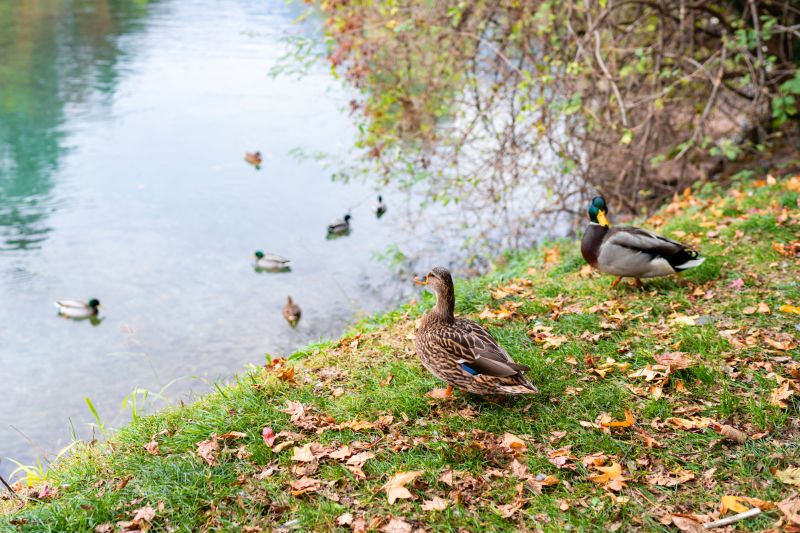
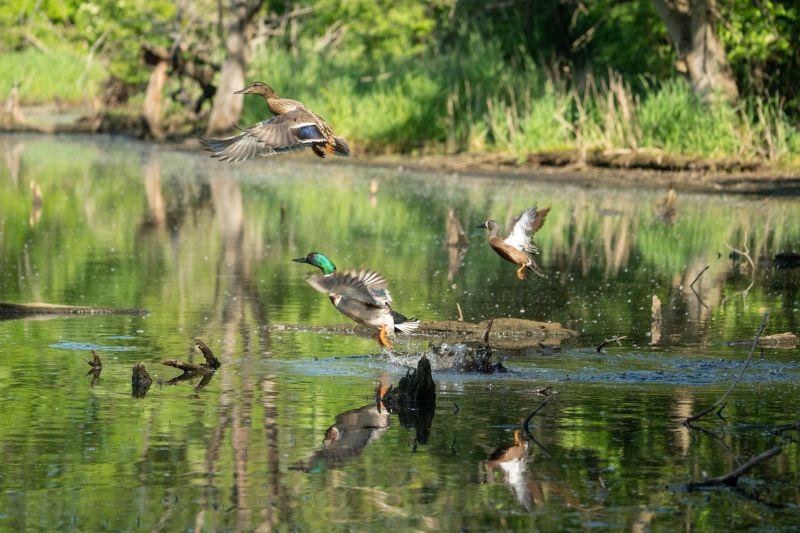
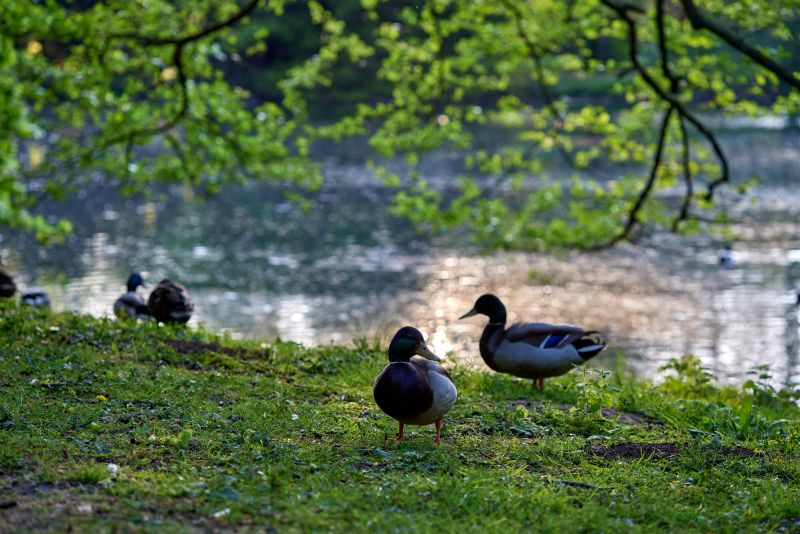
The Mallard is the most familiar duck in Ohio. Males are recognized by their striking green heads, bright yellow bills, and distinctive quacks. Their vibrant plumage contrasts with the female Mallard’s mottled brown feathers.
Mallards are highly adaptable and can be spotted in urban parks, rural ponds, and along riverbanks. Their ability to thrive in various environments makes them a staple of Ohio’s avian scene.
Northern Pintail
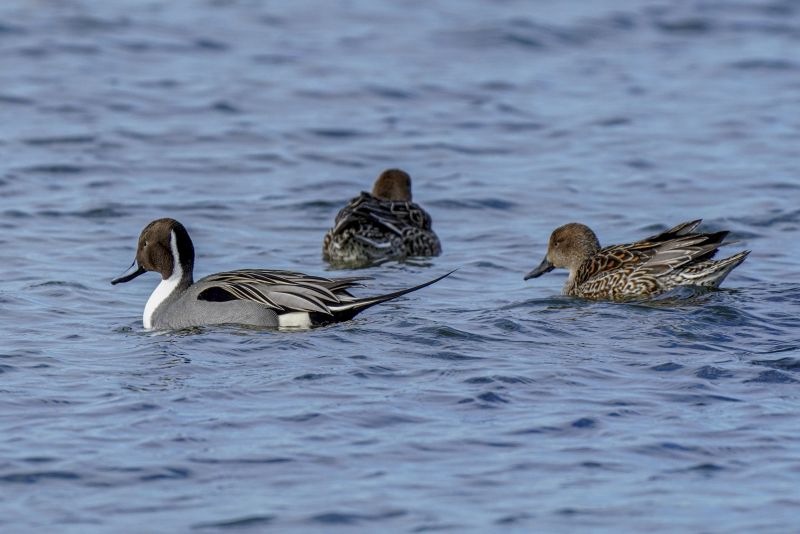
Northern Pintails are admired for their elegance and grace. Males have a distinctive long, pointed tail and a sleek, chestnut-colored head, complemented by a white neck and a brownish-gray body. Though less colorful, females are equally graceful with their soft brown plumage.
These ducks are often seen dabbling in shallow wetlands and ponds, foraging for aquatic plants and insects.
Wood Duck
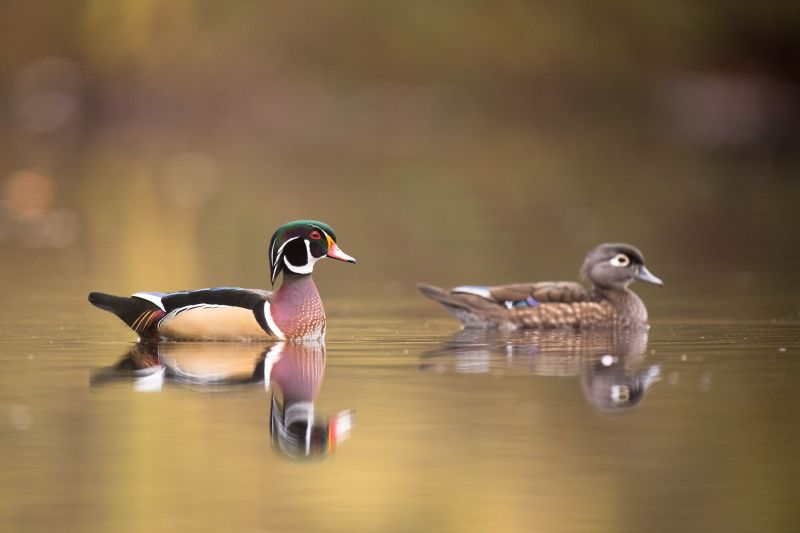
The Wood Duck is one of Ohio’s most colorful and striking waterfowl. Males are adorned with a dazzling array of colors, including iridescent greens, purples, and blues, as well as unique patterns. Females have a more subtle appearance with their soft gray and brown tones, but they are equally captivating with their large, white eye-ring.
Wood Ducks prefer wooded swamps and ponds with plenty of cover and often nest in tree cavities. Their vibrant plumage and distinctive calls make them a favorite among birdwatchers.
American Black Duck
The American Black Duck is robust and versatile, with a deep, rich brown color that helps it blend into wetland environments. Males and females both sport a dark appearance, but males have a slightly darker head.
These ducks are commonly found in larger wetlands and estuaries, and their diet consists of aquatic plants, seeds, and small invertebrates. Their deep quacks and distinctive feeding habits make them easier to identify and a delightful sight for observers.

Migratory Duck Species
Ohio serves as a crucial stopover and wintering ground for various migratory duck species. These ducks journey across vast distances, and their visits add an exciting element to birdwatching in the state. Here’s a closer look at some of the migratory ducks you might encounter in Ohio.
Canvasback
Canvasbacks are known for their striking appearance and are a highlight for many birdwatchers. The males feature a distinctive reddish-brown head with a contrasting black bill and a white body, making them quite eye-catching. Females are more subdued in color but have a subtly attractive brown hue.
Canvasbacks prefer large, open lakes and marshes where they dive for aquatic plants and small fish. Their migration patterns bring them to Ohio primarily in winter and early spring, providing bird enthusiasts with an excellent opportunity to observe these beautiful ducks.

Redhead
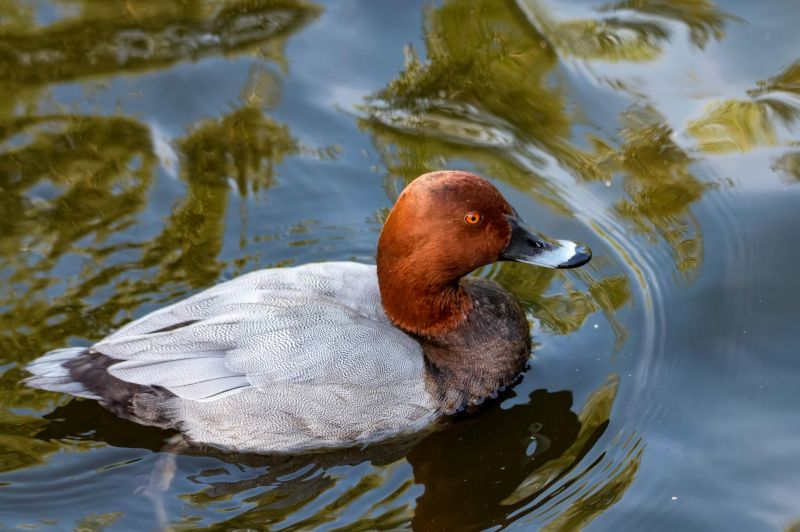
Redheads are another notable migratory species that add a splash of color to Ohio’s winter landscape. Males are distinguished by their bright red head, grayish body, and dark bill. Females have a more muted brown appearance but are still easily identifiable by their distinctive head shape.
Redheads favor shallow lakes and marshes, where they feed on seeds, aquatic plants, and insects. Their migration through Ohio occurs during the colder months, offering birdwatchers a chance to see these striking ducks up close.
Lesser Scaup
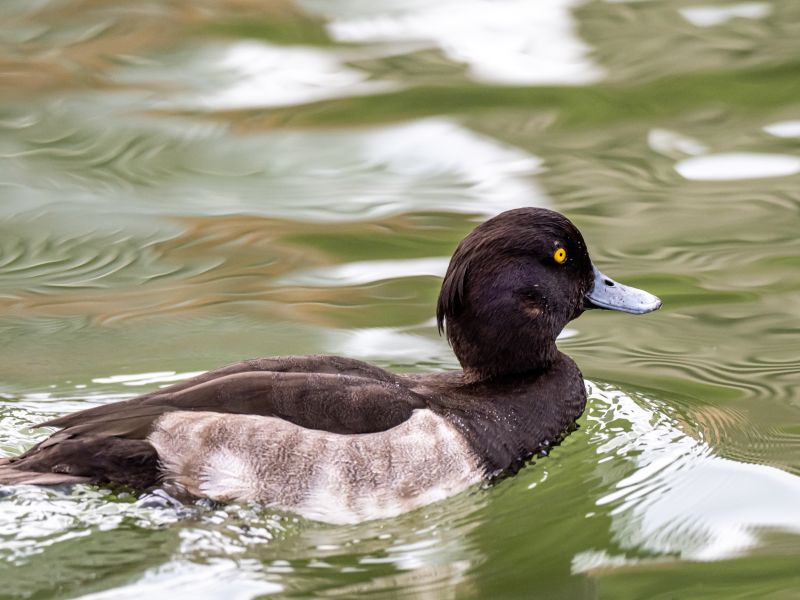
Lesser Scaups are known for their sleek, elegant appearance and are a frequent sight in Ohio during migration. Males have a distinctive black head with a purple sheen, white body, and dark bill, while females are more subtly colored with a dark brown head and lighter body.
These diving ducks are often seen in large flocks on lakes and reservoirs. They dive for food, primarily feeding on aquatic plants and small invertebrates. Lesser Scaups visit Ohio in the fall and winter, making them a seasonal highlight for birdwatchers seeking a glimpse of these dynamic waterfowl.
Rare and Less Common Ducks
In addition to the common duck species, Ohio occasionally hosts a few rare and less common ducks that are a special treat for dedicated birdwatchers. These elusive waterfowl might not be seen as frequently, but their rare appearances make spotting them a memorable experience.
Harlequin Duck
The Harlequin Duck is a striking and colorful sea duck that can captivate any birdwatcher’s attention. Males are adorned with a unique combination of blue, chestnut, and white plumage, featuring bold patterns and bright colors. Females, while less vibrant, are still distinctive with their soft brown hues and a more subdued appearance.
Although Harlequin Ducks are rare in Ohio, they may occasionally appear along the Lake Erie shorelines during the winter months. Their distinctive markings and behavior make them a sought-after sight for those willing to put in the effort to find them.

Surf Scoter
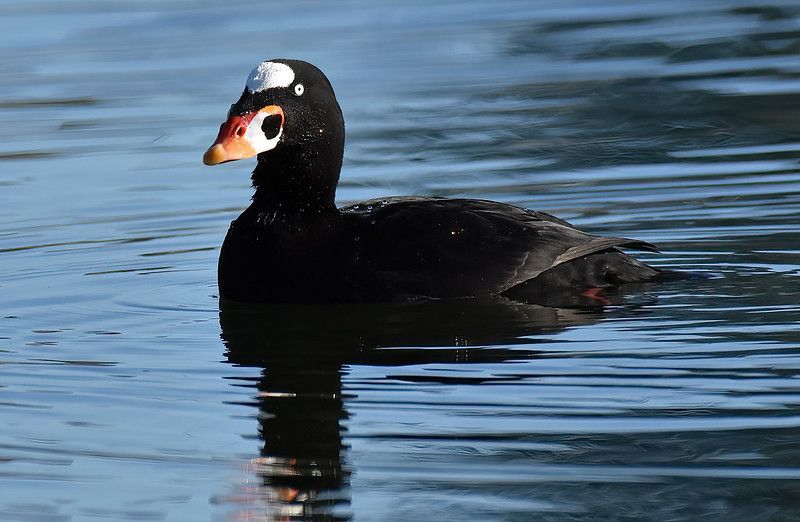
The Surf Scoter is another rare visitor that adds excitement to the Ohio birdwatching scene. Males are easily identifiable with their striking orange and white bill and contrasting black and white plumage. Females, though more understated with their dark brown coloring and large bill, are still intriguing.
Surf Scoters are primarily sea ducks and are rarely seen inland. However, they may make appearances in Ohio’s larger lakes and reservoirs during migration periods. Their bold bill and unique coloring make them a remarkable find for bird enthusiasts.
Best Locations for Duck Watching in Ohio
Ohio offers numerous prime spots for duck watching, each providing unique opportunities to observe various duck species. From tranquil lakes to expansive wildlife refuges, these locations are perfect for avid birdwatchers and casual observers alike.
Local Lakes and Ponds
Local lakes and ponds across Ohio are excellent places to spot a range of duck species. Areas such as Hoover Reservoir near Columbus and Alum Creek Lake offer ideal habitats for both common and migratory ducks. These locations feature a mix of open water and surrounding vegetation, providing ducks with ample food sources and cover.
Early morning or late afternoon are the best times to visit, as ducks are most active during these periods. Be prepared with binoculars and a field guide to enhance your viewing experience.
Wildlife Refuges
Ohio’s wildlife refuges are some of the best places to encounter diverse duck species. The Ottawa National Wildlife Refuge near Lake Erie is renowned for its extensive wetlands and rich birdlife. Here, you can find both common and rare duck species, particularly during migration seasons. Another notable spot is the Killbuck Marsh Wildlife Area, which features a variety of habitats, including marshes, wet meadows, and woodlands.
These refuges provide protected environments where ducks can thrive and are often equipped with observation platforms and trails for better viewing. Visiting during migration periods or winter months can increase your likelihood of seeing a wide range of duck species.
Large Reservoirs and River Systems
Large reservoirs and river systems also offer excellent duck-watching opportunities. The Scioto River, flowing through central Ohio, and the Muskingum River, with its vast expanse and diverse habitats, are both prime locations.
These waterways provide critical habitats for ducks, especially during migration. They offer plenty of space for feeding and resting, making them attractive spots for observing both common and migratory ducks. Exploring different sections of these rivers or visiting their confluences with larger lakes can yield exciting sightings.
Each location presents a unique environment, allowing birdwatchers to experience Ohio’s rich duck diversity in various settings.
Conservation Efforts and Challenges
Habitat Preservation
Preserving duck habitats is crucial for maintaining Ohio’s diverse duck populations. Conservation groups and local organizations are actively working to protect and restore wetlands, lakes, and other critical areas.
These efforts help ensure that ducks have the necessary breeding, feeding, and migration resources. Getting involved with local conservation initiatives or supporting organizations dedicated to wetland preservation can make a difference.
Threats to Duck Populations
Duck populations face several challenges, including habitat loss, pollution, and climate change. Urban development and agriculture often encroach on wetland areas, reducing the space available for ducks. Pollution from runoff can contaminate water sources, affecting duck health and food supplies. Additionally, climate change impacts water levels and migratory patterns, creating further obstacles for these birds.
Addressing these threats requires ongoing conservation work and awareness to safeguard duck populations for future generations.
Conclusion
Ohio’s diverse duck species offer a rich and rewarding birdwatching experience. From common ducks to rare visitors, the state’s waters are alive with avian activity. Conservation efforts are crucial to protect these species and their habitats, and ensure that future generations can enjoy the beauty and diversity of Ohio’s duck populations.
Whether you’re an avid birdwatcher or a casual observer, every sighting contributes to our understanding and appreciation of these remarkable birds..