
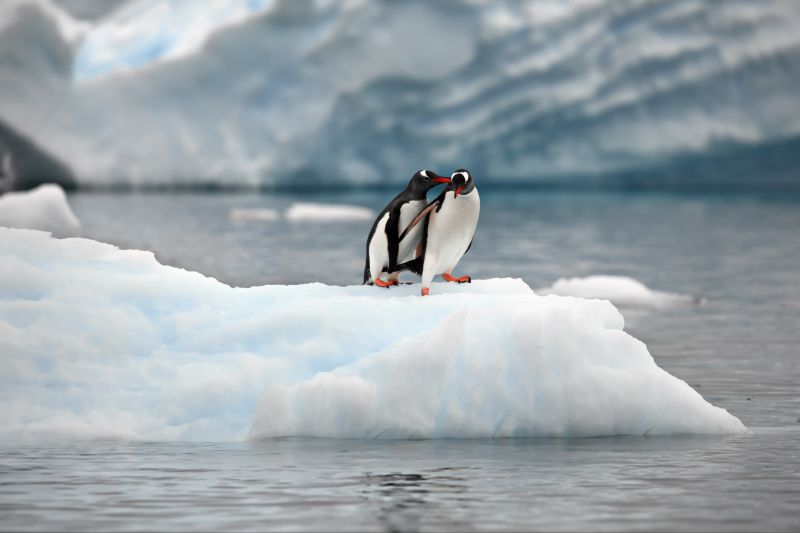
Let’s delve into the fascinating world of penguin mating habits. Penguins are not just charming to watch; their behaviors are truly intriguing. Understanding these behaviors helps us appreciate these remarkable birds even more. Plus, it gives us insight into their survival strategies.
Penguins have unique and complex mating rituals. Their actions and choices during the mating season are both captivating and critical for their species. By observing and learning about these rituals, we can gain a deeper respect for these resilient creatures.
The Mating Rituals of Penguins
Courtship Behaviors
Penguin courtship is a delightful spectacle. One of the most common behaviors is flipper patting. Males gently tap their flippers against potential mates, signaling interest and affection. It’s a charming sight that warms the heart.
Vocalizations also play a crucial role. Penguins use distinct calls to attract mates. Each species has its own unique sounds. These calls help individuals recognize and bond with each other. It’s like nature’s own love song.
Nest building is another vital part of courtship. Many penguins collect pebbles and other materials to construct nests. These nests serve as a demonstration of commitment and readiness for family life. A well-built nest can be very attractive to a potential mate.
Choosing a Mate
When it comes to choosing a mate, penguins are quite selective. Several factors influence their decision. Physical characteristics, such as the brightness of feathers or the size of a male’s nest, can make a significant difference.
Penguins also consider behavioral traits. A penguin that shows strong parenting skills or excellent foraging abilities can be more desirable. These traits indicate a good partner for raising chicks.
In many species, the bond can last for several breeding seasons once a mate is chosen. This enduring partnership showcases the depth of their commitment and the importance of cooperation in their harsh environments.
Observing these mating rituals is both enchanting and educational. Each action, call, and gesture has a purpose, contributing to the survival and success of these incredible birds. So next time you watch penguins, remember there’s much more happening beneath the surface of their interactions.
Monogamous Relationships in Penguins
Definition of Monogamy in the Animal Kingdom
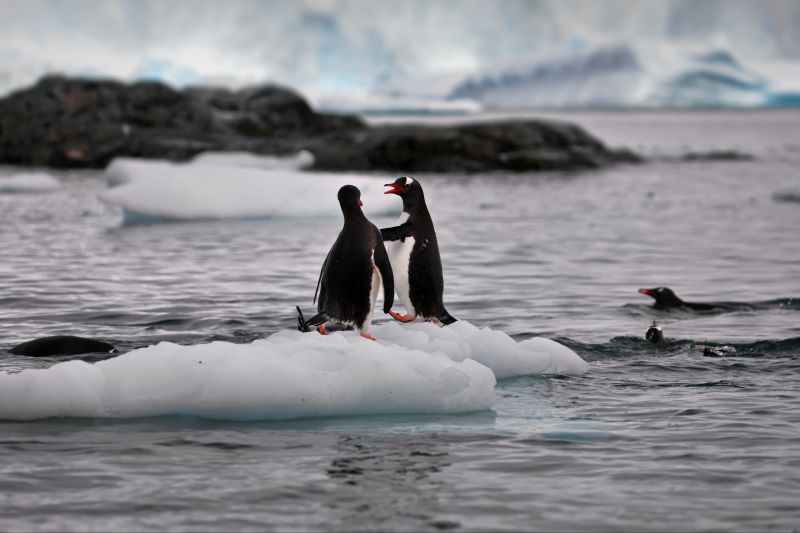
Monogamy in the animal kingdom means forming a pair bond with one mate for a season or even a lifetime. For penguins, this bond often goes beyond a single breeding season. It involves cooperation in nest building, chick rearing, and foraging. Monogamous relationships enhance survival rates, providing stability and shared responsibilities.
Species of Penguins Known for Monogamous Relationships
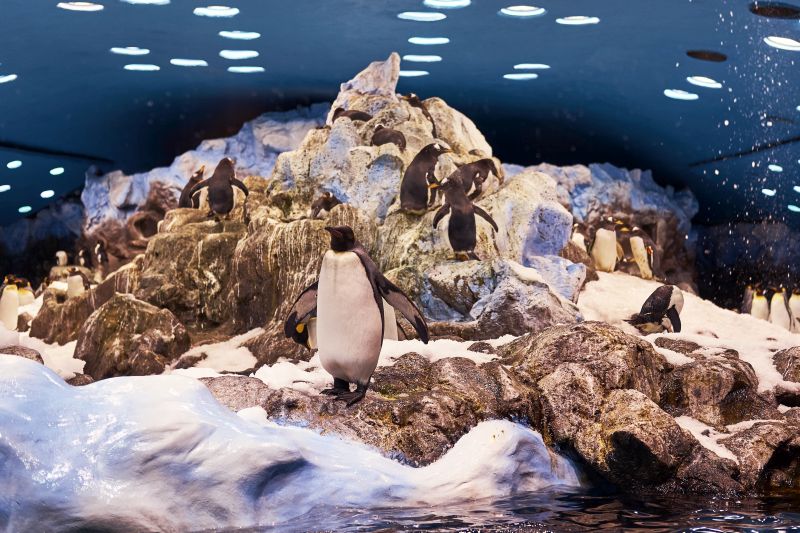
Several penguin species are well-known for their monogamous behaviors. Emperor penguins are perhaps the most famous. They endure harsh Antarctic winters together, taking turns incubating their single egg on their feet while the other parent forages for food.
Adélie penguins also form strong pair bonds. They return to the same breeding grounds each year and often reunite with the same partner. These bonds help them synchronize their breeding activities, ensuring better survival rates for their chicks.
Gentoo penguins are another species that display monogamous tendencies. They build nests using stones and pebbles, and males often present these stones to females as part of their courtship. These partnerships typically last through multiple breeding seasons, fostering cooperation in raising their young.
Observing these species provides valuable insights into the benefits of monogamy. Their enduring partnerships highlight the importance of cooperation and shared efforts in raising offspring. For birdwatchers, it’s a fascinating aspect of penguin behavior that underscores the complexity and depth of their social structures.
Life-Long Partnerships
Evidence of Long-Term Pair Bonds
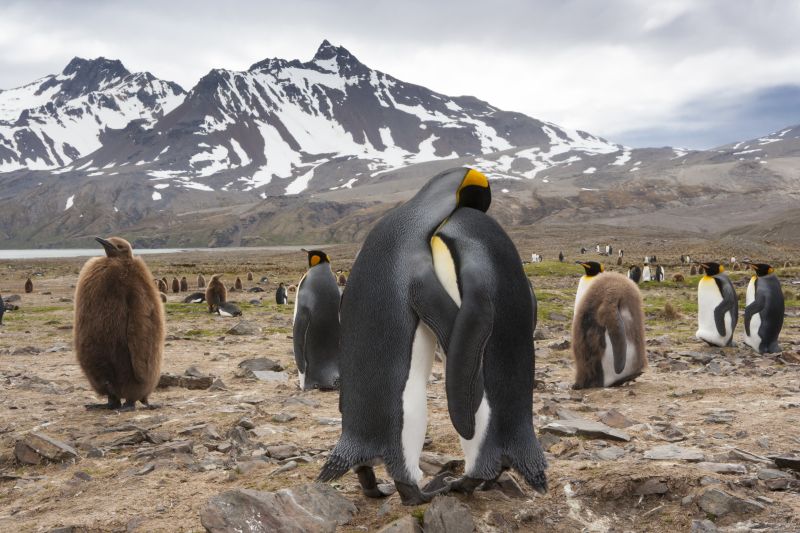
Evidence of long-term pair bonds in penguins is plentiful and compelling. Researchers have observed many penguin pairs reuniting year after year, and studies show that some pairs stay together for over a decade. This consistent pairing indicates a strong and lasting bond.
Anecdotal evidence also supports these findings. Field researchers often note the same pairs returning to familiar nesting sites. These penguins recognize each other through vocalizations and behaviors unique to their bond. Their reunions are heartwarming and reaffirm their commitment.
Benefits of Life-Long Partnerships
Life-long partnerships offer numerous benefits to penguins. One significant advantage is in raising offspring. Two committed parents can better protect and nurture their chicks. Working together increases the chances of survival for their young.
Nest protection is another crucial benefit. A stable pair can efficiently defend their nest from predators and rival penguins. This defense ensures their offspring have a safe environment to grow and thrive.
Foraging efficiency also improves with long-term pairs. Experienced partners can coordinate their foraging trips, ensuring a steady food supply for their chicks. This coordination minimizes the risks and maximizes the benefits of each foraging expedition.
Life-long partnerships showcase the depth of penguin relationships. These enduring bonds are not just about reproduction but about survival and mutual support. Observing these partnerships offers birdwatchers a glimpse into the complex and cooperative nature of penguin life.
Exceptions to Monogamy
Instances of Mate Switching
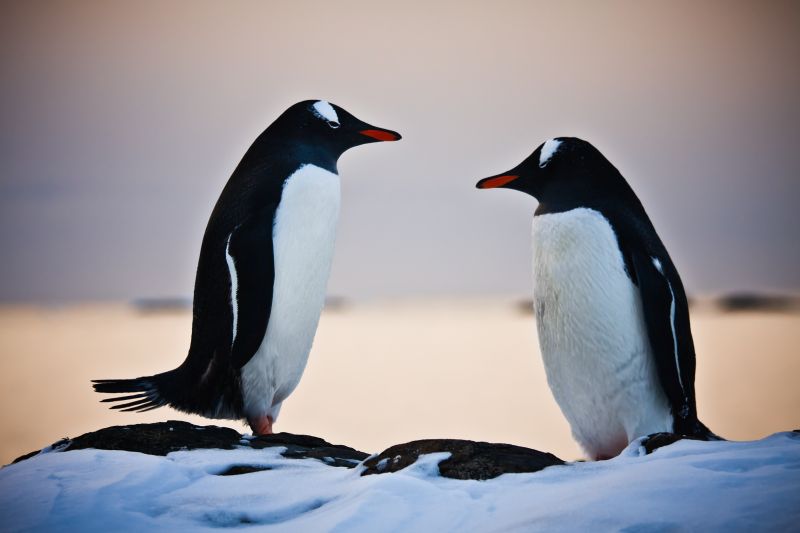
While many penguins are known for their monogamous relationships, mate switching does occur. Various factors can lead to a change in partners. One common reason is the failure of a previous breeding season. If a pair’s eggs or chicks do not survive, they may seek new partners in the next season to increase their chances of success.
Environmental changes can also prompt mate switching. If a partner does not return to the breeding grounds on time or at all, the other penguin may choose a new mate. This ensures that they do not miss the critical breeding window.
Infidelity in Penguins
Infidelity among penguins, though less common, does happen. Some penguins engage in extra-pair copulations. This behavior can be compelled by a desire to increase genetic diversity or to ensure reproductive success if their primary mate has issues.
The frequency of infidelity varies among species and individual pairs. Its impact can include disputes and increased competition. However, infidelity can sometimes lead to stronger genetic resilience in offspring, offering a unique survival advantage.
Penguins have strategies to minimize infidelity. Many engage in frequent vocal and physical displays of affection to reinforce their bond. These behaviors help deter rivals and reaffirm the pair’s commitment to each other.
Environmental Factors
Environmental factors wield considerable influence in the exceptions to penguin monogamy. Climate change, for example, affects food availability and breeding conditions. These changes can disrupt established pairs and force penguins to adapt by finding new mates.
Human activities, like pollution and habitat destruction, also impact penguin monogamy. These threats can separate pairs and challenge their ability to reunite. In such cases, finding a new partner becomes a necessary adaptation for survival.
Understanding these exceptions helps us appreciate the flexibility and resilience of penguins. While monogamy is common, penguins adapt their mating strategies to ensure their survival in changing environments. Observing these behaviors adds another layer to our knowledge of these fascinating birds.

Challenges to Penguin Monogamy
Environmental Changes
Environmental changes pose significant challenges to penguin monogamy. Climate change, for instance, has profound effects on their habitats. Melting ice and rising temperatures disrupt breeding grounds. These changes force penguins to relocate, often separating established pairs.
Food scarcity is another consequence of climate change. As ocean temperatures rise, the availability of fish and krill, essential to penguins’ diets, fluctuates. When food is scarce, penguins must travel farther and spend more time foraging. This increased distance can strain relationships and make it harder for pairs to reunite.
Human Interference
Human activities also threaten penguin monogamy. Pollution, particularly oil spills and plastic waste, contaminates their habitats. This pollution harms penguins directly and indirectly by affecting their food sources. A contaminated environment can force penguins to move, disrupting pair bonds.
Overfishing is another critical issue. Humans deplete fish stocks that penguins rely on, leading to food shortages. When penguins struggle to find enough food, their breeding success drops. The resulting stress can cause pairs to separate and seek new mates.
Predation and Mortality
Natural predators pose constant threats to penguin populations. Seals, skuas, and other predators target penguin eggs, chicks, and adults. High predation rates can lead to the loss of one partner in a pair. This loss forces the surviving penguin to find a new mate to continue breeding.
Human-caused dangers also contribute to penguin mortality. Fishing nets, boat strikes, and habitat destruction increase the risk of death for these birds. When one partner dies, the surviving penguin must adapt quickly, often forming a new pair bond.
Adapting to Challenges
Despite these challenges, penguins demonstrate remarkable resilience. They adapt their behaviors and strategies to cope with environmental changes and human interference. For instance, some penguin species adjust their breeding timing or migrate to new areas with better conditions.
Conservation efforts play a crucial role in attenuating these challenges. Protecting penguin habitats, regulating fishing practices, and reducing pollution can help preserve their monogamous relationships. By supporting these efforts, we can help penguins thrive and maintain their fascinating social bonds.
Understanding these challenges highlights the importance of conservation. It also deepens our appreciation for the resilience and adaptability of penguins. As birdwatchers, recognizing these obstacles can inspire us to advocate for and contribute to the protection of these incredible birds.
Conservation Efforts
Protecting Penguin Habitats
Protecting penguin habitats is crucial for preserving their monogamous relationships. Establishing marine protected areas can safeguard breeding grounds and feeding areas. These protected zones help ensure penguins have safe spaces to live and raise their chicks. Legislation and regulatory measures also play a vital role. Enforcing laws against illegal fishing and pollution helps maintain healthy ecosystems for penguins.
Supporting Breeding Programs
Breeding programs are another essential aspect of conservation efforts. Both in-situ (in the natural habitat) and ex-situ (in controlled environments like zoos and aquariums) programs contribute to penguin conservation. These programs focus on increasing population numbers and genetic diversity. Zoos and aquariums also serve as educational platforms, raising awareness about the challenges penguins face.
Public Awareness and Education
Public awareness and education are key to successful conservation. Ecotourism provides opportunities for people to learn about penguins in their natural habitats. Responsible ecotourism supports local economies and promotes conservation efforts. Engaging communities in conservation activities fosters a sense of stewardship. Educational programs and media campaigns can highlight the importance of protecting penguins and their environments.
Conclusion
Penguins are remarkable creatures with complex and intriguing social behaviors. Their monogamous relationships offer a glimpse into the depth of their bonds and the importance of cooperation in their survival. However, these bonds face numerous challenges from environmental changes, human interference, and natural predators.
Conservation efforts are essential to help preserve these incredible birds and their unique social structures. Protecting habitats, supporting breeding programs, and raising public awareness are vital to ensuring penguins thrive. As birdwatchers and nature enthusiasts, we have a role in advocating for and supporting these efforts.
By understanding and appreciating penguins’ challenges, we can actively participate in their conservation efforts while also enjoying the sight of these fascinating birds for generations to come. Let’s work together to protect and cherish our feathered friends and their remarkable monogamous relationships.