
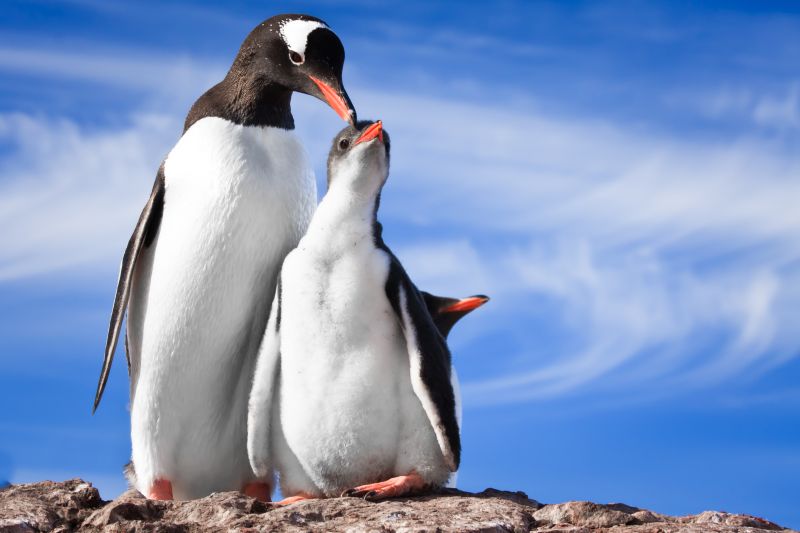
Penguins are fascinating creatures. While most people think of them as residents of icy Antarctica, they are also found in other places. From the frozen shores of the Antarctic Peninsula to the rocky coasts of New Zealand, these birds adapt well to various environments.
Tropical penguins are unique. Unlike their Antarctic cousins, they live in warmer climates and thrive in places like the Galápagos Islands and along the coast of South America. As birdwatchers, we find them particularly intriguing. Tropical penguins offer a different perspective on the adaptability and resilience of penguin species. Join us as we explore their fascinating world.
Species of Tropical Penguins
Galápagos Penguin
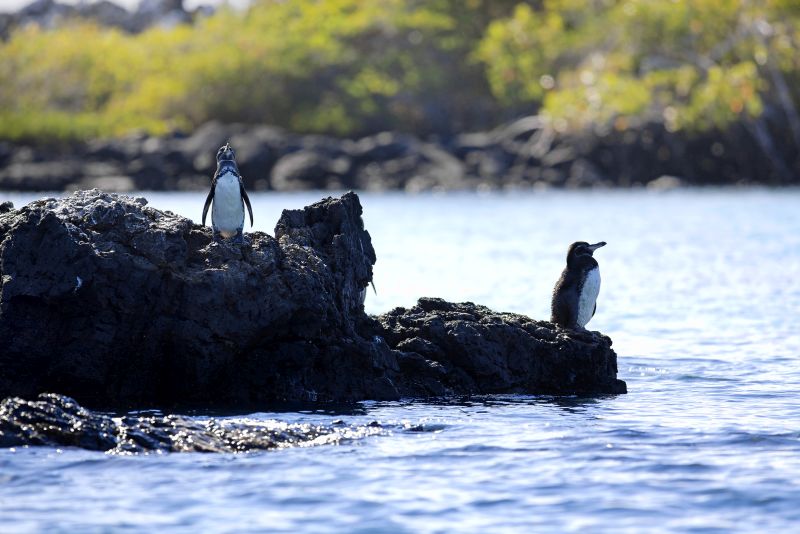
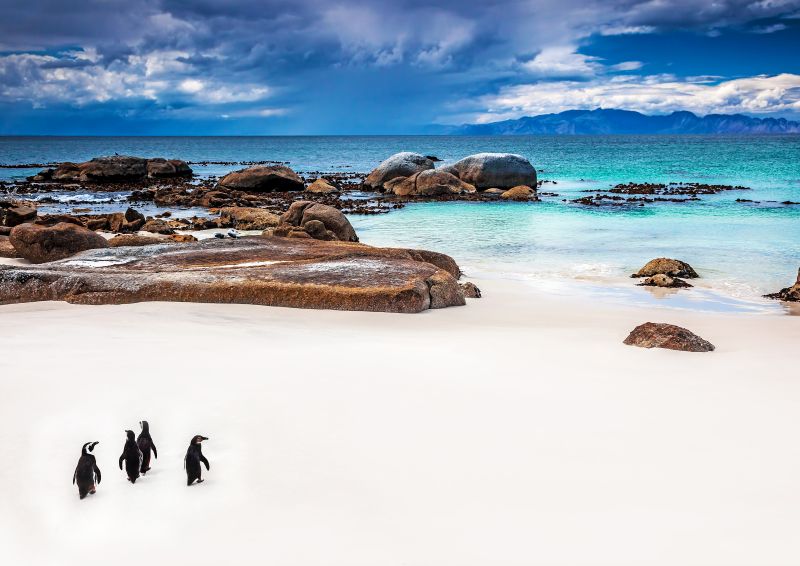
The Galápagos Penguin is the only penguin species living north of the equator. These penguins reside in the Galápagos Islands, a tropical paradise. They are small, standing about 16 to 19 inches tall. Their black and white plumage helps them blend into their rocky surroundings. The Galápagos Penguin is highly adapted to its warm environment. It uses the cool waters of the Humboldt and Cromwell currents to regulate its body temperature. This unique species faces many challenges, including climate change and human activity, but conservation efforts are underway to protect their habitat.
Humboldt Penguin
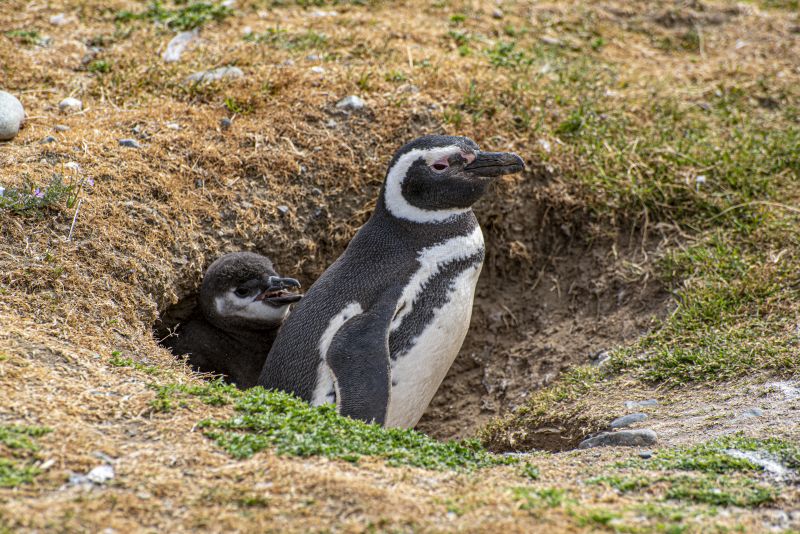
The Humboldt Penguin is named after the cold Humboldt Current, which flows along South America’s west coast. These penguins are found in coastal Peru and Chile. They are medium-sized, with a height of about 26 to 28 inches. Their distinctive black band across the chest and white belly make them easily recognizable. Humboldt Penguins nest in burrows or caves along the rocky coastline. They feed on small fish and squid, often diving to significant depths to catch their prey. Like their Galápagos relatives, Humboldt Penguins face threats from habitat loss and fishing activities. Conservation programs aim to safeguard their future.
Adaptations to Tropical Climates
Physical Adaptations
Tropical penguins have evolved remarkable physical adaptations. These adaptations help them thrive in warmer climates. Their smaller body size compared to Antarctic penguins allows for better heat dissipation. Their feathers are specially adapted. They are denser and more water-resistant, helping them stay cool in the warm waters they inhabit. The exposed skin on their legs and faces also aids in releasing excess heat. Tropical penguins have less blubber compared to their colder-climate counterparts. This reduces insulation, helping them manage tropical temperatures.
Behavioral Adaptations
Behavioral adaptations play an essential role in the survival of tropical penguins. They are most active during cooler parts of the day, such as early morning or late afternoon. During the hottest times, they seek shade among rocks or burrows. This behavior helps them avoid overheating. Tropical penguins also spend a significant amount of time in the water. The water provides a cool respite from the heat. When on land, they spread their flippers to increase airflow and cool down. These behavioral strategies are essential for their survival in a challenging environment.
Challenges Faced by Tropical Penguins
Climate Change
Climate change is a significant threat to tropical penguins. Rising temperatures impact their food supply. Warmer waters cause shifts in fish populations. Penguins must travel further to find food. This increases energy expenditure and reduces breeding success. Changes in sea currents can also affect the availability of prey. Additionally, extreme weather events, such as El Niño, disrupt the delicate balance of their ecosystems. These changes can lead to food shortages, impacting the health and survival of tropical penguin populations.
Habitat Loss
Habitat loss poses another critical challenge. Human activities like coastal development and tourism encroach on penguin nesting areas. Penguins rely on specific coastal environments for breeding and rearing their young. Disturbances from human presence can cause stress and disrupt breeding. Pollution, including plastic waste and oil spills, contaminates their habitats. This leads to the ingestion of harmful substances and the degradation of nesting sites. Habitat destruction reduces the available space for penguins to live and thrive, putting their populations at risk.
Conservation Efforts
International Conservation Programs
International conservation programs play a vital role in protecting tropical penguins. Organizations like the World Wildlife Fund and the Galápagos Conservancy work tirelessly to safeguard these unique birds. These programs focus on habitat protection, research, and public awareness. For example, in the Galápagos Islands, strict regulations limit human activity in penguin habitats. Marine reserves are established to protect the feeding grounds of these birds. International collaborations also help monitor penguin populations and track their health and migration patterns.
Local Community Involvement
Local community involvement is crucial for the success of conservation efforts. In areas where tropical penguins live, residents and local authorities often participate in protecting these birds. Community-led initiatives include beach cleanups to remove plastic waste and other pollutants from penguin habitats. Education programs promote awareness about the importance of penguins and the threats they face. Locals are encouraged to participate in ecotourism practices that are sustainable and non-intrusive. By involving communities, conservation efforts gain stronger support and become more effective. This local engagement ensures a safer environment for tropical penguins and fosters a sense of stewardship among residents.
Unique Behaviors and Characteristics
Feeding Habits
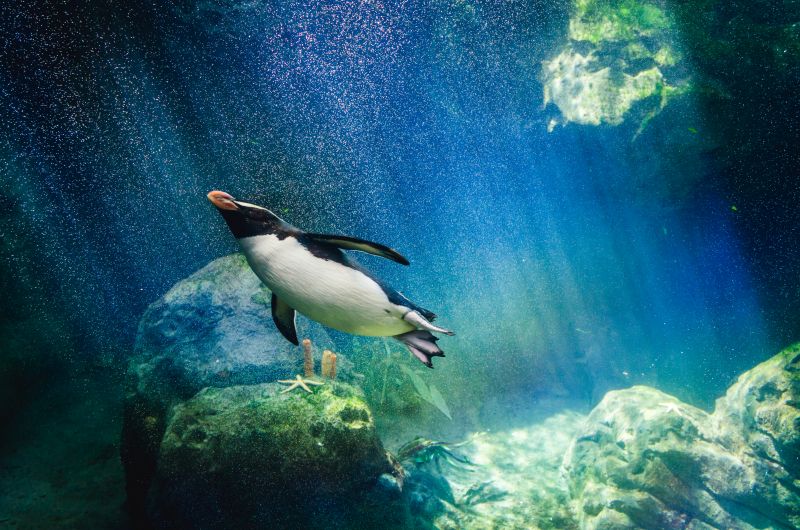
Tropical penguins have fascinating feeding habits. They primarily hunt small fish and squid, diving into the cool ocean currents that flow through their habitats. Their hunting techniques are agile and efficient. Penguins often dive to significant depths, using their flippers to propel swiftly through the water. They can stay submerged for several minutes, searching for prey. These penguins rely on their keen eyesight to spot and capture their food. Their diet fluctuates depending on the season and availability of prey, showcasing their adaptability in the ever-changing marine environment.
Breeding and Nesting
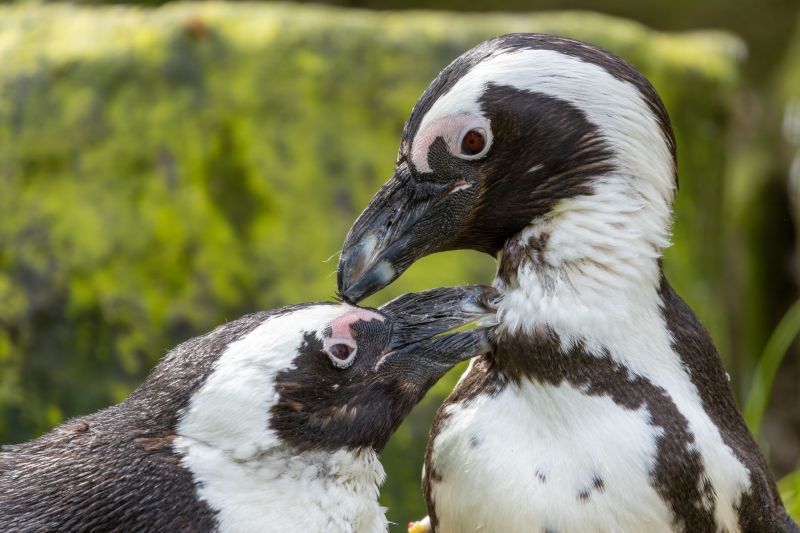
Breeding and nesting behaviors of tropical penguins are equally intriguing. Unlike their Antarctic relatives, tropical penguins nest in warmer climates, often using rocky crevices or burrows to protect their eggs from the sun. The Galápagos Penguin, for example, breeds throughout the year, with a peak during the cooler months. Parents share incubation duties, taking turns keeping the eggs warm and safe. After hatching both parents nurture and feed their chicks until they are ready to fend for themselves. The cooperative nature of their breeding process highlights the strong family bonds within tropical penguin colonies. These behaviors ensure the survival of their young in a challenging environment.
Human Interaction and Impact
Ecotourism
Ecotourism offers both opportunities and challenges for tropical penguins. On the positive side, ecotourism can promote conservation awareness. Visitors learn about these unique birds and their habitats, fostering a sense of appreciation and responsibility. Revenue from ecotourism can fund conservation projects and provide economic benefits to local communities. However, increased human presence can disturb penguin nesting sites. Tourists may unknowingly cause stress to the birds, affecting their breeding success. Strict guidelines and responsible tourism practices are essential to ensure ecotourism benefits penguins without harming their delicate ecosystems.
Conservation Awareness
Raising conservation awareness is crucial for the protection of tropical penguins. Education programs and campaigns inform the public about the challenges these birds face. Schools, communities, and online platforms play a significant role in spreading knowledge. Conservation groups work to highlight the impacts of climate change, pollution, and habitat destruction. Understanding these issues makes people more likely to support and engage in conservation efforts. Advocacy for policy changes and sustainable practices can lead to better protection for penguin habitats. Public awareness and involvement are key to creating a safer, healthier environment for tropical penguins.
Conclusion
Tropical penguins are truly remarkable creatures. They have adapted to thrive in environments that differ vastly from the icy landscapes most associated with penguins. Their unique physical and behavioral adaptations showcase their resilience and versatility. However, these fascinating birds face significant challenges. Climate change and loss of natural habitat threaten their survival, while human activities can yield both positive and negative impacts. Ecotourism and conservation awareness offer hope for their protection.
By understanding and supporting conservation efforts, we can help ensure the future of tropical penguins. Together, we can make a difference, preserving these extraordinary species for future generations to admire and study. Let’s continue to appreciate and protect the incredible world of tropical penguins.