
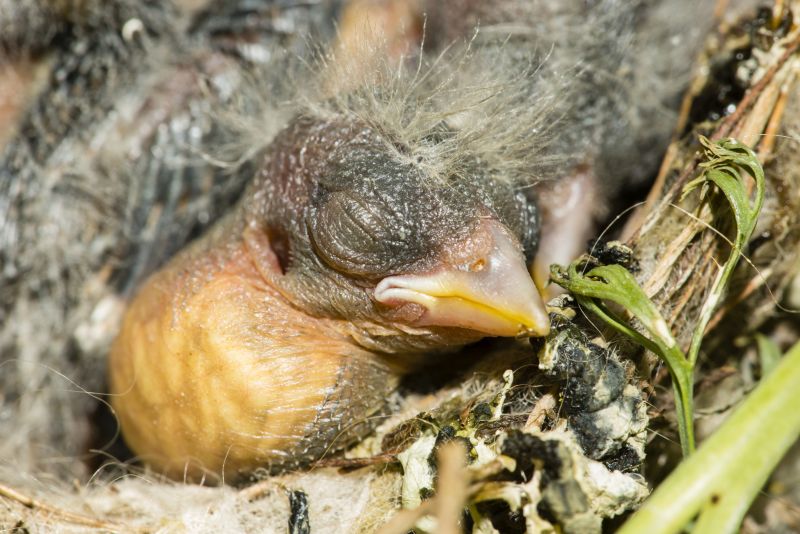
As birdwatchers, we often marvel at the activities of our feathered friends. Yet, one question frequently arises: when do birds sleep and wake up? Understanding their sleep patterns not only satisfies our curiosity but also deepens our appreciation of their daily lives.
Birds exhibit a wide range of sleep behaviors. Some are up with the sun and busy throughout the day. Others thrive in the darkness, their activities cloaked in the night. Then there are those that prefer the quiet moments of dawn and dusk.
Light, seasons, and the environment all influence bird sleep. These factors shape their routines in fascinating ways. By learning about these patterns, we can better plan our birdwatching adventures and gain new perspectives on the avian world.
In this article, we’ll explore the sleep habits of different bird species. We’ll uncover what affects their sleep and how you can observe these behaviors. Whether you’re a seasoned birder or a curious beginner, there’s always something new to learn when birds sleep and wake up. Let’s embark on this journey together.
General Sleep Patterns of Birds
Birds, like humans, have varying sleep patterns. Understanding these patterns can enhance your birdwatching experience. Here’s a look at the general sleep habits of different types of birds.
Diurnal Birds
Diurnal birds are active during the day. They wake up with the sunrise and go to sleep at sunset. Examples include robins, sparrows, and finches. These birds take advantage of daylight for foraging and other activities. At night, they find safe spots to roost, avoiding predators.
Nocturnal Birds
Nocturnal birds come alive after dark. Owls, nightjars, and certain species of bats fall into this category. These birds sleep during the day and hunt or forage at night. Their adaptations, like enhanced night vision and silent flight, help them thrive in the dark. They find secure places to rest during daylight hours.
Crepuscular Birds
Crepuscular birds are primarily active during dawn and dusk. Swallows and some species of nighthawks are crepuscular. They take advantage of the low light conditions during these times, reducing competition for food and helping them avoid predators. These birds have special adaptations that allow them to be efficient in dim light.
Understanding these general sleep patterns can help you plan your birdwatching activities. Knowing when birds are most active allows you to observe their natural behaviors more effectively.

Factors Influencing Bird Sleep
Various factors influence bird sleep patterns. These elements shape when and how birds rest. Understanding these can help you anticipate bird behavior.
Light and Darkness
Light plays a crucial role in bird sleep. Diurnal birds wake up at sunrise and sleep at sunset, while nocturnal birds do the opposite, becoming active at night. Artificial light can disrupt these patterns. Urban areas with bright lights may confuse birds, affecting their sleep cycles.
Seasonal Changes
Seasons bring changes in daylight and temperature, which impact bird sleep. In summer, longer days mean more activity for diurnal birds. In winter, shorter days lead to longer rest periods. Migration also affects sleep. Birds traveling long distances may adjust their sleep to conserve energy.
Environmental Factors
Weather and habitat significantly influence bird sleep. Birds in cold climates may roost together for warmth. In harsh weather, birds may sleep more to conserve energy. Habitat safety is crucial. Birds choose secure locations to avoid predators while they rest.
Understanding these factors allows you to better predict when birds are active. This knowledge enhances your birdwatching experience, allowing you to observe them at their most dynamic.

Sleep Behavior of Different Bird Species
Bird species exhibit a wide range of sleep behaviors. These behaviors are adapted to their specific needs and environments. Here’s a closer look at how different bird species sleep.
Songbirds
Songbirds, like robins and sparrows, have interesting sleep habits. They usually sleep perched in trees or shrubs. Their feet lock onto branches, preventing them from falling while asleep. Some songbirds enter a state of light sleep, staying alert to potential threats. They may also use communal roosting, gathering in groups to stay warm and safe.
Waterfowl
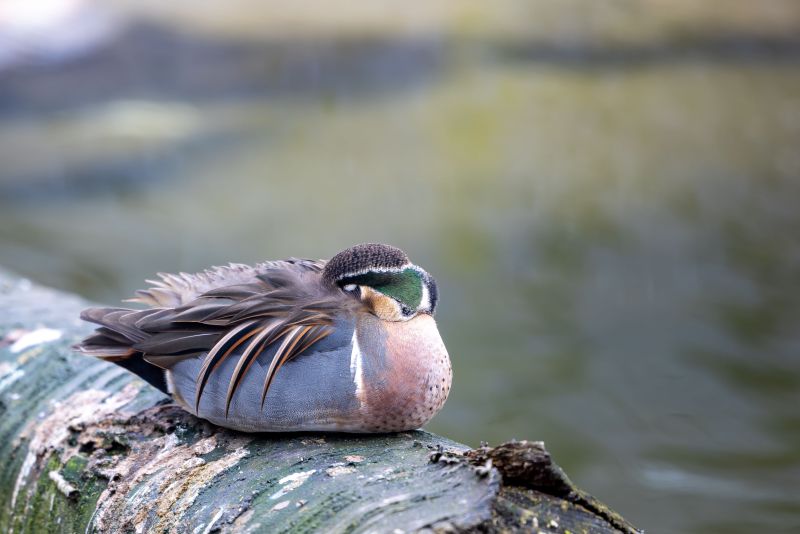
Waterfowl, including ducks and geese, have unique sleep patterns. They often sleep on water, which provides safety from land predators. Some waterfowl can sleep with one eye open, a method known as unihemispheric slow-wave sleep. This allows one hemisphere of their brain to rest while the other remains alert. They can detect danger and react quickly, even while partially asleep.
Birds of Prey
Birds of prey, which includes eagles, owls, and hawks, have varied sleep behaviors. Diurnal raptors like hawks and eagles sleep at night, usually perched in high, secure locations. Nocturnal raptors, like owls, sleep during the day. They find sheltered spots in trees or cliffs. Their sleep is often deep, conserving energy for their hunting activities at night.
Understanding these sleep behaviors can enrich your birdwatching experiences. Knowing where and how different species sleep helps you locate them during their resting periods. It also offers a deeper appreciation of their adaptations and survival strategies.

How Birds Sleep
Birds have developed fascinating adaptations for sleep. Their sleep habits vary widely, influenced by their environment and needs. Here’s an in-depth look at how birds sleep.
Sleeping Postures
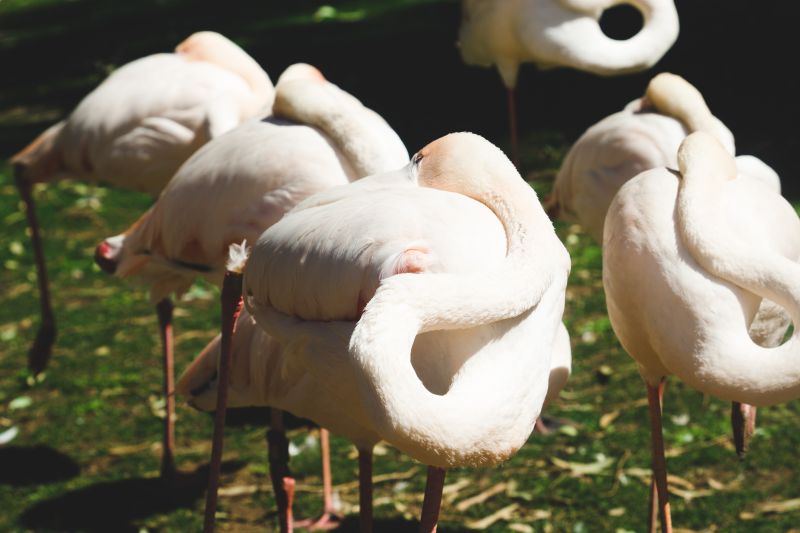
Birds have unique sleeping postures. Many perch on branches or wires, and their feet have a locking mechanism that prevents them from falling while asleep. Some birds, like ducks, sleep on the water. They tuck their heads under their wings or rest them on their backs. Ground-dwelling birds may sleep standing or lying down, depending on the species.
Sleep Locations
Birds choose their sleep locations based on safety and comfort. Songbirds often roost in dense foliage or tree cavities, because they provide protection from predators and harsh weather. Waterfowl sleep on the water, where they are less accessible to land predators. Birds of prey select high, sheltered perches, often in trees or on cliffs.
REM and Non-REM Sleep
Birds experience two types of sleep: REM (Rapid Eye Movement) and non-REM sleep. During REM sleep, birds may experience dreams, similar to humans. This phase is crucial for memory and learning. Non-REM sleep is deeper and more restful. Birds, like waterfowl, can also engage in unihemispheric slow-wave sleep. This means one half of the brain rests while the other remains alert, enabling them to stay vigilant even while asleep.
Understanding how birds sleep adds another layer to your birdwatching knowledge. Observing their sleep behaviors can be as fascinating as watching them in action. It highlights the incredible adaptations that help birds thrive in their diverse environments.
How to Observe Bird Sleep Patterns
Observing bird sleep patterns can be a rewarding aspect of birdwatching. It offers unique insights into their behavior and adaptations. Here are some tips to help you observe bird sleep patterns effectively.
Best Times for Observation
The best times to observe bird sleep patterns vary with the species. Diurnal birds are most likely to be seen settling down at dusk or waking up at dawn. For nocturnal birds, like owls, watch them as they become active at night. Crepuscular birds, active at dawn and dusk, offer two ideal times for observation. Plan your birdwatching trips around these times for the best chances of seeing birds in their sleep routines.
Equipment and Techniques
Having the right equipment is crucial. A good pair of binoculars helps you observe birds from a distance without disturbing them. A spotting scope is handy for observing birds sleeping in high or distant locations. A field notebook or an app can help you record your observations. Note the time, location, and behavior of the birds you observe.
Respect and Patience
Respect the birds’ need for rest. Avoid getting too close or making loud noises that might disturb them. Be patient. Birds may take time to settle into their sleep routines, especially if they sense potential threats. Observing from a distance and using camouflage techniques can help you watch without interfering.
Identifying Sleep Signs
Learn to identify signs of sleep. Look for birds with their heads tucked under their wings or resting on their backs. Birds that appear motionless with closed eyes are likely asleep. Note their posture and location, as these can vary widely between species.
Observing bird sleep patterns gives you a deeper understanding of their daily lives. This knowledge enhances your appreciation of their behavior and adaptations. With patience and respect, you can enjoy this lesser-seen aspect of birdwatching.
Conclusion
Understanding when birds sleep and wake up enriches our birdwatching experiences. We gain insights into their behaviors and adaptations by learning about their diverse sleep patterns. Light, seasons, and environmental factors all influence their sleep. From songbirds to waterfowl, different species exhibit unique habits and strategies for resting safely.
Observing bird sleep requires patience, respect, and the right equipment. Whether watching diurnal birds settling down at dusk or nocturnal birds awakening at night, these moments offer a new perspective on the avian world. By respecting their need for rest and observing from a distance, we can enjoy the serene and fascinating sight of birds at rest.
Bird sleep patterns reveal the complexity and adaptability of these creatures. As birdwatchers, understanding these patterns not only deepens our knowledge but also enhances our appreciation for the intricate lives of birds. Keep exploring, observing, and discovering the wonders of bird behavior, both day and night.
FAQ
What time do most birds wake up?
Most diurnal birds wake up at dawn, taking advantage of the early light to start their day. Nocturnal birds wake up at dusk to begin their activities.
Do birds sleep at night?
Diurnal birds sleep at night, while nocturnal birds sleep during the day. Crepuscular birds may rest intermittently, taking advantage of dawn and dusk for their main activities.
Where do birds sleep?
Birds choose sleep locations based on safety and comfort. Songbirds often roost in dense foliage or tree cavities. Waterfowl sleep on water, while birds of prey select high, sheltered perches.
How can birds sleep without falling?
Birds have a unique locking mechanism in their feet that allows them to perch securely without falling, even while asleep.
Do birds dream?
Birds experience REM sleep, during which dreaming is likely to occur. This phase is essential for memory and learning.
Can birds sleep with one eye open?
Some birds, like waterfowl, can sleep with one eye open, enabling one half of their brain to rest while the other remains vigilant. This type of sleep is known as unihemispheric slow-wave sleep.
How do seasons affect bird sleep?
Seasonal changes in daylight and temperature influence the sleep patterns of birds. Longer summer days lead to more activity, while shorter winter days result in longer rest periods. Migration also impacts their sleep routines.
Can artificial light affect bird sleep?
Artificial light can disrupt bird sleep patterns, especially in urban areas. Bright lights may confuse birds, leading to altered sleep cycles and increased stress.
How can I observe bird sleep patterns without disturbing them?
Use tools like binoculars or a spotting scope to observe from a distance. Be quiet and patient, avoiding sudden movements. Respect their need for rest and never get too close.