
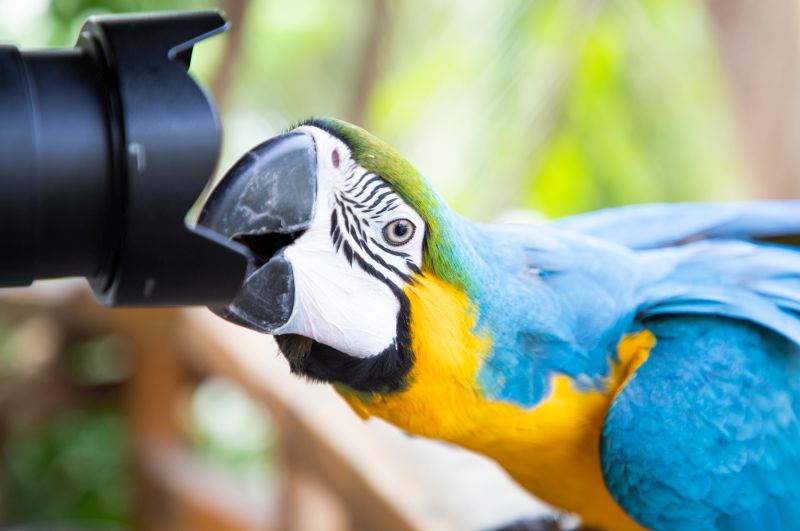
Bird photography is a wonderful hobby. It combines the joy of birdwatching with the art of capturing stunning images. The right camera can significantly impact your results. With so many options out there, choosing the best one can be overwhelming.
When selecting a camera, there are a few key features to consider. Speed and accuracy of autofocus are crucial. Birds move quickly, so you need a camera that can keep up. A good burst mode is also important. This allows you to take multiple shots in rapid succession, boosting your chances of capturing that perfect moment.
Image quality is another factor. High resolution and good performance in low light can make your photos stand out. Weather sealing is a bonus. Bird photography often involves being outdoors in unpredictable conditions. You’ll want a camera that can handle it.
Size and weight are also worth thinking about. A lighter camera is easier to carry on long hikes. However, you don’t want to sacrifice durability and performance for portability. Finding a good balance is key.
In this article, we will explore the ten best cameras for bird photography. Each has its strengths. Hopefully, you will find the one that suits your needs perfectly. Let’s dive in and discover the best options available today.

1. Canon EOS R5
Overview
The Canon EOS R5 is a top choice for bird photographers. This mirrorless camera offers impressive features, including a 45-megapixel sensor that captures incredible detail and a sturdy yet lightweight build.
Key Features
The EOS R5 shines with its autofocus system. It uses Dual Pixel CMOS AF II, providing fast and accurate focus. The camera’s 20 frames per second (fps) continuous shooting is ideal for capturing fast-moving birds. The R5 also offers excellent image stabilization. This is helpful when shooting handheld.
Pros and Cons
Pros:
- High resolution for detailed images.
- Fast and accurate autofocus.
- Excellent image stabilization.
Cons:
- Expensive.
- Battery life could be better.
Ideal User
The Canon EOS R5 is perfect for serious bird photographers. If you want high-quality images and are willing to invest in top-tier gear, this camera is for you.

2. Nikon Z9
Overview
The Nikon Z9 is a powerhouse in bird photography. This mirrorless camera offers outstanding performance, a 45.7-megapixel sensor, and a robust, weather-sealed body.
Key Features
The Z9 features a highly advanced autofocus system that effortlessly tracks birds. The camera’s 120 fps burst mode is unmatched, ensuring you never miss a moment. The Z9 also excels in low-light conditions. Its ISO range and noise reduction are top-notch.
Pros and Cons
Pros:
- Exceptional autofocus and burst mode.
- Great low-light performance.
- Sturdy and weather-sealed.
Cons:
- Very expensive.
- Larger and heavier than some competitors.
Ideal User
The Nikon Z9 is ideal for professionals and serious enthusiasts. If you need the best performance and can handle its size and price, the Z9 will not disappoint.

3. Sony Alpha 1
Overview
The Sony Alpha 1 is a remarkable camera for bird photography. It combines high resolution with speed. This mirrorless camera has a 50.1-megapixel sensor and a compact design.
Key Features
The Alpha 1 offers a 30 fps burst rate. Its autofocus system is high-speed and accurate. The camera also supports 8K video recording. This is great for those who like to capture birds in motion. The Alpha 1 is lightweight and portable, making it easy to carry around.
Pros and Cons
Pros:
- High resolution and fast burst rate.
- Superb autofocus.
- Lightweight and portable.
Cons:
- Very expensive.
- Complex menu system.
Ideal User
The Sony Alpha 1 is suited for bird photographers who want the best of both worlds: high resolution and speed. If you’re looking for top performance in a compact package and don’t mind the cost, this is the camera for you.

4. Olympus OM-D E-M1X
Overview
The Olympus OM-D E-M1X is a versatile camera, perfect for bird photography. It is known for its rugged build and advanced features. The 20.4-megapixel Micro Four Thirds sensor delivers excellent image quality.
Key Features
This camera has an impressive autofocus system with subject tracking. It offers up to 60 fps continuous shooting in silent mode, which is fantastic for capturing birds in action. The OM-D E-M1X also features industry-leading image stabilization, making handheld shooting a breeze.
Pros and Cons
Pros:
- Excellent image stabilization.
- Fast burst shooting.
- Rugged and weather-sealed body.
Cons:
- Smaller sensor compared to full-frame cameras.
- Higher price for a Micro Four Thirds system.
Ideal User
The Olympus OM-D E-M1X is great for photographers who value speed and stabilization. It’s especially suited for those who shoot in challenging outdoor conditions and want a durable camera.

5. Canon EOS-1D X Mark III
Overview
The Canon EOS-1D X Mark III is a professional-grade DSLR, ideal for bird photography. Its 20.1-megapixel full-frame sensor and robust build make it a reliable choice.
Key Features
This camera offers an advanced autofocus system with deep learning technology for better subject tracking. Its mechanical shutter allows continuous shooting at up to 16 fps. The EOS-1D X Mark III also excels in low-light conditions, thanks to its high ISO range and noise reduction capabilities.
Pros and Cons
Pros:
- Excellent autofocus and subject tracking.
- High-speed continuous shooting.
- Great low-light performance.
Cons:
- Very expensive.
- Heavy and bulky.
Ideal User
The Canon EOS-1D X Mark III is perfect for professional bird photographers who need top-notch performance and reliability. It’s suited for those willing to invest in a high-end DSLR.

6. Nikon D500
Overview
The Nikon D500 is a highly regarded DSLR for bird photography. Its 20.9-megapixel DX-format sensor offers excellent image quality and detail.
Key Features
The D500 features a superb 153-point autofocus system, ensuring fast and accurate focus on moving subjects. It offers 10 fps continuous shooting, making it suitable for capturing rapid bird movements. The camera’s robust build and weather sealing make it durable for outdoor use.
Pros and Cons
Pros:
- Excellent autofocus system.
- High-speed continuous shooting.
- Durable and weather-sealed.
Cons:
- Smaller sensor than full-frame models.
- Lacks some of the advanced features of newer models.
Ideal User
The Nikon D500 is ideal for enthusiasts and semi-professionals who want a reliable and fast DSLR. It’s perfect for those looking for high performance in a more affordable and durable package.

7. Sony Alpha 7R IV
Overview
The Sony Alpha 7R IV is a standout in the world of mirrorless cameras. Its 61-megapixel full-frame sensor offers unparalleled resolution, making it an excellent choice for bird photographers seeking detail-rich images.
Key Features
This camera boasts a swift and precise autofocus system with 567 phase-detection points. It provides continuous shooting at up to 10 frames per second. The Alpha 7R IV also excels in low-light conditions, thanks to its impressive ISO range. The camera’s lightweight and compact design makes it convenient to carry on long birdwatching trips.
Pros and Cons
Pros:
- Extremely high resolution.
- Fast and accurate autofocus.
- Lightweight and portable.
Cons:
- Expensive.
- High-resolution files take up more storage space.
Ideal User
The Sony Alpha 7R IV is perfect for bird photographers who prioritize image quality and detail. It’s ideal for those who want a high-resolution camera that is both portable and user-friendly in the field.

8. Fujifilm X-T4
Overview
The Fujifilm X-T4 is an exceptionally versatile and powerful mirrorless camera. Its 26.1-megapixel APS-C sensor delivers excellent image quality. The camera is known for its retro design and robust performance.
Key Features
The X-T4 features a highly effective autofocus system and offers 15 fps continuous shooting with the mechanical shutter. It also has in-body image stabilization, which is beneficial for handheld shooting. The camera’s weather-sealed body makes it suitable for outdoor photography in various conditions.
Pros and Cons
Pros:
- Effective in-body image stabilization.
- Fast continuous shooting.
- Weather-sealed and durable.
Cons:
- APS-C sensor is smaller than full-frame.
- Battery life could be better.
Ideal User
The Fujifilm X-T4 is ideal for bird photographers looking for a balance of performance and portability. It’s great for those who appreciate a classic design and need a reliable camera for outdoor use.

9. Panasonic Lumix GH5
Overview
The Panasonic Lumix GH5 is a popular choice among bird photographers. Its 20.3-megapixel Micro Four Thirds sensor provides good image quality. The camera is well-known for its robust video capabilities, making it versatile for both stills and motion.
Key Features
The GH5 features a fast autofocus system and offers 12 fps continuous shooting. It excels in video recording, with 4K 60p capabilities. The camera also includes in-body image stabilization, which is helpful for handheld shots. Its weather-sealed body ensures durability in various shooting environments.
Pros and Cons
Pros:
- Excellent video capabilities.
- Fast autofocus and continuous shooting.
- In-body image stabilization.
Cons:
- Smaller sensor compared to APS-C and full-frame.
- Performance in low light is not as strong as some competitors.
Ideal User
The Panasonic Lumix GH5 is perfect for bird photographers who also enjoy shooting video. It’s ideal for those looking for a versatile camera that performs well in a variety of conditions.
10. Pentax K-3 Mark III
Overview
The Pentax K-3 Mark III is a durable, high-performing DSLR, ideal for bird photography. It features a 25.7-megapixel APS-C sensor, offering excellent image quality and detail.
Key Features
The K-3 Mark III has an advanced autofocus system with 101 focus points, ensuring quick and accurate tracking of birds. It offers 12 fps continuous shooting, allowing you to capture fast-moving subjects. The camera is also weather-sealed, making it perfect for outdoor photography in various conditions. Additionally, it boasts excellent low-light performance, with a high ISO range and effective noise reduction.
Pros and Cons
Pros:
- Advanced autofocus system.
- Fast continuous shooting.
- Weather-sealed and durable.
Cons:
- Limited lens selection compared to some other brands.
- Slightly heavier than some mirrorless options.
Ideal User
The Pentax K-3 Mark III is perfect for bird photographers who need a reliable and durable camera. It’s ideal for those who often shoot in challenging weather conditions and want a camera that can handle it all.

Conclusion
Selecting the ideal camera for bird photography can significantly enhance your experience and results. Each of the cameras listed offers unique strengths, from high resolution and fast autofocus to excellent low-light performance and durability. Whether you’re a professional or an enthusiast, there’s a camera in this list that will meet your needs perfectly.
Remember to consider what features are most important to you. Speed, image quality, portability, and weather resistance are all key factors. Investing in the right camera will help you capture those stunning bird shots you’ve always dreamed of.