
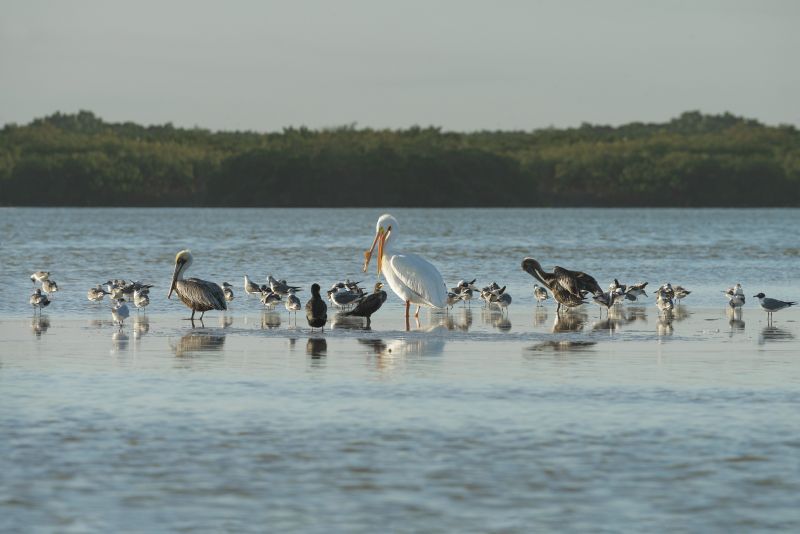
Embarking on a journey through the enchanting world of aquatic birds promises a fascinating experience. These birds, gracing our water bodies, play pivotal roles in our ecosystems. They’re not just a delight to watch; they’re crucial for maintaining the balance in nature. As we explore various lakes, rivers, and coastlines, we encounter a rich tapestry of avian life, each species weaving its own story.
Aquatic birds are diverse, ranging from the petite, nimble kingfishers to the majestic, soaring pelicans. Their adaptations to life in and around water are extraordinary. Think of the webbed feet of ducks for swimming, the long legs of herons for wading, or the specialized bills of skimmers for fishing. Each trait reflects a deep connection with their habitat, honed by millions of years of evolution.
Importance of Aquatic Birds in Ecosystems
Aquatic birds come in a dazzling variety. From the serene swans gliding on lakes to the animated ducks frolicking in ponds, each species adds a unique brushstroke to the aquatic landscape. Their presence indicates the health of our waterways and wetlands. Observing them, we not only appreciate their beauty but also understand the importance of preserving their habitats.
As we delve into the lives of these feathered wonders, we’ll discover how each species has adapted uniquely to its aquatic environment. From their feeding habits to their migratory patterns, every aspect of their lives is a testament to the marvels of nature. So, grab your binoculars, and let’s set off on this exciting avian adventure!
1. Ducks
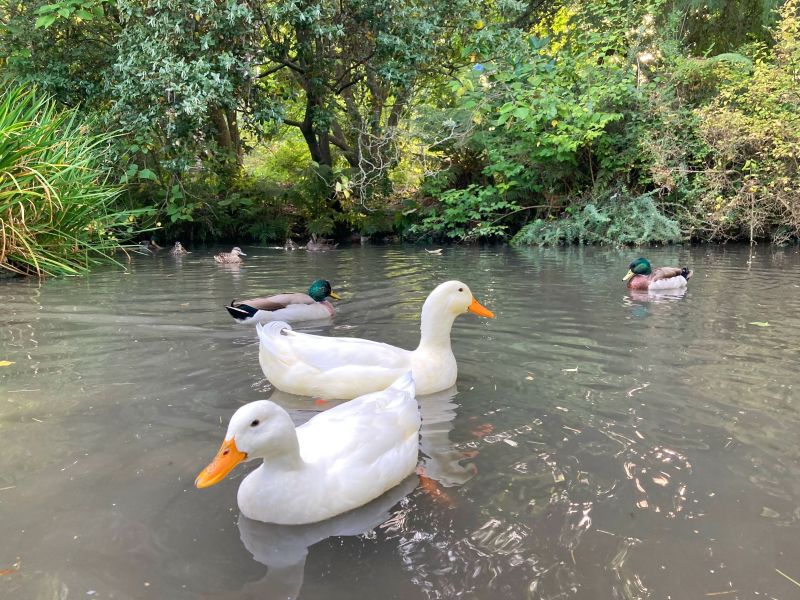
Ducks are a familiar and beloved sight in many water environments. Their playful demeanor and varied colors add vibrancy and life wherever they are found. Ducks are incredibly adaptable, making homes in lakes, rivers, and even urban ponds. This adaptability has made them one of the most recognizable and widespread aquatic birds.
Different Species of Ducks
The world of ducks is surprisingly diverse. From the elegant Northern Pintail with its slender neck to the colorful Wood Duck known for its iridescent plumage, each species has its own unique charm. Some ducks are local residents, while others are long-distance migrants, showcasing the incredible endurance of these birds.
Habitats and Behaviors
Ducks are often seen dabbling for food in shallow waters, a delightful sight for any birdwatcher. Their diet mostly consists of aquatic plants, insects, and small fish. Intriguingly, different species have different feeding techniques and preferences, reflecting their adaptation to specific environments. Observing their social interactions, especially during the mating season, is another joy of duck watching.
2. Swans
With their grace and elegance, swans are the epitome of beauty in the aquatic bird world. Their long necks and majestic glide make them a symbol of elegance and tranquility. Swans are found in fresh and saltwater environments, often in temperate regions.

Varieties of Swans
There are several species of swans, each with distinct features. The Mute Swan, known for its curved neck and orange bill, is a common sight in many parts of the world. The Trumpeter Swan, famous for its loud call, is another magnificent species. The Black Swan, native to Australia, stands out with its black plumage and bright red bill.
Migratory Patterns and Diet
Swans are known for their strong pair bonds and family units. These bonds are often maintained for many years, if not for life. Their migratory patterns vary; some species are sedentary while others undertake long migrations. Swans primarily feed on aquatic vegetation, which they access with their long necks, dipping below the water’s surface. Observing their graceful foraging is a peaceful and calming experience for any nature enthusiast.
3. Geese
With their strong, loyal family units and impressive V-shaped flight formations, Geese are a sight to behold in the aquatic bird community. These birds are known for their seasonal migrations, often covering vast distances with remarkable precision and teamwork. Found in a variety of habitats, geese are as comfortable in wild, remote wetlands as they are in urban parks.
Types of Geese
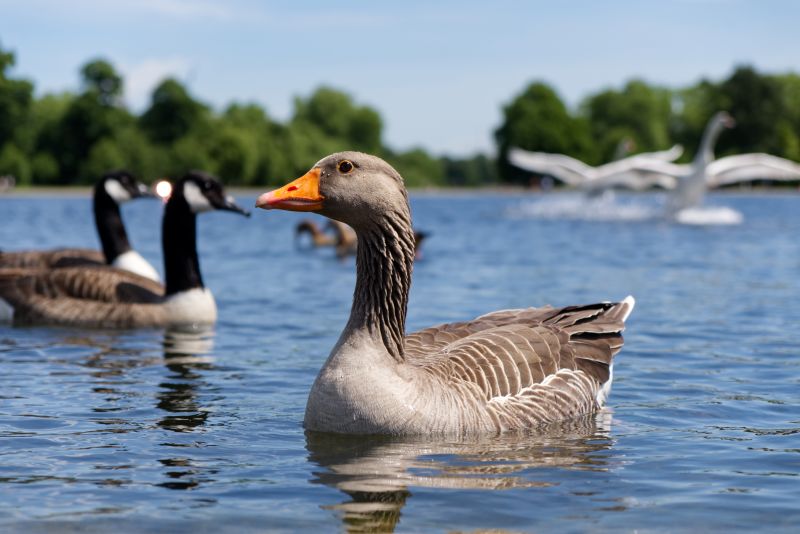
There is a wonderful diversity within the goose family. The Canada Goose, with its distinctive black head and white chinstrap, is perhaps the most recognized. Then there’s the Snow Goose, celebrated for its stunning white plumage and black wingtips. Each species has unique behaviors and adaptations, making them a fascinating study for bird enthusiasts.
Social Structure and Feeding Habits
Geese are highly social birds, often forming large flocks. Their honking calls are a familiar sound in many regions. These birds feed primarily on grasses, grains, and aquatic plants. They are known for their ‘grazing’ behavior, often seen walking in fields in a line, a charming display of their social nature.
4. Penguins
Penguins are the iconic birds of the Antarctic, though they’re also found in many temperate and even tropical regions. These flightless birds are perfectly adapted to life in the water, with their streamlined bodies and exceptional swimming abilities. Penguins are a favorite among birdwatchers and animal lovers alike for their charismatic personalities and unique behaviors.

Penguin Species Across Continents
The diversity of penguin species is astonishing. Each species has its unique way of life, from the large, regal Emperor Penguin to the smaller, agile Rockhopper Penguin. Some, like the Galapagos Penguin, are found near the equator, while others, such as the Adelie Penguin, inhabit the icy shores of Antarctica.
Adaptations to Cold Environments
Penguins are master adaptors to cold environments. Their dense, waterproof feathers keep them warm in icy waters, and their fat layer acts as insulation. On land, their waddle results from their upright posture and short legs, adaptations for their aquatic lifestyle. Watching penguins interact in their colonies, often amidst harsh conditions, is a testament to the resilience and adaptability of these remarkable birds.
5. Pelicans
Pelicans are a unique and easily recognizable group of aquatic birds, known for their large bills and expansive throat pouches. These features make them expert fishermen, a fascinating trait to observe. Pelicans are often seen in large flocks, soaring gracefully over water bodies or resting along coastlines and riverbanks.
Identifying Different Pelican Species
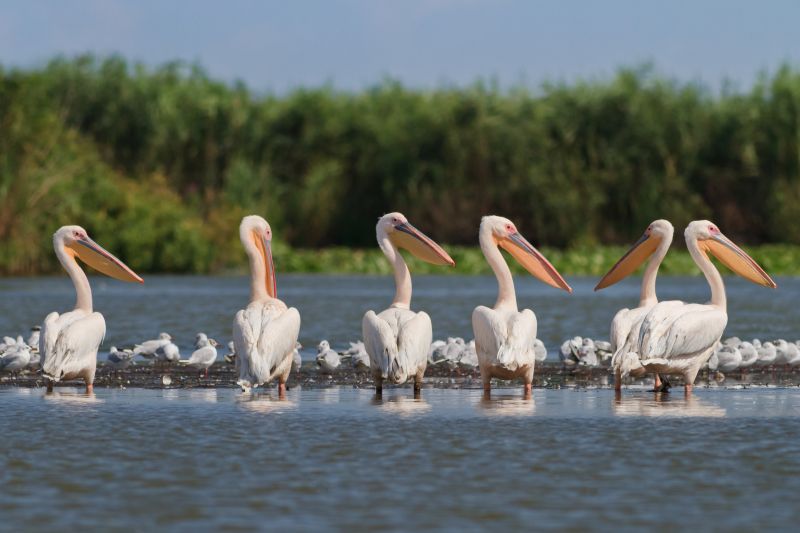
The pelican family showcases a variety of species, each adapted to its specific environment. The Brown Pelican, commonly found along coastlines, is famous for its spectacular diving behavior. In contrast, predominantly inland, the American White Pelican prefers cooperative fishing, herding fish into shallow waters. These differences in hunting strategies highlight the diversity within the pelican family.
Unique Feeding Strategies
Pelicans are renowned for their fishing techniques. Using their large bill and pouch, they scoop up fish, drain the water, and swallow their catch. Observing a group of pelicans working together to corral fish is an extraordinary sight and demonstrates their intelligence and adaptability.
6. Herons
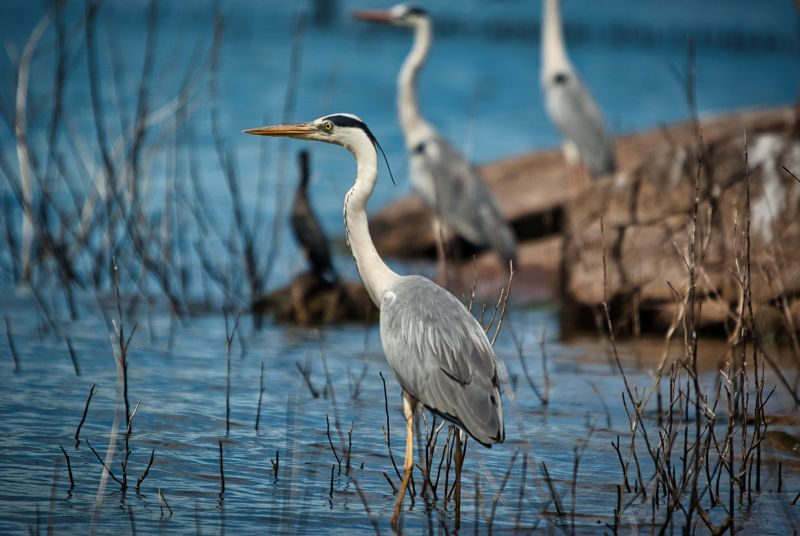
Herons, with their long legs and elegant stature, are a common sight in wetlands, marshes, and along riverbanks. These wading birds are known for their patience and precision in hunting, standing motionless for long periods before striking swiftly to catch their prey.
Diversity of Herons Worldwide
Herons come in many sizes and colors, from the majestic Great Blue Heron, with its impressive wingspan, to the smaller, colorful Green Heron. Each species has its own preferred habitat and hunting style, but all share the characteristic long neck and legs, ideal for wading in shallow waters.
Hunting Techniques and Habitat
Herons primarily feed on fish, frogs, and small aquatic creatures. They have an incredible ability to stand perfectly still, blending into the landscape, making them formidable hunters. Their presence in a habitat is a good gauge of the health of aquatic ecosystems, as they thrive in clean, unpolluted waters. Observing a heron’s meticulous hunting technique is a lesson in patience and precision, offering a captivating experience for any birdwatcher.
7. Flamingos
Flamingos are amongst the most striking aquatic birds, known for their vibrant pink feathers and unique social behavior. These tall, graceful birds are often found in large flocks in saline or alkaline lakes and lagoons. Their peculiar bent bills and long legs make them distinctive and a favorite subject for bird enthusiasts and photographers.

Flamingo Species and Their Distinctive Features
There are several species of flamingos, each with its own unique characteristics. The Greater Flamingo, the tallest of the species, boasts a pale pink plumage, while the American Flamingo is known for its deeper red-pink coloration. These variations in color, size, and habitat preferences provide a fascinating study for those interested in avian diversity.
Breeding Habits and Diet
Flamingos are known for their elaborate breeding rituals, which include synchronized dancing and display flights. These communal behaviors reinforce social bonds and are mesmerizing to watch. Their diet generally consists of tiny organisms like plankton, algae, and crustaceans, which they filter from the water with their specialized bills. The carotenoids in their diet are responsible for their iconic pink coloration, a perfect example of nature’s palette at work.
8. Albatrosses
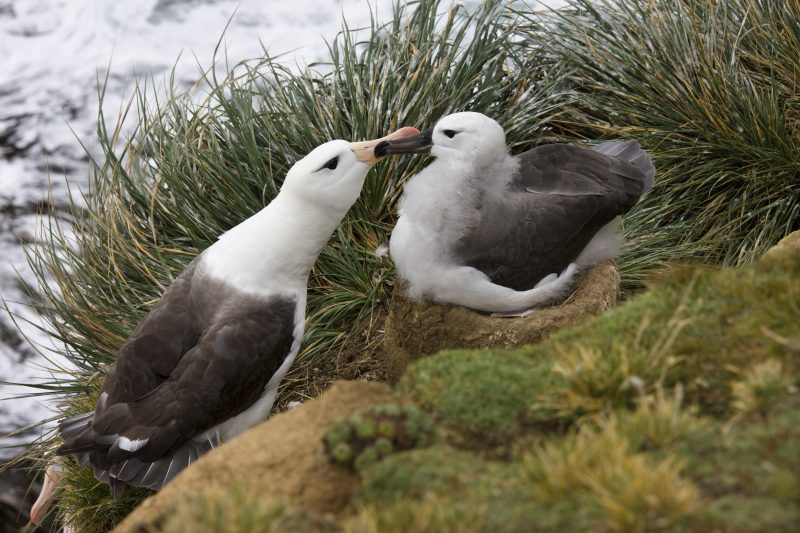
With their vast wingspans and oceanic lifestyles, Albatrosses are among the most awe-inspiring seabirds. These birds are built for long-distance flight, spending most of their life at sea, only coming to land for breeding. Seeing an albatross gliding over the ocean is a spectacular and unforgettable experience for birdwatchers.
Albatross Species and Their Vast Wingspans
There are several species of albatrosses, each adapted to life at sea. Boasting the longest wingspan among all extant birds, the Wandering Albatross excels in gliding effortlessly over the sea, capable of sustaining flight for hours without once flapping its wings. The smaller but equally impressive Black-browed Albatross is known for its distinctive eyebrow-like markings.
Long-Distance Flight and Diet
Albatrosses are renowned for their incredible long-distance flying abilities, covering thousands of miles across oceans. They typically feed on fish, squid, and krill, often following fishing boats for scraps. The endurance and resilience of these birds, as they navigate the vast and unpredictable oceans, are a remarkable testament to their adaptation to the marine environment.
9. Seagulls
Seagulls are among the most familiar coastal birds and can often be seen soaring above beaches, harbors, and fishing boats. Known for their resourcefulness, seagulls are versatile feeders and thrive in a variety of environments, including urban areas. Their loud calls and social nature make them a lively presence along coastlines.

Overview of Different Seagull Species
There’s a surprising diversity among seagull species, each adapted to different coastal environments. With its classic gull appearance, the Herring Gull is widespread and easily recognizable. Meanwhile, the smaller, agile Black-headed Gull is known for its striking black head during the breeding season. Each species displays unique adaptations for survival in coastal ecosystems.
Adaptability and Diet Preferences
Seagulls are opportunistic feeders, eating anything from fish and insects to human food waste. This adaptability in their diet is vital to their survival in varied environments. Observing seagulls can be entertaining; their behavior ranges from skillful aerial acrobatics while hunting to clever tactics for scavenging food in urban areas.
10. Cormorants
Cormorants are distinctive water birds, often seen perched with their wings outstretched to dry. They inhabit both freshwater and saltwater environments, where they dive to catch fish. Their sleek, dark plumage and piercing eyes make them a fascinating subject for bird enthusiasts.

Identifying Various Cormorant Species
There are many species of cormorants, each with specific characteristics. The Double-crested Cormorant, common in North America, is known for its striking crest during the breeding season. The Great Cormorant, larger and more robust, has a wide range across many continents. Despite their varied sizes and habitats, all cormorants share the ability to dive deep and swim underwater in pursuit of fish.
Diving Skills and Social Behavior
Cormorants are expert divers, using their strong legs and webbed feet to propel themselves underwater. They can dive to impressive depths to catch their prey, making them adept aquatic hunters. On land, they are often seen in groups, socializing and drying their wings. Their communal roosting and nesting habits, often in large colonies, are a remarkable display of their social nature.
Conclusion
As we conclude our journey through the world of aquatic birds, it’s clear how vital these species are to our planet’s biodiversity. Each bird, from the graceful swan to the industrious cormorant, plays a crucial role in its ecosystem. They not only add beauty and intrigue to our natural world but also serve as indicators of the health of our waterways and wetlands. Their varied feeding habits, migratory patterns, and social behaviors are essential in maintaining ecological balance.
The need for conservation efforts for these magnificent creatures is more pressing than ever. Habitat loss, pollution, and climate change threaten many aquatic bird species. As birdwatchers and nature enthusiasts, we are responsible for advocating for the protection of their habitats and supporting conservation initiatives. Ensuring the survival of these birds helps maintain the rich tapestry of life they embody, guaranteeing that future generations will also have the opportunity to experience the wonder of observing them. Let’s continue to cherish and protect these avian treasures of our waterways.