
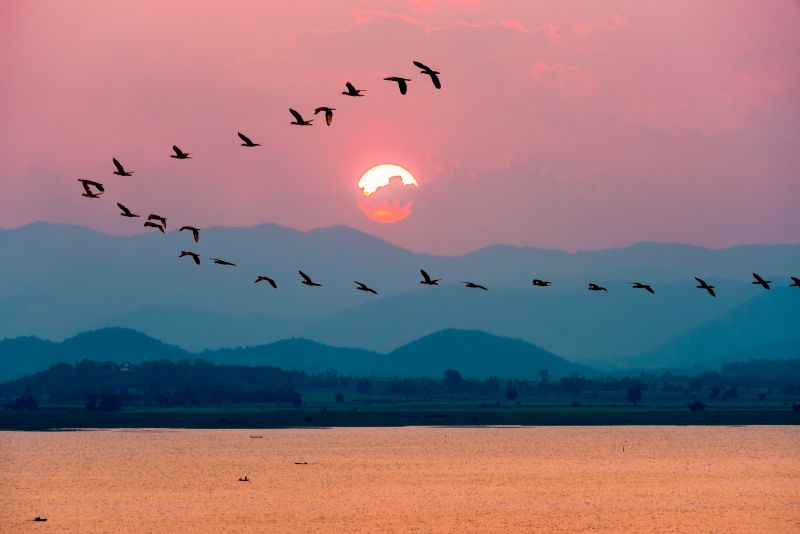
Isn’t it amazing how our feathered friends traverse vast distances with such precision and resilience? Bird migration, an awe-inspiring natural phenomenon, occurs in hundreds of species across the globe. These birds, guided by an innate compass, embark on their journey across continents and oceans. This incredible feat not only showcases their survival instincts but also highlights the interconnectedness of our global ecosystem. Understanding bird migration enriches our birdwatching experiences and deepens our appreciation for these avian marvels.
Types of Bird Migration
When we talk about bird migration, it’s not a one-size-fits-all journey. Birds migrate in various fascinating ways.
Seasonal Migration
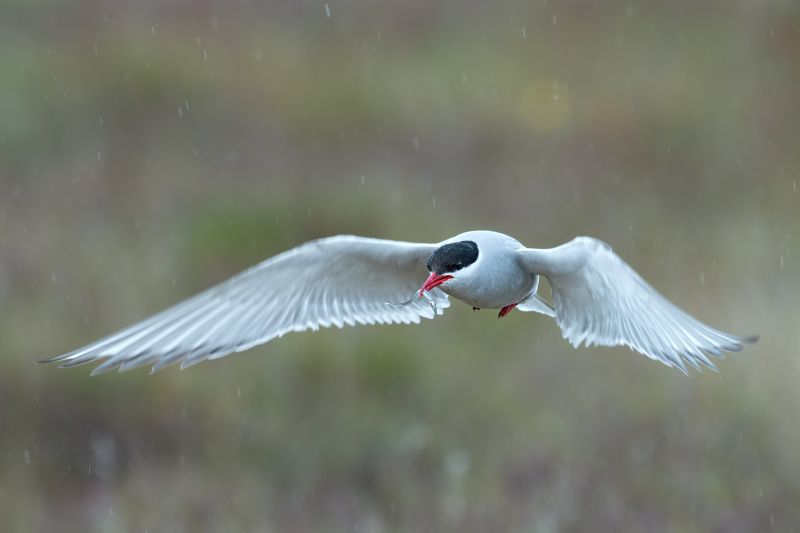
Most of us are familiar with seasonal migration. Birds like Swallows and Arctic Terns travel thousands of miles to exploit the changing availability of food, nesting locations, and climatic conditions. They typically move from higher to lower latitudes in autumn and reverse the journey in spring. Imagine the endurance of these birds, overcoming immense distances and obstacles twice a year!
Altitudinal Migration
Then there’s altitudinal migration. This type might not span continents, but it is no less impressive. Birds like the Mountain Chickadee in North America move up and down mountainsides following the bloom of food resources or escaping harsh weather. This vertical journey, though shorter, requires immense adaptability to rapid environmental changes.
Partial Migration
Partial migration is another intriguing pattern. In this scenario, some birds in a population migrate while others do not. This behavior, observed in species like the American Robin, is influenced by factors like food availability, weather, and population density. It’s a flexible strategy that shows how adaptable birds can be in response to their surroundings.

Irruptive Migration
Lastly, there’s irruptive migration, a less predictable movement. Birds like the Pine Siskin may suddenly appear in large numbers outside their usual range. These irruptions are often driven by food scarcity in their native habitat. It’s a survival tactic, unpredictable yet fascinating.
Each type of migration reveals the remarkable adaptability and resilience of birds. As birdwatchers, observing these different migration patterns is not just thrilling but also a window into the lives of these incredible creatures.
The Science Behind Bird Migration
The mechanics of bird migration are as fascinating as the journey itself.
Navigation and Orientation
How do birds find their way over such incredible distances? It’s a combination of innate abilities and learned skills. Many species use celestial cues, like the sun and stars, to guide them. They also rely on the Earth’s geomagnetic field as a compass. Some research suggests that birds might even use olfactory cues to navigate! These natural GPS systems are astounding and highlight the intricacies of evolution.
Physiological Adaptations
Migration demands a lot from a bird’s body. To prepare, many species undergo physiological changes. They store fat as an energy reserve for their long flights. Some species, like the Bar-tailed Godwit, even shrink non-essential organs to save energy. Their endurance and physical adaptations are nothing short of miraculous. It’s a testament to the resilience and survival instincts of these avian travelers.

Challenges and Threats
Migration is a perilous journey, fraught with challenges and threats, both natural and man-made.
Natural Challenges
The natural world presents its own set of challenges. Weather conditions like storms and strong winds can be deadly. Predators are another significant risk, especially for young and inexperienced migrants. These natural hazards test the limits of birds’ survival skills and have shaped their behaviors and migration patterns over millennia.

Human-Induced Threats
Sadly, human activities have added to the hazards birds face. Habitat destruction and fragmentation have made migration routes more dangerous and less hospitable. Pollution, particularly plastic and chemical pollution, poses a significant threat to their health and habitats. Climate change is altering habitats and food availability, disrupting traditional migration patterns. These challenges underscore the importance of our role in conserving and protecting migratory bird species.

As birdwatchers, we witness the beauty and struggles of migration. Understanding these challenges not only enhances our appreciation of each sighting but also reminds us of our responsibility to protect these extraordinary creatures and their habitats.
Conservation Efforts
Protecting migratory birds is a global responsibility that requires concerted efforts at various levels.
Monitoring and Research
Knowledge is power in conservation. Scientists and birdwatchers alike play a crucial role in monitoring bird populations and migration patterns. Techniques like bird banding and satellite tracking provide invaluable data. This information helps in understanding changes in migration patterns, population sizes, and the impact of environmental changes. Citizen science projects also contribute significantly, allowing everyone to be part of these vital research efforts.
Protecting Migratory Birds
Conservation of migratory birds is a multifaceted challenge. It requires international cooperation, as these birds do not recognize national borders. Treaties like the Migratory Bird Treaty Act and initiatives by organizations like the Audubon Society and BirdLife International are crucial. They work towards habitat preservation, policy making, and raising public awareness. On a local level, we can contribute by creating bird-friendly environments, supporting conservation programs, and advocating for sustainable practices.
As birdwatchers, we have a unique opportunity to observe, enjoy, and protect these amazing creatures. Our passion for birdwatching goes hand in hand with an obligation to ensure that future generations can also experience the wonder of bird migration.

Conclusion
Bird migration attests to the resilience, adaptability, and beauty of the natural world. As we wrap up this exploration, let’s remember that each time we spot a migratory bird, we are witnessing a small part of an incredible journey that spans continents and oceans. Our understanding and actions can make a difference in preserving this awe-inspiring phenomenon.
References
For additional reading and to deepen your understanding of bird migration, consider these sources:
- “The Wonder of Bird Migration: The Global Journey” by Scott Weidensaul.
- “Living on the Wind: Across the Hemisphere with Migratory Birds” by Scott Weidensaul.
- The Cornell Lab of Ornithology website.
- The Audubon Society’s resources on bird migration.
- BirdLife International‘s research and conservation initiatives.
These resources offer a wealth of information for both novice and experienced birdwatchers. They also provide insights into how we can contribute to the conservation of migratory birds. Happy birdwatching and let’s keep our skies filled with these magnificent travelers!