
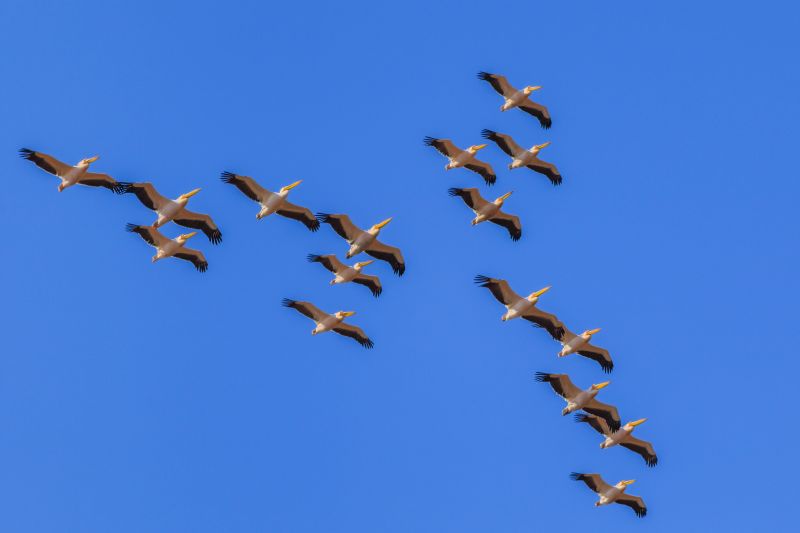
Embarking on a journey to witness the marvel of bird migration is a thrilling experience. Across America, these migrations paint the sky with an array of feathers and songs. Understanding where to find these feathered travelers enhances this adventure. This guide highlights top migratory bird spots across America, offering insights into where and when to spot these magnificent creatures.
Bird migration in America is a spectacular event. Many species travel thousands of miles, from the northern reaches of Alaska to the tropical havens of the south. These journeys are vital for their survival, linking breeding and wintering habitats. Migratory bird spots provide crucial stopovers for rest, nourishment, and social interaction.
Recognizing the importance of these sites is crucial. They are not just waypoints on a journey, but key elements in the ecological network supporting bird populations. Let’s journey through America’s bird migration routes and discover the best spots to observe this natural wonder!
The Pacific Flyway
Alaska
The Arctic National Wildlife Refuge, a haven for migratory birds in Alaska, welcomes a variety of species, including geese, swans, and shorebirds each year. The refuge’s vast wilderness offers a pristine habitat, perfect for nesting and feeding.
Another Alaskan gem is the Copper River Delta. This expansive wetland provides a critical stopover for millions of shorebirds. The spectacle of flocks swirling in unison is a sight to behold. Birdwatchers gather here to witness this annual event, a testament to nature’s rhythm.
California
California’s Point Reyes National Seashore is a hotspot for birdwatching. Its diverse habitats attract over 490 bird species. The peninsula’s unique geography makes it an ideal landing spot for birds traveling along the Pacific Coast.
Further south, the Salton Sea in California is an unexpected oasis in the desert. It is located in the remote southeastern corner of the state and offers a mosaic of habitats. Despite its high salinity, it’s a vital refuge for migrating birds. Thousands of waterfowl and shorebirds pause here to rest and feed.
Oregon
Oregon’s Malheur National Wildlife Refuge can be found in the remote southeastern corner of the state. It’s a birder’s paradise offering a mosaic of habitats. These wetlands, grasslands, and sagebrush steppe host a variety of bird species.
Another Oregon highlight is the Klamath Basin. Straddling the border with California, this area is one of the most important wetlands in North America. Waterfowl and raptors flock here, making it a prime spot for birdwatchers.
The Pacific Flyway is a corridor of diversity and abundance. Each location along this path offers unique experiences and sights. Whether you are a seasoned birder or an interested beginner, these spots are sure to captivate and inspire.
The Central Flyway
Texas
In Texas, High Island is a renowned birdwatching locale. Spring brings a burst of color and song as migratory birds make landfall after their Gulf crossing. The area’s woods are alive with warblers, orioles, and buntings.
Aransas National Wildlife Refuge is another Texan jewel. Here, birders can witness the majestic whooping cranes. These endangered birds winter in the coastal marshes, a truly awe-inspiring sight.
Nebraska
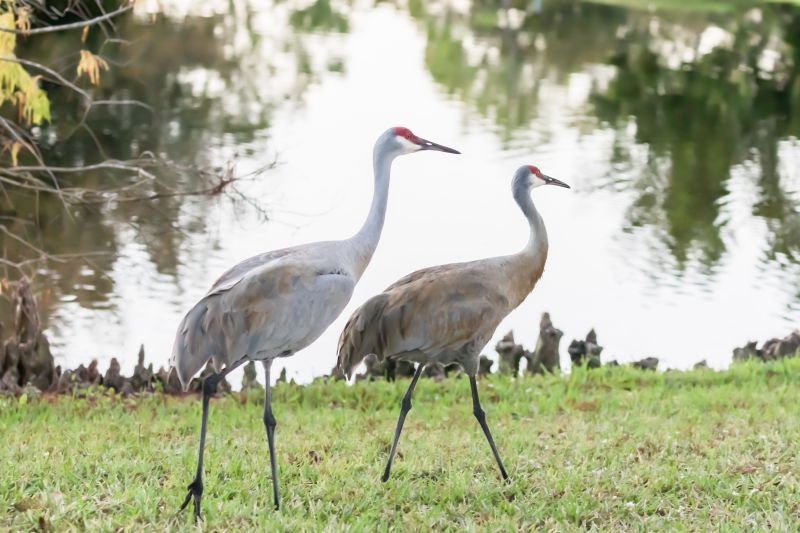
Nebraska’s Platte River Valley is a spectacle during migration seasons. It hosts one of nature’s greatest shows: the convergence of hundreds of thousands of sandhill cranes. This is a bucket-list destination for bird enthusiasts.
The Sandhills region of Nebraska is also vital for migratory birds. Its unique landscape of grass-covered dunes provides a haven for numerous bird species, including the prairie chicken.
Colorado
Colorado’s Monte Vista National Wildlife Refuge offers a breathtaking view of migrating sandhill cranes against the backdrop of the Sangre de Cristo Mountains. The wetlands here are a critical rest stop for these birds.
Pawnee National Grassland is a distinct birding spot in Colorado. Amidst its vast plains, birdwatchers can find grassland species and, occasionally, raptors soaring overhead.
The Mississippi Flyway
Minnesota
Minnesota’s Agassiz National Wildlife Refuge is a northern treasure. Here, vast wetlands attract a variety of waterfowl and marsh birds, creating a birding paradise in the heartland of America.
The Mississippi River Twin Cities area is an urban birdwatching gem. Parks along the river offer excellent spots to view migrating songbirds, waterfowl, and raptors.
Louisiana
Louisiana’s Delta National Wildlife Refuge is a key stopover for birds navigating the Mississippi River. This delta habitat provides ample food and rest for weary travelers.
Cameron Prairie National Wildlife Refuge in Louisiana is another hotspot. During migration seasons, its marshes and wetlands are bustling with waterfowl, shorebirds, and songbirds.
Illinois
Illinois boasts the Emiquon National Wildlife Refuge. Restored wetlands here have become a haven for waterfowl and other migratory birds, offering a serene birdwatching experience.
The Montrose Point Bird Sanctuary in Chicago is a small yet significant spot. It’s known as the “Magic Hedge” due to its ability to attract diverse migratory birds in an urban setting.
The Central and Mississippi Flyways offer a mosaic of habitats, each playing a critical role in the journey of migratory birds. These sites provide a refuge for birds and a window into the natural world for us, the observers. As we explore these areas, we connect with the rhythm of nature, deepening our appreciation for these incredible avian travelers.
The Atlantic Flyway
Maine
Maine’s Rachel Carson National Wildlife Refuge is a coastal gem. Named after the famed environmentalist, this refuge is a mix of coastal marshes and estuaries, perfect for shorebirds, waders, and migratory songbirds.
Acadia National Park, also in Maine, offers a stunning backdrop for birdwatching. Its varied landscapes, from mountains to coastline, attract a wide range of birds, including warblers during migration seasons.
Florida
Florida’s Everglades National Park is a birdwatcher’s paradise. Its vast wetlands host a spectacular array of wildlife, including a plethora of bird species. Migratory birds join the resident wading birds, creating a bustling ecosystem.
Merritt Island National Wildlife Refuge is another significant location near Florida’s space coast. Its position along the Atlantic Flyway makes it a crucial stopover for thousands of migratory birds.
New Jersey
Cape May in New Jersey is legendary in birdwatching circles. Its location at the peninsula’s tip makes it an ideal rest stop for birds crossing Delaware Bay. The fall migration here is particularly spectacular.
A haven for birds and birders alike, the Edwin B. Forsythe National Wildlife Refuge’s marshes and tidal waters attract a multitude of waterfowl and shorebirds.

Conservation Efforts
The importance of habitat preservation cannot be emphasized enough. Migratory bird spots across America are not just scenic havens; they are vital for the survival of many bird species. Conservation efforts in these areas play a critical role in preserving the ecological balance and ensuring the continuation of migration cycles.
Birdwatchers and scientists alike contribute significantly to these efforts. Observations and data collected by birdwatchers can aid in understanding migration patterns and habitat use. This information is crucial for conservation planning and action.
Habitat loss and climate change pose major threats to migratory birds. Protecting and restoring these habitats is essential. This includes the availability of large refuges and smaller local areas that serve as critical stopovers for birds.
Conservation also involves raising awareness and educating others about the importance of these ecosystems. By understanding the challenges these birds face, we can take steps to mitigate them, ensuring that future generations can also enjoy the marvel of bird migration.
The Atlantic Flyway, with its diverse habitats and rich birdlife, alongside the concerted conservation efforts, highlights the beauty and importance of preserving nature’s corridors. These efforts ensure that the skies remain filled with the songs and colors of migratory birds, a treasure for us all to cherish and protect.

Conclusion
As we conclude our journey through the migratory bird spots across America, it becomes clear that these locations are more than points on a map. They are vital lifelines for countless bird species, intricate parts of a larger ecological tapestry that spans continents and climates.
The experience of observing migratory birds is a privilege that comes with a responsibility. As birdwatchers and nature enthusiasts, we play a pivotal role in safeguarding these natural wonders. Through sustainable birdwatching practices, such as respecting wildlife boundaries and minimizing habitat disturbance, we contribute to the conservation of these critical areas.
Moreover, our role extends beyond observation. Advocating for environmental protection, supporting conservation initiatives, and educating others about the importance of these migratory paths are integral parts of our journey as bird enthusiasts. Each of us has the power to make a difference, whether it’s through local conservation efforts or broader ecological advocacy.
Ultimately, the story of migratory birds is one of resilience and wonder. It’s a reminder of the interconnectedness of our world and the delicate balance that sustains it. As we look to the skies and see the birds embark on remarkable journeys, let’s commit to ensuring their flights continue for future generations. Let’s cherish and protect these avian highways that stretch across the American landscape, for they are not just pathways in the air, but symbols of the beauty and continuity of life on our planet.