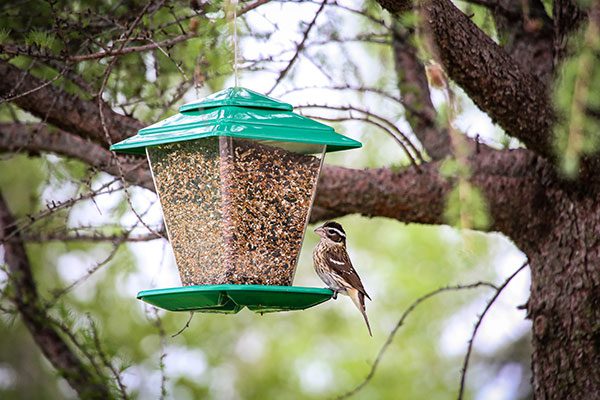
There are many different types of backyard bird feeders and feeding stations available on the market. It is important to do your research before purchasing one so that you buy one to suit not only your budget, but your space and more importantly the different species of birds that you wish to attract to your backyard.
One of the most important factors to consider when purchasing a backyard bird feeder is the type of birds you wish to attract to your garden. There are many different types of bird feeders and bird feeding stations available, and each type attracts different kinds of birds. For example, nectar or hummingbird feeders are only designed to attract hummingbirds, whereas seed feeders can attract quite a variety of birds such as finches, sparrows, cardinals and many more.
The size of your backyard will also play a role in the type of bird feeder or bird feeding station you choose whether you purchase it or make your own. If you have a large backyard, you can create various areas or spaces to attract different birds. If you have trees, you could consider having a hanging bird feeder. If you have a smaller backyard, you could consider a window bird feeder or even a suet feeder to attract birds to visit your home.
Keep in mind that you that do not need to acquire all your bird feeders or stations at once if you have a large backyard. I find that it helps to take some time to first observe which birds to seem to frequent your backyard and choose one kind of feeder at a time. You may need to move the feeder to a different spot if the birds do not seem to like the spot that you may have chosen for the feeder to be stationed.
Finally, it is important to find a bird feeder or bird feeding station that fits your budget. The prices of bird feeders can range from just a few dollars to several hundred dollars.
Last, but not least, consider making your own bird feeder or bird feeding station. Not everything needs to be bought from a shop. There are plenty of places where you can find DIY plans and ideas for bird feeding stations and even home-made bird feeders and I have included some in this article to help get you started.
Types of Bird Feeders
1. Hopper Feeders
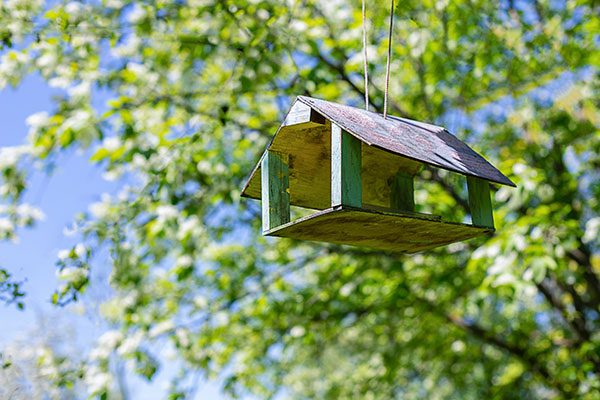
The most common type of backyard bird feeder is called a hopper feeder or a house feeder. These feeders come in various sizes and can be made from different types of materials, such as plastic, metal, or wood. Typically, they have a large seed reservoir below that is covered by a roof. The roof protects the seeds from the elements, and it also allows the birds to eat in peace. Many hopper feeders also have perches attached to them, which provides a place for the birds to perch and rest on while they eat. They are often seen hung from a pole or tree in a backyard, but they can also be placed on a tabletop or some other flat surface too.
The type of seed you would use in a hopper feeder is determined by the types of birds you wish to attract. Sunflower seeds, safflower seeds, millet, and cracked corn are some of the more common seeds used in hopper feeders. You can also buy speciality mixes at a local store that contain a mix of seeds that are designed to attract a variety of birds.
Some birds that are attracted to hopper or house feeders are chickadees, titmice, nuthatches, sparrows and other seed eating species.
2. Suet Feeders
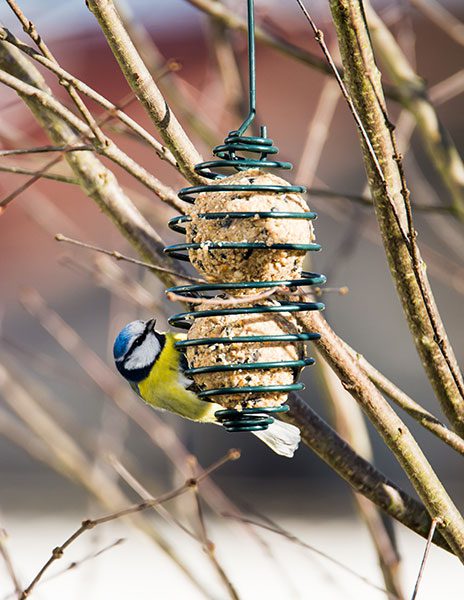
Suet is hard, saturated fat found around animal kidneys and is most commonly taken from beef. It is nutritious and an easily accessible food to add to your backyard bird feeders. It is especially sought after during the fall and winter and helps birds to survive the cold.
Which birds are attracted to suet feeders? Woodpeckers, chickadees, tits, nuthatches, wrens, titmice, thrushes, orioles, grosbeaks, robins, thrashers, catbirds, cardinals, mockingbirds, jays and blackbirds are commonly found around backyard suet feeders.
Yellow-rumped Warblers have also been recorded feeding on suet in the cooler months, possibly because their migration habits take place when insects are no longer readily available.
As you can see, suet feeders are a great way to attract backyard birds. Suet cakes can be bought from your local bird supply or pet store, or you can make your own suet cakes using the recipe in the Homemade Bird Feed Mixes sections further on in this article.
3. Window Feeders

Window feeders are a great way to attract backyard birds and are particularly useful when you have a small backyard with too little space. They are a great alternative to a pole mounted or hanging feeders. People with limited or no yard space and those living in apartments or condos can make use of window feeders. They are also a helpful alternative to prevent squirrels from stealing the bird feed.
Window feeders come in a variety of shapes and sizes. They are versatile and can be filled with various types of bird seed to attract a variety of birds. Some common seeds used in window feeders are sunflower seeds, Nyjer seeds, and Finch mix.
Some backyard birds that are attracted to window feeders are: finches, cardinals, chickadees, and nuthatches.
4. Tube Feeders
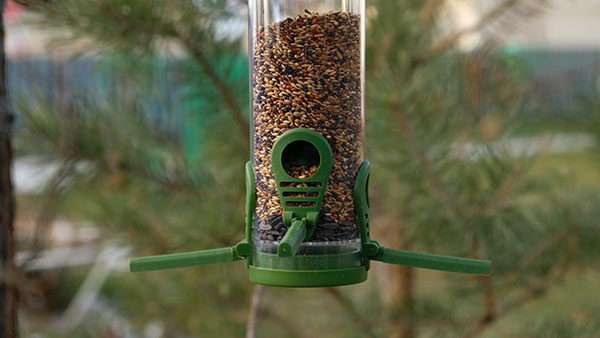
Tube feeders consist of a clear plastic tube with several small holes near the top. The seed is placed inside the tube and the birds then eat the seed through the holes. Tube feeders can hold different types of seed and are a good option for anyone who wants to attract a variety of birds to their backyard.
Finches and Goldfinches enjoy eating from tube feeders, as do siskins and grosbeaks.
5. Ground Feeders

Ground feeders are, as the name suggests, designed to be placed on the ground, rather than being hung from a tree or a pole. Ground feeders typically have a large base that is filled with seed. The birds eat the seeds from the tray (ground). They are a great option for a medium sized to large backyard and also for those who do not want to hang their feeders from trees or poles.
Birds that are naturally forage on the ground will enjoy eating from ground feeders, such as mourning doves, sparrows, towhees, and juncos, to name a few.
Ground feeders do have some disadvantages in that they can attract rodents like squirrels, mice and rats to your backyard. They also makes birds more vulnerable to cats. Leftover seeds and shells can be messy and kill the grass. If you do choose to ground feed, you can try rotating where you scatter seed to keep the area cleaner.
6. Nectar or Hummingbird Feeders
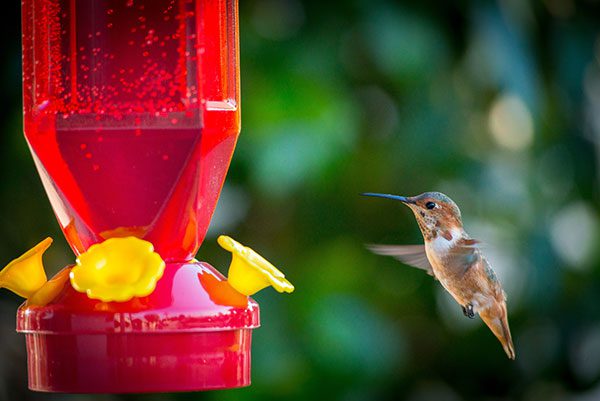
Nectar feeders, also known as Hummingbird feeders, are specifically designed to attract hummingbirds, as their name suggests. They typically consist of several small tubes filled with “nectar”, from which the hummingbirds drink. They are often red as this color attracts hummingbirds, but any bright colour will be equally as effective.
You can purchase hummingbird nectar from a bird supply store, but it is just as easy to make using a few simple ingredients. You will find a recipe for Humming Bird Nectar this below in the Homemade Bird Feed Mixes section of this article.
7. Woodpecker Feeders
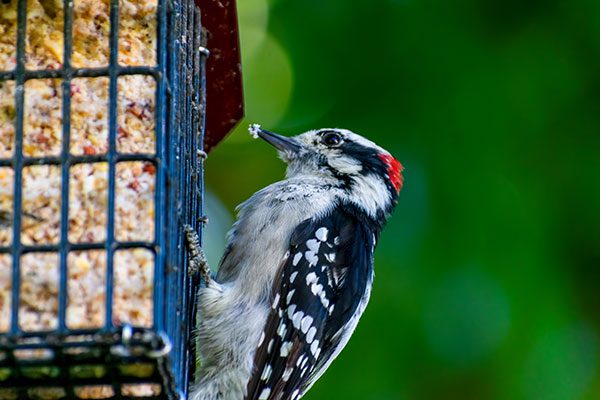
Woodpecker Feeders are usually hanging feeders or on top of poles. Suet feeders for woodpeckers work better if they are placed near tree trunks or thick branches. The most popular foods for woodpeckers at feeders are: suet with nut, insect, or fruit blends; fruits such as oranges, grapes, and apples; sunflower seeds, either whole or hulled.
One of the most common questions asked is whether whether woodpeckers cause damage to the trees they drill, this is very rare. Woodpeckers have an important ecological role to help control populations of pest insects. The antics of woodpeckers offer entertainment backyard birdwatchers who are fortunate enough to have them in their gardens.
8. Nyjer Feeders
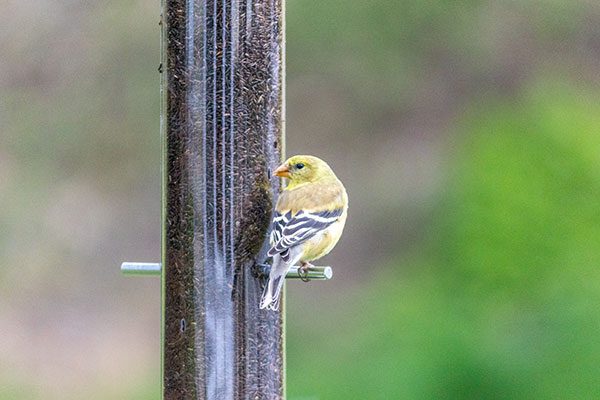
Nyjer feeders, also called thistle feeders (Nyjer is a type of small black thistle seed). They are small tube feeders that are specifically designed carry and dispense Nyjer seed, which is a favorite food for many backyard birds. The small size of the seeds is perfect for tiny songbirds and the narrow tubes make it difficult for larger birds to access the food. Nyjer feeders usually have multiple perches and/or ports that help to accommodate a number of birds at once. This makes the Nyjer feeder a popular choice for backyard birdwatching enthusiasts.
Finches, goldfinches and siskins are some of the miniature visitors you may find coming to your Nyjer feeder .
Some Nyjer feeders are designed to hang from a tree or pole, while others can be placed on a tabletop or windowsill.
9. Gazebo Feeders
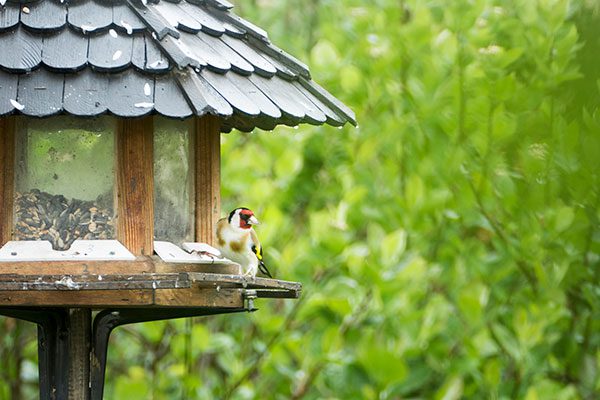
If you are looking for a more decorative backyard bird feeder, then a gazebo feeder is a good option. They are typically made from metal or wood and are cube shaped, cylindrical, hexagonal or octagonal. Gazebo feeders have a roofed structure with one or more feeding stations. These feeders can be quite beautiful, often having intricate or ornate designs.
As far as budget goes, however, gazebo feeders can also be quite expensive.
Bird Feeding Stations
1. Platform Feeders
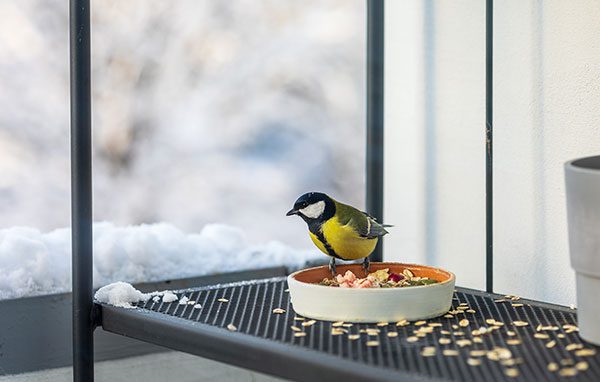
A platform feeder is a great option for backyard birds, you can find them at various heights and in different sizes. This type of feeder allows birds to perch on the edge and eat, providing them with a place to rest as well.
You can put out birdseed, suet, or fruit on the platform, depending on the birds you wish to attract to your backyard. If you are using birdseed, be sure to choose a high-quality seed mix that includes a variety of seeds. As mentioned before, suet is also an excellent option for backyard birds, as it provides them with energy. When you put fruit out, make sure that you chop it up to make it easier for the birds to pick up with the beaks and also to swallow.
Irrespective of what type or variety of food you put on the platform feeder, make sure that you keep the platform clean and fresh. Old food not only attracts pests but can also make birds sick.
Mourning doves, cardinals, juncos, towhees, sparrows, and jays are some of the birds that frequent bird feeding platforms.
2. Tray Feeders
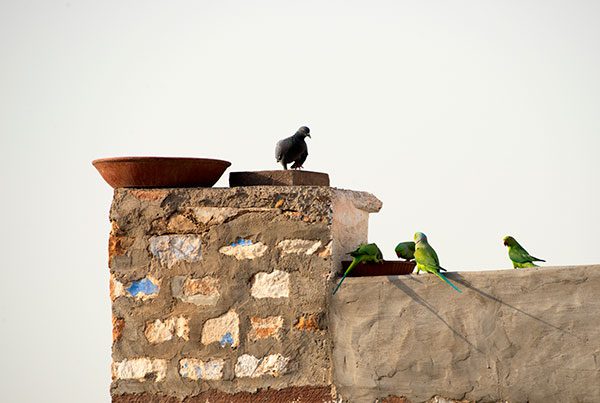
Tray feeders are perhaps the most popular type of backyard bird feeder. As their name suggests, they are simple in design and are quite easy to use. Tray feeders can be made wood, metal, or plastic. They can hang from branches (although this is not a good idea if you live in a windy area), they can be secured on wooden fences, poles or placed on a flat rock or table. Many tray feeders have a clear plastic top that allows you to see when the seed is running low.
The seeds, nuts, fruit or suet are generally laid out on the bottom of the tray.
Tray feeders are possibly a really good option for beginner backyard birdwatchers.
Homemade Birdfeeders
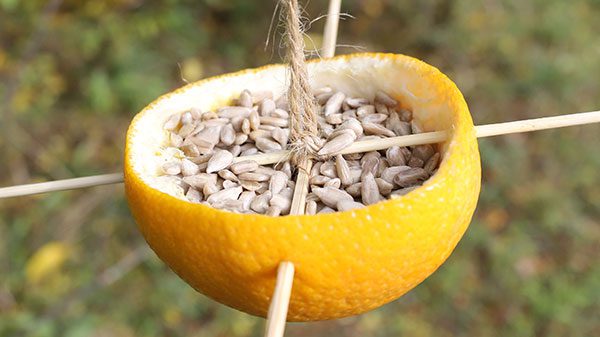
If you enjoy DIY projects or would like to try and make your own backyard bird feeder, then a homemade feeder is great option. They can be made from a variety of materials, such as recycled plastic bottles, recycled cans, and old pieces of wood.
With a little ingenuity, a plastic soda bottle can be turned into a tube feeder, or an old coffee can be converted into a hopper feeder. Caution: Be sure to clean the recycled feeders well before using them to prevent contamination to the bird feed.
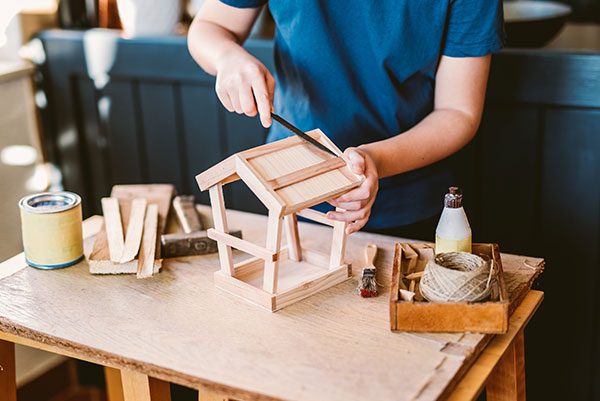
If you enjoy woodwork or metal work, you may even find some plans that you can download and use as browse through the designs. There are plenty of ideas available on the internet.
Different Types of Bird Feed
1. Seed
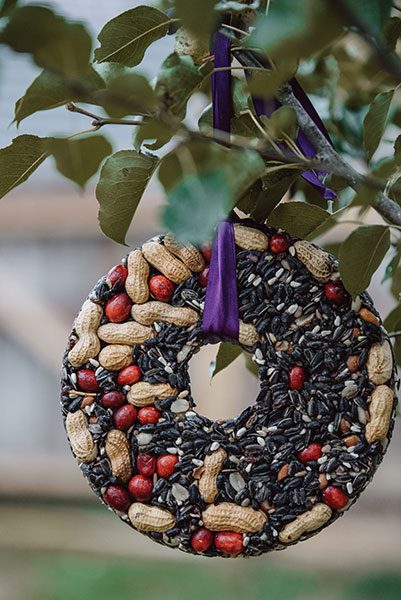
Bird seed can be found at most pet supply stores or online shops. Seed is the most common way to attract birds to your backyard and can be used in different types of feeders and will attract a variety of backyard birds to your garden.
There are a few things to keep in mind when deciding on the seeds you want for your backyard bird feeder. Firstly, choose a seed that is native to your area or region as this will ensure that the birds will find the food they need. Secondly, try to avoid seeds that contain chemicals or pesticides. These can not only be harmful to the birds but may cause them to avoid your feeder altogether and you will lose out on enjoying the amazing birdlife your backyard could be attracting. Finally, choose a seed that is high in both fat and protein, to help the birds to stay healthy and satisfied.
2. Nectar
Nectar used to attract hummingbirds to your backyard. They are typically red in color, as this is the color that attracts hummingbirds. Nectar is a sweet liquid made with sugar and water (see the recipe below).
3. Fruit
Fruit is a relatively easy feed to put out as you can chop up bits of the fruit that you eat and put it out on a tray feeder to attract birds to your garden. Many birds enjoy eating fruit. There are also a variety of fruit-based bird feeds available. Bird feed that contains whole fruits, as well as dried fruits are also available on the market. It is important to remember that fruit will not only attract birds, but also butterflies and other insects. To avoid an infestation, it is important to clean these stations daily.
4. Insects
Birds, such as bluebirds and woodpeckers, prefer to eat insects. You can purchase insect-based bird feed at most pet stores or online. Growing fruit trees in your garden, also attracts insects and therefore will also attract the birds that feed on them.
5. Mealworms
Mealworms are a type of larva. They are often used as bird food for domestic poultry and to attract birds to your backyard. They can be purchased live or frozen and are a good source of protein for birds.

Homemade Bird Feed Mixes
If you would like to consider making your own bird feed this could be a cheaper option. There are a variety of recipes available online, and you can also experiment with your recipes to see what the birds in your area prefer to eat.
Some common bird food ingredients include:
Seeds: such as sunflower seeds, safflower seeds, or thistle seed.
Nuts: such as peanuts, almonds or any other nuts, are a good source of both fat and protein.
Fruit: dried or fresh fruit can be used in bird feed, such as raisins, bananas, or apples.
Vegetables: such as carrots, sweet potatoes, or squash can also be used.
Insects: such as mealworms or crickets (which you can purchase from your local pet supply store or an online store, can be added to the bird feed.
Recipes
Suet Feeder Recipe
Ingredients:
1 cup of lard or shortening
1 cup of peanut butter
1 cup of cornmeal
1 cup of birdseed
Tools:
- A drill
- A large nail
- A piece of wire
- A bowl
Instructions:
- Mix together the lard or shortening, peanut butter, cornmeal, and birdseed in a bowl big enough to contain all the ingredients.
- The mixture will be solid and pliable.
- Drill a hole in the center of the suet feeder (the bowl and the suet). You can also push a skewer throw the center suet. The hole should be big enough to thread the piece of wire through it.
- Thread the wire through the hole and tie a knot to secure it in place under the bowl.
- Form the other end of the wire into a hook for hanging the suet.
- Hang the suet feeder by the loop of the wire from a tree branch or poles using the wire. Suet feeders are a great way to attract backyard birds, and they can be especially effective in attracting woodpeckers, nuthatches, and chickadees.
Hummingbird Nectar Recipe
Making your own hummingbird nectar is easy and only requires a few simple ingredients. All you need is sugar, water, and a little bit of lemon juice.
Mix together two parts sugar and one part water. Add a few drops of lemon juice to help preserve the nectar. Once mixed, pour the nectar into your nectar feeder and enjoy watching the hummingbirds feast on it!
Conclusion
There are many different types of backyard bird feeders and feeding stations available on the market. Do your research before purchasing one.
Irrespective of which type of backyard bird feeder you choose for your backyard, it is important to remember to clean and change the bird feed in it on a regular basis. Bird food can quickly become moldy or infested with bacteria, which can be harmful to the birds. Change your dry bird feed every week, and the wet feed (such as fresh fruit) daily. Be sure to clean your feeder with dishwashing soap and water on a regular basis.
FAQ
Is it good to have bird feeders in your yard?
Yes, it is, especially if you enjoy birds. Backyard bird feeders are not only a great way to attract different types of birds to your yard, but also to get to know the birds that are already visiting your backyard. You might even get to see some rare or interesting birds that you may otherwise not have had the chance to see yet.
Which bird feeder attracts most birds?
Different bird feeders attract different birds. The most popular backyard bird feeders on the market are tube feeders, hopper or house feeders and window feeders. Tube feeders are long and cylindrical, with several feeding ports and perches and can be hung from a tree, a post, or even placed on a pedestal. Hopper feeders look like miniature houses. The slanted roof provides protection and the birds perch on the sides to eat from the tray inside. Window feeders have suction cups that attach them to the window. This allows you to watch birds up close as they eat at your window.
What is the best bird feeder for outside?
The best bird feeder for outside will be the feeder meets the needs of the birds you wish to attract to your backyard. For example: Tube feeders with small holes and filled with Nyjer seeds will attract finches. Hopper Feeders with sunflower seeds will attract cardinals. A suet feeder will attract woodpeckers.
Where is the best place to put a bird feeder in your yard?
The best place to put a feeder depends on your yard and surroundings. It also depends on the types of birds you wish to attract. If you would like to attract songbirds, by placing your bird feeder close to some trees or bushes provides them with safety they need to hide from predators. If you wish to attract bigger birds, such as hawks, owls, and eagles, your bird feeder will need to be out in the open. Note: The larger birds of prey generally avoid built up areas, so this will only work if you live closer to the country.
How do you set up a bird feeding station?
To choose a location for your bird feeding station, find a spot that is close to cover, such as bushes or trees, yet far enough away from areas where potential predators might lurk. A sunny spot is ideal. A station near a pond or water feature will work well for water birds, and preferably closer to ground level.