

Introduction to Bird Behavior
Overview of Bird Species Diversity
Exploring the world of birds opens up a fascinating realm of diversity and beauty. Each species, with its unique behaviors and characteristics, adds a special touch to the tapestry of nature. Understanding bird behavior enhances our birdwatching experiences significantly. It allows us to appreciate their vibrant plumage, complex social structures, survival strategies, and remarkable adaptations.
The Significance of Studying Bird Behavior
Birds, found in every corner of our planet, exhibit a broad range of behaviors that are both intriguing and enlightening. From the intricate courtship dances of the Birds of Paradise to the intelligent tool use of crows, bird behavior is a window into the evolutionary wonders of the avian world. This exploration serves as a source of joy for birdwatchers and a vital tool for conservationists striving to protect these incredible creatures.
Communication in Birds
Vocalizations and Songs
Delving into bird communication, we uncover a world of intricate vocalizations and fascinating non-vocal signals. Birds use a symphony of sounds to convey messages to each other, ranging from the melodious songs of warblers to the complex calls of parrots. Each note and rhythm serves a specific purpose: attracting a mate, warning of danger, or maintaining social bonds.

Non-Vocal Communication
Non-vocal communication is equally important. Many birds use body language, such as displays of feathers, dances, or specific postures, to communicate. The puffing up of feathers in a display of dominance, the synchronized dances of mating rituals, and the subtle signals sent during social interactions all form a critical part of their communication repertoire.

The Role of Communication in Mating and Social Structure
These communication methods are essential for survival and reproduction in the bird world. They shape the social structure within species and play a pivotal role in the breeding season. Understanding these communication strategies not only enhances our birdwatching experience but also deepens our appreciation for the complexity of these feathered creatures.
Feeding Habits and Foraging
Types of Diets in Different Bird Species
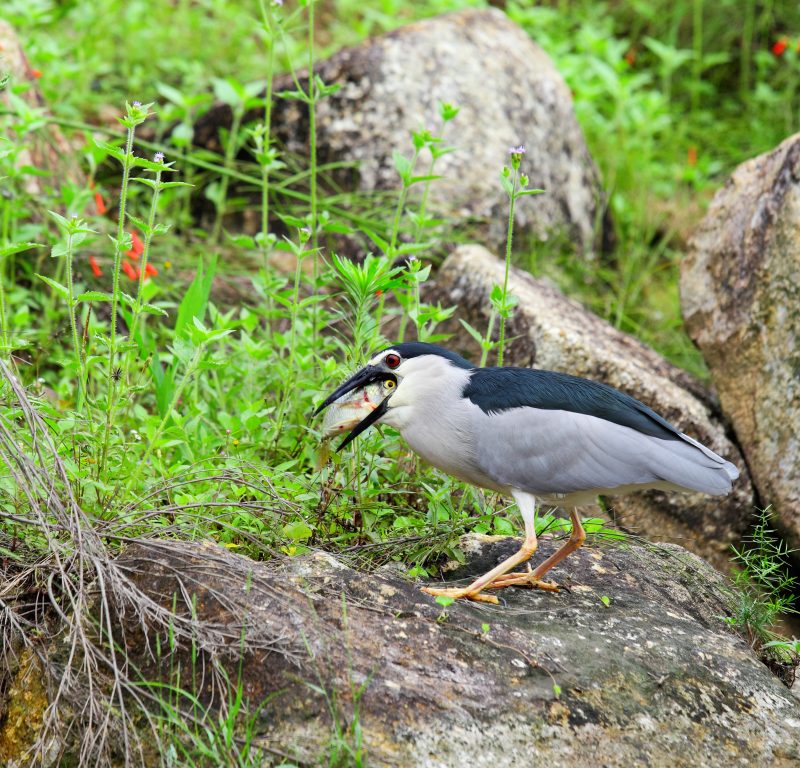
Birds exhibit an astonishing variety in their dietary preferences. From the nectar-sipping hummingbirds to the fish-hunting ospreys, each species has adapted to a specific type of diet. Seed-eaters like finches have strong, conical beaks perfect for cracking open seeds. Insectivores like warblers possess sharp, slender beaks ideal for plucking insects. This diversity in diet is a testament to the adaptability and evolution of birds across different habitats.
Foraging Techniques and Strategies
Foraging is an art in the bird world. Various species have developed unique foraging techniques that suit their dietary needs and physical capabilities. Woodpeckers, for instance, drill into tree bark to find insects, while shorebirds use their long beaks to probe the sand for marine invertebrates. Observing these foraging behaviors provides insight into the ecological role of each bird species and the balance of nature.

Seasonal Variations in Feeding Behavior
Birds also show remarkable adaptability in their feeding habits to cope with seasonal changes. Many species migrate to exploit seasonal food abundance, while others change their diet based on availability. This adaptability ensures their survival in the ever-changing natural world and highlights the importance of diverse habitats for bird conservation.
Mating and Reproductive Behavior
Courtship Rituals and Displays
The mating season brings some of the most spectacular bird behaviors. Courtship rituals are diverse and often mesmerizing. From the intricate dances of cranes to the colorful displays of peacocks, these behaviors are not just a treat to watch but are crucial for attracting mates. They also provide insights into the selection pressures and mating strategies of different bird species.

Nesting Habits and Parental Care
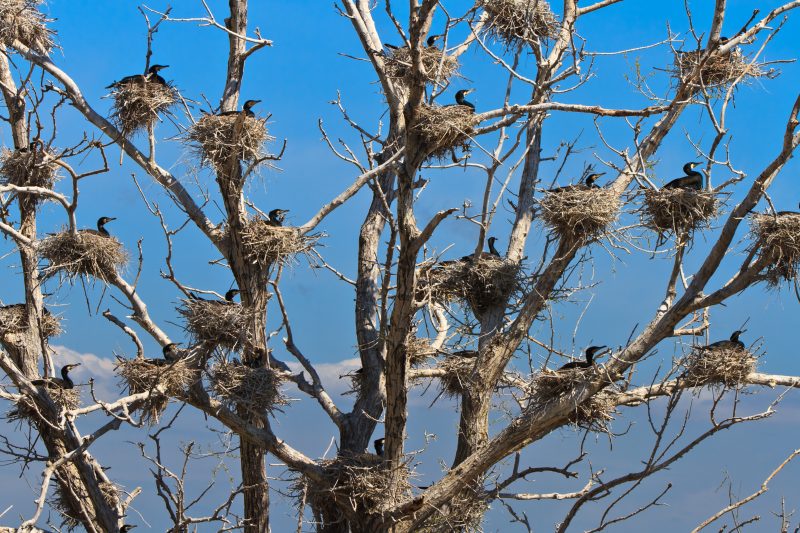
Nesting is a critical phase in the bird life cycle. Birds exhibit a vast range of nesting habits, from the simple ground nests of plovers to the elaborate hanging nests of weaver birds. Equally varied are their parental care strategies. While in some species, both parents share the duties of incubation and feeding, in others, one parent may take on the majority of these responsibilities. Understanding these habits offers a window into the survival strategies of birds.

Mating Systems (Monogamy, Polygamy, etc.)
Birds display a variety of mating systems. While some species are monogamous, forming long-term pair bonds, others are polygamous or practice lek mating, where males display in groups to attract females. These mating systems reflect the ecological conditions and life history strategies of each species, playing a crucial role in their reproductive success.
Migration and Seasonal Movements
Understanding Bird Migration Patterns
Bird migration is one of nature’s most extraordinary phenomena. Each year, countless species embark on long, perilous journeys between their breeding and wintering grounds. Some, like the Arctic Tern, travel thousands of miles across continents and oceans. These migrations are driven by the search for food, suitable climates, or breeding habitats. Tracking these movements provides a fascinating insight into endurance and navigation and highlights the need for international conservation efforts.
The Impact of Climate and Habitat on Migration
Climate and habitat play crucial roles in bird migration. Changes in climate can affect food availability, timing of breeding, and weather conditions, all of which influence migration patterns. Habitat loss and fragmentation induced by human activities also pose significant challenges. Understanding these impacts is essential for predicting changes in migration behavior and implementing effective conservation strategies.
Navigation and Orientation Strategies
Birds use a remarkable array of strategies to navigate during migration. They may rely on the sun, stars, Earth’s magnetic field, or even olfactory cues to find their way. These skills are honed over generations and are critical for the survival of migratory species. Research into these navigation mechanisms not only fascinates birdwatchers but also aids scientists in understanding animal migration at a broader level.

Social Structures and Group Dynamics
Flocking Behavior and Benefits
Many bird species exhibit flocking behavior, where groups travel, feed, or roost together. This social structure offers numerous benefits, including increased vigilance against predators, efficient foraging, and assistance navigating during migration. Observing flocks, from the synchronized flying of starlings to the communal feeding of flamingos, reveals much about the social interactions and survival strategies of birds.
Territoriality and Aggression
Territorial behavior is common in many bird species, especially during the breeding season. Birds may use songs, displays, or direct aggression to defend their territory. This behavior ensures access to valuable resources like food and nesting sites, which is critical to reproductive success. Understanding these territorial dynamics helps birdwatchers appreciate the complex social lives of birds.
Cooperative Behaviors and Social Hierarchies
Some bird species exhibit cooperative behaviors such as cooperative breeding, where individuals help raise offspring that are not their own. Social hierarchies can also be observed in various species, dictating the pecking order at feeding sites or roosting areas. These complex social structures demonstrate the high level of intelligence and adaptability in birds, providing fascinating subjects for observation and study.
Adaptation and Survival Strategies
Behavioral Adaptations to Environmental Changes
Birds have developed a myriad of behavioral adaptations to thrive in diverse environments. These adaptations range from seasonal plumage changes for camouflage to altering migration routes in response to climate change. Some species have even developed urban-specific behaviors to survive in city landscapes. These adaptations highlight the resilience and versatility of birds in facing environmental challenges.

Predator Avoidance and Defense Mechanisms
Predator avoidance is crucial for bird survival. Many species have evolved sophisticated defense mechanisms, such as alarm calls, cryptic coloration, and mobbing behavior, where birds collectively attack a predator. Some species even mimic the calls of other species or predators as a form of defense. Understanding these strategies provides insight into the complex predator-prey dynamics in the natural world.
Role of Behavior in Species Survival and Evolution
Bird behavior plays a pivotal role in species survival and evolution. Behaviors that enhance survival and reproductive success are passed down through generations, shaping the evolutionary trajectory of species. These behaviors, from foraging techniques to mating rituals, are fascinating to observe and crucial for understanding the evolutionary biology of birds.
Conservation and Human Impact
Threats to Bird Species and Habitats
Human activities have significantly impacted bird species and their habitats. Climate change, habitat destruction, pollution, and the introduction of invasive species are among the major threats. These challenges have led to the decline of many bird populations, highlighting the urgent need for conservation efforts to protect these significant components of our ecosystems.
Conservation Efforts and Their Effectiveness
Conservation efforts, including habitat restoration, species reintroduction, and legal protections, have been implemented to safeguard bird populations. The success of these efforts varies, with some leading to remarkable recoveries, while others face ongoing challenges. The involvement of local communities, policymakers, and international cooperation is crucial for the effectiveness of these conservation strategies.
The Role of Human Activities in Shaping Bird Behavior
Human activities have impacted not only bird survival but also their behaviors. Urbanization, for example, has led to changes in feeding, mating, and migratory behaviors in many bird species. Understanding the extent of these impacts is vital for developing strategies to mitigate negative effects and promote coexistence between humans and birds in shared environments.

Future Directions in Bird Behavior Research
Emerging Technologies and Methods in Behavioral Studies
The future of bird behavior research is bright with the emergence of new technologies and methodologies. Advances in satellite tracking, drones, and remote sensing are revolutionizing our understanding of bird migration and habitat use. Genetic analysis and bioacoustic monitoring provide deeper insights into species identification, population dynamics, and communication patterns. These technologies promise to unlock many mysteries of bird behavior and aid in their conservation.
Unanswered Questions and Potential Research Areas
Despite significant progress, many questions about bird behavior remain unanswered. Critical areas for future research include:
- Understanding the various impacts of climate change on bird behavior.
- Unraveling the complexities of bird communication.
- Exploring the genetic basis of behavior.
Research in these areas is academically fascinating and crucial for developing effective conservation strategies.
The Importance of Public Awareness and Education
Public awareness and education play vital roles in bird conservation. Encouraging community involvement in birdwatching and conservation projects helps gather crucial data and promote conservation efforts. Educational programs can foster a deeper appreciation for birds and the challenges they face, leading to more support for conservation initiatives. The future of bird behavior research and conservation greatly depends on the engagement and support of the public.
Conclusion
With their diverse behaviors and adaptations, birds are a source of endless fascination and wonder. From their complex communication systems to their impressive migration patterns, birds provide invaluable insights into the workings of nature. Understanding bird behavior is a pleasure for birdwatchers and a critical component of conservation efforts. As we continue to study and learn from these remarkable creatures, our knowledge and appreciation for the avian world will undoubtedly grow, aiding in preserving these species for future generations.