
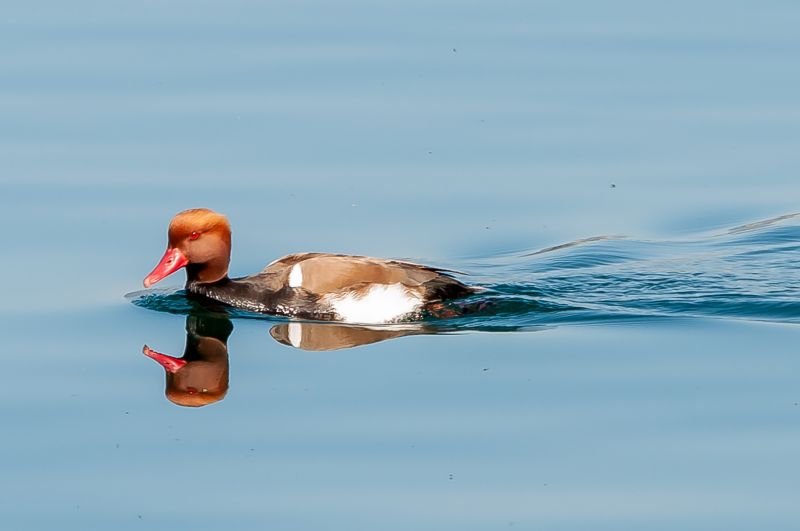
Ducks with red faces are a delightful find for birdwatchers. Their vibrant coloration stands out, making them easy to spot. These ducks certainly add a splash of color to any birdwatching outing.
If you’re out in the field and see a duck with a striking red face, you’re likely looking at one of a few fascinating species. Each of these ducks has its own unique charm and behavior.
Understanding these ducks’ distinctive features can enhance your birdwatching experience. Whether you’re a seasoned pro at birdwatching or just starting out, spotting a red-faced duck is always a treat.
Species Overview
Birdwatching enthusiasts often find ducks with red faces to be particularly captivating. These species are distinguished by their vivid facial coloration, which varies in intensity and pattern. Each species offers unique features that make them stand out in their habitats. Let’s explore some of these striking red-faced ducks and learn what sets them apart.
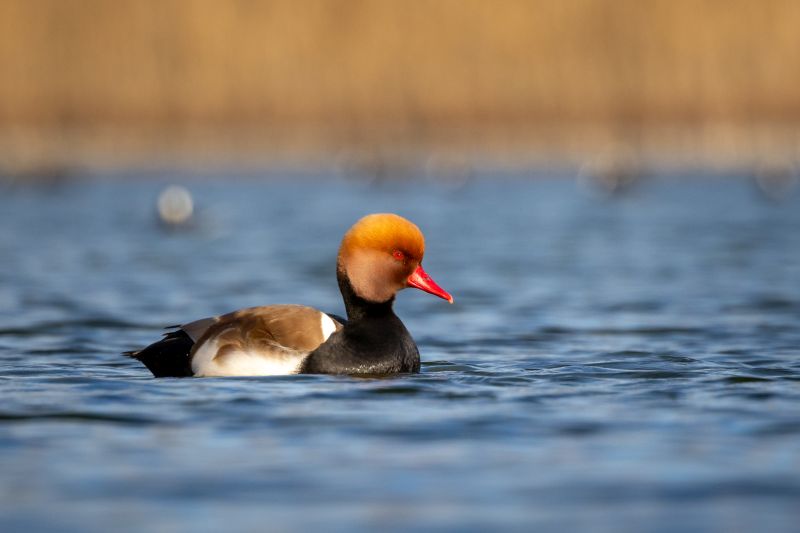
The Red-Crested Pochard
The Red-Crested Pochard is hard to miss with its bright red face. Males boast a distinctive red bill and a striking chestnut body. These ducks are found in parts of Europe, Asia, and Africa, often in freshwater lakes and marshes.
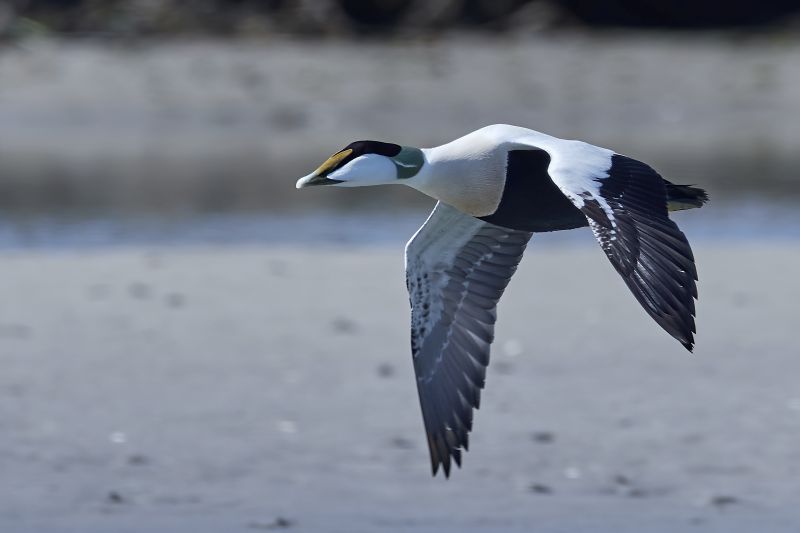
The Common Eider
The Common Eider sports a pale face with a hint of red, especially during the breeding season. The males have a striking black and white plumage, while females are more subdued. They prefer coastal waters and can be spotted in northern regions of Europe, North America, and Asia.
The Mandarin Duck
Known for its stunning plumage, the Mandarin Duck has a bright red face that contrasts beautifully with its elaborate feathers. Native to East Asia, it frequents wooded ponds and slow-moving rivers. The male’s vibrant colors make it a standout species.

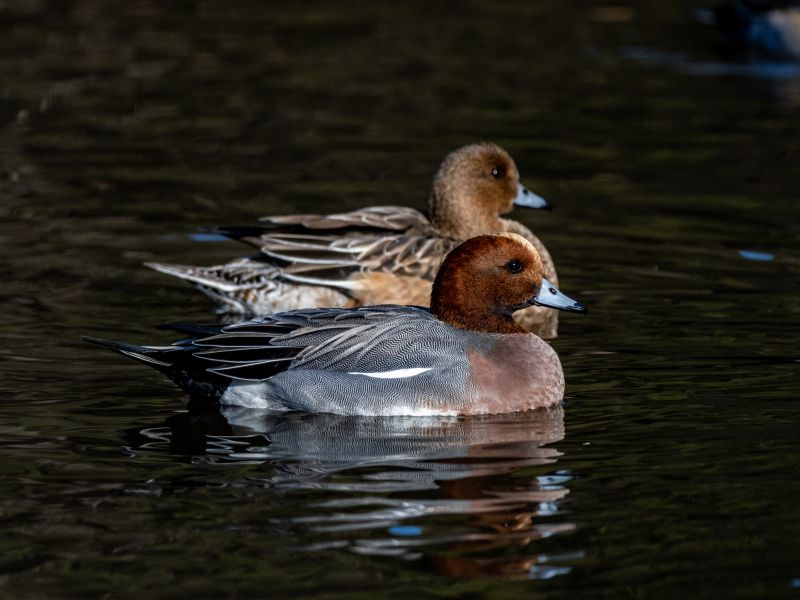
The Eurasian Wigeon
The Eurasian Wigeon features a reddish-brown face, particularly noticeable in males. This duck frequents wetlands and can be seen across Europe and Asia. Its distinctive head color helps in quick identification.
Behavior and Habitats
Feeding Habits
Red-faced ducks have varied diets depending on their species and habitat. The Red-Crested Pochard feeds on aquatic plants and seeds, often dabbling or diving in shallow waters. The Common Eider, on the other hand, prefers shellfish and other marine invertebrates, diving deep to forage in coastal waters. Mandarin Ducks eat a mix of aquatic plants, insects, and small fish, often foraging in the shallows of ponds and rivers. The Eurasian Wigeon grazes on grasses and sedges in wetlands. American Black Ducks feed on aquatic vegetation and small invertebrates in freshwater ponds. Baikal Teals eat seeds, insects, and aquatic plants, typically found in marshes and shallow lakes.
Breeding and Nesting
Breeding behaviors vary among red-faced ducks. The Red-Crested Pochard nests in dense vegetation near water, with the female laying eggs in a concealed nest. Common Eiders build nests on coastal islands, where they lay eggs in a well-hidden location, often lined with down feathers. Mandarin Ducks prefer nesting in tree cavities or old woodpecker holes near water. The Eurasian Wigeon nests in dense grass or reed beds, usually laying eggs on the ground. American Black Ducks build their nests on the ground, often hidden in tall vegetation near water. Baikal Teals create nests in tall grass or reeds, with the female laying eggs in a concealed spot.
Migratory Patterns
Many red-faced ducks are migratory. The Red-Crested Pochard migrates between breeding and wintering grounds in Europe, Asia, and Africa. Common Eiders migrate between breeding grounds in the Arctic and wintering areas in temperate waters. Mandarin Ducks migrate seasonally within East Asia, moving between breeding and wintering habitats. Eurasian Wigeons migrate across Europe and Asia, moving between breeding wetlands and wintering grounds. American Black Ducks migrate within North America, moving between breeding areas in the north and wintering grounds in the south. Baikal Teals undertake long migrations from Siberia to East Asia during the winter.
Habitat Preferences
Each species has specific habitat preferences. The Red-Crested Pochard thrives in freshwater lakes and marshes with abundant vegetation. Common Eiders prefer coastal waters, particularly near rocky shores and islands. Mandarin Ducks are found in wooded ponds and slow-moving rivers with plenty of vegetation. The Eurasian Wigeon frequents wetlands, including marshes and shallow lakes. American Black Ducks are commonly seen in freshwater ponds, estuaries, and wetlands. Baikal Teals favor marshes and shallow lakes, often with dense vegetation for nesting.
Observing and Identifying Red-Faced Ducks
Field Guide Tips
Spotting red-faced ducks can be a thrilling experience. Early morning or late afternoon are ideal times for birdwatching, as many ducks are more active during these hours. Look for them in their preferred habitats—freshwater lakes, marshes, and coastal waters. Using binoculars with a good zoom range can help you get a closer look without disturbing the ducks. A spotting scope is also useful for observing distant or elusive species. Bring along a field guide or a bird identification app to compare features and confirm sightings.
Common Misidentifications
Several ducks might be mistaken for those with red faces. For instance, the female Red-Crested Pochard could be confused with other female diving ducks due to her more muted coloration. The Common Eider’s pale face can resemble that of other sea ducks, so pay attention to the overall plumage. The Mandarin Duck’s elaborate plumage might be mistaken for that of other brightly colored ducks if viewed quickly. The Eurasian Wigeon’s reddish-brown face can be confused with that of similar species like the American Wigeon. The American Black Duck’s subtle red face might be overlooked in low light conditions. Finally, the Baikal Teal’s unique facial markings could be mistaken for other teal species, so note the distinctive color patterns.
Identifying Features
Focus on key identifying features to distinguish these red-faced ducks. The bright red face and chestnut body are standout features of the Red-Crested Pochard. The Common Eider’s black and white plumage, combined with a subtle red face, is distinctive. The Mandarin Duck’s vivid red face and ornate plumage make it easily recognizable. The Eurasian Wigeon’s reddish-brown face, along with its overall shape and size, helps in identification. The American Black Duck’s darker body and red bill are key characteristics, while the Baikal Teal’s red face and greenish-blue crown are its most striking features.
Tips for Best Results
When trying to identify red-faced ducks, take note of their size, shape, and color patterns. Observing their behavior and habitat can also provide clues. Patience is key—often, these ducks will reveal their distinctive features as they move about or interact with their environment. Keeping a journal of your spottings can help you track different species and improve your birdwatching skills over time.
Conservation Status
Threats to Red-Faced Duck Species
Red-faced ducks face various threats depending on their species and habitat. Habitat loss due to wetland drainage and coastal development poses a significant risk. Pollution and climate change also impact their environments, affecting food availability and nesting sites. For migratory species, changes in migratory routes and wintering grounds can disrupt their life cycles. Overhunting and illegal trapping further threaten some species, reducing their populations and altering their natural behaviors.
Conservation Efforts
Several conservation initiatives aim to protect red-faced ducks and their habitats. Organizations are working to preserve wetlands and restore critical breeding and feeding grounds. Protected areas and wildlife reserves are safe havens for these ducks. Efforts are also underway to mitigate climate change impacts and reduce pollution in aquatic habitats. Birdwatchers and nature enthusiasts can contribute by supporting conservation organizations, engaging in citizen science projects, and advocating for environmental protection policies.
Conclusion
Red-faced ducks bring a vibrant splash of color to our natural world and offer a unique challenge for birdwatchers. By understanding their behaviors, habitats, and the conservation challenges they face, we can better appreciate and protect these remarkable birds. Whether spotting them in the field or supporting conservation efforts, your enthusiasm for these stunning ducks helps ensure their survival for future generations. Keep your binoculars handy and continue to marvel at the beauty and diversity of red-faced ducks!