

The Muscovy Duck is a fascinating species, perfect for birdwatching enthusiasts. Known for its distinctive appearance and behaviors, this duck offers a unique experience. With its striking features, it’s hard to miss.
Native to Central and South America, the Muscovy Duck has spread to various parts of the world. It’s common in both wild and domestic settings, and its adaptability makes it a great subject for observation.
Birdwatchers will find much to admire. From the wild variants to domesticated breeds, each has its charm. Whether you’re a seasoned birder or just starting, the Muscovy Duck is worth your attention.
Physical Characteristics
Size and Shape
The Muscovy Duck is a sizable bird, with males often reaching up to 32 inches in length. Females are slightly smaller. They have a robust, stout body and a relatively long neck. Their legs are short and strong, suited for dabbling and walking.
Plumage and Coloration
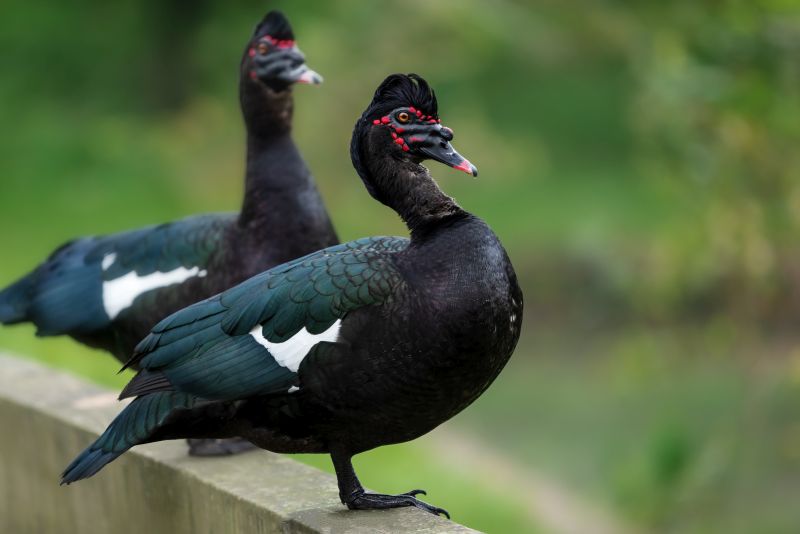
Male Muscovy Ducks boast striking plumage. Their feathers shimmer in iridescent hues of green, black, and purple. They also have distinctive red facial caruncles—fleshy growths around their eyes and beaks. Females are more subdued, with mottled brown and gray feathers. Their colors provide excellent camouflage.
Unique Features
One of the most noticeable features is the caruncles on the male’s face. These bright red structures are unique among ducks. They also have a characteristic low, grunting call. Their distinctive appearance and calls make them easier to identify in the field.

Types of Muscovy Ducks
Wild Muscovy Duck
The Wild Muscovy Duck is the original form of this species, native to Central and South America. It has a robust build and vivid coloration. In the wild, you’ll find them in forested wetlands and riverbanks. Their plumage varies, but males typically display striking iridescent colors, while females are more muted.
Domestic Muscovy Duck
Domestic Muscovy Ducks are bred for various traits. They come in a range of colors, including white, black, and a mix of patterns. These ducks are often kept for ornamental purposes or as pets. They may not have the same vivid plumage as their wild counterparts, but are still quite attractive. Their temperament is generally calm, making them popular among duck enthusiasts.
Hybrid Muscovy Ducks
Hybrids are a mix of Muscovy Ducks and other duck species. Common hybrids include those crossed with domestic ducks or other wild duck species. They often exhibit a blend of physical characteristics from both parent species. These hybrids can vary significantly in appearance and behavior, adding more intrigue to your birdwatching experience.
Behavior and Habitat
Natural Habitat
The Muscovy Duck thrives in diverse environments. Wild Muscovy Ducks prefer forested wetlands, rivers, and lakes in Central and South America. They are versatile, adapting to various habitats, including urban parks and farmlands. They prefer areas with abundant water and vegetation for foraging.
Feeding Habits
Muscovy Ducks are omnivorous. Their diet includes aquatic plants, insects, small fish, and crustaceans. They forage by dabbling in the water or pecking at the ground. In domestic settings, they might also eat grains and vegetables. Their varied diet helps them adapt to different environments.
Social Behavior
Muscovy Ducks are generally solitary or found in small groups. They are less vocal compared to other duck species, often communicating with soft grunts. In the wild, they can be seen perching on trees or nesting in hidden spots. Domestic Muscovy Ducks may be more social, especially in confined spaces. They can form close bonds with their human caretakers and other ducks.

Breeding and Reproduction
Mating Rituals
During the breeding season, male Muscovy Ducks perform elaborate displays. They puff up their chest, spread their wings, and make soft, low grunts to attract females. Their bright red caruncles become more pronounced, adding to their dramatic courtship. Males may also engage in head bobbing and wing flapping to impress potential mates.
Nesting and Egg Laying
Females choose nesting sites that are often hidden and well-protected. They lay their eggs in nests lined with feathers and down. The clutch size ranges from 8 to 16 eggs. The females incubate their eggs for about 35 days, during which time she rarely leaves the nest.
Care of the Young
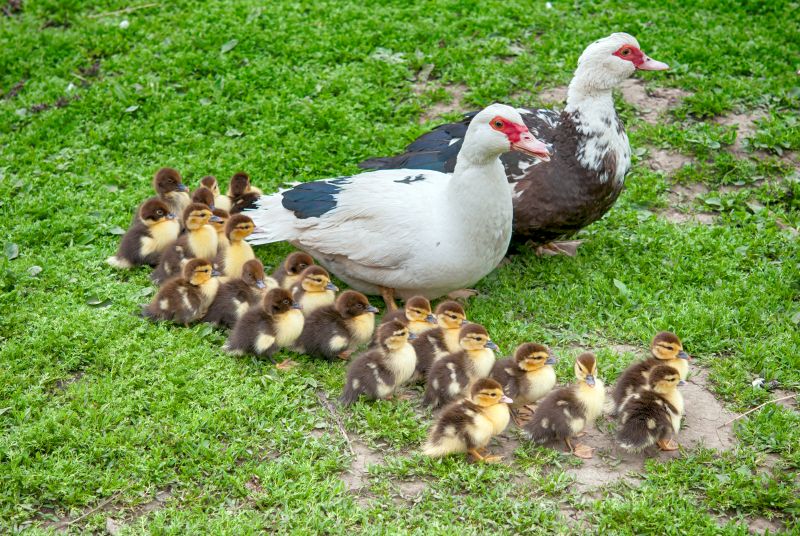
Once the eggs hatch, the mother leads the ducklings to water. The young are precocial, which means they can walk and swim shortly after hatching. They rely on their mother for warmth and protection. The female continues to care for them until they are capable of fending for themselves. In domestic settings, the young may be more closely supervised and cared for by their human caretakers.
Observing the Muscovy Duck
Best Times and Locations
Muscovy Ducks are most active during the early morning and late afternoon. They can often be seen around wetlands, riverbanks, and park ponds. In urban areas, look for them in large, open green spaces with water features. They are adaptable and may be found in both natural and man-made environments.
Tips for Spotting and Identifying
When searching for Muscovy Ducks, look for their distinctive red facial caruncles, especially on males. Their large size and robust build make them stand out. In flight, their wings have a noticeable white patch. Listen for their soft, grunting calls, which can help you locate them. Pay attention to their feeding behavior and perching habits for more clues.
Notable Behaviors to Watch For
Watch for their unique feeding style, as they dabble and forage in water. Observe their courtship rituals during the breeding season, with males showcasing their colorful caruncles. In the wild, you might see them perching on tree branches or nesting in secluded spots. Domestic Muscovy Ducks often exhibit playful interactions with each other and their caretakers.

Conservation Status
Current Threats
The Muscovy Duck faces various threats, though it is not considered endangered. It’s natural environment is impacted by habitat loss due to deforestation and urban expansion. Pollution and changes in water quality also pose risks. In some areas, hunting and trapping for meat or feathers contribute to its declining numbers.
Conservation Efforts
Various conservation efforts aim to protect the Muscovy Duck and its habitats. Wildlife reserves and protected areas help safeguard their natural environments. In urban areas, measures are taken to manage and monitor domestic populations to prevent overpopulation and ensure their well-being. Conservation organizations work on habitat restoration projects and raise awareness about the species’ needs.

Fun Facts
Unique Adaptations
The Muscovy Duck is known for its unique red caruncles, which are rare among ducks. These fleshy growths are more pronounced in males and can make them look quite impressive. They also have strong, webbed feet that are well adapted for dabbling and swimming.
Interesting Behavior
Muscovy Ducks have an unusual habit of perching in trees. Unlike most ducks, they are excellent climbers and can often be seen resting on branches near water. Their distinctive low grunting calls are a signature sound, adding a unique touch to their vocal repertoire.

Conclusion
The Muscovy Duck is a captivating species with distinctive features and behaviors. Its vibrant plumage, unique caruncles, and adaptable nature make it a standout among ducks. Observing their varied habitats and intriguing behaviors provides a rewarding experience for birdwatchers. Whether you’re spotting wild individuals in their natural environment or enjoying the charm of domesticated breeds, the Muscovy Duck offers plenty of fascination and delight.