
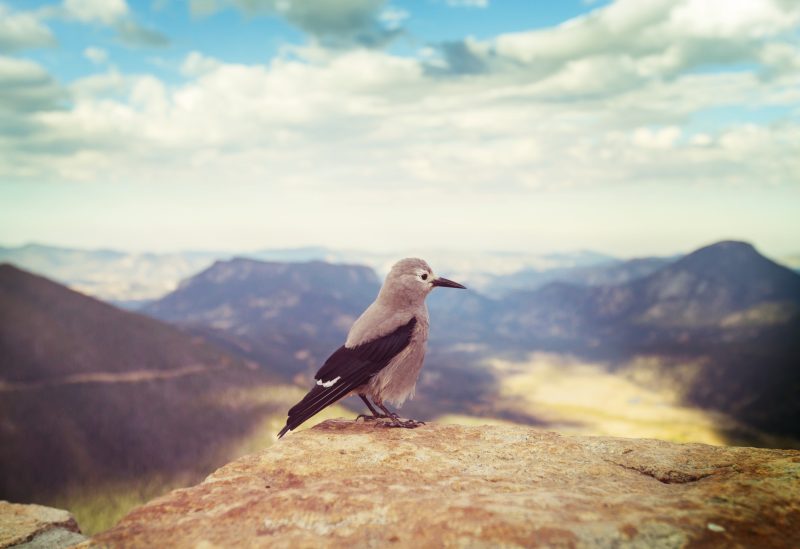
Today, we’re embarking on a fascinating journey into the lives of our feathered friends. With their diverse range of species, birds captivate us with their beauty, songs, and flights. Yet, an aspect often overlooked is their lifespans. Understanding how long birds live helps us appreciate the delicate balance of nature. It also enhances our birdwatching experiences. From tiny sparrows to majestic eagles, each bird leads a life as intriguing as its species. So, let’s spread our wings and explore the remarkable lifespans of different bird species.
Factors Influencing Bird Lifespans
Genetic Factors
Each bird species has a unique genetic blueprint that determines its potential lifespan. Think of it like a secret recipe passed down through generations. This genetic inheritance dictates not only the bird’s physical features but also its resilience and longevity. For example, parrots are known for their impressively long lives. This longevity is a gift of their genetics, allowing them to roam the skies for decades.
Environmental Factors
The environment plays a crucial role in shaping a bird’s life. Consider their habitat – forests, mountains, or urban areas. Each environment presents its own set of challenges and opportunities. Birds in stable, resource-rich environments tend to live longer. They have access to ample food and safe nesting sites. However, those in harsh or rapidly changing environments, like regions affected by climate change, face greater survival challenges.
Human Impact

Our actions have a significant impact on bird lifespans. Urbanization leads to habitat loss, a major threat to bird populations. Birds lose their homes, food sources, and nesting areas. Pollution is another critical factor. Chemicals, plastics, and other pollutants can harm birds, reducing their lifespans. It’s a stark reminder of our responsibility towards these winged wonders. As birdwatchers, we witness first-hand the effects of these human-induced changes. Hence, understanding and mitigating our impact is vital for the survival and health of bird populations.
Average Lifespans of Common Bird Species
Small Birds
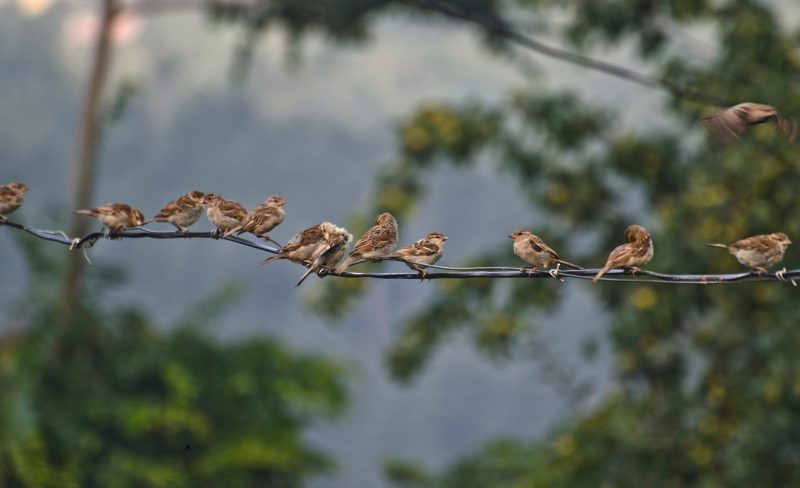
In the world of small birds, such as sparrows and warblers, life is fast-paced and often shorter. These tiny aviators typically live between 3 to 5 years. However, it’s not just about the numbers. Within their brief lives, they experience rapid growth, multiple breeding seasons, and incredible journeys of migration. For example, the common house sparrow may live around 3 years in the wild, yet they play a vital role in the ecosystem.
Medium-Sized Birds
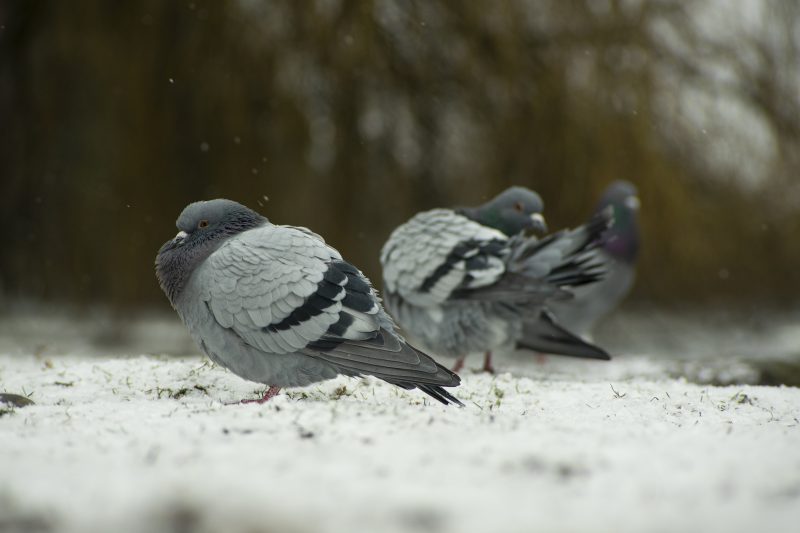
Medium-sized birds like pigeons and hawks present a different story. Pigeons, familiar to many of us in urban settings, can live up to 6 years in the wild. However, under cared-for conditions, they can reach 15 years or more. Hawks, the skilled hunters of the sky, often have a lifespan ranging from 10 to 20 years. Their longevity is partly due to their top position in the food chain and their adaptability to different environments.
Large Birds
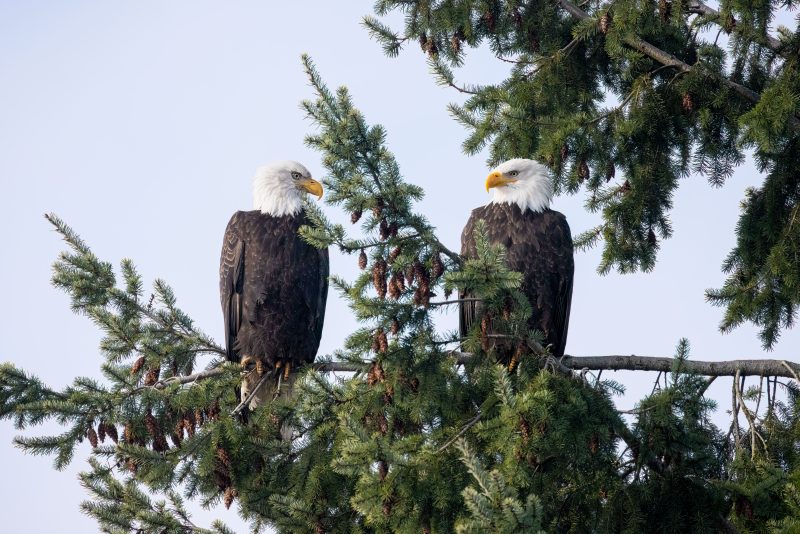
Now, let’s turn our gaze to the large birds. Eagles and albatrosses, with their majestic wingspans, are among the longer-lived bird species. Eagles, for instance, can live up to 20 years or more in the wild. They symbolize strength and resilience. The albatross, a marvel of the ocean skies, can live even longer. Some albatross species are known to live over 40 years, journeying vast distances across oceans.
Understanding these lifespans offers us a glimpse into the diverse strategies and adaptations birds have evolved. Small or large, each bird species has its unique journey through life. As birdwatchers, we cherish each sighting, knowing the years of survival and adaptation it represents.
Longest Living Bird Species
Parrots
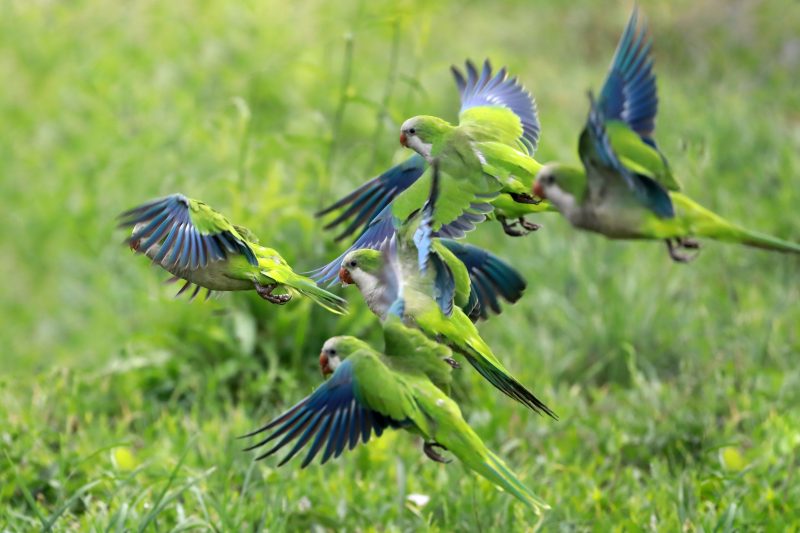
Parrots, with their vibrant colors and remarkable intelligence, are renowned for their longevity. These feathered friends can live for several decades. Some species, like the African Grey, are known to live up to 60 years or more. This remarkable lifespan is a testament to their complex social structures and adaptability. Parrots, often forming strong bonds with their mates, navigate their environments with skill and care, contributing to their lengthy lives.
Albatrosses
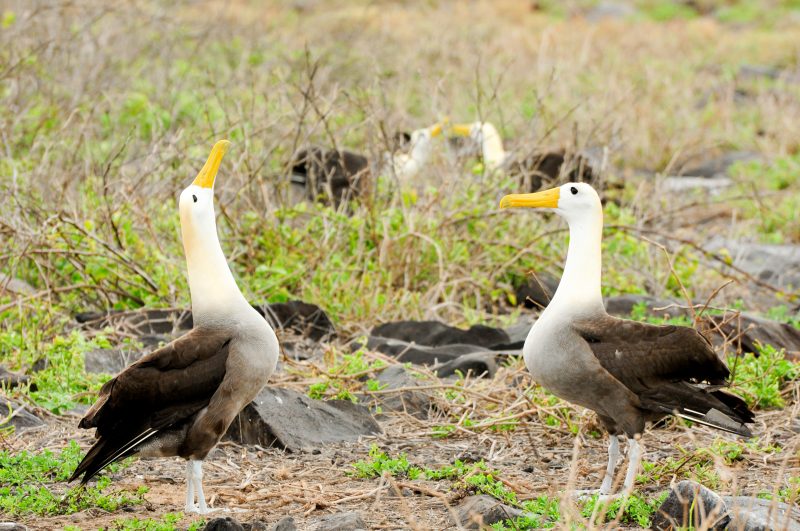
Albatrosses, the grand wanderers of the sea, boast some of the longest lifespans among birds. These magnificent creatures, with their expansive wings, are designed for a life spent soaring over oceans. It’s not uncommon for an albatross to live beyond 40 years. The secret to their longevity lies in their slow-paced life. They mature late and breed infrequently, which contributes to their extended lifespans. Witnessing an albatross glide over the waves is a glimpse into a decades-long journey across the seas.
Swans
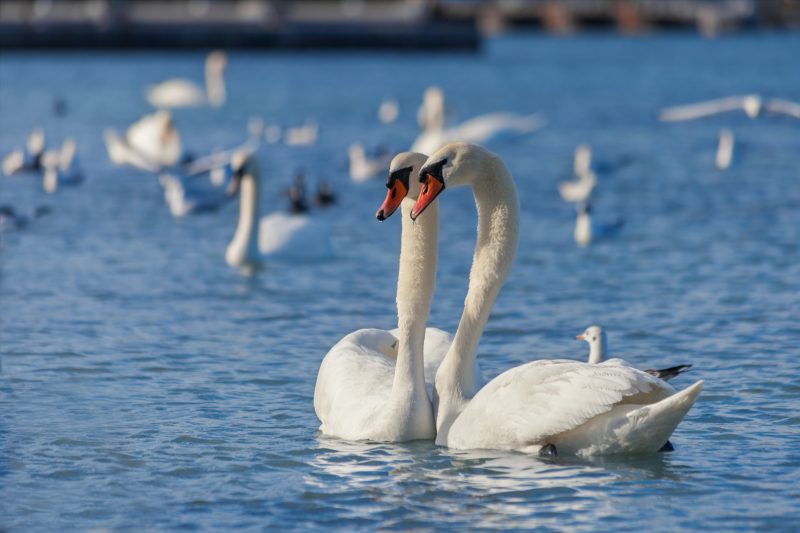
Swans, with their elegant grace, are also among the longest living birds. Known for their monogamous pairings, swans can live up to 20-30 years in the wild. Their serene presence on lakes and rivers belies the resilience and strength these birds possess. Swans navigate their habitats with a combination of strength and grace, contributing to their impressive longevity.
These long-lived bird species inspire awe and respect. They teach us the value of adaptation, resilience, and the incredible variety of life strategies in the avian world. As birdwatchers, encountering these long-lived birds is a connection to a history that spans decades, a truly humbling and enriching experience.
Shortest Living Bird Species
Small Passerines
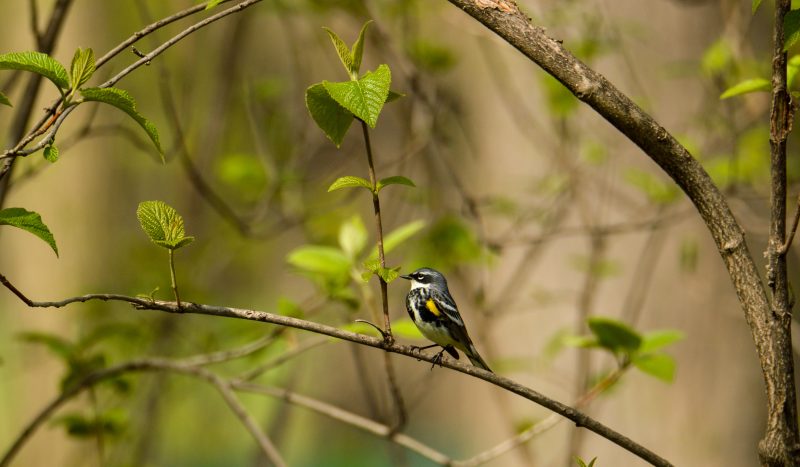
Small passerines, such as some warblers and sparrows, typically have short lifespans. These tiny, energetic birds often live only a few years in the wild. Their lives are a whirlwind of activity, from foraging to breeding. The challenges they face, like predators and harsh environments, contribute to their shorter lifespans. Yet, in their brief time, they play a crucial role in the ecosystem, pollinating plants and dispersing seeds.
Hummingbirds
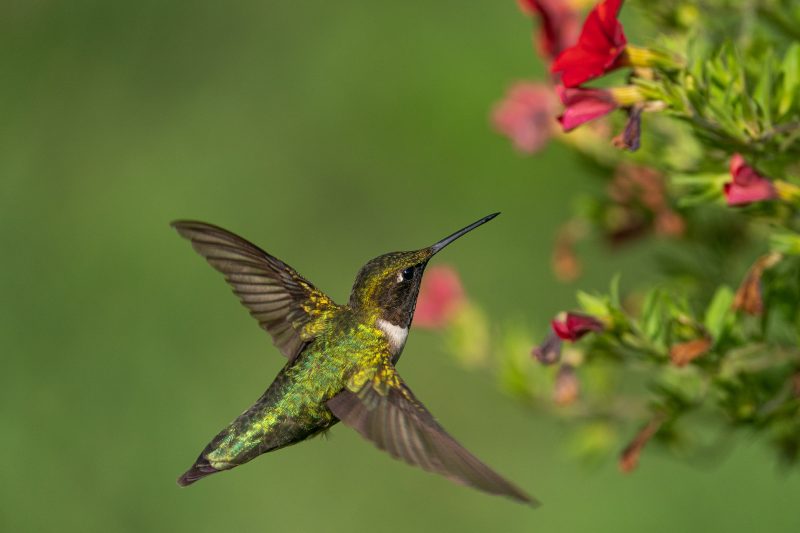
Hummingbirds, the dazzling jewels of the bird world, also have relatively short lifespans. These remarkable little birds, known for their rapid wingbeats and hovering abilities, usually live 3 to 5 years. Their high-energy lifestyle, requiring constant feeding on nectar, makes them vulnerable to habitat changes and food scarcity. Despite their fleeting lives, hummingbirds leave a lasting impression with their vibrant colors and dynamic presence.
Other Short-Lived Species
There are other bird species that also have short lifespans. Many small ground-nesting birds and some species adapted to very specific habitats fall into this category. Their specialized lifestyles and environmental vulnerabilities contribute to their shorter life expectancy. Yet, each of these species plays a vital role in the balance of their ecosystems.
The life stories of these short-lived birds remind us of the diversity and adaptability of avian life. Their existence, though brief, is filled with purpose and beauty. As birdwatchers, we appreciate every moment we share with these fleeting wonders of nature.
Conservation and Lifespan
Threatened Species
The lifespans of birds are deeply influenced by the conservation status of their species. Threatened species, facing challenges like habitat loss, hunting, and climate change, often experience shortened lifespans. For instance, migratory birds that lose critical stopover sites can struggle to complete their journeys, impacting their survival and breeding success. Protecting and restoring habitats is crucial for extending the lifespans of these vulnerable species.
Conservation Efforts
Conservation efforts play a pivotal role in enhancing and protecting the lifespans of birds. Initiatives like breeding programs, habitat restoration, and legal protections contribute significantly to the survival of many species. Successful conservation stories, like the recovery of the Bald Eagle in North America, demonstrate how targeted efforts can lead to remarkable increases in both population numbers and individual lifespans.
Role of Zoos and Sanctuaries
Zoos and wildlife sanctuaries offer a unique contribution to conservation and the understanding of bird lifespans. They provide safe havens for endangered species and opportunities for breeding programs. In captivity, birds are often able to live longer due to a regular food supply, the absence of predators, and medical care. These institutions also play a vital role in education and research, helping us understand the needs of different species and how to protect them in the wild.

In conclusion, the conservation status and efforts significantly impact the lifespans of birds. As birdwatchers and nature enthusiasts, our awareness and support for conservation initiatives are essential. It’s a combined effort to ensure that these magnificent creatures continue to soar in our skies and enrich our ecosystems.
Conclusion
In our journey through the fascinating world of bird lifespans, we’ve discovered the remarkable diversity and resilience of these winged wonders. From the short-lived, yet vibrant lives of small passerines to the decades-long journeys of albatrosses and parrots, each bird’s lifespan tells a unique story of adaptation and survival. Understanding these lifespans enriches our appreciation for the natural world and emphasizes the vital role of conservation efforts. It reminds us that every bird we encounter, whether flitting through our backyards or soaring in distant skies, is vital to our planet’s intricate ecological tapestry. As birdwatchers and nature lovers, we play a crucial role in observing, protecting, and celebrating these incredible creatures, ensuring their stories continue for generations to come.
References
To ensure the accuracy and depth of the information shared in this article, we’ve consulted a variety of sources. These include ornithology textbooks, birdwatching guides, and scientific journals. Key references include:
- “The Sibley Guide to Bird Life and Behavior” by David Allen Sibley.
- “Birds of the World” by Les Beletsky.
- “Ornithology” by Frank B. Gill.
- Various articles from the Cornell Lab of Ornithology.
- “The Life of Birds” by David Attenborough.
- Research papers and reports from the Audubon Society and BirdLife International.
These resources provide invaluable insights into the lifespans of birds, the factors influencing their longevity, and the importance of conservation efforts. We are grateful for the wealth of knowledge shared by experts and researchers in the field of ornithology.