

Welcome to the fascinating world of high-flying birds! Have you ever wondered which birds soar highest in the sky? The ability of birds to reach incredible altitudes is not only a marvel of nature but also a testament to their remarkable adaptations.
In this exploration, we will discover the top 10 birds that fly higher than the rest, delving into the unique features and behaviors that enable such feats. Each bird on our list defies the limits of the sky in its own way, from the mighty Rüppell’s Griffon Vulture to the agile Bar-headed Goose. Prepare to be amazed by these sky-high travelers and their journeys above the clouds. Let’s begin our ascent into the world of the highest flying birds.
1. Rüppell’s Griffon Vulture
Adaptations for High Altitude Flight
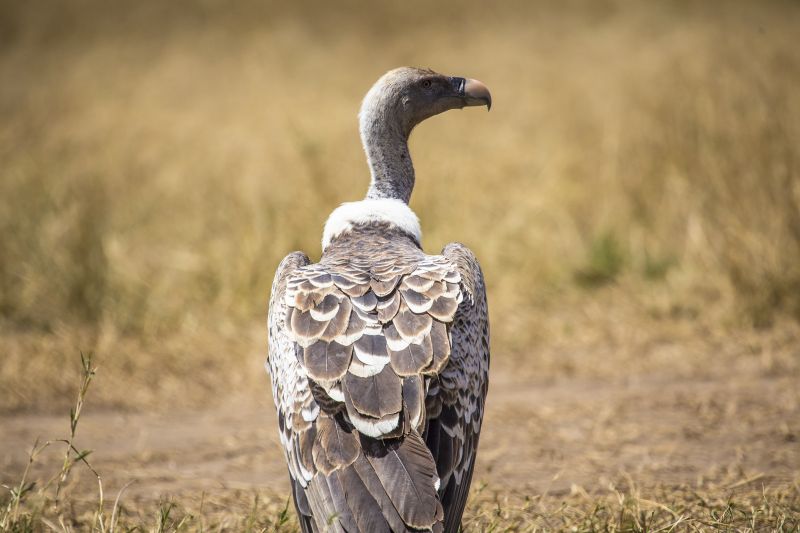
The Rüppell’s Griffon Vulture is highest flying bird ever recorded, with sightings at altitudes of over 37,000 feet. This vulture’s physiology is a masterpiece of evolutionary adaptation. Specialized hemoglobin allows its blood to carry oxygen efficiently, even where the air is thin. Its large wingspan supports gliding at these extreme heights, conserving energy during long flights.
Recorded Altitudes and Sightings
In 1973, a Rüppell’s Griffon collided with an airplane at an astonishing 37,000 feet above the Ivory Coast. This incident, documented by aviation authorities, highlights the incredible heights these birds can reach. Birdwatchers mostly spot them soaring majestically above the African savannah, far below their maximum altitude capabilities.
2. Common Crane
Migration Patterns at High Altitudes
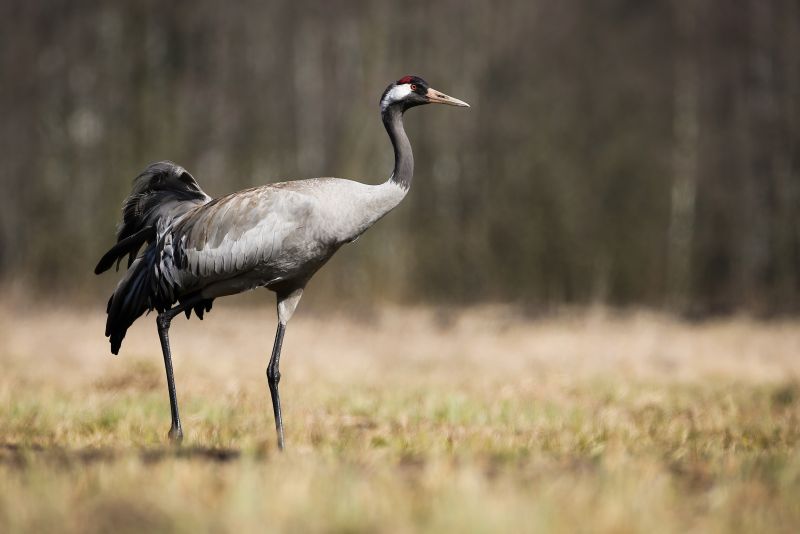
The Common Crane is renowned for its long, arduous migrations, often flying at altitudes up to 33,000 feet. These birds travel from northern Europe to Africa, passing over the Himalayas with apparent ease. Their ability to fly at such heights is crucial for avoiding predators and navigating vast landscapes.
Importance of Altitude for Survival
Flying high is more than a feat of endurance for the Common Crane; it is a survival strategy. By reaching high altitudes, cranes can conserve energy via favorable air currents and avoid many terrestrial threats. This strategy showcases the critical role of altitude in their migratory success.
3. Bar-headed Goose
Physiological Adaptations to High Altitude
The Bar-headed Goose is famous for its migrations over the Himalayas, one of the most challenging air routes in the avian world. Adaptations such as an exceptionally efficient respiratory system and a unique ability to process oxygen quickly enable this goose to thrive above 27,000 feet.
Migration Routes Over the Himalayas
Twice a year, Bar-headed Geese face the daunting task of crossing the Himalayas, a journey that demands flying higher than Mount Everest. Observers in mountainous regions of India and Central Asia report seeing these geese as specks against the vast sky, a testament to their incredible high-altitude capabilities.

4. Whooper Swan
Flight Characteristics and Altitude Records
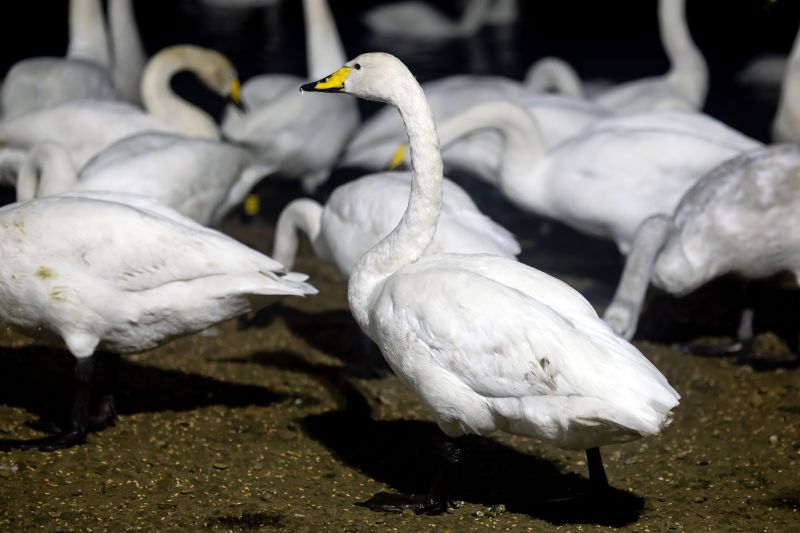
The Whooper Swan, with its distinctive call and striking appearance, can ascend to heights up to 27,000 feet. These swans possess powerful, large wings that enable sustained flight over extensive distances. During migrations, they often travel from their breeding grounds in Iceland and northern Europe to winter in the warmer climes of the UK and Western Europe.
Role of High Flight in Migration Efficiency
High-altitude flight offers the Whooper Swan several advantages. At these heights, the swans encounter fewer predators and can take advantage of strong tailwinds, which significantly improve their energy efficiency. This ability not only speeds up their migration but also reduces the physical strain on these majestic birds.
5. Alpine Chough
Life at High Elevations
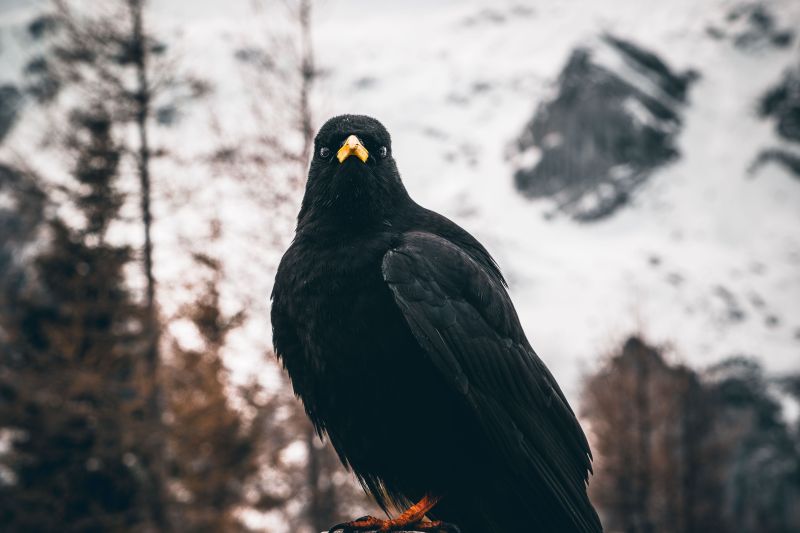
The Alpine Chough thrives in the mountainous regions of Europe and Asia, often spotted above the snow line where few other birds dare to venture. Adapted to life at high altitudes, this bird can be found nesting up to 13,000 feet. Their compact size and agile flight make them well-suited to the thin air of their high-altitude homes.
Flight Behaviors Above the Mountains
Alpine Choughs are known for their playful aerial displays, swooping and diving with remarkable agility. Their ability to maneuver quickly at high elevations is crucial for locating food and evading predators in the rugged terrains they inhabit. Birdwatchers often admire their acrobatic skills, which seem all the more impressive at such extreme heights.
6. Andean Condor
Size and Flight Mechanics
The Andean Condor is among the largest flying birds and uses its impressive 10-foot wingspan to soar effortlessly above the South American Andes. Despite its massive size, the condor can ascend to altitudes over 18,000 feet. Its flight is primarily sustained by thermal updrafts, which lift the bird to great heights without the need for flapping its wings frequently.
Observations of Altitude and Soaring Behavior
Spotting an Andean Condor riding the thermals is a breathtaking sight. These birds are masters of the air, using minimal energy as they glide across vast distances. Observers in the high Andes often report seeing condors soaring above the peaks, surveying the landscape for food and demonstrating their dominance in the sky.

7. Mallard
Surprising Altitude Abilities of a Common Bird
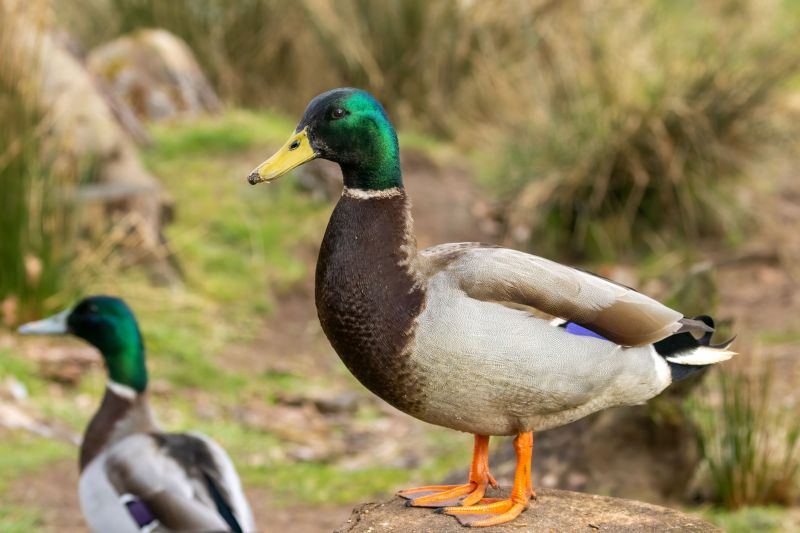
The Mallard, a familiar sight in parks and ponds, has surprisingly high flying capabilities, reaching altitudes up to 21,000 feet. Despite their commonplace nature, Mallards are equipped with strong, robust wings that make such high flights possible, particularly during migrations.
Recorded Flight Heights and Context
Birdwatchers often observe Mallards flying at much lower altitudes, yet during migration, they ascend to remarkable heights. This ability allows them to navigate long distances efficiently, utilizing favorable air currents and evading ground-level hazards.
8. Bearded Vulture
Adaptations for Soaring in Mountainous Regions
The Bearded Vulture, or Lammergeier, thrives in high mountainous terrains, often seen at altitudes up to 24,000 feet. Adapted to life in rugged environments, this bird has a unique ability to utilize updrafts and thermals to conserve energy while searching for food, which includes bones dropped from great heights to shatter and consume the marrow inside.
Cultural Significance and Conservation Status
The Bearded Vulture holds significant cultural importance in many cultures but faces threats from habitat loss and poisoning. Conservation efforts are crucial to preserving this majestic bird, which plays an essential role in the ecosystem by disposing of carrion and contributing to the cycle of nutrients.

9. White Stork
Migration Altitudes and Patterns
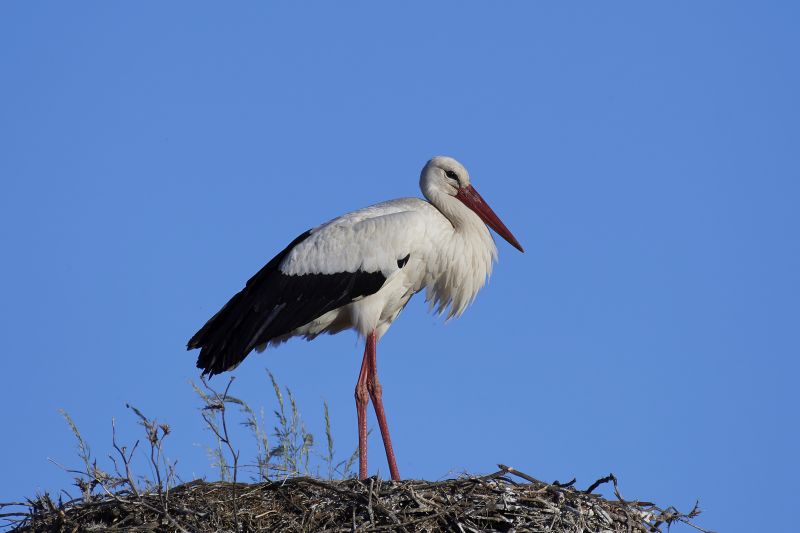
White Storks are known for their incredible migratory journeys, often reaching altitudes of 16,000 feet as they travel between Europe and Africa. This migration involves crossing vast deserts and the Mediterranean Sea, where high flying is crucial for efficient travel and avoiding predators.
Conservation Efforts and Population Tracking
Efforts to track and conserve White Storks have increased understanding of their migratory patterns and the challenges they face. Through satellite tracking, researchers can gather data on flight paths and altitudes, which is vital for creating effective conservation strategies and ensuring the survival of this iconic species.
10. Bald Eagle
Iconic Bird of Prey’s Flight Capabilities
The Bald Eagle is known as a symbol of strength and freedom, and is renowned not only for its impressive presence but also for its high-altitude flight capabilities. Although typically seen soaring at lower altitudes, Bald Eagles can reach heights up to 10,000 feet, especially when riding thermal updrafts during their migration or while scouting for prey.
Altitudes Reached During Hunting and Migration
During migration, Bald Eagles utilize high altitudes to maximize visibility and conserve energy. Their keen eyesight enables them to spot fish and small mammals from high above, making them efficient hunters. Observing a Bald Eagle glide through the sky is a majestic sight, embodying the power and grace of avian predators.

Conclusion
The birds we’ve discussed today represent just a glimpse of the diverse strategies and adaptations birds use to conquer the skies. From the endurance of cranes to the agility of Alpine Choughs, each species showcases unique traits that allow them to thrive at incredible heights. Understanding these high flyers enriches our appreciation of nature’s complexity and highlights the need for ongoing conservation initiatives aimed at safeguarding these extraordinary creatures and their environments.
Further Reading and Resources
For those eager to dive deeper into the world of high-flying birds and birdwatching, several resources can enhance your knowledge and experience:
- Books: “The Wonder of Birds” by Jim Robbins offers insights into the lives of birds, including their flight mechanics and ecological importance.
- Documentaries: “Earthflight” provides a bird’s-eye view of the world, showcasing how birds navigate the globe.
- Organizations: The Audubon Society and the Royal Society for the Protection of Birds (RSPB) offer resources for birdwatchers and conservationists alike, including field guides, conservation programs, and community science projects.
- Online Platforms: Websites like eBird and All About Birds are fantastic starting points for identifying species, logging sightings, and learning about bird behavior and habitat.
By utilizing these resources, you can help support bird conservation and enjoy the beauty of these high flyers in a more meaningful way. Whether through a telescope or with the naked eye, the sky above offers endless opportunities for discovery and awe.